
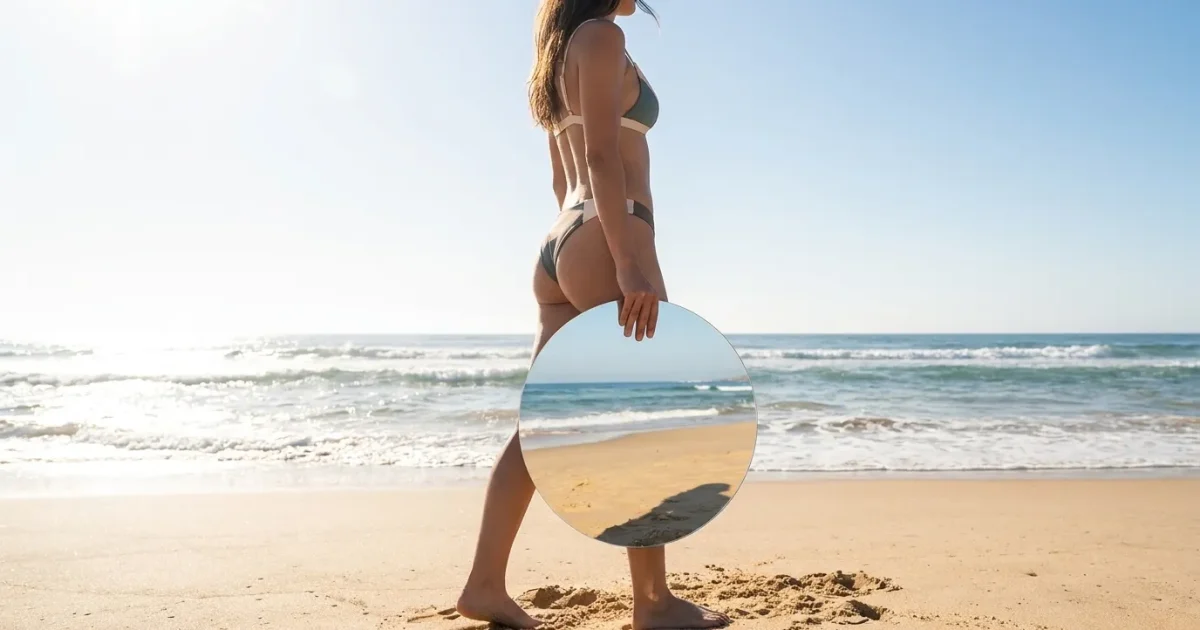
Written by: Dr. Akash Chandawarkar, Board Certified Plastic Surgeon, Mirror Plastic Surgery | Last updated: September 9, 2026
Key Takeaways
Before diving into the details, here are the essential points about QWO and its modern successor, Avéli.
- QWO, the first FDA-approved injectable for cellulite, was voluntarily discontinued by its manufacturer in December 2022 due to excessive bruising, prolonged discoloration, and poor commercial viability.
- QWO is no longer available anywhere in the United States, and all remaining stock has expired.
- Avéli is the modern successor: an FDA-cleared, single-session device treatment that mechanically releases fibrous bands with real-time visual confirmation and a markedly better side-effect profile.
- Avéli is available at Mirror Plastic Surgery in St. Petersburg, Florida, performed by Dr. Akash Chandawarkar, a board-certified plastic surgeon and advisory board member for the device’s manufacturer.
Key Facts About QWO
- FDA-approved in July 2020 for moderate to severe cellulite in the buttocks of adult women, the first and only injectable ever cleared for this indication. Its active ingredient, collagenase clostridium histolyticum-aaes, is a purified bacterial enzyme that dissolves collagen-rich fibrous bands.
- Administered as three injection sessions spaced 21 days apart, with up to 12 injections of 0.3 mL per buttock per session. Clinical trials documented a high rate of injection-site bruising, which later proved even more problematic in real-world use.
- Discontinued by Endo International on December 6, 2022 and no longer available; all remaining stock has expired.
What QWO Was And How It Worked
QWO was an injectable enzyme treatment that dissolved the collagen-rich fibrous bands (septae) tethering skin downward and creating cellulite dimples. It was the first drug ever FDA-approved specifically for this structural condition.
Cellulite affects an estimated 80–90% of post-pubertal women regardless of weight or fitness level. It is a structural condition rather than a surface issue. Fibrous septae pull the skin downward while fat lobules push upward, which produces visible dimples. Topical creams, massage, and weight loss cannot reliably change this internal architecture.
QWO worked through enzymatic subcision. The collagenase enzyme was injected directly into each dimple, where it gradually dissolved the septae. The full protocol consisted of three treatment visits, each spaced 21 days apart, with up to 12 injections per buttock per session. Results appeared over several months as the enzyme broke down the bands and the body remodeled collagen. The mechanism was novel, but dissolving collagen-rich tissue also disrupted nearby blood vessels and produced significant bruising.
Why QWO Was Discontinued
On December 6, 2022, Endo International announced it would cease production and sale of QWO. The product technically remained FDA-approved at the time. The decision reflected commercial realities and tolerability concerns rather than a formal safety recall.
- Excessive and unpredictable bruising: Clinical trials documented a very high bruising rate, and real-world use showed bruising that was more extensive and variable than anticipated.
- Prolonged skin discoloration: Some patients developed hemosiderin staining, an iron pigment from ruptured red blood cells, which sometimes took months to fade.
- Variable efficacy: Results required multiple sessions and were inconsistent across patients, which made expectations difficult to manage.
- Commercial failure: Endo’s CEO stated that QWO “does not represent a viable commercial opportunity,” with the company projecting substantial annualized pre-tax cash savings from the discontinuation.
Endo launched the APHRODITE open-label study in June 2022 to test strategies that might reduce bruising, but no cohort achieved a consistent enough improvement to change the product’s trajectory. The discontinuation followed soon after.
QWO Side Effects And Safety Profile
The main clinical concern with QWO was bruising that often appeared extensive, unpredictable, and slow to resolve. Post-market reports described bruising as more variable and severe than expected, including hemosiderin staining that could take months to fade. Other common side effects included injection-site pain, swelling, redness, and areas of firmness beneath the skin.
QWO remained FDA-approved when Endo chose to discontinue it, which means regulators did not classify it as unsafe in the traditional sense. Its tolerability profile, however, made it impractical for many patients. Bruising sometimes affected daily activities, and in a subset of cases, left pigmentation changes that required additional management.
No follow-on collagenase injectable has reached the U.S. market since QWO’s withdrawal. As of 2026, all FDA-cleared cellulite treatments use devices or minimally invasive procedures rather than injectable enzymes.
The Best Cellulite Treatments Available In 2026
Since QWO’s withdrawal, cellulite treatment has centered on device-based approaches. A review of 62 cellulite trials registered on ClinicalTrials.gov as of June 2026 found that device-based treatments account for 36 of those trials, while injectable development remains limited.
Avéli is the leading modern option for discrete dimple-type cellulite. Key clinical facts include:
- FDA-cleared under 510(k) K212399 (2021) for temporary reduction and K221336 (2022) for long-term reduction through one year of observation
- A minimally invasive handheld device that uses light-guided subcision to release individual fibrous septae, with real-time visual confirmation that each band is released before moving to the next dimple
- A single treatment session under local anesthesia, typically lasting 60–90 minutes
- Initial results visible within 2–4 weeks, with full results apparent at three months1
- A multicenter pivotal study by Stevens et al. showed improvement on the GAIS score in 93.9% of patients at 12 months, with 73.8% achieving a ≥1-point reduction on the cellulite severity scale1
- The CONFFIRM multicenter pivotal study reported 93% patient satisfaction at 12 months after a single session, with no serious, unanticipated, or severe adverse events1
- Most common side effects include mild soreness, bruising, and tenderness that typically resolve within days to weeks
Other FDA-cleared options include RESONIC (Rapid Acoustic Pulse technology), Cellulaze (laser-based subcision), and radiofrequency devices such as Venus Legacy and VelaShape. Radiofrequency treatments do not release septae and tend to produce temporary results that last a few months. Cellulaze results usually last one to two years. RESONIC is non-invasive, and long-term durability data continues to accumulate. Avéli combines precision, real-time confirmation, minimal downtime, and lasting results, which makes it the most advanced option for discrete dimple-type cellulite.
QWO vs. Avéli: A Detailed Comparison
Mechanism: QWO used an injectable collagenase enzyme to chemically dissolve fibrous septae, a process that disrupted blood vessels and produced significant bruising. Avéli uses a mechanical micro-blade under real-time transillumination to physically release each band, with the provider confirming each release before moving to the next dimple. Chemical dissolution without visualization gave way to mechanical precision with direct confirmation.
FDA Status: QWO was FDA-approved as a drug in July 2020 and was voluntarily discontinued by its manufacturer in December 2022. Avéli holds FDA 510(k) clearances K212399 (2021) and K221336 (2022) for temporary and long-term cellulite reduction and remains actively available.
Treatment Process: QWO required three injection sessions spaced 21 days apart, with up to 12 injections per buttock per session. Avéli is a single session lasting 60–90 minutes under local anesthesia.
Side Effects: QWO frequently produced extensive bruising and, in some patients, months-long discoloration. Avéli’s most commonly reported effects are mild soreness, bruising, and tenderness that resolve within days.
Results: QWO results appeared gradually over several months and varied from patient to patient. Avéli results are visible within 2–4 weeks, with the CONFFIRM study reporting an average Cellulite Severity Scale improvement of 1.50 points at three months and 1.48 points at one year.1
Downtime: QWO sessions themselves required little procedural downtime, but bruising often affected daily life for weeks. Avéli patients typically resume normal activities within 24–48 hours.
Avéli functions as the clear modern successor. It targets the same fibrous septae that QWO addressed, yet does so with mechanical precision, real-time confirmation, a single session, and a more manageable side-effect profile.
How To Choose A Provider And What To Ask
Choosing the right provider for minimally invasive cellulite treatment matters as much as choosing the right technology. Board certification, device-specific experience, and a thorough pre-procedure consultation should guide your decision.
Questions to ask any prospective provider include:
- How many Avéli procedures have you performed?
- What results can I realistically expect for my specific cellulite type and distribution?
- What are the risks, and how do you manage bruising and discomfort?
- Can you show me before-and-after photos of your own patients?
- Am I a candidate, or would a different approach serve me better?
At Mirror Plastic Surgery in St. Petersburg, Avéli is performed by Dr. Akash Chandawarkar, who is board-certified by the American Board of Plastic Surgery, Harvard-educated, and Johns Hopkins-trained, with fellowship training in aesthetic surgery at the Manhattan Eye Ear & Throat Hospital/Lenox Hill Hospital. Dr. Chandawarkar serves on the advisory board of Tiger Aesthetics, Avéli’s manufacturer, giving him direct involvement in the technology’s clinical development. He also holds an advisory board role with Merz Aesthetics.
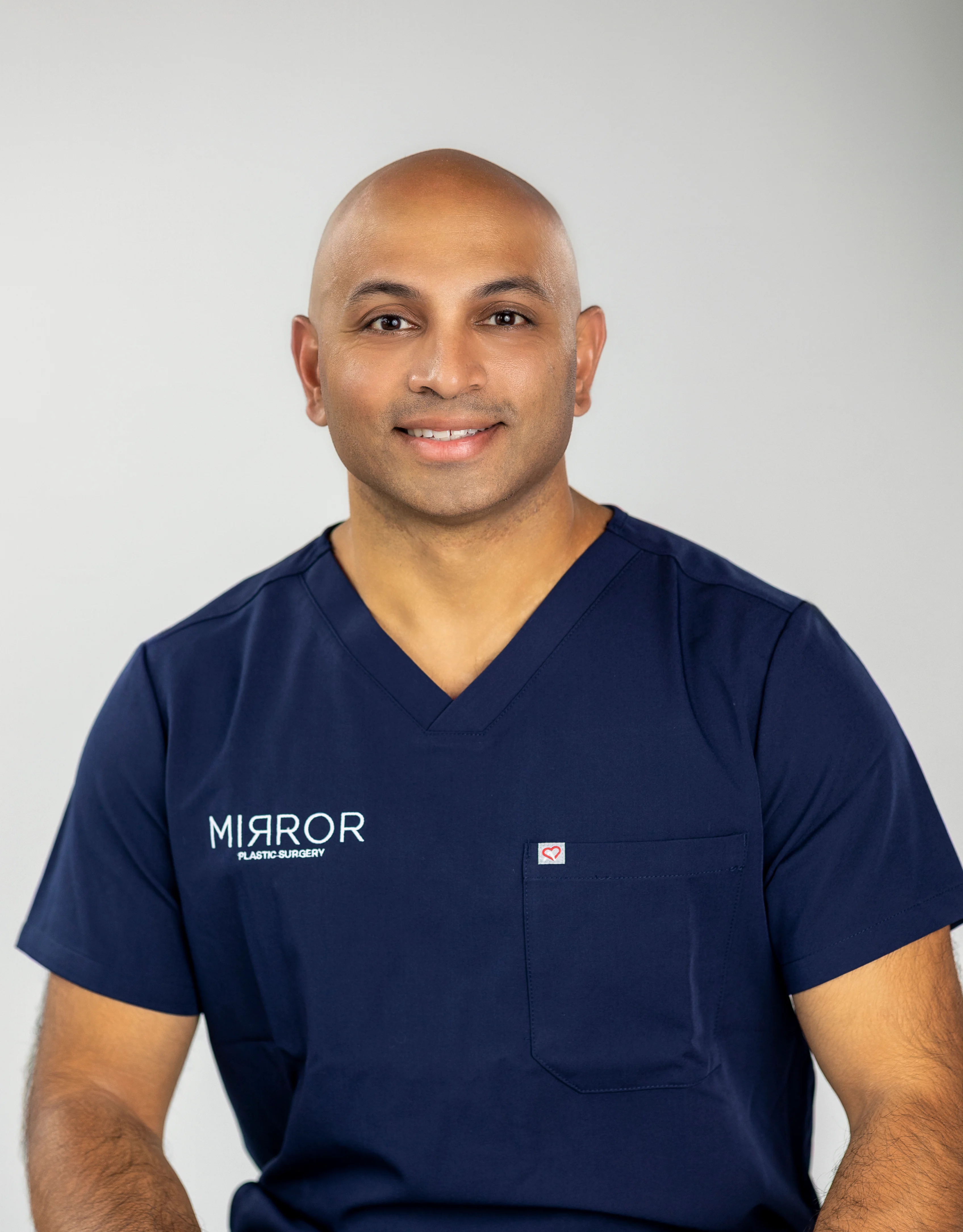
Mirror Plastic Surgery follows a concierge medicine model. Consultations run up to an hour, the practice performs only one to two procedures per day, and the guiding philosophy prioritizes safety first, function second, and aesthetics third. Dr. Chandawarkar often advises patients when a procedure is premature, which supports long-term trust and realistic expectations.
The practice is located at 780 4th Ave S, St. Petersburg, FL 33701. Reach the team by phone or text at 727-361-6515 or by email at hello@mirrorplasticsurgery.com.
Schedule your personalized Avéli assessment with Ellie to receive a tailored evaluation and learn whether Avéli fits your anatomy and goals.
Frequently Asked Questions
Is QWO Still Available?
No. QWO was voluntarily discontinued by its manufacturer, Endo International, on December 6, 2022, and all remaining stock has expired. Any clinic advertising QWO as available is relying on outdated information and cannot legally administer the product.
Why Was QWO Discontinued?
QWO was discontinued because of excessive and unpredictable bruising, the risk of prolonged skin discoloration from hemosiderin staining, variable efficacy across patients, and poor commercial performance. Endo’s CEO explicitly stated that QWO did not represent a viable commercial opportunity. The decision reflected business and tolerability concerns, while the product technically remained FDA-approved at the time.
What Is The Most Successful Cellulite Treatment In 2026?
For discrete dimple-type cellulite, Avéli is widely regarded as the leading FDA-cleared option. It uses light-guided subcision to precisely release the fibrous bands causing dimples, with real-time confirmation of each release. The CONFFIRM multicenter pivotal study reported 93% patient satisfaction at 12 months after a single session, with improvement maintained at one year and durability extending to three years in clinical follow-up. Avéli achieves these outcomes with a single session and a more favorable side-effect profile than earlier injectable approaches.
How Long Do Avéli Results Last?
Clinical studies show improvement maintained at 12 months, with durability extending to three years in follow-up data.1 Treated dimples do not return because the fibrous septae are physically severed and do not reattach.1 New dimples can still develop in untreated areas over time as aging continues, which makes a thorough pre-procedure assessment of the full treatment area important.
Is Avéli Safe?
Yes. Avéli is FDA-cleared for the reduction of cellulite dimples on the buttocks and thighs of adult women. The CONFFIRM multicenter pivotal study reported no serious, unanticipated, or severe adverse events. The most common side effects are mild soreness, bruising, and tenderness that typically resolve within days to weeks. Avéli is not appropriate for women with significant skin laxity, considerable excess weight, or prior liposuction in the target area, so a detailed consultation is essential to determine candidacy.
Conclusion
QWO represented a genuine scientific advance when it launched in 2020 as the first injectable to target the structural cause of cellulite. Its concept was sound, yet its tolerability profile, including extensive bruising, the risk of months-long skin discoloration, and variable results, made ongoing use difficult to justify. Endo International discontinued QWO in December 2022, and it has not been available since.
The cellulite treatment landscape has progressed. Avéli delivers on the promise QWO could not fulfill by offering a single-session, FDA-cleared procedure that mechanically releases each fibrous band under real-time visualization, with documented results at one year and a side-effect profile that most patients can accept. For women in the St. Petersburg and Tampa Bay area seeking an evidence-based, carefully performed solution, Mirror Plastic Surgery provides Avéli under the direct care of Dr. Akash Chandawarkar, a board-certified plastic surgeon with advisory-level involvement in the technology.
Next Steps
Patients who have researched QWO or want to explore modern cellulite treatment benefit from a thorough, honest consultation. Dr. Chandawarkar focuses on education first and recommends only what your anatomy and goals genuinely warrant, which supports a pressure-free, unhurried experience.
Request a cellulite consultation with Ellie at Mirror Plastic Surgery in St. Petersburg, Florida, and receive a personalized evaluation from one of the most credentialed cellulite treatment specialists in the Tampa Bay area.
Disclaimer: Results may vary from person to person. Editorial content, before and after images, and patient testimonials do not constitute a guarantee of specific results.
1 Results may vary from person to person. Editorial content, before and after images, and patient testimonials do not constitute a guarantee of specific results.


