

Written by: Dr. Akash Chandawarkar, Board Certified Plastic Surgeon, Mirror Plastic Surgery | Last updated: September 9, 2026
Key Takeaways
- Swelling usually peaks on day 2, then drops quickly between days 3–5, and most people feel normal again by day 7.1
- Follow strict aftercare for the first 48 hours: elevate your head, avoid alcohol and exercise, and skip lip massage unless instructed.
- Filler integration and shape settle around two weeks, so the two-week follow-up is the right time to assess your results.1
- Learn the red-flag symptoms of vascular compromise, infection, or persistent asymmetry and contact your provider immediately if they appear.
- Experience concierge-level care with Dr. Akash Chandawarkar at Mirror Plastic Surgery and schedule a consultation to discuss your lip filler goals.
The First 48 Hours: Normal Healing And Concerning Changes
Hours 0–2: Immediately After Your Appointment
Right after injection, expect swelling, redness, and a feeling of fullness. Lips may appear 20–30% larger than the intended final result, which reflects a normal inflammatory response and not your outcome.1 Small pinpoint marks at injection sites and mild firmness are also expected.
Apply a cloth-wrapped cold compress for 10 minutes on, 10 minutes off during the first few hours. Avoid judging your results at this stage. The filler is still settling, and the tissue is actively responding to the injection.
Day 1–2: Peak Swelling
Swelling peaks at 24–72 hours after injection, with most patients peaking on day 2, when lips can appear 30–50% larger than the final result due to water retention and inflammation.1 This happens for two reasons: the lip is highly vascular, and the mechanical irritation of injection triggers an inflammatory response.
Many patients feel a wave of panic in the first day or two. You see the most exaggerated version of your lips at the exact time you have the least information about how they will settle. This reaction is a normal part of healing, and your final result will look much more subtle.
Key aftercare steps for the first 48 hours:
- Sleep with your head elevated on two pillows. Side-sleeping in the first 24 hours is the number-one cause of asymmetric day-2 swelling.
- Avoid strenuous exercise, alcohol, and salty foods. Alcohol is a vasodilator that can double bruise size and increase swelling by 30–50%.
- Skip lip massage unless Dr. Akash specifically instructs you to do it. Massaging can worsen inflammation and shift product.
- Avoid straws, kissing, and vigorous lip movement for at least 48 hours.
- Take acetaminophen for discomfort. Avoid ibuprofen and aspirin unless medically necessary, because they can increase bruising.
Mirror-specific note: Dr. Akash provides direct access to his team for post-procedure concerns, a hallmark of concierge care that high-volume clinics rarely offer. You always have support during recovery.
When to call immediately: Severe pain, white or pale patches on the skin (possible vascular compromise), blue-gray or dusky discoloration, or swelling that worsens after 48 hours. These symptoms fall outside normal healing and require urgent attention.
Days 3–7: Swelling Subsides And Results Start To Show
Days 3–4: The Turning Point
Lip filler swelling drops sharply between day 3 and day 5, with day-5 lips typically within 15% of the final settled result.1 Bruising may look more obvious during this window as it shifts from purple to yellow-green. That color change reflects normal healing, not worsening bruising.
Lips may still look uneven. Asymmetry during the swelling phase is common because each side can swell differently. Most of this evens out as swelling settles and does not predict your final outcome.
Days 5–7: Back To (Mostly) Normal
Most patients feel comfortable returning to work and social activities by days 4–5, and most feel back to normal within 5–7 days.1 Lips may still feel slightly firm as the filler continues to integrate with surrounding tissue.
Support your healing during this phase with a few simple habits. Staying well hydrated directly supports filler integration, so keep your water intake up. Once injection points have closed, use a gentle, fragrance-free lip balm to protect the area.
Sun care also matters. Protect your lips with an SPF lip product, because UV exposure accelerates filler breakdown. Continue to be gentle with your lips and avoid habits that stress the area, such as using straws, kissing vigorously, or picking at dry skin.
Delay dental work during early healing. Dental procedures require wide mouth opening and can put pressure on recently placed filler, so wait at least two weeks. Also avoid extreme heat such as saunas, steam rooms, or very hot showers for at least two weeks.
Even with careful aftercare, some issues still warrant a call. If asymmetry is severe or persists beyond day 7, contact Dr. Akash for a follow-up assessment. Mirror offers complimentary touch-up reviews within 2–4 weeks when clinically indicated.
Weeks 2–4: Integration And Your Long-Term Look
Week 2: The Two-Week Mark
Fillers reach their final rheological equilibrium, settling into their definitive shape and hydration state, at approximately 14 days post-injection.1 This timing makes the two-week review appointment the standard point to assess symmetry, volume, and shape.
Any early lumps should be softening by now. Small palpable lumps after lip filler are common early and soften on their own over 2 to 4 weeks. A hard, painful, or growing lump at week 2 or later needs evaluation within 24 hours.
Weeks 3–4: Most Results Visible
Treat the first two weeks after lip filler as a healing period rather than a results period. By weeks 3–4, the filler has largely integrated with your tissue and your long-term shape is visible. About 80% of the final result is visible at 2 weeks and roughly 95% has settled by 4–6 weeks.1
Continue avoiding extreme temperature changes such as saunas and ice baths for the full first month. During follow-up, Dr. Akash evaluates your lips in the context of your entire face. This holistic approach supports balanced, natural-looking results that harmonize with your features.
Arrange your follow-up visit if you have not already scheduled your two-week check-in or want to review your results with Dr. Akash.
When To Worry: Red Flags And How To Respond
Vascular Compromise: A Medical Emergency
Vascular occlusion after lip filler can cause ischemia, skin necrosis, scarring, visual loss, blindness, or stroke. It remains rare, and one retrospective study of over 209,000 patients found a severe complication incidence of 0.0041%, but it is time-sensitive and requires immediate action.
Symptoms requiring emergency response:
- Skin turning white, pale, gray, blue, or purple
- A mottled or lacy (fishnet) discoloration pattern
- Severe, unrelenting pain
- Cold skin on or around the lips
- Vision changes, dizziness, or neurological symptoms
- Blistering or skin breakdown
Action: Call your injector immediately or go to the emergency room. Mirror has protocols in place to manage this complication, including reversal agent on-site.
Infection
Infection signs include increasing redness, warmth, swelling, tenderness, pus or discharge, fever, and symptoms that worsen rather than improve after the first 24–48 hours. Contact Dr. Akash promptly for evaluation if these develop.
Allergic Reaction
Severe itching, hives, or difficulty breathing require emergency care. Breathing difficulty always needs urgent evaluation, so seek immediate care rather than waiting for a callback.
Persistent Asymmetry Or Lumps
Mild asymmetry during the first week is common. Severe asymmetry persisting beyond day 7 warrants a call within 24 hours. Persistent lumps that do not soften by week 2, or that become painful, red, or swollen, also need provider review.
The FDA’s dermal filler safety guidance identifies unintended vascular injection as the most serious risk of dermal fillers. Choosing a board-certified plastic surgeon who personally performs injections and maintains emergency protocols represents a key safety decision for every patient.
The Emotional Side Of Recovery: Managing Expectations And Anxiety
Lips swell more visibly than almost any other part of the face because the tissue is thin and the area is small, so a small amount of swelling looks like a big change. Emotional ups and downs during this period are common and often described as “post-filler blues.”
The first 48 hours after dermal filler can bring social anxiety and a psychological dip. You may worry that your symmetry is off or that the result is permanent. These feelings fall within a normal emotional response to visible change and do not predict your final outcome.
Use practical strategies to manage this emotional arc. Avoid constant mirror-checking and instead take progress photos in natural light once daily. Focus on the overall trend: each day, swelling should calm, tenderness should improve, and the area should look more natural.
Limit comparisons with social media images taken before lips have settled, because those photos often create unrealistic expectations. Keep yourself occupied with other activities during the first 48 hours to reduce the urge to evaluate your lips repeatedly.
Stay in communication with your injector. Mirror’s concierge approach includes honest, empathetic conversations about what to expect at every stage. Dr. Akash is known for his transparency and may advise that additional treatment can wait, which builds long-term trust and supports thoughtful decision-making.
Frequently Asked Questions About Lip Filler Recovery
What Is The Worst Day After Lip Fillers?
Day 2 is typically the peak swelling day. As mentioned earlier, lips can look dramatically larger, sometimes up to 50%, before swelling drops sharply between days 3 and 5. By day 7, most patients say their lips feel like their own again, just fuller.1
How Long Until Lips Feel Normal After Fillers?
Most patients report their lips feeling close to normal by day 7, with most swelling resolved. Lips usually feel fully natural and soft by around two weeks. Full integration and the settled result develop over 2–4 weeks.1 As mentioned, the two-week mark is when the filler largely settles, which makes it the standard time to assess results and discuss any refinements.
When Can I Exercise After Lip Fillers?
Avoid strenuous exercise for at least 48 hours after lip filler. Elevated heart rate and body temperature increase blood flow to the area, which can worsen swelling and bruising. Light walking is generally fine after the first day. High-intensity training, hot yoga, and inverted positions should wait a full week. If you exercise heavily or have a very active lifestyle, discuss this with Dr. Akash during your consultation so he can tailor product selection and recovery planning.
Is It Normal For Lips To Be Uneven During Recovery?
Yes. Asymmetric swelling is common during the first 3–5 days because each side of the lip can swell differently. The face is not perfectly symmetrical, and swelling rarely develops evenly. This temporary asymmetry during healing does not reflect your final outcome.
Wait until swelling has fully resolved, typically by day 7–14, before judging symmetry. If asymmetry is severe or worsening after day 7, contact your injector for evaluation rather than waiting for your scheduled follow-up.
What Should I Do If I Think I Have A Complication?
Contact your injector immediately if you suspect a complication. For vascular compromise symptoms such as white or pale patches, severe pain, blue-gray or dusky discoloration, cold skin, or vision changes, seek emergency care without delay. These symptoms are time-sensitive and cannot wait for a callback.
For signs of infection such as increasing redness, warmth, pus, or fever, contact your provider the same day for evaluation. For persistent lumps, asymmetry beyond day 7, or swelling that worsens after day 2, call your injector within 24 hours. Early intervention consistently supports better outcomes across all complication types.
Why Mirror Plastic Surgery Is Different For Lip Fillers
Many lip filler procedures in the Tampa Bay area take place at high-volume clinics where injections are delegated to staff with limited anatomical training and where post-procedure access to your injector is minimal. Mirror Plastic Surgery follows a different model that centers on physician-led care and close follow-up.
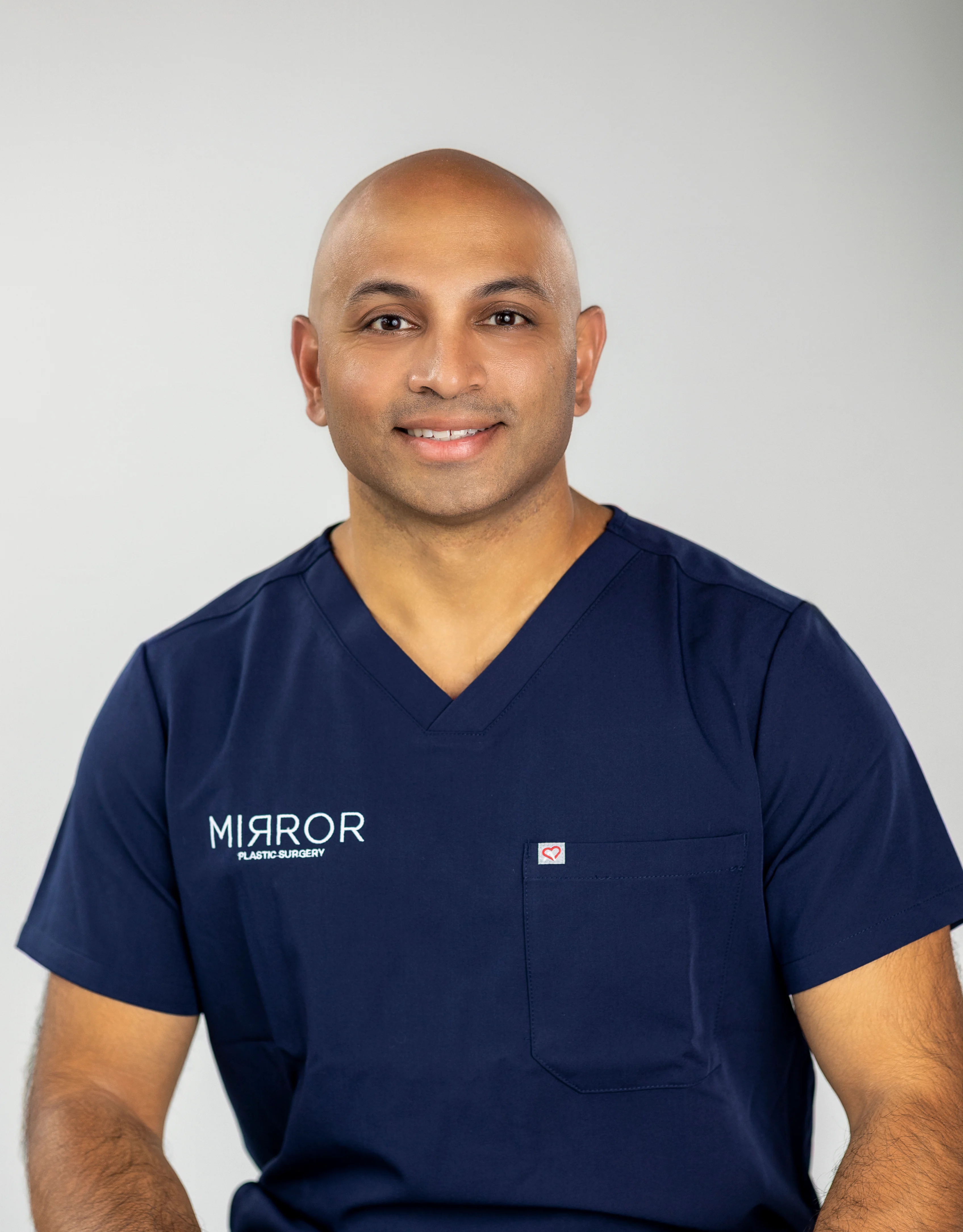
Dr. Akash Chandawarkar personally performs every injection. As a board-certified plastic surgeon who is Harvard-educated, Johns Hopkins-trained, fellowship-trained in aesthetic surgery, and an advisory board member for Merz Aesthetics and Tiger Aesthetics, he brings a surgeon’s command of facial anatomy to every syringe. His safety-first, function-second, aesthetics-third philosophy keeps your well-being at the forefront of every decision.
Consultations at Mirror can run up to an hour. Dr. Akash conducts a top-to-bottom facial assessment, explains the reasoning behind each recommendation, and speaks candidly about what you do and do not need. After your procedure, you have direct access to the team for any concerns. This structure reflects concierge medicine applied to injectable aesthetics.
Mirror Plastic Surgery is located at 780 4th Ave S, St. Petersburg, FL 33701, and welcomes patients from across the Tampa Bay area. Call or text 727-361-6515 or email hello@mirrorplasticsurgery.com with any questions.
Plan your consultation and experience the Mirror approach to lip fillers.
Your Recovery Partner In St. Petersburg
Lip filler recovery unfolds over several weeks rather than in a single moment. Most of what you experience in the first week, including swelling, bruising, and temporary asymmetry, reflects a normal and temporary healing process. By week four, your long-term result is visible.
A confident recovery depends on access to a physician who knows your anatomy, performed your procedure, and remains available when questions arise. That level of support defines the Mirror standard.
Ready to experience the Mirror difference? Schedule your consultation in St. Petersburg today, call or text 727-361-6515, or email hello@mirrorplasticsurgery.com.
Disclaimer: Results may vary from person to person. Editorial content, before and after images, and patient testimonials do not constitute a guarantee of specific results.
1 Results may vary from person to person. Editorial content, before and after images, and patient testimonials do not constitute a guarantee of specific results.


