
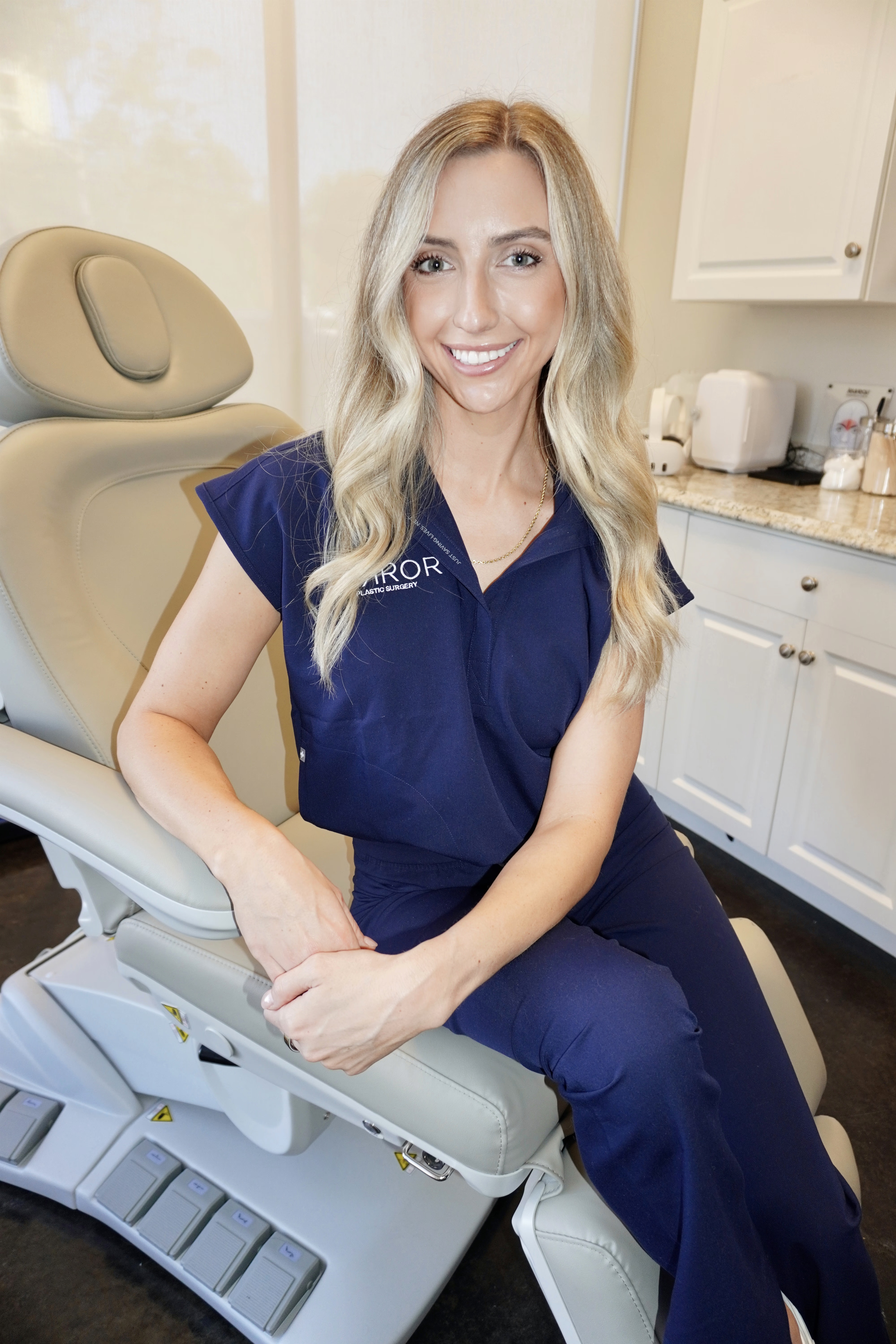
Written by: Ellie Pranckevicius, FNP-BC, Aesthetic Nurse Practitioner & Aesthetic Injector | Facial Restoration & Regenerative Injectable Specialist, Mirror Plastic Surgery
Key Takeaways
-
Neuromodulators like Botox relax muscles to soften dynamic wrinkles, while dermal fillers restore lost volume and smooth static lines.
-
Botox results last 3–5 months and are not reversible, whereas hyaluronic acid fillers last 6–18 months and can be dissolved if needed.1
-
Dynamic wrinkles respond best to neuromodulators, and static wrinkles and volume loss are best addressed with dermal fillers.
-
Combining both treatments in one session is safe for most patients and often produces balanced, natural-looking results.
-
Schedule a personalized consultation at Mirror Plastic Surgery to determine the right injectable plan for your anatomy and goals.
Choosing Botox or Fillers for Wrinkles and Volume Loss
Dynamic wrinkles form from repetitive facial muscle movement and can become noticeable in the mid-20s and 30s. Forehead lines, crow’s feet, and glabellar “11s” fall into this category. Neuromodulators act directly on muscles rather than skin or dermal collagen, so they are the right tool for these concerns.
Static wrinkles emerge later, typically in the late 30s to 50s, as permanent lines visible at rest due to loss of collagen, elastin, and tissue elasticity. Nasolabial folds, marionette lines, and under-eye hollows reflect volume depletion rather than muscle overactivity. Dermal fillers address these concerns by restoring structural support.
Because aging rarely affects only one tissue layer, many patients present with both dynamic and static concerns at the same time. A thorough anatomical assessment clarifies which issue is primary and whether a combination approach makes sense.
Botox vs Filler Results: What to Expect Before and After
Botox results start to appear within several days and continue to settle over two weeks.1 The treated muscles relax gradually, which softens lines without changing facial volume or contour. Results stay subtle by design, with a goal of a rested, natural expression rather than a frozen look.
Dermal filler results appear immediately after injection, although swelling may last up to two weeks and full settling typically takes 2–4 weeks.1 Patients often describe looking refreshed without being able to pinpoint a single obvious change. That reaction often signals a well-planned combination treatment.
Combining both treatments in one session is considered safe for appropriately screened patients. The main side effect is more noticeable bruising and swelling, which usually resolves within several days to one week.
Is 70 Too Old for Botox and Fillers?
While these treatments work well across age groups, older patients often wonder whether they remain good candidates. Age alone is not a disqualifying factor. Patients in their 60s and beyond are advised to focus on maintenance and well-balanced treatments rather than dramatic change, with an emphasis on replenishing and rejuvenating approaches that address lines, temple hollowing, tear troughs, and skin quality.
At 70 and older, the main considerations shift toward skin laxity, bone resorption, and fat compartment redistribution. Neuromodulators still work well for active dynamic lines, although dosing is often adjusted for thinner, less elastic tissue.
Biostimulatory fillers such as Radiesse and Evolysse can work especially well for mature skin because they stimulate collagen production and provide immediate volume. Ellie first restores inherent facial characteristics, then considers augmentation, which matters greatly for this age group because overcorrection carries higher aesthetic risk.
Safety, Side Effects, and Reversibility
Neuromodulators have a low side-effect profile when a qualified provider administers them. Common short-term effects include mild bruising, headache, and localized tenderness. Results are not reversible and require waiting for natural wear-off over 3–5 months.1 Ptosis, or eyelid drooping, is a rare but recognized complication of improper glabellar injection technique.
Dermal fillers offer the advantage of reversibility with hyaluronidase enzyme for hyaluronic acid products, which provides an extra safety layer. Vascular occlusion is the most serious risk associated with any filler injection and highlights the need for provider anatomical expertise and clear emergency protocols.
Mirror Plastic Surgery follows a safety-first philosophy. Ellie evaluates vascular anatomy, skin quality, and prior treatment history before finalizing any injection plan. The practice stays supplier-neutral and selects products based on patient anatomy rather than brand quotas.
How Long Results Last and What That Means for Cost
The FDA has not evaluated the safety or efficacy of neuromodulator dosing more frequently than every three months. Most patients schedule neuromodulator appointments three to four times per year. Dermal filler results last 6–18 months depending on the product and treatment area.1 so filler visits occur less often but usually cost more per session.
Long-term planning matters more than the price of a single visit. Patients who receive anatomically appropriate amounts of the right product need fewer corrections and maintain steadier results over time. Mirror Plastic Surgery does not operate on volume-driven quotas. Treatment recommendations reflect what is clinically indicated, not what maximizes product usage.
How Ellie Decides: Combine, Choose One, or Skip Injectables
The decision framework Ellie uses at Mirror Plastic Surgery follows a clear sequence: safety first, function second, aesthetics third.
-
Neuromodulator only: Appropriate when the main concern is active dynamic wrinkles and facial volume and skin quality remain adequate.
-
Filler only: Appropriate when volume loss or static lines dominate and dynamic wrinkle activity is minimal.
-
Neither: Ellie often advises patients that an expensive service is not yet necessary for them. This transparency builds long-term trust and prevents premature or unnecessary treatment.
When injectables reach the limit of what they can safely achieve, Dr. Akash Chandawarkar offers a complementary surgical pathway for patients whose anatomy calls for structural intervention.
Age-Based Injectable Planning: Gen Z Through Mature Skin
As expression lines start appearing earlier in life, a growing trend of preventive neuromodulator use has emerged among younger patients. Low-dose treatment before lines become etched can slow the progression of static wrinkle formation. This strategy requires careful dose calibration to preserve natural expression.
For patients in their 40s and 50s, who make up Mirror Plastic Surgery’s primary demographic, combination treatment is most common. Volume loss accelerates through these decades, and dynamic lines that were once subtle become more persistent. A top-to-bottom assessment identifies which zones drive the aging appearance and sequences treatment in a logical order.
For patients 60 and older, the focus shifts to replenishing and rejuvenating treatments targeting lines, eye bags, temple hollowing, and tear troughs. Collagen-stimulating options often play a larger role alongside traditional neuromodulators and fillers.
What to Expect in a Top-to-Bottom Consultation
A thorough injectable consultation at Mirror Plastic Surgery can last up to an hour and typically covers:
-
Emotional drivers and long-term aesthetic goals
-
Full facial and anatomical assessment from hairline to décolleté
-
Identification of dynamic versus static concerns by zone
-
Evaluation of skin quality, laxity, and prior treatment history
-
Vascular anatomy review for filler safety planning
-
Product selection rationale based on anatomy, not brand preference
-
Realistic outcome discussion with before-and-after reference points
-
Maintenance timeline and long-term care education
Ellie approaches this process the way a dentist approaches oral health. She explains the physiology behind each recommendation so patients understand not just what is being done, but why. This education-first model helps patients make fully informed decisions without pressure.
Frequently Asked Questions
Can Botox and fillers be done at the same appointment?
Yes. Combining neuromodulators and dermal fillers in a single session is a common and safe approach for appropriately screened patients. The two treatments address different concerns, muscle activity and volume loss, and their effects complement each other. Combined treatment may cause slightly more bruising or swelling than either treatment alone, which usually resolves within one week. At Mirror Plastic Surgery, Ellie maps both treatments together during the consultation so the outcomes interact naturally across the full face.
How do I know if I need Botox, fillers, or both?
The distinction comes down to whether your main concern stems from muscle movement or from volume loss. Lines that appear when you make an expression, such as forehead creases, crow’s feet, and frown lines, respond to neuromodulators. Lines and hollows visible at rest, such as nasolabial folds, under-eye troughs, and flattened cheeks, reflect volume depletion and respond to fillers. Many patients have both types of concerns. A comprehensive anatomical assessment is the only reliable way to determine the right plan for your specific anatomy.
What is the difference between Botox and Dysport?
Both are botulinum toxin type A products that work by blocking acetylcholine release at the neuromuscular junction to relax targeted muscles. The main differences involve molecular size, dilution, and diffusion characteristics. Dysport tends to spread slightly more from the injection point, which can help in larger muscle groups like the forehead but requires precise technique in smaller areas. Both last about 3–5 months. The better choice depends on the treatment area and individual patient factors, which Ellie evaluates during consultation.
Are injectable treatments safe for patients over 65?
Yes, when paired with appropriate assessment. Age alone does not disqualify a patient from injectable treatment. Mature skin needs adjusted dosing, careful product selection, and close attention to vascular anatomy. Biostimulatory fillers that promote collagen production often suit older patients well. The goal at this stage is balanced restoration rather than dramatic change, and Ellie’s philosophy of prioritizing inherent facial characteristics before augmentation aligns with the needs of this age group.
How long do results from Botox and fillers last?
Neuromodulator results usually last 3–5 months, influenced by individual metabolism, muscle strength, and dose. Dermal filler longevity ranges from 6 to 18 months depending on the product used and the treatment area.1 Lips metabolize filler faster than cheeks, for example. Biostimulatory fillers like Radiesse and Evolysse can create longer-lasting structural improvement by stimulating the body’s own collagen. A long-term maintenance plan developed during your consultation helps manage expectations and maintain results over time.
Summary
Botox and dermal fillers are complementary tools that address different aspects of facial aging. Neuromodulators relax the muscles responsible for dynamic wrinkles, and fillers restore the volume and structural support that diminish over time. The right approach, one treatment, the other, or both, depends on a precise anatomical assessment rather than a generic protocol.
Mirror Plastic Surgery’s concierge model, led by Ellie Pranckevicius and supported by Dr. Akash Chandawarkar’s surgical expertise, gives Tampa Bay patients the depth of evaluation and honest guidance that complex injectable decisions require. Safety first, function second, aesthetics third, every time.
Disclaimer: Results may vary from person to person. Editorial content, before and after images, and patient testimonials do not constitute a guarantee of specific results.
1 Results may vary from person to person. Editorial content, before and after images, and patient testimonials do not constitute a guarantee of specific results.