
Written by: Ellie Pranckevicius, FNP-BC, Aesthetic Nurse Practitioner & Aesthetic Injector | Facial Restoration & Regenerative Injectable Specialist, Mirror Plastic Surgery | Last updated: March 13, 2026
Key Takeaways
- Most patients need Botox maintenance every 3 to 4 months, tailored to age, metabolism, muscle strength, and lifestyle.
- Follow strict aftercare: stay upright 4 hours, avoid rubbing, heat, and exercise for 24 to 48 hours, and prioritize hydration and sun protection.
- Zinc and biotin supplements plus consistent treatments can extend Botox longevity, and Florida heat and humidity require extra care.
- Long-term use is safe with no accelerated aging when you stop, and rotating neuromodulators like Dysport or Daxxify supports ongoing results.
- Mirror Plastic Surgery’s concierge approach with expert injector Ellie delivers personalized, natural Botox outcomes, so book a consultation today.
Concierge Botox Care at Mirror Plastic Surgery
Mirror Plastic Surgery follows a concierge medicine model that centers on comprehensive, hour-long, top-to-bottom assessments. Safety comes first, function comes second, and aesthetics come third. This structure contrasts with high-volume clinics that may perform five to ten procedures daily and offer less personalized attention.
Our practice limits the schedule to one or two cases per day. This pace allows focused time on your anatomy, goals, and long-term plan. As a supplier-neutral practice, we offer Botox, Dysport, Xeomin, Daxxify, and Jeuveau. You receive a customized neuromodulator plan instead of a one-size-fits-all product.
Meet Your Injector: Ellie Pranckevicius
Ellie Pranckevicius, FNP-BC, blends advanced nursing expertise with deep aesthetics training. She holds a Bachelor’s in Health Science from Boston University, completed 600 hours of aesthetics training, and earned both Bachelor’s and Master’s degrees in Nursing from the University of South Florida.
Her four years in the Neuroscience ICU at Tampa General Hospital sharpened her clinical judgment and understanding of human physiology. This rare combination of esthetician training and advanced nursing education gives her a detailed grasp of skin physiology and facial anatomy. Ellie specializes in full-face neuromodulator treatments that create natural balance and harmony.
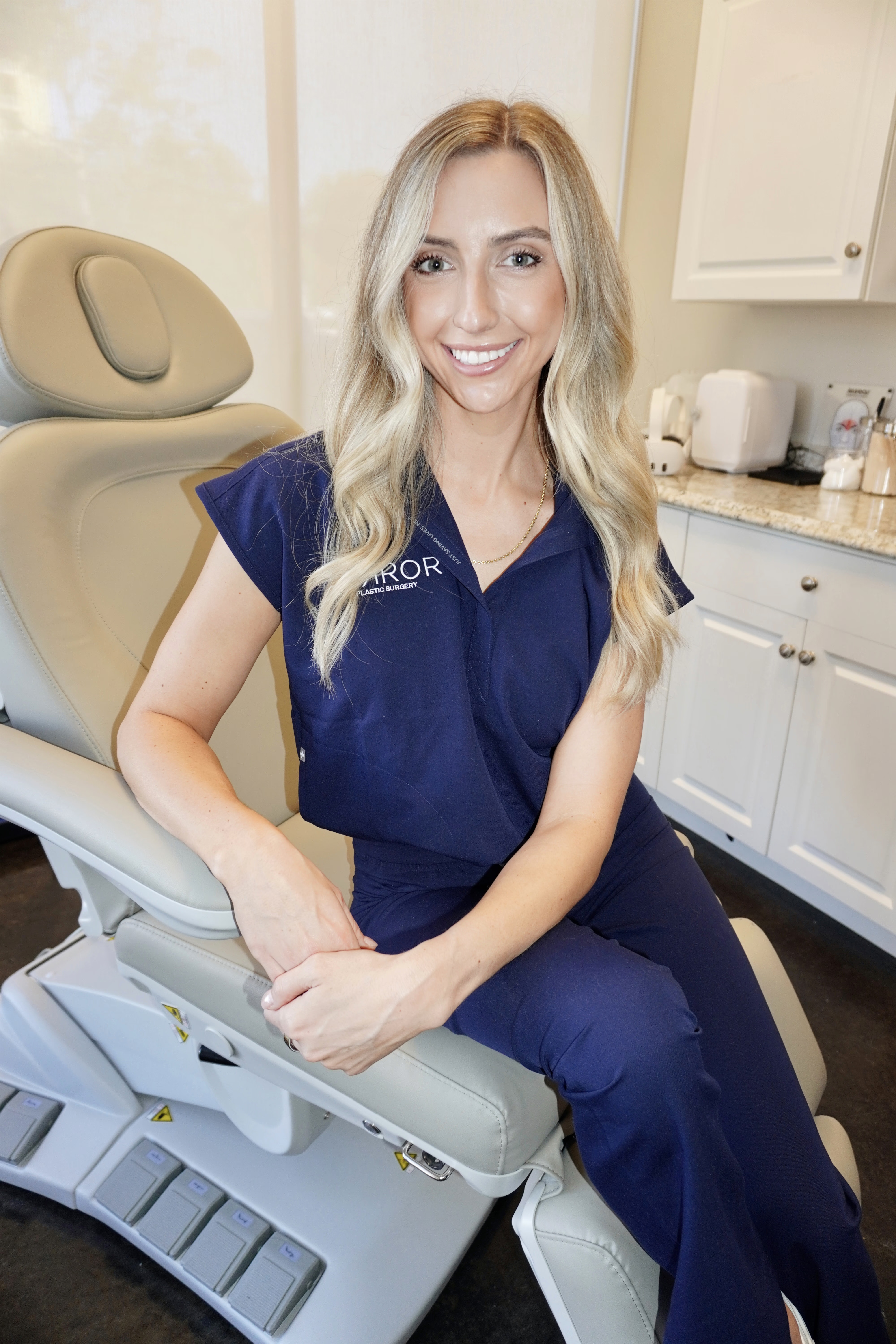
She approaches aesthetics like dentistry. Professional treatments create change, and consistent maintenance preserves those results. Dr. Akash Chandawarkar, a Harvard-educated, Johns Hopkins-trained plastic surgeon with fellowship training at Manhattan Eye Ear & Throat Hospital, complements her work.
Book a consultation with Ellie to experience this personalized approach to Botox maintenance.
Botox Maintenance Frequency: What Most Patients Need
Most patients need Botox maintenance every 3 to 4 months, adjusted for metabolism, dosage, and treatment area. The average treatment lasts three to four months. Duration varies with facial muscle expressiveness, units used, injection placement, metabolism, and whether you are early or advanced in your treatment journey.
Five main factors shape your ideal schedule:
- Age and metabolism: Younger patients usually metabolize Botox faster.
- Muscle strength: Stronger facial muscles often require more frequent treatments.
- Treatment area: Dynamic areas like the forehead and eyes last about 3 to 4 months, while less mobile areas such as the jawline can last 4 to 6 months.
- Lifestyle factors: Exercise intensity, stress levels, and sun exposure influence longevity.
- Prior treatment history: Consistent maintenance can gradually extend how long results last.
Age-specific scheduling guidelines include:
- 20s to 30s: Every 4 to 6 months, since metabolism tends to be faster.
- 40s to 50s: Every 3 to 4 months, which is the most common maintenance window.
- 60+: Every 2 to 3 months, often combined with dermal fillers for structural support.
Sample 12-Month Botox Maintenance Calendar
| Month | Treatment | Areas | Notes |
|---|---|---|---|
| 0 | Initial Treatment | Full face assessment | Establish baseline |
| 3 | First Maintenance | Forehead, crow’s feet | Assess response |
| 6 | Second Maintenance | Touch-up areas | Refine technique |
| 9 | Third Maintenance | Full refresh | Annual review |
Botox Aftercare and Longevity Tips
Thoughtful aftercare helps Botox last longer and work more predictably. Follow these evidence-based steps:
- Avoid rubbing or massaging treated areas for 24 hours to reduce the risk of product migration.
- Stay upright for 4 hours after treatment so the product settles correctly.
- Avoid heat exposure and intense exercise for 24 to 48 hours, including saunas, hot yoga, and strenuous workouts.
- Maintain hydration and daily sun protection to support skin health and collagen.
- Consider zinc and biotin supplements, since metabolism, exercise intensity, sun exposure, and overall health affect how quickly your body processes Botox.
- Florida-specific tip: Use extra sun protection and hydrate more often because of the heat and humidity.
- Myth-busting: You do not age faster after stopping Botox, and three treatments per year remain reasonable when customized.
For forehead treatments, gentle facial movement in the first few hours can help, but avoid exaggerated frowning or forcefully raising your eyebrows.
Full-Face Rejuvenation with Botox and Complementary Treatments
Ellie combines Botox maintenance with complementary treatments to create balanced, full-face rejuvenation. Neuromodulators pair well with dermal fillers such as Juvederm or RHA to restore volume and structure. PRP treatments can further improve skin quality and may support longer-lasting results.
Botox vs Dysport for maintenance: Dysport often works well for larger treatment areas and can show results slightly faster. Botox offers very precise control for detailed work. Both products usually follow similar maintenance timelines.
Long-term use raises understandable questions. Clinical trials and FDA reviews support safety and effectiveness after more than ten years of repeated treatments with no evidence of cumulative harm. Many long-term patients show smoother, younger-looking skin compared with those who never used neuromodulators. Consistent maintenance helps prevent dynamic wrinkles from deepening while still allowing natural expression when performed correctly.
Book a consultation with Ellie to explore a full-face, long-term plan.
Myths, Resistance, and Florida-Specific Concerns
Several myths about Botox maintenance still circulate and can cause confusion.
Aging after stopping Botox: Long-term use does not speed up aging or damage your skin when you stop. Your skin simply returns to its natural aging pattern over time.
Resistance concerns: True resistance remains rare when treatments are spaced correctly and dosages stay appropriate. Rotating neuromodulators, including longer-duration options like Daxxify, can help maintain effectiveness for suitable candidates.
Florida-specific challenges: Heat and humidity can influence skin health and perceived longevity of results. Proper hydration and diligent sun protection become even more important. Unqualified injectors may overlook these environmental factors and create asymmetry or short-lived outcomes.
Successful long-term maintenance depends on working with experienced providers who understand facial anatomy and adjust your plan as your face and lifestyle change.
Frequently Asked Questions
How often should you get Botox in your 50s?
Every 3 to 4 months usually works best for patients in their 50s. Metabolism may slow with age, but muscle strength and expression patterns still guide frequency. Your provider should review your response at each visit and adjust timing as needed. Some patients benefit from slightly more frequent touch-ups in highly expressive areas such as the forehead and crow’s feet.
Is Botox 3 times a year too much?
Receiving Botox three times per year is appropriate when a qualified provider customizes your plan. This schedule matches the typical 3 to 4 month duration of results and helps prevent dynamic wrinkles from fully returning. The key lies in expert dosing, correct placement, and thoughtful spacing.
Do you age faster after stopping Botox?
Current scientific evidence does not show faster aging after stopping Botox. When you discontinue treatment, facial muscles gradually regain normal movement, and dynamic wrinkles reappear over time. Years of consistent Botox use often keep lines from deepening, so many patients still look smoother than they would have without any treatment history.
What supplements help make Botox last longer?
Zinc and biotin may support Botox longevity by promoting healthy muscle and skin function. However, technique, dosing, and aftercare remain the most powerful factors. A balanced diet rich in antioxidants, steady hydration, and sun protection create a strong foundation for lasting results.
What are the essential Botox aftercare steps?
Stay upright for at least 4 hours after treatment. Avoid rubbing or massaging treated areas for 24 hours. Skip heat exposure and intense exercise for 24 to 48 hours. Use gentle, hydrating skincare and daily sunscreen. Schedule a follow-up visit 10 to 14 days after treatment to review your results and fine-tune your plan.
Why Florida Patients Choose Mirror Plastic Surgery
Mirror Plastic Surgery solves the common problem of rushed, surface-level consultations by offering hour-long assessments that explore both your emotional goals and anatomical needs. Ellie’s ICU background supports safe care for complex cases, and her esthetician training helps her deliver natural results that enhance your features instead of masking them.
Our concierge model means you receive honest feedback about when you need treatment and when you do not. This approach builds trust through transparency rather than sales pressure. For Florida patients who value long-term relationships and evidence-based care, Mirror Plastic Surgery offers a refined, patient-centered home for Botox maintenance.
Our supplier-neutral philosophy ensures you receive the neuromodulator that fits your goals. Botox works well for precision, Dysport suits broader coverage, and Daxxify can provide extended duration for appropriate patients.
Planning Your Botox Maintenance Journey
Effective Botox maintenance rests on smart scheduling, consistent aftercare, and a provider who prioritizes your long-term aesthetic health. For most patients, every 3 to 4 months creates a reliable maintenance rhythm. Personalization based on anatomy, lifestyle, and response patterns refines that schedule.
Experience concierge care that keeps your look polished and natural through evidence-based protocols and honest guidance. Book a consultation with Ellie to begin your personalized Botox maintenance plan.
Book a Consultation
Reserve your comprehensive, top-to-bottom assessment with the Mirror Plastic Surgery team. Our concierge approach ensures you receive focused attention and thoughtful, evidence-based care.
Contact Information:
Phone: 727-361-6515
Email: hello@mirrorplasticsurgery.com
Address: 780 4th Ave S, St. Petersburg, FL 33701
Instagram: @mirrorplasticsurgery, @dr.akashplasticsurgery, @perfectlyplastics
Book a consultation with Ellie to experience the Mirror difference in Botox maintenance.
Disclaimer: Results may vary from person to person. Editorial content, before and after images, and patient testimonials do not constitute a guarantee of specific results.