
Written by: Dr. Akash Chandawarkar, Board Certified Plastic Surgeon, Mirror Plastic Surgery | Last updated: September 9, 2026
Key Takeaways About High-Volume BBL Clinics
- High-volume BBL clinics, often called “BBL mills,” schedule five to ten surgeries per day and prioritize speed and profit over individualized care.
- High-volume, budget clinics are linked to most fatal BBL complications, largely due to surgeon fatigue, rushed procedures, and weak safety systems.
- Major risks include fat embolism, delegation to unqualified staff, lack of ultrasound guidance, and accepting poor surgical candidates to keep revenue high.
- Red flags include heavily discounted packages, rushed consultations, non-board-certified surgeons, non-accredited facilities, and schedules with more than three BBLs per surgeon per day.
- Concierge-style practices that cap daily surgeries and follow strict safety protocols offer a safer alternative to high-volume BBL clinics.
What Is A High-Volume Bbl Clinic?
A high-volume BBL clinic, often called a “BBL factory” or “BBL mill,” runs on a business model that values quantity over quality. These practices may schedule five to ten BBL surgeries per day for a single surgeon. The focus stays on throughput and profit instead of tailored, individual care.
Consultations in these settings often feel rushed or get delegated to non-physician staff. The surgeon may move from one operating room to the next with minimal breaks, which increases fatigue.
This model differs from a concierge practice that caps daily surgeries so the surgeon can focus fully on each patient. The Multi-Society Task Force for Safety in Gluteal Fat Grafting, which includes ASPS, The Aesthetic Society, and ISAPS, recommends limiting BBL procedures to a maximum of three per surgeon per day. The group cites surgeon fatigue and distraction as documented risk factors. Florida data shows that most BBL-related deaths occur toward the end of the week, which aligns with the effects of cumulative fatigue in high-volume schedules.
The Specific Risks Of High-Volume Bbl Clinics
High-volume clinics magnify the inherent risks of BBL surgery by building speed into every step of care. The five most significant dangers include:
- Fat Embolism: This feared BBL complication occurs when fat enters the bloodstream and blocks vessels, often traveling to the lungs. High-volume clinics may rush injections, which increases the likelihood of intramuscular placement. The ASPS issued a formal Mortality Advisory in August 2018 stating that BBL mortality was “far greater than any other cosmetic surgery,” with a mortality rate of approximately 1 in 3,000 at that time. A 2023 study by Pazmiño and Garcia that reviewed South Florida medical examiner records found that 92% of 25 fatal pulmonary fat embolism cases occurred at high-volume, corporate-owned budget clinics.
- Surgeon Fatigue: When a surgeon performs multiple lengthy procedures in one day, fatigue weakens judgment, precision, and decision-making. High-volume practices may schedule a single surgeon for five to ten surgeries per day, which can create dangerous fatigue. The Multi-Society Task Force three-per-day cap directly addresses this risk.
- Delegation To Unqualified Staff: Some high-volume clinics delegate critical portions of the procedure, such as liposuction or fat injection, to less experienced practitioners. Florida HB 1471 (effective July 1, 2023) now legally requires the operating surgeon to personally perform both fat extraction and injection. Lawmakers created this rule because delegation contributed to poor outcomes.
- Lack Of Safety Protocols: Some high-volume clinics skip real-time ultrasound guidance, which allows surgeons to see the cannula tip and avoid intravascular placement. Using ultrasound adds 15–30 minutes per case. Volume-driven practices often refuse to spend that time. A 2024 study reported zero deaths across 12,800 BBL procedures where 96% of surgeons injected fat exclusively above the muscle.1 This result shows how strict protocol adherence can save lives.
- Increased Infection Risk: High-volume practices that value speed over individual attention may cut corners on sterile technique and post-operative monitoring. These clinics may also accept patients who are poor surgical candidates, such as active smokers, people with high BMIs, or those with cardiovascular disease, because declining them reduces revenue.
How High-Volume Clinics Cut Corners
High-volume BBL clinics often rely on cost-cutting measures that directly affect patient safety. Common patterns include:
- Shorter Consultation Times: Pressure to schedule quickly, time-limited discounts, and same-day booking pressure all suggest unsafe throughput. These tactics leave little time for a detailed medical history, physical exam, or honest risk discussion.
- Minimal Pre-Operative Assessment: Some clinics skip essential lab work, cardiac evaluation, or anesthesia consultation to move patients through the pipeline faster. This shortcut can leave serious health conditions undiagnosed before surgery.
- Non-Accredited Surgical Facilities: A doctor who lacks access to an accredited facility or operates in an unaccredited suite raises a major red flag. Accreditation by AAAASF, AAAHC, or the Joint Commission confirms emergency protocols, trained staff, and proper monitoring equipment.
- Pressure To Upsell: Some clinics use the consultation to sell extra procedures instead of carefully assessing candidacy and educating patients about risks. This sales focus shifts attention away from safety.
- Inadequate Post-Operative Care: Refusal to discuss complications or revision care, and inability to explain emergency transfer procedures or post-operative monitoring, signal an unsafe BBL practice. Patients may feel abandoned if problems arise.
Red Flags To Spot A High-Volume Bbl Clinic
Before you book any BBL consultation, watch for these warning signs that suggest a high-volume, safety-compromising model:
- They Advertise “Deals,” “Specials,” Or Heavily Discounted Bbl Packages. A very low BBL quote often means corner-cutting in staffing, monitoring, or case volume.
- Consultations Are Rushed Or Performed By Non-Physician Staff. If you do not meet the surgeon personally or have time to ask questions, the practice likely values throughput more than your care.
- The Surgeon Is Not Board-Certified By The American Board Of Plastic Surgery (Abps). Terms like “cosmetic surgeon” or “board-certified by the American Board of Cosmetic Surgery” are not recognized by the American Board of Medical Specialties (ABMS). Only ABPS-certified surgeons have completed a formal plastic surgery residency recognized by ABMS, although other boards such as ABCS may involve similar training without ABMS recognition.
- They Cannot Provide Verifiable Before-And-After Photos Or Patient References. A reputable practice maintains a documented photo gallery and can connect you with willing former patients. Lack of documentation suggests limited experience or poor outcomes.
- They Do Not Discuss Specific Risks Like Fat Embolism. Evasiveness about complications deserves the same attention as any other red flag. Clear risk discussion reflects a safety-first mindset.
- They Schedule More Than Three Surgeries Per Day And You Cannot Meet The Surgeon Personally Before Surgery Day. Surgeons performing ten or more BBLs per day operate in the volume range linked to the South Florida death cluster. Limited access to the surgeon adds further concern.
- The Facility Is Not Accredited By Aaaasf, Aaahc, Or The Joint Commission. Always confirm accreditation independently before you commit to any procedure.
- They Promise “Maximum Volume” Or “Dramatic” Results Without Discussing Anatomical Limits. A surgeon who chases overfilled results for online attention may bring that same poor judgment into the operating room.
Questions To Ask Before Booking A Bbl
A safe, confident surgeon answers these questions directly and without defensiveness. Use them to guide your consultation:
- How Many Bbls Do You Perform Per Day? The Multi-Society Task Force recommends no more than three BBLs per surgeon per day. Higher numbers suggest a volume-driven practice.
- Are You Board-Certified By The American Board Of Plastic Surgery? Board certification is a key safety credential, so verify it directly with the ABPS instead of relying on verbal claims.
- Do You Use Real-Time Ultrasound Guidance During Fat Injection? Florida HB 1471 made ultrasound guidance a legal requirement in 2023, and it now represents the national standard of care.
- What Is Your Complication Rate, And How Do You Handle Emergencies? Surgeons who cannot or will not discuss their complication record raise a serious warning sign. Clear answers show accountability.
- Will You Personally Perform The Entire Procedure? Florida law requires the operating surgeon to perform both liposuction and fat injection. Personal involvement reduces the risk of unqualified delegation.
- Is Your Surgical Facility Accredited? Accreditation by AAAASF, AAAHC, or the Joint Commission confirms that the facility meets safety and emergency standards. Always confirm this status yourself.
- Can I Speak With Past Patients? Verifiable patient references signal a confident, safety-focused practice with a track record they are willing to share.
How To Find A Safe Bbl Provider
A safe BBL practice combines strong credentials with a philosophy that protects your long-term health. Look for:
- Board Certification By The American Board Of Plastic Surgery, which requires an accredited plastic surgery residency and rigorous exams.
- Hospital Privileges or affiliation with accredited surgical facilities that can support emergency care.
- A Documented Commitment To Safety Protocols, including subcutaneous-only fat injection, real-time ultrasound guidance, and cannulas of 4 mm or larger.
- A Practice Philosophy That Puts Safety First, Function Second, And Aesthetics Third. This order keeps your health at the center of every decision.
- A Concierge Approach To Care, with extended consultations, personalized treatment planning, and accessible post-operative support.
Why Mirror Plastic Surgery Is Different
Mirror Plastic Surgery was built on a concierge medicine philosophy that directly counters the high-volume clinic model. Dr. Akash Chandawarkar, a board-certified plastic surgeon with training from Harvard, Johns Hopkins, and fellowship experience at Manhattan Eye Ear & Throat Hospital, personally performs all surgical and injectable procedures. He limits daily surgeries so his full focus stays on each patient before, during, and after their procedure.
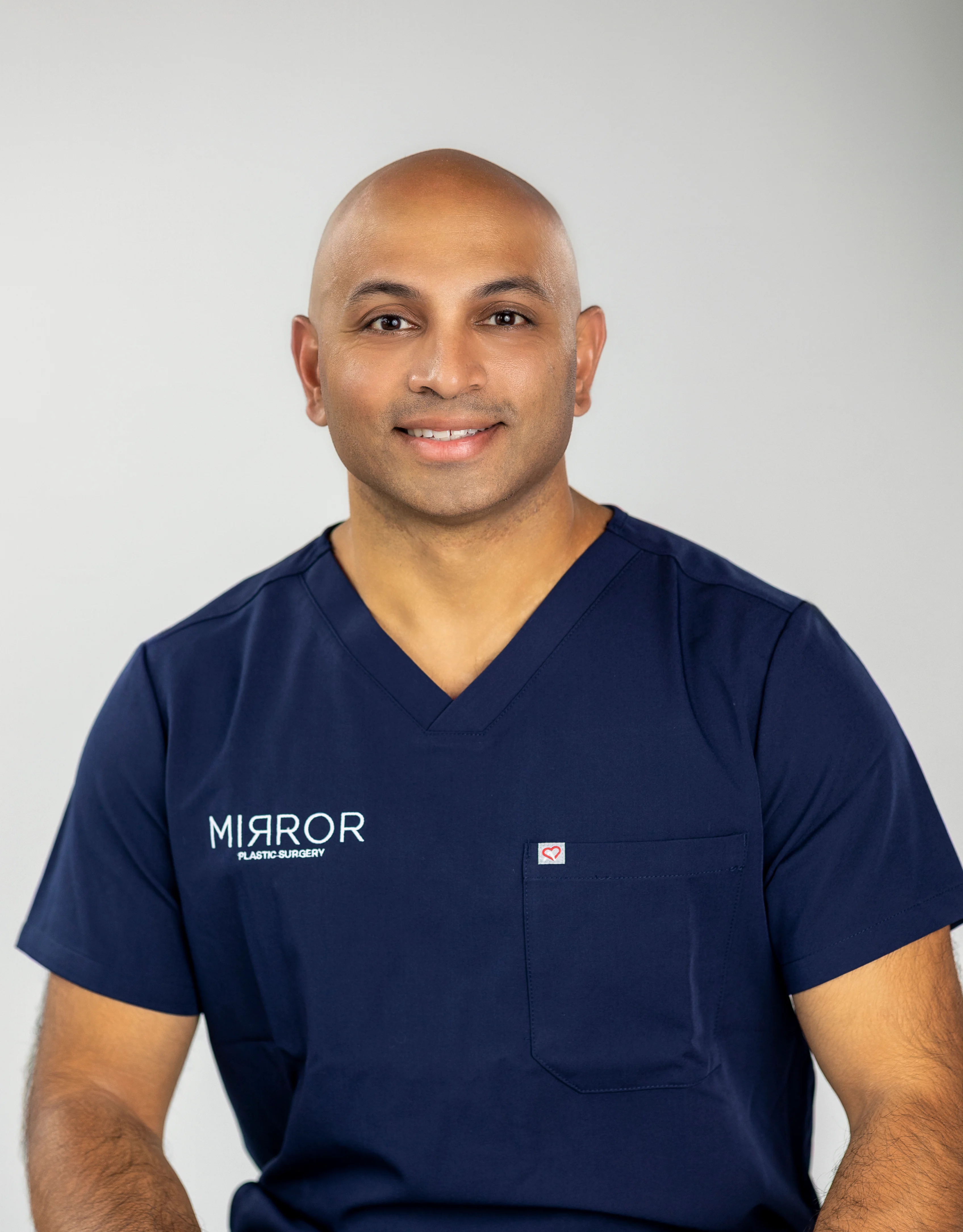
The practice follows a guiding principle of safety first, function second, and aesthetics third. Consultations can last up to an hour, which allows for a thorough assessment of your motivations, medical history, and long-term goals. Dr. Akash provides honest, evidence-based recommendations. He sometimes advises patients to delay or skip a procedure. This transparency builds trust and helps ensure you receive only the care you truly need.
Mirror Plastic Surgery also offers non-surgical BBL options using biostimulatory fillers like Radiesse and AlloClae. Dr. Akash applies these treatments with the same rigorous safety standards he uses in the operating room. Non-surgical BBL options avoid the risks of anesthesia, liposuction, and fat embolism that come with surgical BBL. They provide a meaningful alternative for patients who are not surgical candidates or who prefer a less invasive path.
Frequently Asked Questions
Is Bbl Worth The Risk?
When a board-certified plastic surgeon follows modern safety protocols such as subcutaneous-only injection, real-time ultrasound guidance, and appropriate case volume limits, BBL mortality rates fall to approximately 1 in 14,921 to 1 in 23,818.1 These numbers are now comparable to abdominoplasty.1 Risk rises sharply in high-volume, budget clinics that ignore these standards. Whether BBL makes sense for you depends on your provider’s safety practices, your candidacy, and a thorough consultation that weighs your anatomy and goals.
How Long After Bbl Are You At Risk For Fat Embolism?
Most fat embolism symptoms appear within the first 24–48 hours after surgery. A review of 38 patients with pulmonary fat embolism found that 76% developed symptoms within 24 hours, and all fatalities occurred within five days. Symptoms can include shortness of breath, chest pain, confusion, rapid breathing, dizziness, and bluish discoloration of the lips or fingertips. Any combination of breathing difficulty and confusion after a BBL represents a medical emergency and needs immediate care.
What Is The Death Rate For Bbls?
Historical mortality rates were approximately 1 in 3,000 to 1 in 3,448 procedures based on 2017 ASERF data. With modern subcutaneous-only techniques and ultrasound guidance, mortality has dropped to roughly 1 in 14,921 to 1 in 23,818 among surgeons who follow current guidelines.1 Studies from South Florida show that the vast majority of fatal cases occur in high-volume, budget clinics, which highlights the safety gap between practice models. Board certification matters, and daily case volume plus protocol adherence matter just as much.
Can A Non-Surgical Bbl Be Safer Than Surgical?
Non-surgical BBL using biostimulatory fillers like Radiesse or AlloClae avoids anesthesia, liposuction, and fat embolism risk. Results are more modest and require maintenance, yet this approach offers a meaningfully safer path for patients who want gluteal enhancement without surgery.1 At Mirror Plastic Surgery, Dr. Akash Chandawarkar performs non-surgical BBL procedures himself and applies the same anatomical precision and safety standards that guide his surgical work. Product choice and injector expertise strongly influence safety, so provider selection still matters.
How Do I Know If A Clinic Is A “Bbl Mill”?
Several patterns point to a BBL mill. These include heavily discounted pricing well below the regional average, daily schedules that exceed the three-per-day guideline, rushed consultations with non-physician staff, lack of real-time ultrasound guidance, non-accredited facilities, and refusal to discuss complication rates. A surgeon who performs more than three BBLs per day operates in a higher-risk volume range. Pressure to book quickly, same-day scheduling, and time-limited discounts further suggest that throughput outranks your safety. A proper consultation should include moments where the surgeon advises against a procedure, delays it, or explains why it is not right for you, which reflects medicine working as it should.
Conclusion: Prioritize Safety Over Speed
High-volume BBL clinics create avoidable risks through a business model that places profit ahead of patient care. In these settings, surgeon fatigue, corner-cutting, and weak safety protocols often converge. Choosing a board-certified plastic surgeon who follows a concierge, safety-first model, uses ultrasound guidance, and operates in accredited facilities can bring BBL risk closer to that of other common cosmetic procedures.
Your research remains your strongest protection. Mirror Plastic Surgery in St. Petersburg, FL, was built on the belief that every patient deserves the surgeon’s full attention, honest guidance, and an evidence-based treatment plan. Start your safety-first BBL journey with Ellie and take the first step toward a more informed decision.
Disclaimer: Results may vary from person to person. Editorial content, before and after images, and patient testimonials do not constitute a guarantee of specific results.
1 Results may vary from person to person. Editorial content, before and after images, and patient testimonials do not constitute a guarantee of specific results.