
Written by: Dr. Akash Chandawarkar, Board Certified Plastic Surgeon, Mirror Plastic Surgery | Last updated: September 9, 2026
Kybella Cost Breakdown: Per Vial, Per Session, And Full Treatment
Kybella is usually priced per vial, per session, or as a full treatment plan. Knowing how each layer works helps you compare quotes with confidence.
The ranges below reflect national averages from multiple clinical and provider sources. They serve as general reference points, while your actual cost depends on your anatomy, your provider’s credentials, and your local market.
| Pricing Unit | Typical National Range | Notes |
|---|---|---|
| Per vial (2 mL) | approximately $600–$800, though some sources report ranges up to $600–$1,200 | Most commonly cited range; some markets reach $900–$1,200 |
| Per session | approximately $1,200–$1,800, though some sources report wider ranges such as $1,200–$2,400 | Reflects 2–4 vials per session; national average approximately $1,640 |
| Full treatment plan | $2,400–$7,200 | Based on 2–4 sessions; severe cases requiring 5–6 sessions can exceed this range |
How Vial Usage Affects Your Total Cost
To understand why these price ranges vary, it helps to know what a single vial actually covers. Each vial contains 2 mL of deoxycholic acid. The FDA protocol specifies 0.2 mL per injection site, spaced 1 cm apart across the submental area, so each vial covers about 10 injection points. The number of vials per session depends on the surface area of your submental fat pad, which your anatomy determines.
Every patient at Mirror Plastic Surgery receives a personalized quote after a thorough consultation with Dr. Akash Chandawarkar. Each treatment plan is tailored to the individual, and an accurate cost estimate requires a hands-on anatomical assessment.
Factors That Affect Kybella Cost
The total cost of a Kybella treatment plan depends on several key variables. Knowing these factors helps you set realistic expectations before you meet with a provider.
Volume of submental fat. This factor drives most of the total cost. Mild cases may require 1–2 vials per session over 2 sessions, moderate cases typically need 2–3 vials per session over 3–4 sessions, and severe cases may require 3–4 vials per session over 4–6 sessions. Because each vial is priced individually, fat volume directly affects the number of vials and sessions, which together determine the total investment.
Number of sessions required. The FDA allows up to six Kybella sessions spaced at least one month apart, with most patients reaching their goal in 2–4 sessions. Session count depends on how your tissue responds after each treatment, which providers can estimate but not predict with complete accuracy.
Provider credentials and expertise. Board-certified plastic surgeons and dermatologists typically charge more than nurse practitioners or physician assistants, reflecting differences in training, anatomical knowledge, and overhead. A 2023 study in Dermatologic Surgery found that physicians with fewer than 50 Kybella cases had a complication rate 3.2 times higher than experienced physicians, which highlights the value of paying for experience.
Geographic location. Pricing is substantially higher in major metropolitan areas such as New York, Los Angeles, and Miami compared with smaller markets because of higher overhead and demand. Coastal metros often run about 30% higher than the national average.
What the quoted price includes. Some practices bundle consultation, numbing agents, follow-up visits, and photography into the session fee. Others quote product cost only. Ask whether the quoted price includes consultation, numbing, and follow-up assessments, since some clinics bill separately for these services.
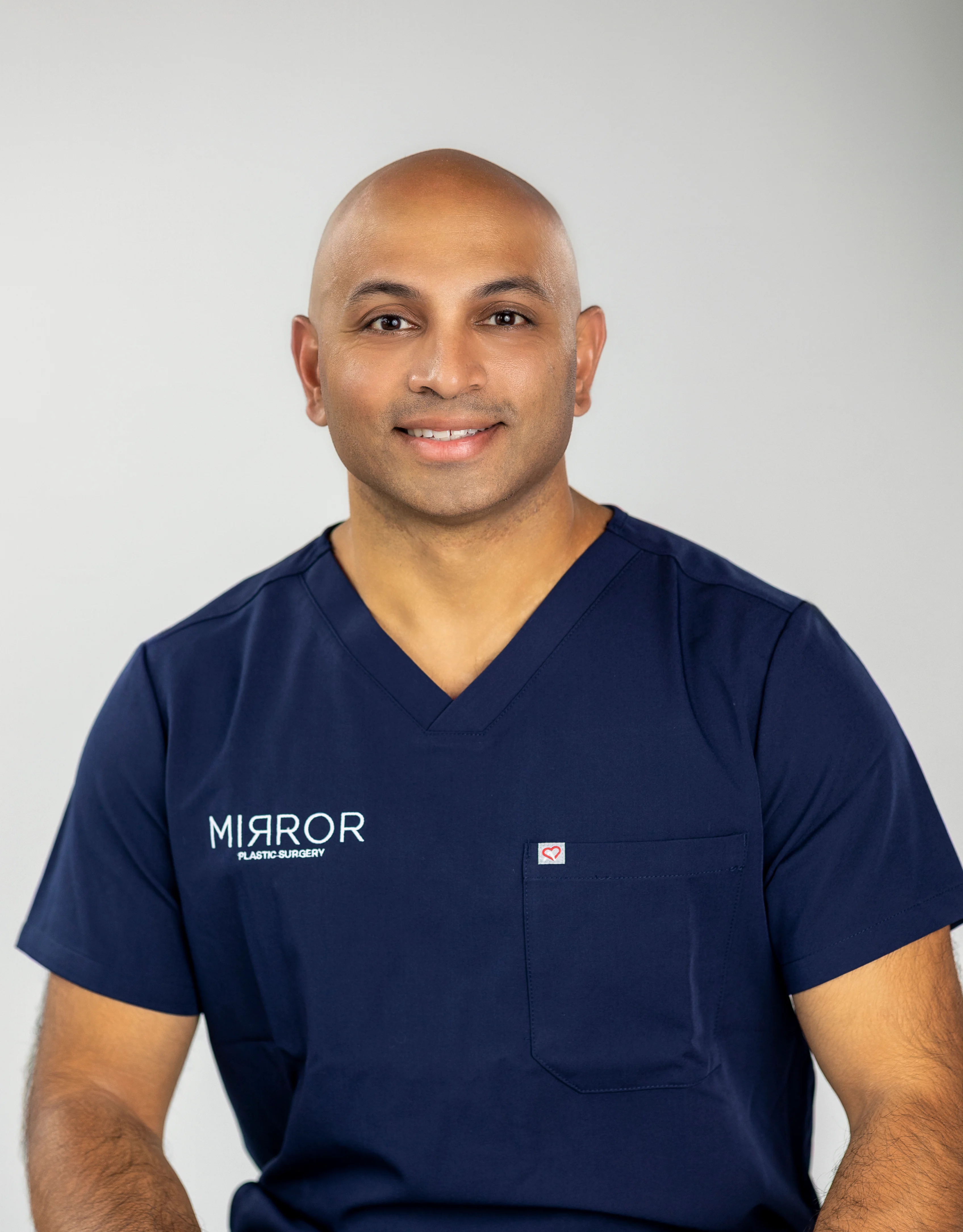
At Mirror Plastic Surgery, Dr. Akash Chandawarkar, a Harvard-educated, Johns Hopkins-trained, board-certified plastic surgeon, personally performs every Kybella treatment. His surgical command of subdermal and facial anatomy guides injection placement with operating-room level precision.
Is Kybella Worth The Money?
Kybella’s value rests on three main pillars: permanence, non-surgical delivery, and matching the right patient to the treatment.
Permanence. A 2021 three-year follow-up of the Kybella REFINE trials found that among patients who responded at 12 weeks, 82.4% still maintained their 1-grade improvement at Year 3, with no new safety problems.1 Destroyed fat cells do not regenerate, so the investment is made once for the treated cells.
Clinical satisfaction. A 2026 Frontiers in Medicine review of a 12-month open-label study of 165 patients treated with up to 6 sessions of deoxycholic acid found that 84.9% of patients were satisfied at 12 months after treatment.1 In the pooled REFINE Phase 3 trials, 79% of Kybella-treated patients reported satisfaction with their chin appearance, compared with 33.8% of placebo-treated patients.1
Candidacy fit. Kybella delivers the strongest value for adults with mild-to-moderate submental fat, good skin elasticity, and a preference for avoiding surgery. Large fat volumes or significant skin laxity respond better to surgical options, which often produce more dramatic results at a similar or lower total cost.
Patient selection plays a major role in satisfaction. Common dissatisfaction drivers include significant swelling after early sessions, needing more sessions than expected, and disappointment when loose skin rather than fat is the main concern. Careful pre-treatment assessment helps prevent these issues.
At Mirror Plastic Surgery, Dr. Akash prioritizes safety and function before aesthetics. If Kybella does not suit a patient’s anatomy, he explains that clearly during the consultation.
Kybella vs. Chin Liposuction: Cost And Results Comparison
For patients who are not ideal Kybella candidates or who prefer a single-procedure solution, chin liposuction is the most common alternative for submental fat reduction. Both options can work well, and the right choice depends on anatomy, fat volume, skin laxity, and comfort with surgery and recovery.
Kybella and chin liposuction are priced in different ways. Kybella represents a multi-session cumulative expense, while liposuction is a single surgical fee. A simple table would oversimplify this difference, so a brief comparison in prose is more helpful.
A realistic full Kybella course is often budgeted at $2,400–$4,800, based on 3–4 sessions with 2 vials per session. Chin liposuction generally ranges from $1,500 to $6,000, with most procedures between $2,500 and $4,000 as a single expense. When patients need more than about 3–4 Kybella sessions, the injectable approach can cost more than surgery.
The procedural differences also matter:
- Invasiveness: Kybella is a non-surgical injectable. Chin liposuction is a surgical procedure performed under local anesthesia.
- Recovery: Kybella often causes significant swelling, sometimes called the “bullfrog” effect, and many patients plan 5–10 days of social downtime per session. Chin liposuction usually involves a compression garment for 1–2 weeks, with swelling and bruising for 2–3 weeks and final results at 6–12 weeks.
- Results timeline: Kybella results typically appear 16–24 weeks from the start of treatment. Liposuction delivers contour change in a single session, with results visible once swelling resolves.
- Skin laxity: Neither Kybella nor liposuction reliably tightens loose skin. Patients with significant laxity may need adjunct treatments or surgery regardless of the fat-reduction method.
As a board-certified plastic surgeon, Dr. Akash evaluates both options and recommends the approach that best matches each patient’s anatomy and goals.
Schedule a consultation to compare your Kybella and chin liposuction options in person.
How To Estimate Your Kybella Cost
A precise quote requires a clinical exam, but a simple framework can help you estimate a reasonable ballpark before your visit.
- Assess your submental fullness. Using a mirror or photos, decide whether your submental fat looks mild (slight softening of the jawline), moderate (visible but not dramatic double chin), or significant (full, pronounced double chin).
- Estimate vials per session. Mild fullness often needs 1–2 vials per session, moderate fullness 2–3 vials, and significant fullness up to 4 vials.
- Estimate number of sessions. Most patients reach their goal in 2–4 treatments, and the FDA allows up to 6 sessions.
- Apply national per-vial pricing. Multiply your estimated vials per session by the number of sessions, then multiply by your provider’s per-vial rate. The national average per-vial cost is about $640, with a range of $492–$1,150.
- Account for additional fees. Ask whether consultation, numbing, and follow-up visits are included or billed separately.
This estimate gives you a starting range. A real Kybella quote includes a session range, a vial estimate per session, and an in-person evaluation of your submental anatomy, skin laxity, and neck structure.
Financing And Payment Options For Kybella
Kybella is a cosmetic procedure and does not receive health insurance coverage. HSA and FSA funds are generally not eligible under standard IRS guidelines, with narrow exceptions for documented medical conditions.
Many practices offer third-party financing to make treatment more manageable. Common options include:
- CareCredit: A healthcare credit card that many aesthetic practices accept, often with promotional 0% interest periods of 6 to 24 months.
- Cherry Financing: A payment platform that lets patients split costs into monthly installments, with instant approval and no hard credit check.
- Allē Payment Plans: Allergan’s financing program offers 0% APR plans with no hard credit check, and each Kybella visit earns Allē Rewards points for future Allergan treatments.
- Multi-session package pricing: Many reputable clinics offer package discounts, such as 15–20% off when patients prepay for a multi-session plan.
During your consultation at Mirror Plastic Surgery, you can review available payment and financing options with the team.
Kybella Results And Longevity: What You’re Paying For
The main value of Kybella lies in its permanent fat reduction. Mature fat cells are post-mitotic and do not regenerate after destruction by deoxycholic acid, so the reduction in treated cells is lasting.1 Patients invest in a structural change to the submental fat pad rather than a treatment that needs yearly repetition.
Each session can involve up to 50 subcutaneous injections placed in a precise grid across the submental fat pad. Common side effects in the pooled REFINE trial data included swelling (87%), bruising (72%), pain (70%), and numbness (66%). These effects reflect the treatment mechanism and usually improve as swelling peaks at 2–3 days and resolves over 1–2 weeks.
A single Kybella session typically destroys 25–40% of the fat cells it reaches, and multiple sessions stack to reach the 60–80% or greater reduction many patients want.1 Full results usually appear 16–24 weeks after starting treatment.
Significant weight gain, often 10 pounds or more, can enlarge remaining fat cells in the treated area and partially reverse the cosmetic effect.1 Maintaining a stable weight helps preserve results long term.
At Mirror Plastic Surgery, Dr. Akash personally performs every Kybella injection. His background as a plastic surgeon means the injection grid is mapped to each patient’s specific subdermal anatomy, including the marginal mandibular nerve, the platysma, and the fat pad distribution. This approach differs from a standard template and reflects the level of precision found in a surgical practice.
Common Misconceptions About Kybella
Several myths about Kybella can cause patients to overestimate or underestimate what the treatment can do. Clear information helps set realistic expectations.
“One session is enough.” In the pivotal clinical trials that led to FDA approval, patients averaged about four sessions. Most people need 2–4 sessions to reach their goal, and a single session usually delivers only partial improvement.
“Kybella is a weight-loss treatment.” Kybella targets a localized fat pocket under the chin. It does not act as a systemic weight-loss treatment and does not affect fat in other body areas. Ideal candidates are at or near a stable, healthy weight.
“Results are immediate.” Most patients start noticing visible change after their second session, around 8–12 weeks into treatment, with full results 3–6 months after completing the series. The body needs time to process the treated fat.
“Kybella is painless.” Discomfort is manageable and temporary: numbing agents are usually applied beforehand, the burning or stinging during injection resolves within minutes, and any post-treatment swelling or tenderness typically improves over several days.
“Kybella tightens loose skin.” Kybella does not significantly tighten skin, and any mild secondary tightening from inflammation is small and unreliable. Patients with notable skin laxity often need additional treatments or surgery.
“The cheapest quote is the best deal.” Unusually low Kybella prices may signal diluted product, undertrained staff, or limited follow-up care. The total number of sessions required to reach your goal often matters more than the per-session price.
Frequently Asked Questions
How Long Do Kybella Results Last?
Kybella results last permanently for the fat cells that are destroyed. Deoxycholic acid causes irreversible damage to fat cell membranes, and mature fat cells do not regenerate. A three-year follow-up of the REFINE clinical trials showed that most patients who responded to treatment maintained their improvement without retreatment. Weight stability remains crucial, because significant weight gain can enlarge remaining fat cells in the area and soften the cosmetic result.
How Many Kybella Treatments Are Needed?
The number of treatments depends on submental fat volume, vials used per session, and how your tissue responds. As noted earlier, most patients need about 2–4 sessions spaced 4–6 weeks apart, and the FDA allows up to 6 sessions. Mild, focal fullness may respond in 2 sessions, while more substantial fat often requires 3–4. A detailed anatomical assessment before treatment provides the most reliable estimate of session count and total cost.
Is Kybella Covered By Insurance?
Kybella is a cosmetic treatment and does not receive coverage from standard health insurance plans. All costs, including product, provider fees, numbing agents, and follow-up visits, are paid out of pocket. HSA and FSA funds are usually not eligible under IRS rules, except in rare cases of documented medical necessity. Many practices offer financing options such as CareCredit, Cherry, and Allergan’s Allē Payment Plans to spread costs over monthly payments.
What Are The Side Effects Of Kybella?
The most common side effects include swelling, bruising, pain, and numbness at the injection sites. These effects reflect the treatment mechanism rather than complications. Swelling occurs in about 87% of patients in clinical trials, usually peaks 2–3 days after treatment, and resolves over 1–2 weeks. This swelling, sometimes called the “bullfrog” effect, often requires 5–7 days of social downtime per session. A less common but more serious risk is temporary injury to the marginal mandibular nerve, which occurred in about 4% of trial patients and caused temporary smile asymmetry. In reported cases, this resolved on its own, and the risk decreases significantly when an experienced, anatomically trained provider performs the injections.
Can Kybella Be Used On Areas Other Than The Chin?
Kybella holds FDA approval only for submental fat under the chin. Some experienced injectors use it off label for areas such as the jowls, bra fat, or axillary fat, but these uses lack the Phase 3 clinical trial support available for the submental area. The safety and effectiveness data for off-label sites remain limited, and the anatomy can be more complex. A 2026 Frontiers in Medicine review noted that off-label use on the face, neck, or body relies on thinner evidence and carries higher risk. Any discussion of off-label Kybella should take place with a provider who understands the relevant anatomy and can assess whether the treatment suits that specific area.
Conclusion: Your Next Step To A More Defined Profile
Kybella cost varies with anatomy, treatment plan, provider expertise, and geographic market. National averages offer a helpful reference, but they cannot replace a clinical assessment of your submental anatomy, skin quality, and goals.
For adults with mild-to-moderate submental fat, good skin elasticity, and a preference for non-surgical care, Kybella can provide a permanent, clinically supported result. Patients with larger fat volumes or significant laxity often achieve better outcomes with chin liposuction or a combined approach at a similar or lower total cost.
The most reliable way to choose your path is a thorough consultation with a qualified provider. At Mirror Plastic Surgery, that means up to an hour with Dr. Akash Chandawarkar, a board-certified plastic surgeon with fellowship training in aesthetic surgery at Manhattan Eye Ear & Throat Hospital, who will assess your anatomy, explain your options clearly, and design a plan grounded in safety and long-term results.
Mirror Plastic Surgery is located at 780 4th Ave S, St. Petersburg, FL 33701. You can reach the practice by phone or text at 727-361-6515, or by email at hello@mirrorplasticsurgery.com.
Schedule your consultation with Ellie and take the first step toward a more defined profile.
Disclaimer: Results may vary from person to person. Editorial content, before and after images, and patient testimonials do not constitute a guarantee of specific results.
1 Results may vary from person to person. Editorial content, before and after images, and patient testimonials do not constitute a guarantee of specific results.