
Written by: Dr. Akash Chandawarkar, Board Certified Plastic Surgeon, Mirror Plastic Surgery | Last updated: September 9, 2026
Key Takeaways
- Peptide therapy uses short amino acid chains as biological messengers to support metabolism, inflammation control, collagen production, and overall wellness when prescribed thoughtfully.
- Common peptides like GHK-Cu, BPC-157, TB-500, GLP-1 agonists, and Sermorelin are often combined in personalized protocols based on lab results and individual health goals.
- Benefits can include improved energy, weight management, faster recovery, and better skin elasticity, with risks reduced through physician oversight and quality sourcing.1
- Choosing a safe clinic requires board-certified physician leadership, comprehensive lab work, third-party tested peptides, and ongoing monitoring, which separates legitimate programs from unregulated vendors.
- Patients seeking physician-led peptide therapy in the St. Petersburg and Tampa Bay area can schedule a consultation at Mirror Plastic Surgery to receive a personalized, lab-guided treatment plan.
What Peptide Therapy Means for Your Health
Peptides are short chains of amino acids, the same building blocks that make up proteins. In the body, they act as signaling molecules that tell cells to repair, regenerate, and fine-tune specific functions. Peptide therapy is a medical treatment that uses targeted amino acid chains to signal the body to support metabolism, manage inflammation, and promote collagen production.
Peptides are not magic solutions. They are biological messengers that work with your body’s existing systems. When a physician prescribes them based on your labs, health history, and goals, they can support meaningful improvements in how you feel and function.1 When sourced carelessly or used without medical oversight, they carry real and avoidable risks.
Common Peptides Used in Medical Wellness Programs
A reputable clinic builds custom “stacks,” or combinations of peptides, around your specific labs, medical history, and goals. The following peptides are among the most commonly prescribed in medically supervised wellness programs:
- GHK-Cu (Copper Peptide): Stimulates collagen and elastin production for skin, hair, and nail health, and supports wound healing and reduced systemic inflammation.1 A 2026 review in the International Journal of Molecular Sciences describes GHK-Cu as the “gold standard” of anti-aging peptides, capable of regulating the expression of up to 30% of human genes and reversing the aging phenotype of cells.
- BPC-157 (Body Protective Compound 157): Supports gut health and tendon, ligament, and joint repair, and may reduce systemic inflammation. It is used compassionately in sports medicine but has not yet been approved by regulatory agencies, and human clinical evidence remains limited.
- TB-500 (Thymosin Beta-4): Promotes soft tissue healing and may reduce inflammation after injury or surgery.
- GLP-1 and GLP-3R: Support weight management and metabolic health by regulating appetite and insulin sensitivity. In the STEP trial, semaglutide 2.4 mg weekly was associated with a mean weight loss of approximately 15%, reaching up to 17% at 68 weeks.1
- NAD+ (Nicotinamide Adenine Dinucleotide): Supports cellular energy production and healthy aging at the mitochondrial level.
- Sermorelin/Ipamorelin: Stimulate natural growth hormone release for muscle retention, recovery, and fitness goals. Ipamorelin is notably selective, raising growth hormone without elevating cortisol.
- Selank: A nootropic peptide that may help manage anxiety and depression with a different dependency profile than many traditional pharmaceuticals.
- PT-141 (Bremelanotide): Addresses sexual arousal and libido concerns.
- KPV: Targets inflammation within the gut microbiome, with potential applications for inflammatory bowel conditions.
- Kisspeptin: A fertility peptide that shows promise in IVF trials for improving positive outcomes.
Benefits and Risks of Peptide Therapy
Medically supervised peptide therapy can support a wide range of health goals. Patients often report improved energy, weight loss, reduced inflammation, better skin elasticity, faster recovery from injury or surgery, and support for autoimmune conditions.1 GHK-Cu plasma levels fall by over 60% between age 20 and 60, tracking closely with declines in skin elasticity and wound repair, which makes copper peptide supplementation a physiologically rational intervention. A split-face study of 67 participants found that a GHK-Cu eye cream reduced periorbital wrinkle depth by 35% over 12 weeks, with greater collagen density confirmed on ultrasound.1
Risks from peptide therapy depend heavily on how peptides are obtained and administered. Under physician supervision, side effects are generally mild, such as injection site reactions, occasional nausea, or transient fatigue. The far greater danger lies in the unregulated market. The FDA documented patients self-administering 5–20 times the intended dose of compounded semaglutide due to vial-and-syringe confusion. This pattern led to more than 1,150 adverse-event reports and 17 deaths by mid-2025. A qualified physician reduces these risks through proper screening, lab testing, appropriate dosing, and ongoing monitoring.
How to Choose a Wellness Clinic for Peptide Therapy
Safe peptide therapy starts with the right clinic. When you evaluate a provider, these criteria help you separate genuinely safe, effective programs from those that cut corners:
- Physician Involvement: A board-certified physician should lead the program. At Mirror Plastic Surgery, Dr. Akash Chandawarkar, a Harvard Medical School graduate, Johns Hopkins-trained plastic surgeon, MIT-educated neuroscientist, and Stanford Biodesign Innovation Fellow, personally oversees every protocol. His depth of clinical and physiological training supports protocols that are both effective and safe.
- Personalized Assessment: The clinic should require comprehensive lab work and a thorough consultation before prescribing anything. Mirror Plastic Surgery conducts 30–60 minute consultations and reviews thyroid, liver, kidney, diabetes markers, and hormone panels before recommending any peptide.
- Quality Sourcing: Pharmacy quality standards, including third-party potency and sterility testing on every batch, environmental monitoring, and validated cold-chain shipping, determine whether a preparation is reliable. Mirror Plastic Surgery sources peptides from reputable providers that follow rigorous batch testing.
- Ongoing Support: Peptide therapy works best as a guided process, not a one-time transaction. Mirror Plastic Surgery offers 24/7 direct text access to Dr. Chandawarkar for questions, refills, and support throughout treatment.
- Red Flags to Avoid: Avoid clinics that skip essential safety steps. This includes clinics that do not require labs, sell peptides without a consultation, rely on vague one-size-fits-all protocols, or cannot answer questions about their sourcing. Each of these shortcuts raises the chance of receiving an inappropriate or unsafe product.
What to Expect at a Peptide Therapy Consultation
At Mirror Plastic Surgery, your visit begins with a comprehensive consultation with Dr. Chandawarkar. He reviews your full medical history, current medications, and specific health goals. If lab work is not already available, he orders it, including thyroid function, liver and kidney markers, diabetes indicators, and hormone panels. He then designs a fully customized peptide protocol around your physiology rather than a generic template.
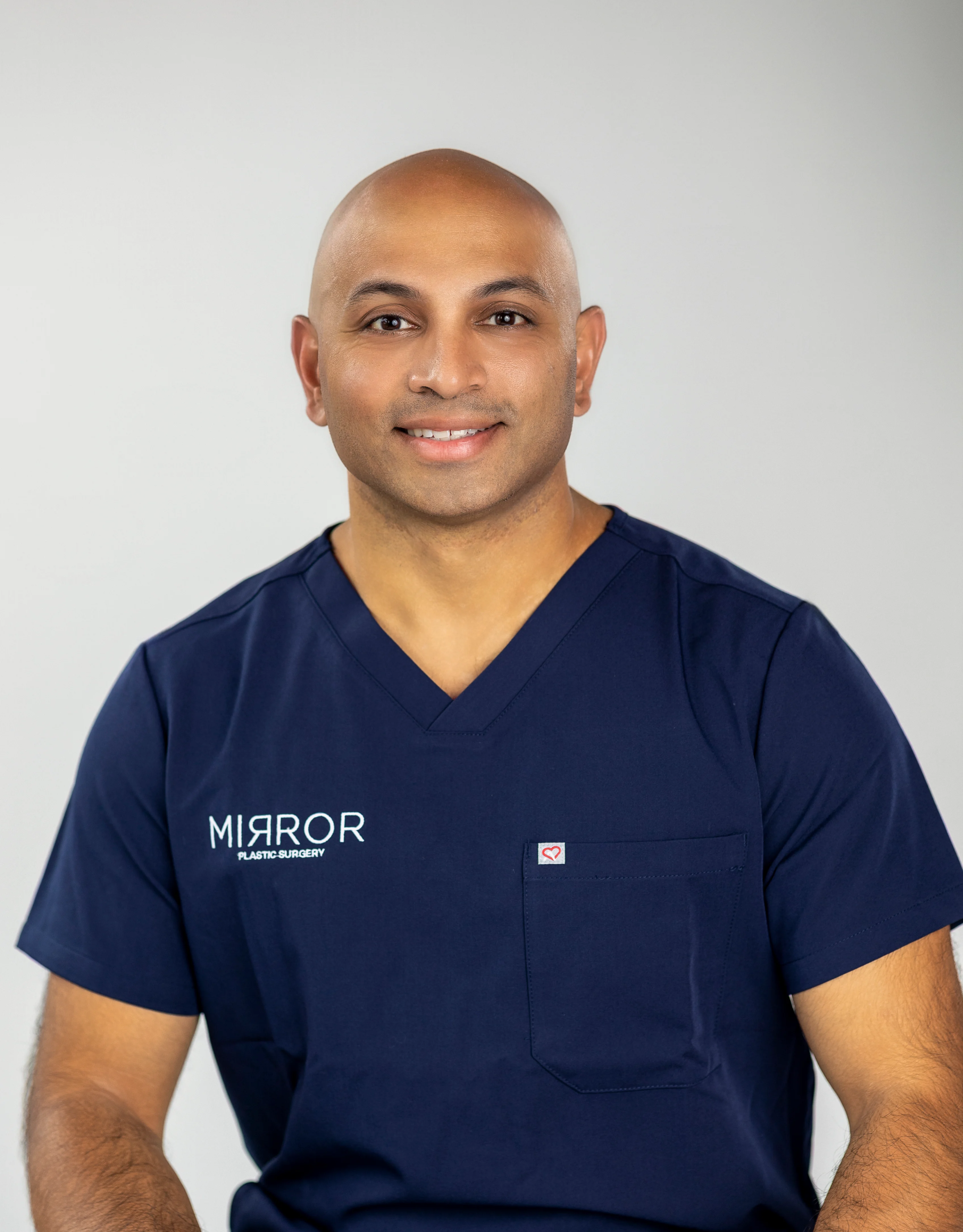
Patients receive clear instructions for self-administration, often with video demonstrations, and have direct access to Dr. Chandawarkar throughout treatment. The entire process, from consultation to prescription and shipping, can be completed in person at Mirror Plastic Surgery’s St. Petersburg location or remotely via telehealth across the United States, including Hawaii and Alaska.
Once you understand what a consultation involves, cost and value naturally become the next topics to consider.
How Peptide Therapy Pricing Works
Peptide therapy is typically not covered by insurance, because most peptides are not FDA-approved drug products. Costs vary widely based on the specific peptides, dosages, lab requirements, and the level of medical supervision included. HSA and FSA accounts may cover expenses when a licensed physician prescribes treatment for a legitimate medical condition.
At Mirror Plastic Surgery, every patient receives a personalized quote after consultation, because each protocol is tailored to individual labs and health goals. What remains consistent is the value: medical supervision, quality-sourced peptides, comprehensive lab monitoring, and 24/7 physician access. This structure creates a very different investment than purchasing unregulated products online, where the greatest financial risk comes from receiving material that may be underdosed, degraded, non-sterile, or not the labeled compound.
Frequently Asked Questions About Peptide Therapy
Are Peptides FDA-Approved?
Most peptides used in wellness and anti-aging medicine are not FDA-approved as drug products. Many, however, have decades of clinical use and published research that support their mechanisms and safety profiles. The FDA has established a compounding framework (503A/503B) that allows licensed physicians to prescribe peptides like BPC-157 and GHK-Cu from qualified compounding pharmacies. The key factor is whether you receive peptides through a licensed physician and a quality compounding pharmacy rather than an unregulated online source. At Mirror Plastic Surgery, every peptide is sourced from reputable providers with rigorous batch testing, and every protocol is prescribed and supervised by Dr. Chandawarkar.
Can I Buy Peptides Online Without a Prescription?
Some websites sell peptides as “research chemicals,” but this route carries serious risks. These products may be mislabeled, contaminated, under-dosed, or contain entirely different compounds than claimed. As noted earlier, gray-market peptides often fail quality testing. Beyond product quality, self-administering peptides without a physician’s review of your labs and medical history means no one is assessing whether a given peptide fits your physiology, identifying contraindications, or monitoring your response. Medical supervision is essential for both safety and effectiveness.
How Long Before I See Results from Peptide Therapy?
Results vary by peptide, condition, and individual response. Some patients notice improvements in energy or inflammation within the first week of treatment. Others may need 8–12 weeks to see measurable changes in skin quality, weight, or recovery.1 For example, clinical studies of topical GHK-Cu have shown measurable wrinkle reduction by week 8 of twice-daily application.1 Your physician should set realistic, individualized expectations based on your specific protocol and goals.
What Happens If I Stop Taking Peptides?
Effects usually fade over time after you stop treatment, similar to discontinuing any health regimen. If peptides were helping manage systemic inflammation, that inflammation may return once therapy ends. If a GLP-1 peptide was supporting weight management, appetite regulation may shift back toward baseline. Many patients use maintenance protocols at lower doses to sustain benefits after an initial treatment cycle. Dr. Chandawarkar discusses long-term strategy during consultation so you understand what ongoing care may look like before you begin.
Are Peptides Safe for Women?
Peptides can be safe for women when a physician prescribes them after reviewing labs, medical history, and potential contraindications. Certain peptides are not recommended during pregnancy or breastfeeding. GLP-1 class peptides, for example, should be stopped before conception. Women with specific thyroid conditions, cardiovascular concerns, or autoimmune diagnoses need individualized screening before starting any protocol. This level of evaluation forms the foundation of every peptide program at Mirror Plastic Surgery.
Your Next Step Toward Safe, Effective Peptide Therapy
Peptide therapy offers real promise for weight management, inflammation control, recovery, and healthy aging when it is medically supervised, personalized to your labs and physiology, and sourced from quality providers. The unregulated online market and high-volume clinics that skip proper screening introduce unnecessary risk.
Mirror Plastic Surgery, led by Dr. Akash Chandawarkar, provides concierge-level, physician-led peptide therapy that focuses on both safety and results. Serving the St. Petersburg and Tampa Bay area, and patients across the United States via telehealth, Mirror Plastic Surgery combines Harvard-trained clinical expertise, comprehensive lab analysis, custom peptide protocols, and 24/7 physician access in a program built around your unique health profile.
Disclaimer: Peptide therapies are not FDA-regulated. Results vary by individual. Always consult a qualified physician before beginning any peptide therapy program.
1 Results may vary from person to person. Editorial content, before and after images, and patient testimonials do not constitute a guarantee of specific results.
Peptide therapy is intended for wellness and optimization purposes and is not prescribed to diagnose, treat, cure, or prevent disease unless specifically stated. Many peptides are not FDA-approved and may be used off-label. Some have limited long-term safety data, with a potential for unknown risks, complications, or desensitization with prolonged use.