
Written by: Dr. Akash Chandawarkar, Board Certified Plastic Surgeon, Mirror Plastic Surgery | Last updated: September 9, 2026
Key Takeaways
- NAD+ is a coenzyme. The “NAD peptide” label reflects marketing language, not biochemical reality.
- NAD+ supports cellular energy, DNA repair, and sirtuin activity, yet human evidence for IV or injection therapy remains preliminary.
- IV infusions, injections, and oral precursors (NMN/NR) all raise NAD+ levels, but each route differs in cost, convenience, and side effects.
- Medical supervision with baseline labs and quality sourcing helps prevent contraindications and exposure to contaminated products.
- Medical supervision is essential to ensure safe and effective NAD+ therapy.
What “NAD Peptide” Really Means
“NAD peptide” is a marketing term, not a scientific one. NAD+ (nicotinamide adenine dinucleotide) is a coenzyme, a dinucleotide composed of two nucleotides joined by phosphate groups, while a peptide is a short chain of amino acids linked by peptide bonds. Many wellness clinics group NAD+ with true peptides under a single “peptide therapy” category, which blurs this distinction for patients.
How NAD+ Differs From Peptides
NAD+ is a coenzyme present in every cell. It is central to roughly 400 redox reactions in pathways such as glycolysis, the citric acid cycle, and fatty acid oxidation. Beyond redox reactions, NAD+ serves as a substrate for sirtuins, PARPs, and CD38, which influence longevity pathways, DNA repair, and cellular signaling.
The “peptide” label persists because compounding pharmacies package NAD+ in similar vials and syringes as genuine peptides like BPC-157 and sermorelin. Clinic menus often group these together as “peptide therapy.” That grouping reflects how products are sold, not how they are built at the molecular level.
NAD+ is a dinucleotide composed of nicotinamide mononucleotide joined to adenosine monophosphate through a pyrophosphate bridge, with molecular formula C21H27N7O14P2 and molecular weight 663.4 g/mol. It contains no amino acid residues and no peptide bonds. Peptides, by definition, are chains of amino acids linked by peptide bonds. NAD+ belongs in a different category.
A 2026 narrative review in Frontiers in Aging describes NAD+ as a major coenzyme involved in cellular metabolism, mitochondrial function, DNA repair, and stress-response signaling. This reinforces the coenzyme distinction.
How NAD+ Works In The Body
NAD+ supports energy production and cell signaling. First, it functions as a redox cofactor, cycling between its oxidized form (NAD+) and its reduced form (NADH). This cycle carries electrons through glycolysis and the citric acid cycle to the mitochondrial electron transport chain, where ATP is generated. In healthy cells, about 90% of the NAD pool remains in the oxidized NAD+ form, maintained largely by the electron transport chain.
NAD+ also acts as a consumable substrate. Sirtuin enzymes require NAD+ as a co-substrate for their catalytic activity. During deacetylation, NAD+ is cleaved, which links sirtuin activity directly to NAD+ availability. PARPs use NAD+ to add poly-ADP-ribose chains at sites of DNA damage. CD38 degrades NAD+ as part of calcium signaling.
NAD+ does not enter cells intact when swallowed or injected. After infusion, NAD+ is hydrolyzed to NMN, which CD73 cleaves to NR. Cells take up NR and rebuild NAD+ internally. This pathway explains why most human supplementation research focuses on precursors such as NMN and NR.
Age-related NAD+ decline appears more complex than once believed. Recent large-scale human data show that whole-blood NAD+ concentrations do not always fall with healthy aging. Personalized assessment with baseline labs helps determine who may benefit from support.
Potential Benefits Of NAD+ Therapy
NAD+ therapy targets several biologic pathways, and research is active. Current evidence suggests potential benefits, but findings remain mixed.
- Cellular Energy Production: NAD+ supports mitochondrial ATP generation through its role as a redox cofactor in glycolysis and oxidative phosphorylation.
- DNA Repair: NAD+ fuels PARP enzymes that respond to DNA strand breaks. This activity relates to genomic stability and aging biology.
- Longevity Pathways: NAD+ activates sirtuins, which regulate transcription programs that influence metabolism, inflammation, and longevity signaling.
- Metabolic Support: A 2021 randomized placebo-controlled trial found that NMN at 250 mg/day for 10 weeks improved muscle insulin sensitivity in postmenopausal women with overweight and prediabetes.1
- Cognitive Function: Early research explores NAD+ precursors for neurodegenerative conditions. A 2024 randomized placebo-controlled trial showed that nicotinamide riboside increased blood NAD+ metabolites in older adults with mild cognitive impairment but did not clearly improve cognition.
The overall evidence base remains nuanced. A 2026 PRISMA-guided systematic review of 113 studies, including 33 human trials and 80 rodent studies, found that oral NR and NMN consistently increased circulating NAD-related metabolites and were well tolerated. Clinical effects on functional, metabolic, vascular, and other healthspan outcomes were heterogeneous and often endpoint-specific or null. The same review identified no eligible clinical trials of intravenous or intramuscular NAD+ for anti-aging or wellness outcomes. A 2026 Frontiers in Aging review reached a similar conclusion and described current IV NAD+ evidence as preliminary and insufficient for routine use.
These findings support a personalized, physician-guided approach rather than a one-size-fits-all protocol.
How NAD+ Is Given: IV, Injections, And Oral Precursors
IV Infusion delivers NAD+ directly into the bloodstream with high bioavailability. Sessions typically last two to six hours in a clinic. This route carries higher cost and a greater chance of acute side effects such as nausea, flushing, and chest tightness, especially when the infusion runs quickly. Clinicians often slow the drip to ease symptoms, which extends visit time.
Subcutaneous Or Intramuscular Injections offer more convenience and lower cost than IV infusions. Patients can self-inject after proper training. Slower absorption tends to reduce side-effect intensity. Mirror Plastic Surgery provides NAD+ injections within personalized protocols, with remote service across the United States, including Hawaii and Alaska, and medications shipped directly to patients.
Oral Precursors (NMN, NR) are the simplest and least expensive option and have the largest human evidence base. Oral NAD+ itself is poorly absorbed intact and is largely hydrolyzed to nicotinamide before entering circulation. Precursors such as NMN and NR absorb more reliably but require intracellular phosphorylation to rebuild NAD+. Trials show inconsistent effects on clinical outcomes.
All three routes ultimately increase intracellular NAD+. The key differences involve efficiency, cost, strength of evidence, and the level of medical oversight needed for safe use.
Side Effects And Risks Of NAD+ Therapy
NAD+ injections and IV infusions can cause nausea, flushing or warmth, headache, injection-site soreness, fatigue, and transient chest pressure. These effects are usually mild and resolve within one to three hours. Rare but serious reactions include allergic or anaphylactoid responses, phlebitis from IV lines, and cardiac palpitations.
Injectable and compounded NAD+ products do not have FDA approval as finished drug products. The FDA has received adverse event reports linked to injectable NAD+ compounded from food-grade ingredients rather than sterile, injectable-grade materials. Reported reactions included severe chills, shaking, vomiting, and fatigue, consistent with endotoxin contamination. Physician-supervised programs that use quality-tested compounding pharmacies aim to avoid these issues.
Contraindications include active cancer or a history of cancer, pregnancy, breastfeeding, severe liver or kidney disease, uncontrolled cardiac arrhythmias, and G6PD deficiency. Rapid NAD+ infusion can trigger sustained arrhythmias in patients with conditions such as uncontrolled atrial fibrillation or long QT syndrome. Patients receiving PARP inhibitor chemotherapy need oncologist approval before considering NAD+ support.
A board-certified physician can order baseline labs such as a liver panel, comprehensive metabolic panel, and A1c, screen for contraindications, and monitor treatment. Buying NAD+ or peptides online without supervision introduces unknown purity, inaccurate dosing, lack of sterility testing, and potential drug interactions. The FDA adverse event reports highlight these risks.
Who May Benefit From NAD+ Therapy And How To Choose A Provider
People with fatigue, preventive health goals, or aging-related concerns may be candidates for NAD+ therapy. The clearest disease-specific evidence comes from mitochondrial myopathy, where niacin corrected systemic NAD+ deficiency and improved muscle performance.1 Individuals with metabolic dysfunction, including insulin resistance, obesity, or prediabetes, show some of the more consistent positive signals in human trials.
When choosing a provider, prioritize board certification to ensure clinical expertise. Look for personalized protocols based on lab testing rather than generic menus. Confirm that the clinic uses compounding pharmacies with batch testing and endotoxin verification. Ongoing physician support throughout treatment further improves safety and outcomes.
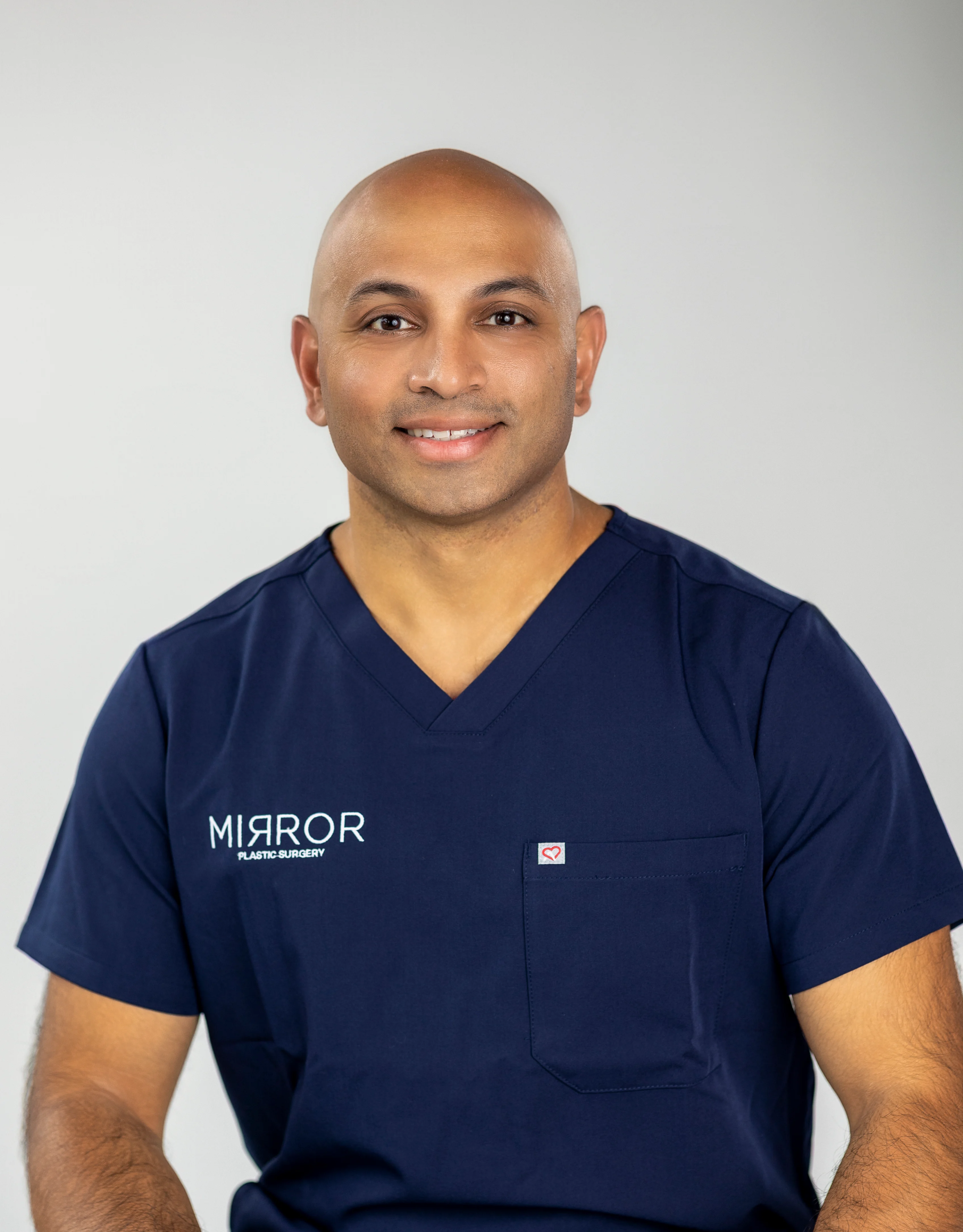
Mirror Plastic Surgery’s NAD+ And Peptide Therapy Program is led by Dr. Akash Chandawarkar, MD, a board-certified plastic surgeon and founder of Mirror Plastic Surgery. He studied neuroscience and nuclear engineering at MIT and graduated with Honors from Harvard Medical School through the Harvard-MIT Division of Health Sciences and Technology. He completed a seven-year integrated plastic and reconstructive surgery residency at Johns Hopkins University and the Stanford University Biodesign Innovation Fellowship. He applies this evidence-based, innovation-focused perspective to every NAD+ protocol. Each plan is built around the patient’s labs and physiology and remains medically supervised from start to finish.
What To Expect In A NAD+ Consultation
Costs for NAD+ therapy depend on protocol design, dosing, and delivery method. These details are reviewed during consultation. Mirror Plastic Surgery’s process includes a 30–60 minute visit with Dr. Akash to review medical history, health goals, and lab results, with additional panels ordered when needed. Remote consultations are available across the United States, and medications ship directly to patients.
Common Misconceptions About NAD+ Therapy
NAD+ And Weight Loss
NAD+ supports cellular energy metabolism, while Ozempic (semaglutide) is a GLP-1 receptor agonist that regulates appetite and blood sugar. Their mechanisms differ, and NAD+ does not function as a weight-loss drug.
NAD+ And Visible Aging
Some people notice improved skin appearance or energy, yet no clinical trial has shown that NAD+ therapy reverses visible aging.1 Any cosmetic effects appear subtle and vary widely between individuals. The mechanistic rationale around DNA repair and sirtuin activity is strong, but controlled human data on cosmetic outcomes remain limited.
NAD+ And Fatigue
Many users hope for more energy, but randomized trials of oral precursors have not consistently improved fatigue in healthy adults. A 2025 randomized trial of 58 adults with long COVID found that high-dose nicotinamide riboside tripled blood NAD+ levels but did not significantly outperform placebo on fatigue, cognition, sleep, anxiety, or depression. Evidence is strongest for people with documented NAD+ deficiency or metabolic dysfunction.
How Quickly NAD+ Works
NAD+ levels can rise quickly, yet clinical benefits, when present, usually appear over weeks. IV infusions may create short-term effects, but lasting changes require consistent, supervised protocols. Results build gradually, similar to a long-term investment.1
The Bottom Line On NAD+ Therapy
NAD+ is a coenzyme rather than a peptide. Evidence for therapeutic benefit is promising but still developing, with the strongest human data for oral precursors in specific populations and no outcomes trials yet for IV or intramuscular NAD+ in wellness or anti-aging settings. Medical supervision plays a central role in safety and effectiveness, especially given the risks of unregulated compounded products and the need to screen for clear contraindications.
Mirror Plastic Surgery provides personalized, concierge-level care for patients considering NAD+ therapy. From inflammation and autoimmune conditions to weight management and aging concerns, the practice offers advanced peptide and NAD+ therapies tailored to a wide range of health and wellness goals. Schedule a consultation to explore how a customized protocol can support your next steps.
This article is for educational purposes only and does not replace medical advice. NAD+ therapy is not FDA-approved for the treatment of any condition. Results vary. Consult a qualified healthcare provider to determine whether NAD+ therapy is appropriate for you.
1 Results may vary from person to person. Editorial content, before and after images, and patient testimonials do not constitute a guarantee of specific results.
Peptide therapy is intended for wellness and optimization purposes and is not prescribed to diagnose, treat, cure, or prevent disease unless specifically stated. Many peptides are not FDA-approved and may be used off-label. Some have limited long-term safety data, with a potential for unknown risks, complications, or desensitization with prolonged use.