
Written by: Ellie Pranckevicius, FNP-BC, Aesthetic Nurse Practitioner & Aesthetic Injector | Facial Restoration & Regenerative Injectable Specialist, Mirror Plastic Surgery | Last updated: March 13, 2026
Key Takeaways
- Weight management plateaus respond best to a combination of balanced nutrition, exercise, sleep, stress control, and advanced peptide therapies.
- Peptides such as GLP-3R, Sermorelin, and Ipamorelin target metabolic dysfunction to promote fat loss, preserve muscle, and reduce side effects compared to traditional GLP-1 drugs.
- Medically supervised protocols at Mirror Plastic Surgery ensure safe dosing, lab-based personalization, and ongoing support that unregulated online sources cannot provide.
- Mirror Plastic Surgery offers tailored peptide programs led by Ellie Pranckevicius, FNP-BC, with in-depth consultations and nationwide shipping.
- Patients achieve sustainable results with structured follow-up and guidance; schedule a consultation at Mirror Plastic Surgery to move past your plateau with expert support.
Foundations of Effective Weight Management
Successful weight management starts with four core pillars that support every advanced treatment plan.
1. Balanced Nutrition: Emphasize whole foods, appropriate calories, and macronutrient ratios that support metabolism and keep you full between meals.
2. Regular Physical Activity: Combine cardiovascular exercise with resistance training to protect lean muscle and support a higher metabolic rate.
3. Quality Sleep: Aim for 7 to 9 hours of restorative sleep to regulate hormones like leptin and ghrelin that influence hunger and fullness.
4. Stress Management: Use practical techniques to keep cortisol in check, since elevated cortisol can promote fat storage and slow progress.
These pillars create the conditions your body needs for fat loss, especially at the start of a program. Many people still hit plateaus as their bodies adapt, particularly when growth hormone secretion is already reduced by excess weight. Blunted growth hormone can encourage fat accumulation, which explains why traditional diet and exercise alone may not restore a healthy metabolism over time.
How Peptides Transform Weight Management
Peptides are short amino acid chains that act as targeted messengers, influencing specific metabolic pathways that affect body composition and energy use. These compounds work with your existing hormone systems to address underlying metabolic dysfunction rather than simply suppressing appetite.
GLP-3R represents a major advance in this field and offers clear advantages over older GLP-1 medications. Tirzepatide, a dual GIP and GLP-1 receptor agonist, likely supports weight loss at medium-term follow-up with benefits that can continue over longer periods. GLP-3R formulations often cause fewer gastrointestinal side effects, reduce muscle loss, and support broader metabolic improvements such as better insulin sensitivity and cardiovascular risk markers.
Sermorelin and Ipamorelin act on growth hormone pathways to support fat metabolism. Sermorelin stimulates growth hormone production, which increases lipolysis, reduces visceral fat, and helps preserve or increase lean muscle mass. Clinical studies show a 5 to 18 percent decrease in body fat in growth hormone deficient individuals treated with Sermorelin.
Medically supervised peptide use has a very different safety profile than unregulated products. About 40 percent of users of non-prescription weight loss supplements report at least one side effect, and gray-market GLP-1 drugs may be counterfeit, contaminated, or improperly compounded.
Peptide Options for Weight Management at Mirror Plastic Surgery
Mirror Plastic Surgery designs peptide protocols around each patient’s metabolic profile, health history, and weight management goals.
1. GLP-3R Compounding: This advanced GLP receptor agonist supports insulin sensitivity, increases satiety, and promotes weight loss with fewer gastrointestinal side effects than many traditional GLP-1 medications.
2. Sermorelin and Ipamorelin Stack: These growth hormone releasing peptides stimulate natural growth hormone production, which supports fat metabolism and helps maintain lean muscle during weight loss phases.
3. Custom Anti-Inflammatory Stacks: Targeted combinations that may include BPC-157 and TB500 help reduce systemic inflammation that can disrupt metabolic function and slow weight loss.
Each protocol is built from comprehensive lab analysis and a detailed review of individual health needs.
Ellie Pranckevicius, FNP-BC: Concierge Peptide Care
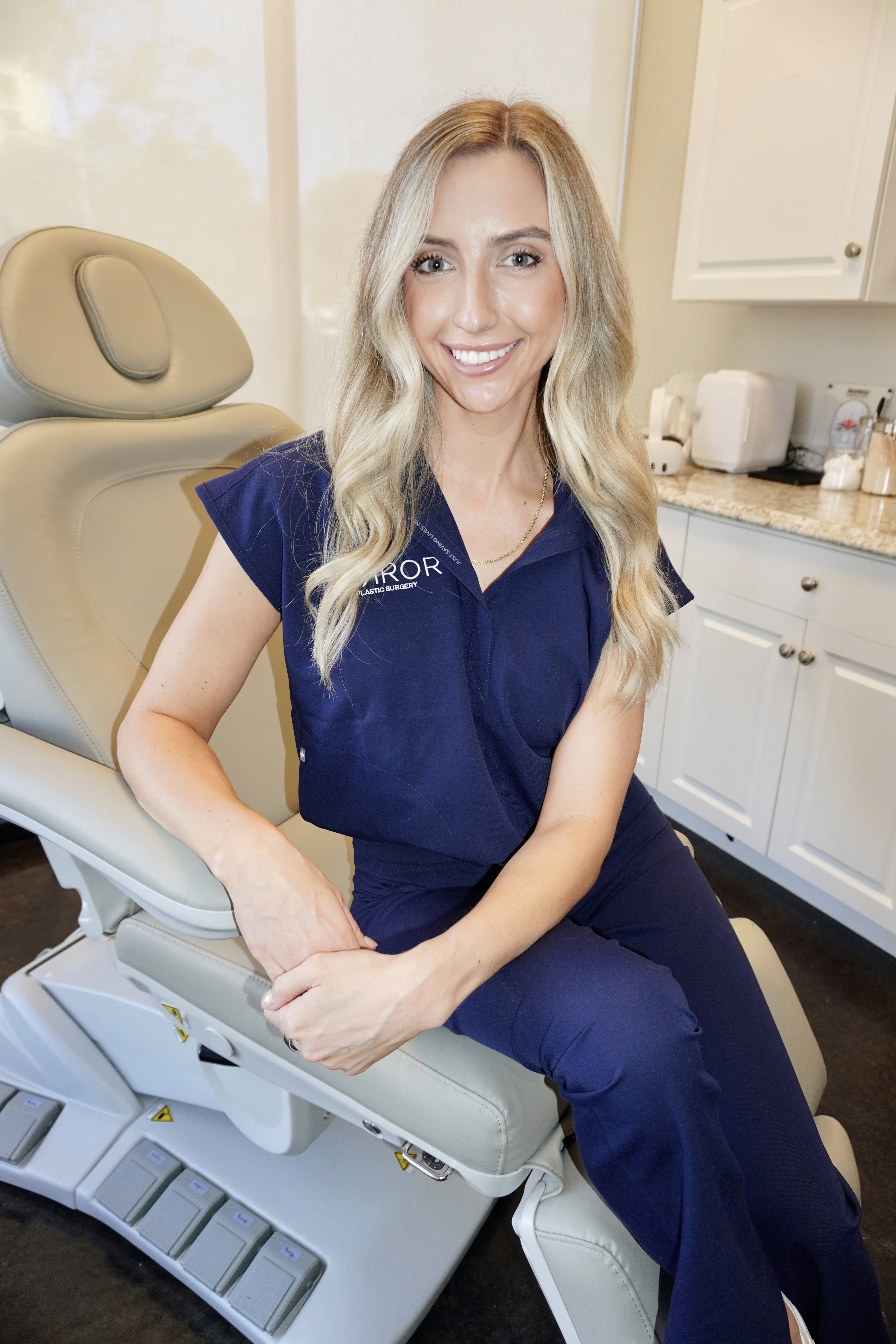
Ellie Pranckevicius, FNP-BC, directs peptide therapy at Mirror Plastic Surgery and blends aesthetic medicine with critical care experience. Her four years in the Neuroscience ICU at Tampa General Hospital and her Master’s degree from the University of South Florida provide a strong foundation in metabolic physiology and complex patient care. Ellie focuses on education and clear expectations, so every patient understands the science behind their protocol and the likely outcomes. Her concierge model includes 24/7 text support and step-by-step guidance throughout treatment.
Step-by-Step: Your Personalized Peptide Protocol
The process at Mirror Plastic Surgery begins with a 30 to 60 minute consultation that covers medical history, current concerns, and specific weight management goals. This visit also determines which peptide options may fit your health profile.
For weight management, extensive lab panels evaluate thyroid function, hormone levels, liver and kidney markers, and diabetes indicators. These results help uncover metabolic issues that may block progress.
Custom peptide stacks are then designed around your lab findings and goals, and protocols are shipped directly to patients across the United States. This level of supervision contrasts with online retailers and basic telemedicine platforms that often skip thorough evaluation and follow-up.
Patients in Tampa and St. Petersburg can meet in person, while remote patients receive the same personalized care through telemedicine and direct communication with Ellie. Book an appointment to start a structured, medically guided weight management plan.
Patient Outcomes and Long-Term Success
Patients at Mirror Plastic Surgery often see meaningful weight loss with supervised peptide protocols. Many experience significant fat reduction, better metabolic markers, and improved body composition without the muscle loss that can occur with rapid weight loss.
Results vary based on baseline health, consistency with the protocol, and lifestyle habits. Ongoing monitoring and timely adjustments help maximize benefits while limiting side effects.
Clearing Up Myths About Weight Management Peptides
Many people feel unsure about peptide safety, effectiveness, and long-term use, so clear information supports confident decisions. Peptide therapy extends beyond weight loss and can support inflammation control, recovery, energy, and overall metabolic health when used appropriately.
At Mirror Plastic Surgery, supervised care ensures that peptide selection aligns with each patient’s health status and goals. FDA oversight of peptides varies, and many are used off-label under medical supervision. Safety depends on working with qualified clinicians who use reputable pharmacies with batch testing and purity verification.
Side effects from properly supervised peptide therapy are usually mild and short-lived. These effects differ from the more serious risks linked to unregulated online products and unsupervised use.
Weight management always requires maintenance, even with advanced tools. Peptide protocols can shift into maintenance dosing once initial goals are reached, supporting long-term stability.
Schedule a consultation to explore how personalized peptide protocols can address your specific weight management challenges and goals.
Mirror Plastic Surgery blends proven lifestyle principles with advanced peptide therapies to help patients move past plateaus and maintain results. The team, led by Ellie Pranckevicius and Dr. Akash Chandawarkar, tailors each plan to individual metabolic needs for safe, effective treatment.
Contact Mirror Plastic Surgery to begin your personalized weight management journey. Text 727-361-6515 or email hello@mirrorplasticsurgery.com to get started. Visit the practice at 780 4th Ave S, St. Petersburg, FL 33701, and follow @mirrorplasticsurgery and @dr.akashplasticsurgery on Instagram for updates.
Disclaimer: Results may vary from person to person. Editorial content, before and after images, and patient testimonials do not constitute a guarantee of specific results.
Disclaimer: Peptide therapy is intended for wellness and optimization purposes and is not prescribed to diagnose, treat, cure, or prevent disease unless specifically stated. Many peptides are not FDA-approved and may be used off-label. Some have limited long-term safety data, with a potential for unknown risks, complications, or desensitization with prolonged use.
Frequently Asked Questions
Are peptides safe for long-term weight management?
Peptides used under medical supervision have shown favorable safety profiles in clinical research. Sermorelin and similar growth hormone releasing peptides have been studied extensively and usually cause only mild, temporary effects such as injection site irritation. Safety depends on working with qualified practitioners who review your health history, monitor your progress, and use pharmacies that provide batch testing. Long-term data continues to grow, so ongoing medical oversight remains essential for managing benefits and risks.
How do peptides compare to traditional weight loss medications?
Peptides often provide advantages over conventional weight loss drugs. Stimulant-based medications can strain the cardiovascular system, while peptides work with your natural hormone pathways. GLP-3R formulations support weight loss with fewer gastrointestinal side effects than many GLP-1 medications. Sermorelin boosts your own growth hormone production instead of adding synthetic hormones, which supports fat loss and muscle preservation. Personalized protocols allow your provider to match specific peptides to your metabolic profile and goals.
What results can I expect from peptide therapy for weight management?
Results depend on starting metabolic health, adherence, and lifestyle choices such as nutrition, movement, and sleep. Many patients notice early changes within a few weeks, with more significant shifts typically appearing over three to six months. The team at Mirror Plastic Surgery sets realistic expectations and designs protocols that match your timeline and objectives.
How does supervised peptide therapy differ from online sources?
Medically supervised peptide therapy offers safety checks that online sources cannot match. Mirror Plastic Surgery performs detailed health evaluations, lab testing, and regular monitoring to guide peptide selection and dosing. The practice uses reputable suppliers with batch testing and purity verification. Patients receive 24/7 support, clear administration instructions, and timely protocol adjustments. Unregulated online products may be counterfeit, contaminated, or incorrectly dosed and usually come without medical oversight.
Can peptides help break through weight loss plateaus?
Peptides can be very effective for plateaus that appear after standard diet and exercise changes. Growth hormone releasing peptides such as Sermorelin address the reduced growth hormone secretion often seen in people with excess weight, which supports fat metabolism and muscle maintenance. GLP-3R compounds target insulin resistance and other metabolic issues that contribute to stalled progress. Personalized combinations and dose adjustments help address the specific barriers that prevent further weight loss, and many patients see renewed progress after starting supervised peptide therapy.
Disclaimer: Results may vary from person to person. Editorial content, before and after images, and patient testimonials do not constitute a guarantee of specific results.
Disclaimer: Peptide therapy is intended for wellness and optimization purposes and is not prescribed to diagnose, treat, cure, or prevent disease unless specifically stated. Many peptides are not FDA-approved and may be used off-label. Some have limited long-term safety data, with a potential for unknown risks, complications, or desensitization with prolonged use.