
Written by: Dr. Akash Chandawarkar, Board Certified Plastic Surgeon, Mirror Plastic Surgery
Key Takeaways
- A Tampa tummy tuck recovery usually spans 6–8 weeks for initial healing. Most patients return to desk work in 2–3 weeks and resume full exercise by 6–8 weeks.1
- Tampa’s subtropical heat and humidity can prolong swelling. Patients need extra attention to compression garment care, hydration, and keeping recovery spaces below 72°F.
- Dr. Akash’s concierge model at Mirror Plastic Surgery, with only 1–2 surgeries per day, provides personalized attention that supports smoother recovery.
- Patients protect incisions from sun exposure for at least 12 months and schedule surgery around Tampa’s UV index to support better scar healing.
Schedule your personalized recovery plan with Mirror Plastic Surgery to match your anatomy, procedure, and Tampa lifestyle.
Tummy Tuck Recovery Timeline at a Glance
This table outlines the main phases of tummy tuck recovery. Dr. Akash will give you specific instructions based on your procedure and healing. Use this as a general guide, not a fixed prescription.
| Recovery Phase | Key Milestones | Activity Restrictions |
|---|---|---|
| Days 1–3 | Peak swelling and tightness; drains in place; walking bent at waist | Bed rest with short walks every 2–3 hours; no driving; full-time help needed |
| Week 1 | Swelling peaks around days 4–5; drains typically removed by days 7–10; pain shifts toward tightness | No lifting over 5 lbs; sleep elevated on back with knees supported; compression garment 24/7 |
| Week 2 | Standing more upright; many return to desk work by days 10–14; transition to OTC pain relief | No bending, twisting, or lifting; continue compression garment; driving only when off narcotics and able to perform emergency stop |
| Weeks 3–4 | Swelling decreases; bruising resolved; energy improves; scar treatment may begin | Light activity only; no core exercise; side sleeping may be allowed around weeks 4–6 after a tummy tuck, confirm with Dr. Akash |
| Weeks 5–6 | Most swelling resolved; cleared for light cardio; compression may transition to daytime only | No heavy lifting or high-impact activity; no crunches, sit-ups, or planks |
| Months 3–12 | Final contour emerges; scars fade and flatten; mild residual swelling possible in heat | Full activity; protect scars from sun for minimum 12 months |
Week-by-Week Recovery Timeline and Aftercare Tips
Days 1–3: The First 72 Hours
The first three days after a tummy tuck feel the most physically demanding. Modern multimodal pain management, including TAP blocks that provide 12–18 hours of significant abdominal wall pain relief, means the dominant sensation in the first 24 hours is tightness, like an extreme abdominal workout. Sharp pain is uncommon with this approach. Because pain is usually well controlled, most patients transition off prescription opioids by days 3–4. You will also walk slightly bent at the waist to reduce tension on the incision and muscle repair, and this posture is temporary.
What to do during this phase:
- Rest with your upper body elevated and knees supported to reduce abdominal tension.
- Take short, gentle walks every 2–3 hours. Early movement is the most important step to help prevent blood clots.
- Have a support person available for meals, medication reminders, and help getting in and out of bed.
- Keep your compression garment on at all times except when showering, if cleared by Dr. Akash.
- Avoid hot packs or heating pads on the abdomen. Temporary numbness can prevent you from feeling burns.
Tampa tip: Keep your recovery room at 68–72°F. A room that heats up during Tampa afternoons can increase swelling and discomfort. Plan indoor walks in air conditioning instead of going outside during the first several days.
Week 1: Managing the Peak
Swelling usually peaks around days 4–5 and then gradually eases. Drains are commonly removed within the first week to ten days once fluid output drops to an acceptable level. Bruising follows a similar pattern and then fades.
What to do during this phase:
- Continue short, frequent walks. Good circulation remains your best defense against blood clots.
- Empty and record drain output every 8–12 hours. Note the color; clear or pale yellow is normal, while cloudy or foul-smelling fluid means you should call your surgeon.
- Eat a protein-rich diet including lean meat, fish, eggs, dairy, and legumes to support wound healing.
- Stay well hydrated and aim for 80–100 oz of fluid daily.
Tampa tip: That hydration goal matters even more because Tampa’s summer heat index tops 100°F from June through September. Schedule any necessary outings before 9 a.m. or after 7 p.m., when temperatures are 10–15 degrees cooler, to limit swelling and fatigue.
Week 2: Getting More Mobile
Most patients can return to sedentary office work by the end of week 2 or during week 3.1 Driving usually resumes once you are off prescription pain medication and feel safe performing an emergency stop, often at the end of week 2 or into week 3. Jobs that require lifting or prolonged standing need more recovery time. If you are considering a tummy tuck after pregnancy, the muscle repair portion of your surgery may extend this phase slightly.
What to do during this phase:
- Continue wearing your compression garment 24/7 except for showering.
- Begin gentle scar care only after Dr. Akash clears you.
- Avoid bending, twisting, or lifting anything over 5–10 pounds.
- If returning to work, plan for half days at first when possible.
Tampa tip: Before committing to a full commute, test your ability to sit comfortably and react quickly. A short neighborhood test drive feels very different from navigating I-275 or the Howard Frankland Bridge in Tampa traffic.
Weeks 3–4: Returning to Normal Activities
By week 4, bruising has usually resolved and your abdominal contour becomes more visible. Incisions may look pink or feel firm as part of normal scar maturation that continues for many months. Many patients feel a psychological shift here. You are no longer in acute recovery, yet you still have activity limits.
What to do during this phase:
- Side sleeping may be allowed around weeks 4–6 after a tummy tuck. Confirm with Dr. Akash before changing your sleep position.
- Begin silicone scar therapy once incisions are fully closed. Medical-grade silicone strips or gels used consistently over 3–6 months give the best results.
- Increase walking duration and pace, but avoid any movement that strains your core.
- Continue compression garment wear as directed. Most patients wear it 4–6 weeks total.
Tampa tip: Tampa’s UV index averages 10–11 from May through September, among the highest in the continental United States. A tummy tuck scar less than 12 months old exposed to that UV intensity without protection can hyperpigment permanently. Keep incisions covered and protected whenever you are outdoors.
Weeks 5–6: Easing Back into Exercise
By weeks 5–6, many patients are cleared for light cardio and controlled activity, while high-impact exercise and direct abdominal work still wait for explicit clearance.1 Returning to exercise too early can cause wound opening, delayed healing, increased swelling, and less smooth contour. At approximately 8 weeks, the wound reaches about 80% of its tensile strength, which allows more confident progression.
What to do during this phase:
- Start with walking, stationary cycling, and gentle stretching.
- Avoid crunches, sit-ups, planks, and heavy weights until you receive clear approval. Returning to core-heavy exercise before 10–12 weeks can stretch the muscle repair.
- Continue scar care and sun protection.
- Attend all follow-up appointments. In-person assessment matters.
Tampa tip: If you are cleared for swimming around this time, start pool and ocean water exposure only once incisions are fully sealed. Protect your scar with waterproof SPF 50+ mineral sunscreen and UV-protective swimwear. Avoid hot tubs during early healing, because heat intensifies swelling and prolonged moisture irritates healing wounds.
Months 3–12: Long-Term Healing and Final Results
Most patients feel like themselves by month 3, and the shape at month 6 is very close to the final result.1 Scars enter their remodeling phase at months 3–6, lightening from red to pink, and reach their final faded appearance by 12–18 months. In Tampa’s heat, mild residual swelling can last longer than in cooler climates, especially with prolonged outdoor activity.
What to do during this phase:
- Protect your scar from sun exposure for a minimum of 12 months.
- Maintain a stable weight. Keeping weight steady is the most important step for preserving tummy tuck results, as even modest fluctuations of 5–10 kg can stretch the skin.
- Continue silicone scar therapy as recommended.
- Enjoy your results and remember that healing continues to improve over time.
Tampa tip: Tampa’s fall and winter months (October through February) offer the lowest UV index of the year, with UV index 5–6 from December through February. Scheduling surgery during this window places the most vulnerable healing months in gentler sun conditions.
Aftercare Tips for a Smooth Tampa Recovery
The Toughest Days After a Tummy Tuck
Days 2–3 usually feel the most uncomfortable. Most patients notice the peak of their discomfort within the first three to five days, and then it steadily improves. The local anesthetic from surgery has worn off and swelling peaks during this window. With modern multimodal pain protocols, most patients are off all opioids by day 3–4 and describe the main sensation as tightness. Sharp pain is less common.
Coping strategies for the hardest days:
- Stay ahead of pain with scheduled medication instead of waiting for it to spike.
- Avoid ice packs or cold compresses directly on the abdomen. Reduced sensation over the skin flap can cause cold injury without warning.
- Keep your recovery space consistently cool, ideally below 72°F in Tampa’s climate.
- Remind yourself that each day usually feels a bit easier than the one before.
Compression Garment Care in Tampa’s Humidity
Compression garments are commonly used after tummy tucks. They reduce swelling, support healing tissues, reduce fluid accumulation, and encourage blood flow. Not wearing them consistently can lead to excess swelling, contour irregularities, skin laxity, and a higher risk of worsening scarring.
Most patients wear compression for 4–6 weeks total in two phases:
- Stage 1 (abdominal binder, weeks 1–3): Easier to adjust as swelling changes and more forgiving around drains and dressings.
- Stage 2 (faja, weeks 3–6): Worn from weeks 3 to 6–8 after surgery, as directed by your surgeon.
Tampa-specific garment care: In summer heat, wash your compression garment daily and consider having more than one to rotate. Trapped moisture can cause infections or irritations. Handwash with mild soap and cold water and air dry. Avoid the dryer, because high heat damages elastic fibers and weakens compression. Use moisture-wicking fabrics underneath if needed, and visually inspect all skin the garment touches every day for redness, rashes, or wounds.
Nutrition and Hydration for Healing
Wound healing uses a lot of protein, so aim for at least 1.2g of protein per kg of body weight per day for the first 6 weeks after surgery. Lean meats, fish, eggs, legumes, and dairy provide reliable sources. Hydration is equally important, especially in Florida’s climate where you lose more fluid even when resting indoors. As mentioned in Week 1, aim for 80–100 oz of fluid daily, adding electrolytes if urine runs dark despite regular water intake.
Warning Signs That Require Immediate Attention
Contact Dr. Akash’s office immediately if you experience any of the following:
- Fever above 100.4°F.
- Spreading redness that feels hot to the touch around the incision, which can signal bacterial infection.
- A visible smooth bulge in the lower abdomen, a sloshing sensation when pressing the area, or sudden asymmetry, which can indicate seroma.
- Wound opening or unexpected drainage with color or odor changes.
- Pain, swelling, warmth, or redness in one calf, which can suggest deep vein thrombosis and needs urgent same-day attention.
- Sudden inability to catch your breath or sharp chest pain when breathing. Call 911 immediately.
- Pain that worsens instead of improving.
The overall complication rate following abdominoplasty ranges from 10% to 20%. The most common concerns are seroma, infection, and hematoma, and these are manageable when caught early. At Mirror Plastic Surgery, you have direct access to your surgical team throughout recovery, so reach out whenever you are unsure.
Tampa-Specific Recovery Considerations
Managing Swelling in Heat and Humidity
Heat dilates blood vessels and increases fluid retention in surrounding tissues. Florida’s humidity makes it harder for the body to release heat through sweat, which keeps blood vessels dilated longer and amplifies swelling after procedures like tummy tucks. Keeping your recovery environment consistently below 72°F during the first four weeks is one of the most effective swelling-management strategies for Tampa patients.
Tampa’s summer, from June through August, is the hardest season for tummy tuck recovery. Average highs reach 90–92°F with humidity in the 70–80% range. These conditions make compression garments harder to wear consistently and slow swelling resolution. If you are recovering during summer months, plan all outdoor activity before 9 a.m. or after 7 p.m.
Returning to Outdoor Activities
Most surgeons clear tummy tuck patients for gentle beach activity at 6–8 weeks post-op. As noted earlier, fresh incisions should avoid direct sun exposure for a minimum of 12 months. When you return to the beach or pool, use SPF 50+ mineral sunscreen. Mineral formulas with zinc oxide or titanium dioxide work immediately and do not rely on absorption, which reduces irritation risk on healing skin.
Planning for Work and Commute
Most Tampa professionals take 2–3 weeks off for desk-based jobs. Jobs that involve lifting, standing, or physical exertion typically need 4–6 weeks. Consider your commute as well. Tampa traffic requires quick reactions and comfortable sitting. A short neighborhood test drive before a full commute offers a safe way to check readiness.
Hurricane Season Preparedness
Tampa’s summer overlaps with hurricane season (June–November), so patients benefit from a backup plan for cooling. Arrange a generator, a hotel with reliable AC, or a family member’s home before surgery, especially for the first two weeks when swelling control depends on consistent cooling.
Why Choose a Concierge Practice Like Mirror Plastic Surgery
Your recovery quality closely reflects the quality of your surgical care and your access to your surgeon. At Mirror Plastic Surgery, Dr. Akash follows a clear principle: safety first, function second, aesthetics third. This approach guides both the operation and every phase of your recovery.
Dr. Akash is board-certified by the American Board of Plastic Surgery. His credentials include a Harvard Medical School education, a seven-year plastic and reconstructive surgery residency at Johns Hopkins University, and specialized fellowship training in aesthetic surgery at Manhattan Eye, Ear and Throat Hospital (MEETH). He has been named in America’s Best Plastic Surgeons 2025 by Newsweek for two consecutive years. If you are considering a combined procedure, Dr. Akash also provides detailed guidance on the mommy makeover recovery timeline during your consultation.
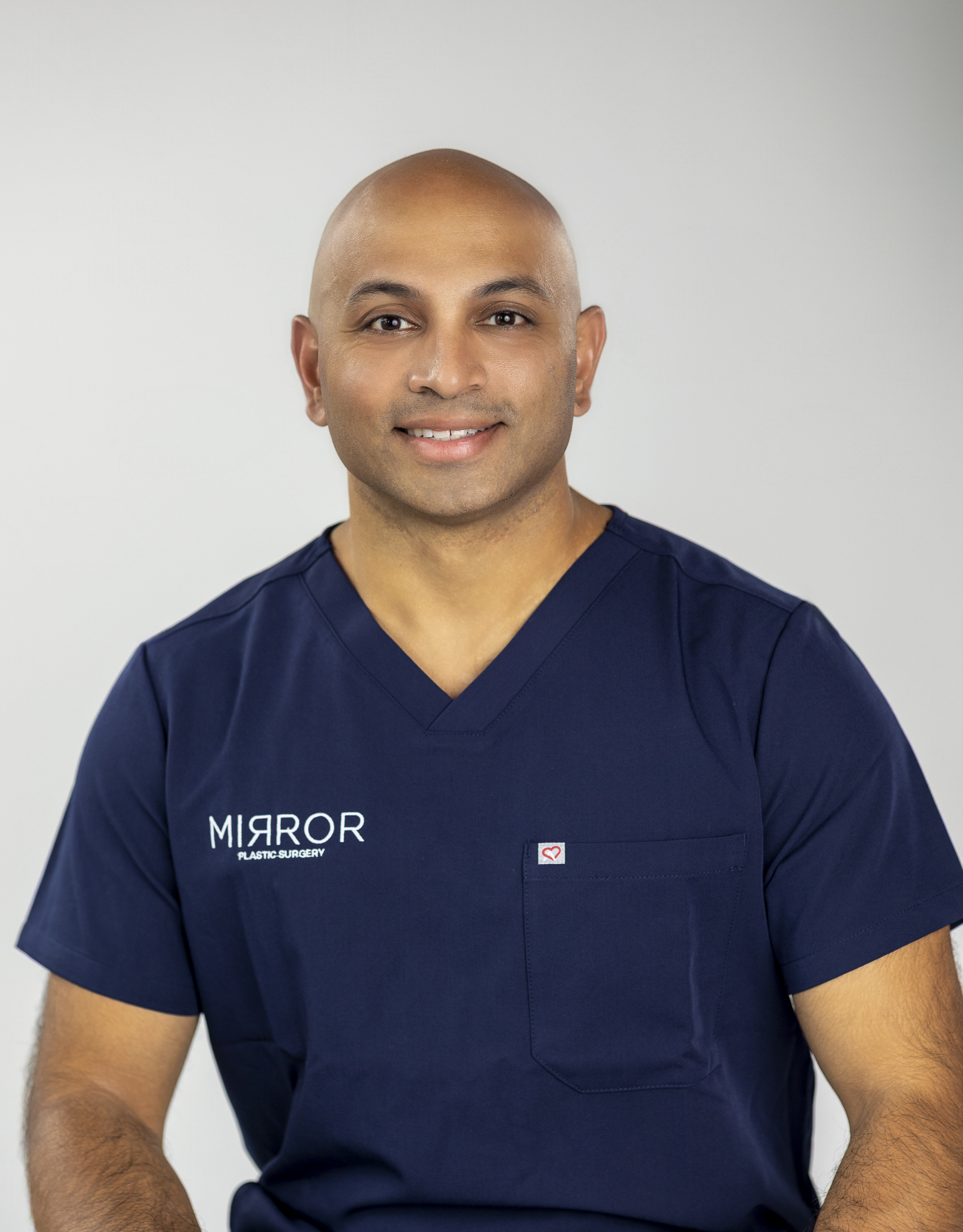
The concierge model at Mirror Plastic Surgery means Dr. Akash performs only 1–2 surgeries per day, while some high-volume practices perform 5–10. This difference shapes your recovery in practical ways:
- Your pre-operative assessment is thorough and unhurried, often lasting up to an hour.
- Your surgical plan is tailored to your anatomy and goals.
- Your recovery is monitored closely, with direct access to your surgical team.
- Complications are identified early because your surgeon has the time and focus to know your case in detail.
To explore this approach further, review the VIP concierge plastic surgery care model and how it applies to your tummy tuck journey. When choosing your surgeon, the qualities that define the best tummy tuck surgeon in Tampa Bay include availability, communication, and a safety-first philosophy along with strong credentials.
Discuss your tummy tuck goals with Dr. Akash and receive a recovery plan built for your procedure, your health, and your life in Tampa Bay.
Frequently Asked Questions
How long does tummy tuck recovery take in Tampa?
Initial healing takes 6–8 weeks for most patients, with desk-based work often possible at 2–3 weeks and full exercise cleared around 6–8 weeks.1 Final contour and scar maturation continue for 12–18 months. In Tampa’s heat and humidity, mild residual swelling can last longer than in cooler climates, especially during summer months when heat-driven vascular dilation keeps fluid retention elevated. Scheduling surgery in fall or winter places the most vulnerable healing months in Tampa’s lowest-UV, lowest-heat window, which consistently supports better early outcomes.
When can I drive after a tummy tuck?
Most patients can drive once they are off narcotic pain medication and can perform an emergency stop comfortably, typically around 2 weeks post-surgery. Before committing to a full Tampa commute, test your ability in a short neighborhood drive first. Sitting in the driver’s seat and simulating an emergency stop motion in your driveway offers a practical way to assess readiness. Always confirm with Dr. Akash before driving, because individual healing varies.
How do I manage my compression garment in Tampa’s heat?
Compression garment compliance plays a major role in recovery quality. Skipping or loosening the garment early affects how well the skin retracts and how smoothly the abdominal contour heals. In Tampa’s humidity, trapped moisture under the garment can cause skin irritation or infection. Wash your garment daily, keep at least two to rotate, use moisture-wicking fabrics underneath, and visually inspect all skin the garment touches every day. If the garment feels unbearable by midday, switch to a breathable moisture-wicking layer rather than removing it entirely. Contact Dr. Akash’s team if you notice redness, rashes, or skin breakdown under the garment.
When can I go to the beach or pool after a tummy tuck in Tampa?
Most patients are cleared for gentle beach activity at 6–8 weeks post-surgery. As noted earlier, fresh incisions should avoid direct sun exposure for a minimum of 12 months. Pool and ocean water exposure should begin only once incisions are fully sealed and Dr. Akash has confirmed it is safe, because prolonged moisture raises infection risk on healing wounds. When you return to the water, use waterproof SPF 50+ mineral sunscreen and UV-protective swimwear. Avoid hot tubs during the entire early healing period, since heat intensifies swelling. If your surgery is scheduled in fall, your scars will be 4–5 months old by spring beach season, which is still young but manageable with consistent sun protection.
What are the warning signs of a complication after a tummy tuck?
Normal healing improves week over week. Pain decreases, swelling reduces, and the incision stays closed and dry. Warning signs that require same-day contact with Dr. Akash include fever above 100.4°F, spreading redness or warmth around the incision, wound opening or unexpected drainage with color or odor changes, sudden significant swelling on one side of the abdomen, and pain that worsens instead of improving. Severe calf pain, swelling, or redness in one leg may indicate a blood clot and needs urgent medical evaluation. Sudden chest pain or inability to breathe requires an immediate call to 911. In Tampa’s summer heat, remember that heat rash sits flat and fades with cooling, while infection-related redness spreads, feels warm, and often comes with fever. That distinction helps you know when to call.
Ready to Plan Your Tampa Tummy Tuck?
Recovery from a tummy tuck unfolds over weeks and months, not in a single moment. The quality of your aftercare directly shapes your results. In Tampa’s heat and humidity, that aftercare includes careful swelling management, compression garment care, hydration, and sun protection at every phase.
Choosing a surgeon who prioritizes safety and personalized attention creates a smoother experience. At Mirror Plastic Surgery, Dr. Akash’s concierge approach, limiting surgery to 1–2 cases per day, means your recovery is guided by a board-certified, Harvard-trained, Johns Hopkins-residency-trained expert who knows your case well and is available when you need him.
Start planning your Tampa tummy tuck and take the first step toward a recovery plan built around your anatomy, your goals, and your life in Tampa Bay.
1 Results may vary from person to person. Editorial content, before and after images, and patient testimonials do not constitute a guarantee of specific results.