
Written by: Ellie Pranckevicius, FNP-BC, Aesthetic Nurse Practitioner & Aesthetic Injector | Facial Restoration & Regenerative Injectable Specialist, Mirror Plastic Surgery
Key Takeaways
- Signal peptides activate the TGF-β/Smad pathway to boost collagen and elastin while suppressing matrix-degrading enzymes, with measurable thickening and wrinkle reduction in 8–12 weeks.1
- GHK-Cu, palmitoyl pentapeptide-4, and Argireline each have strong clinical evidence for dermal tightening, with GHK-Cu showing high transdermal bioavailability and up to 55% wrinkle-volume reduction.1
- Peptides offer a pregnancy-safe, non-sensitizing alternative to retinoids, although retinoids still hold a larger independent evidence base for wrinkle improvement.
- Topical delivery suits localized concerns, while subcutaneous injection provides near-complete systemic exposure and is preferred when widespread collagen loss or inflammation drives crepey skin.
- Medical supervision, lab review, and verified sourcing are essential for safe injectable peptide use. Schedule a personalized consultation at Mirror Plastic Surgery to design a protocol tailored to your biology and goals.
Clinically Supported Peptides for Skin Tightening
Three peptide compounds have the strongest mechanistic and clinical evidence for dermal tightening: GHK-Cu, palmitoyl pentapeptide-4 (Matrixyl), and Argireline.
GHK-Cu (Copper Peptide) is a tripeptide-copper complex weighing approximately 402 daltons. At that molecular weight it clears the 500-dalton passive-penetration threshold, which gives it among the highest transdermal bioavailability of any cosmetic peptide. Gene-expression studies indicate GHK-Cu can regulate up to 30% of human genes, shifting aging cells toward a more youthful pattern. It stimulates production of collagen I and III, elastin, fibronectin, and glycosaminoglycans partly by activating TGF-β1. In a randomized, double-blind trial, twice-daily topical GHK-Cu for 8 weeks reduced wrinkle volume by 55.8% and wrinkle depth by 32.8%, outperforming Matrixyl 3000 by 31.6% in wrinkle volume reduction. A 2023 clinical trial of 21 women showed a 28% average increase in collagen density after 3 months of daily topical GHK-Cu application, with top responders reaching 51%.1
Palmitoyl Pentapeptide-4 (Matrixyl) mimics collagen breakdown fragments, known as endogenous matrikines, to trigger fibroblast repair responses without requiring actual tissue damage. Receptor binding activates an intracellular signaling cascade that upregulates collagen types I, III, and IV and elastin while decreasing MMP collagenase activity. Robinson et al. (2005) conducted a 12-week double-blind placebo-controlled trial with 93 women that showed significant wrinkle and fine-line reduction versus placebo. A 28-day double-blind study found that 0.005% Matrixyl reduced skin fold depth by 18%, fold thickness by 37%, and improved skin rigidity by 21%.1
Argireline (Acetyl Hexapeptide-8) operates through a distinct mechanism. It reduces neurotransmitter release at the neuromuscular junction, which softens dynamic expression lines. A double-blind randomized trial found Argireline cream produced 48.9% anti-wrinkle efficacy versus 0% for placebo for peri-orbital (crow’s feet) expression lines in Chinese subjects.1 A 10% Argireline emulsion applied twice daily reduced crow’s feet wrinkle depth by up to 30% after 30 days.1
How Peptides Compare to Retinol for Wrinkles
Retinol and signal peptides act through entirely different molecular pathways, so they complement each other rather than duplicate effects. Retinol binds intracellular retinoic acid receptors (RAR-alpha, RAR-gamma) and retinoid X receptors (RXR) in keratinocyte and fibroblast nuclei, activating transcription of genes encoding procollagen type I and III while suppressing matrix metalloproteinases. Signal peptides such as palmitoyl pentapeptide-4 work extracellularly, binding TGF-beta or fibronectin receptors on fibroblasts without entering the nucleus.
A 2025 systematic review and meta-analysis of eight RCTs covering more than 1,300 patients found that topical tretinoin significantly improved both fine and coarse wrinkles versus vehicle placebo.1 Retinoids carry decades of independent human trial data. Peptide evidence is smaller and more often industry-funded, with more modest effect sizes.
The tolerability picture favors peptides. Retinoids increase photosensitivity, require an adjustment period, and are contraindicated during pregnancy due to teratogenic risk. Peptides do not increase sun sensitivity and are generally considered pregnancy-safe. For patients with rosacea, active barrier disruption, or sensitivity, peptides serve as a primary option rather than an adjunct. Copper peptides and retinol likely antagonize each other’s signaling, so GHK-Cu should not be layered in the same step as retinol. Alternating nights is the standard protocol when both are used.
A notable exception to the general retinoid-superiority narrative comes from a 2025 trial. A randomized double-blinded study found that cyclized hexapeptide-9 serum reduced the number, area, and roughness of crow’s feet and forehead wrinkles over 56 days, outperforming a low-dose 0.002% retinol comparator on multiple measures.1
Peptides Targeting Crepey, Thinning Skin
Crepey skin reflects dermal thinning, reduced elastin cross-linking, and chronic low-grade inflammation. Topical-only approaches often address these changes incompletely. Two systemic peptides, BPC-157 and TB-500, target the underlying repair deficit.
BPC-157 (Body Protective Compound 157) is a 15-amino-acid peptide derived from a gastric protein. Its primary mechanism in dermal repair involves suppression of inflammatory cytokines, including TNF-α, IL-1β, and IL-6, which degrade existing collagen and impair fibroblast function. Injectable BPC-157 can accelerate wound closure in preclinical models, while topical BPC-157 shows improvements after several weeks.
TB-500 (Thymosin Beta-4) promotes actin polymerization, cell migration, and angiogenesis in soft tissue. These actions support the vascular supply that thinning dermis requires for repair. Mirror Plastic Surgery’s Glow Stack combines GHK-Cu, BPC-157, and TB-500 to address systemic inflammation, collagen production, and soft-tissue repair simultaneously. This protocol suits patients whose crepey skin reflects systemic rather than purely surface-level collagen loss.
Topical Serums Versus Injectable Delivery: Outcomes Comparison
Book an appointment with Ellie to determine which delivery method, topical, injectable, or a supervised combination protocol, fits your skin goals and health profile.
Ellie’s Clinical Approach to Peptide Therapy
Peptide therapies at Mirror Plastic Surgery are led by Ellie Pranckevicius, FNP-BC, a board-certified Family Nurse Practitioner. Her background spans esthetician training at a high-end Boston medical spa, a Bachelor’s in Health Science from Boston University, and both a Bachelor’s and Master’s in Nursing from the University of South Florida. Her four years in the Neuroscience ICU at Tampa General Hospital built a clinical foundation in physiology and metabolic health that informs how she evaluates each patient’s capacity for dermal repair.
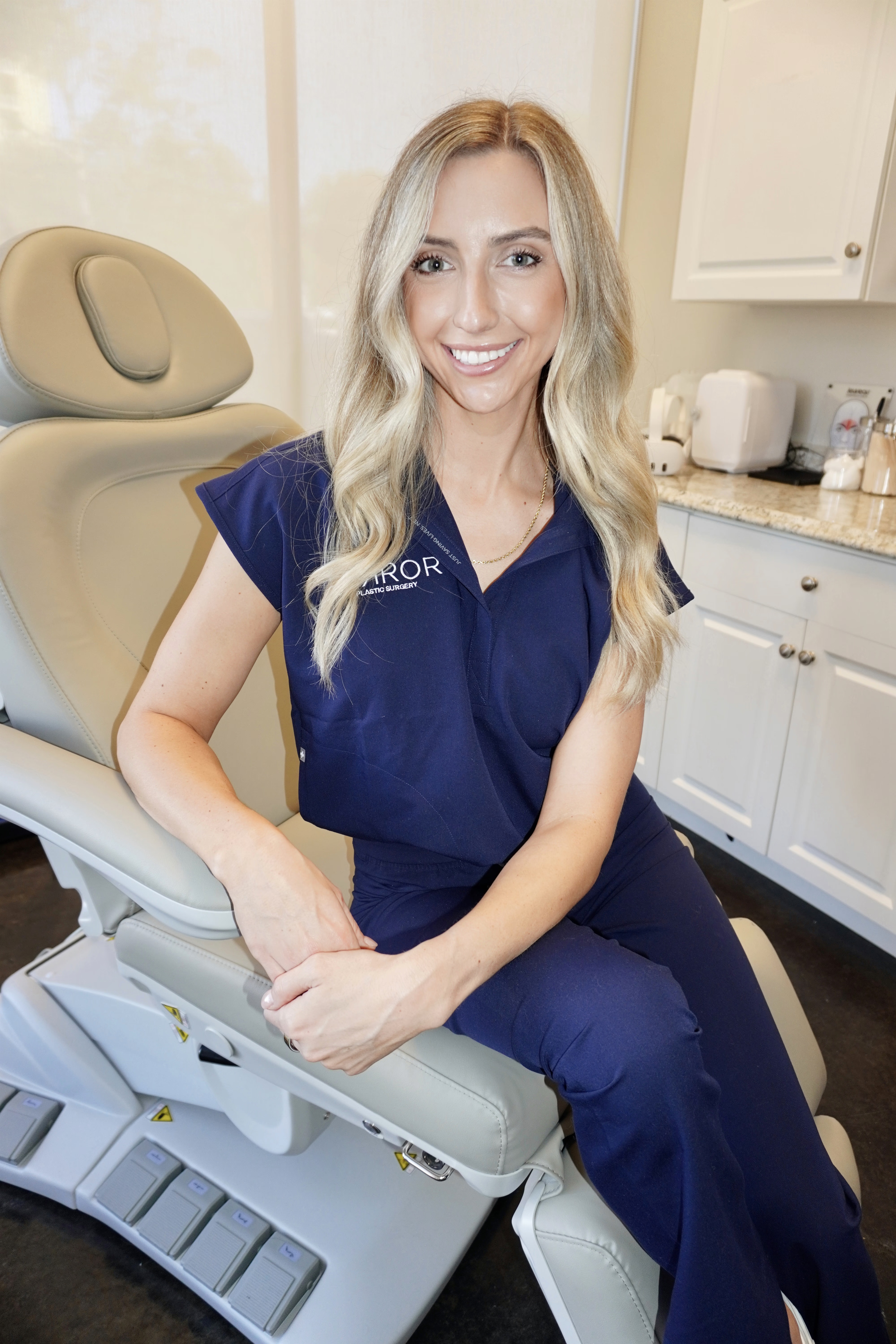
Ellie brings a dual perspective that blends aesthetic assessment with advanced clinical medicine. She evaluates both the visible skin concern and the systemic factors driving it before recommending any protocol. Her approach prioritizes education. She explains the physiology behind each recommendation so patients understand not just what they are taking, but why, and she will tell a patient when a peptide is not yet necessary for them.
Safety, Sourcing Quality, and Medical Supervision
Peptides used in aesthetic and anti-aging protocols are not FDA-regulated, which creates meaningful risk when patients obtain them without medical oversight. The primary dangers of unregulated online sourcing are:
- Absence of third-party batch testing, which leaves actual active-ingredient content unverified
- Incorrect reconstitution and dosing without clinical guidance
- No screening for contraindications with existing medications or pre-existing conditions
- Risk of contamination, infection, or unknown systemic effects from impure compounds
Each of these risks can be reduced or eliminated through proper medical oversight. Mirror Plastic Surgery addresses these concerns through a structured protocol. Every patient begins with a comprehensive 30–60 minute consultation with Ellie that includes review of medical history and, where indicated, lab panels covering thyroid, liver, kidney, diabetes markers, and hormone levels.
Peptides are sourced exclusively from suppliers with documented batch testing for purity and accurate dosage. Ongoing concierge support, including direct text access to Ellie, ensures that any adverse response is identified and managed promptly. Compounded injectable peptides using benzyl alcohol preservatives cause injection-site burning in 15–25% of patients, while general injection-site reactions occur in 2–8% of patients across trials and systemic effects vary widely by peptide and dose. Supervised administration and follow-up therefore remain essential rather than optional.
Frequently Asked Questions
What happens when I stop taking peptides?
Stopping peptides causes the skin to gradually revert toward its natural aging trajectory. Collagen synthesis rates slow, MMP activity increases relative to new collagen production, and fine lines become more visible over time. The timeline for regression depends on the peptide, the duration of use, and individual physiology. A maintenance protocol, typically a reduced dose or frequency, is often recommended to sustain the structural improvements achieved during an active protocol. Ellie reviews each patient’s response at follow-up and adjusts the maintenance plan accordingly.
Will everyone see the same results?
Results vary significantly between patients. Genetics, baseline dermal thickness, diet, lifestyle, UV history, and the specific peptide stack all influence outcomes. A patient with significant systemic inflammation may see faster improvement in skin quality from an anti-inflammatory peptide like BPC-157 than a patient whose primary concern is surface-level fine lines. This variability explains why Mirror Plastic Surgery conducts in-depth lab analysis before designing any protocol. A one-size-fits-all approach produces inconsistent results in a population where individual physiology drives outcomes.
How do GHK-Cu’s effects on gene expression translate to visible skin changes?
GHK-Cu regulates a broad set of genes involved in collagen synthesis, antioxidant defense, and wound repair. At the cellular level, it stimulates fibroblasts to produce collagen I and III, elastin, fibronectin, and glycosaminoglycans while modulating MMP-1 and TIMP expression to shift the balance toward net collagen deposition. Clinically, this activity translates to measurable improvements in skin density, firmness, and fine-line depth after 8–12 weeks of consistent use. The magnitude of visible change depends on delivery method, formulation quality, and baseline skin condition, factors Ellie evaluates before recommending topical, injectable, or combination use.
Can peptides be combined with retinol or other active ingredients?
Peptides and retinol can be used within the same regimen, but not in the same application step. Copper peptides such as GHK-Cu may dampen the inflammatory signaling cascade that retinol depends on for part of its mechanism, so the two should be alternated on different nights or applied at different times of day. Peptides are compatible with niacinamide and hyaluronic acid without known antagonism. Strong retinoids can reduce the stability of certain peptides, so sequencing matters. Ellie reviews a patient’s full existing skincare and supplement regimen before designing a peptide protocol to avoid interactions and support better outcomes.
Are injectable peptides appropriate for everyone seeking anti-aging results?
Injectable peptides suit only a subset of patients. Topical peptide serums are the appropriate starting point for many people, particularly those with mild to moderate concerns or no prior peptide experience. Injectable delivery is considered when systemic effects are the goal, for example when dermal thinning reflects whole-body collagen decline, chronic inflammation, or growth hormone insufficiency rather than a localized surface concern. The decision requires a clinical evaluation that includes health history, current medications, and lab markers. Mirror Plastic Surgery does not prescribe injectable protocols without this foundation, which separates medically supervised care from unregulated online purchasing.
Clinical Bottom Line on Peptides for Skin Health
Signal peptides activate fibroblasts through TGF-β/Smad and related pathways to increase collagen and elastin synthesis while suppressing the matrix metalloproteinases responsible for dermal degradation. GHK-Cu, palmitoyl pentapeptide-4, and BPC-157 each have distinct mechanisms and clinical evidence supporting their use for skin tightening, wrinkle reduction, and dermal repair respectively. Topical delivery suits localized surface concerns, while injectable protocols are reserved for patients who need broader dermal support. Peptides offer a tolerability advantage over retinoids and serve as a primary option for patients who cannot use retinoids, although the evidence base for retinoids remains larger and more independent. Medical supervision, including lab review, quality-verified sourcing, and ongoing monitoring, separates safe, effective outcomes from the risks of unregulated self-administration.
Book an appointment with Ellie at Mirror Plastic Surgery in St. Petersburg, Florida, to begin with a comprehensive evaluation and receive a personalized peptide protocol built around your biology, your goals, and the current evidence.
Medical Disclaimer: The information in this article is intended for educational purposes only and does not constitute medical advice, diagnosis, or treatment. Peptide therapies discussed herein are not FDA-approved for the indications described. Individual results vary. Consult a qualified healthcare provider before beginning any peptide protocol. Mirror Plastic Surgery’s peptide services are provided under the supervision of licensed medical professionals following individualized clinical evaluation.
1 Results may vary from person to person. Editorial content, before and after images, and patient testimonials do not constitute a guarantee of specific results.
Peptide therapy is intended for wellness and optimization purposes and is not prescribed to diagnose, treat, cure, or prevent disease unless specifically stated. Many peptides are not FDA-approved and may be used off-label. Some have limited long-term safety data, with a potential for unknown risks, complications, or desensitization with prolonged use.