Written by: Ellie Pranckevicius, FNP-BC, Aesthetic Nurse Practitioner & Aesthetic Injector | Facial Restoration & Regenerative Injectable Specialist, Mirror Plastic Surgery
Key Takeaways for Autoimmune Peptide Care
- No single best treatment for autoimmune disease exists. Individualized, lab-guided care can target root inflammatory pathways while limiting broad immunosuppression.
- Conventional DMARDs and biologics often provide incomplete remission, cause significant side effects, and require intensive monitoring that lowers quality of life.
- Emerging peptide therapies such as KPV, BPC-157, and GHK-Cu offer targeted immune modulation based mainly on preclinical data, so medical supervision and batch-tested sourcing are essential.
- Mirror Plastic Surgery’s structured protocol, led by Ellie Pranckevicius, FNP-BC, includes consultation, lab review, custom protocol design, administration guidance, and 24/7 concierge support in all 50 states.
- Book a consultation at Mirror Plastic Surgery to review your inflammatory markers and explore supervised peptide treatment options.
Introduction: Why Patients Look Beyond Standard Autoimmune Care
Many people living with autoimmune conditions follow a familiar path. They receive a diagnosis, start an immunosuppressant or biologic, and then spend years managing side effects alongside the disease itself. Conventional DMARDs often have a slow onset, suppress immunity broadly, and still produce incomplete disease control or low sustained remission rates. Standard immunosuppressive and biologic therapies have improved disease management yet rarely deliver lasting remission and can cause cumulative organ damage. The monitoring burden alone, including weekly blood counts and quarterly liver panels, reduces adherence and quality of life for many patients.
These limitations have driven interest in approaches that address inflammation without broad immunosuppression. This article presents a 2026 overview of current conventional treatment, emerging peptide therapies, and how a lab-guided, medically supervised protocol at Mirror Plastic Surgery differs from unregulated online sources and high-volume telemedicine platforms.
Book an appointment with Ellie to begin a personalized evaluation of your inflammatory markers and treatment options.
Ellie’s Background and Approach at Mirror Plastic Surgery
Peptide therapies at Mirror Plastic Surgery are led by Ellie Pranckevicius, FNP-BC, a board-certified Family Nurse Practitioner with a strong critical care and aesthetics background. She spent four years in the Neuroscience ICU at Tampa General Hospital managing complex patients who required advanced physiological monitoring. She holds a Bachelor’s in Health Science from Boston University, completed an aesthetics licensure program, and earned both her Bachelor’s and Master’s in Nursing from the University of South Florida.
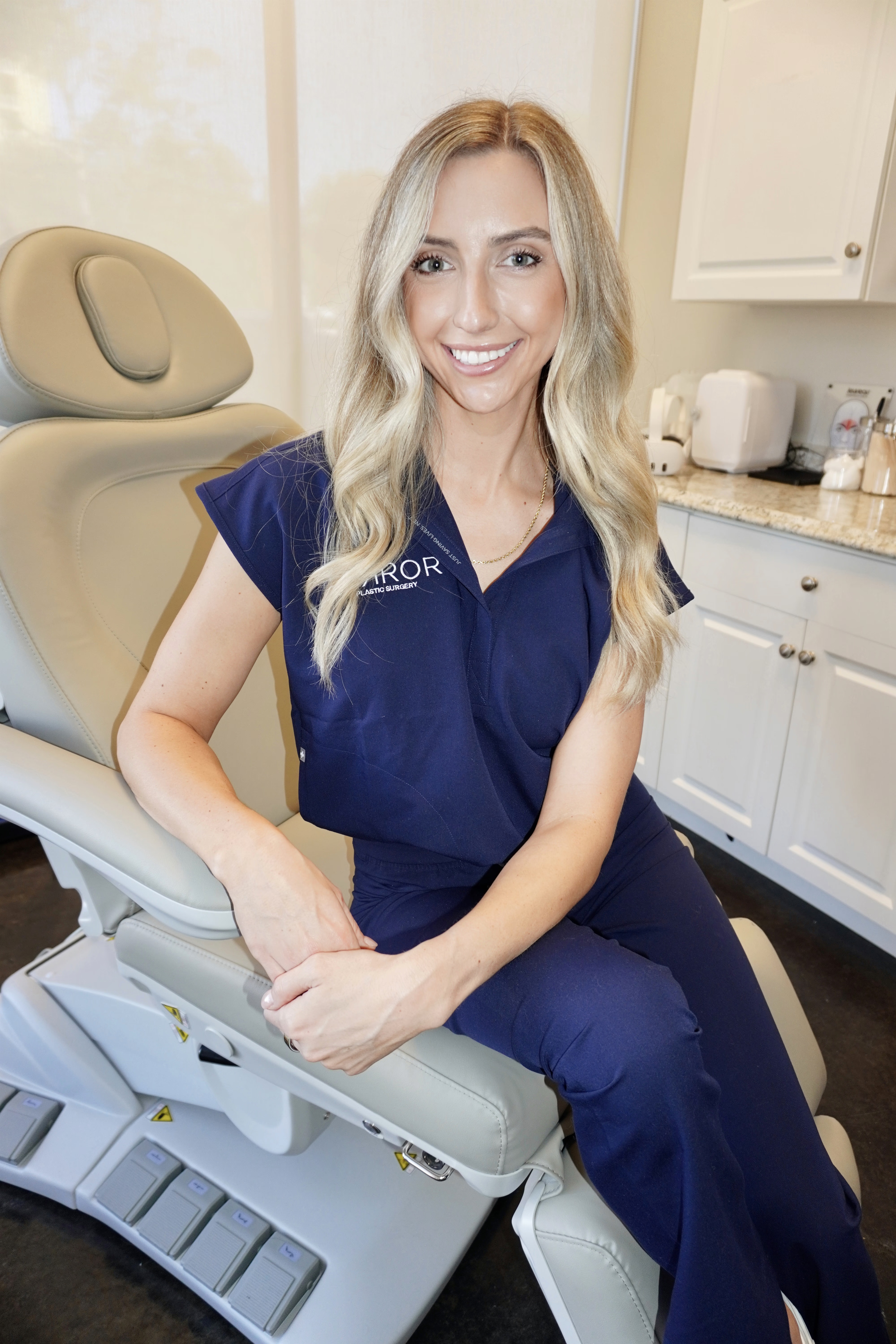
Ellie began her career at a high-end medical spa in Boston, which gave her a dual perspective that connects skin physiology and aesthetic assessment with the clinical science of peptide pharmacology. She grounds every protocol in patient education, lab-guided personalization, and clear communication about what current evidence supports and where data remain limited.
Book an appointment with Ellie for a comprehensive consultation that includes a review of your medical history and, when appropriate, a full lab panel.
Peptides and Autoimmunity: Core Concepts
Peptides are short chains of amino acids, the same building blocks as proteins, that act as biological signals. They instruct cells to perform specific functions such as reducing cytokine secretion, repairing mucosal tissue, or modulating immune cell behavior. Unlike broad-spectrum pharmaceuticals, peptides are designed to interact with defined molecular targets.
Autoimmune disease occurs when the immune system misidentifies the body’s own tissues as foreign and mounts an inflammatory attack. This represents misdirected immunity, such as joint attacks in rheumatoid arthritis or myelin damage in multiple sclerosis, rather than simple immune excess. Conventional immunosuppressants reduce the entire immune response. Peptide-based immune modulation instead aims to recalibrate specific signaling pathways, particularly NF-κB, MAPK, and cytokine cascades, without globally suppressing immune competence.
Step-by-Step: How Mirror’s Peptide Protocol Works
Mirror Plastic Surgery’s peptide process follows a structured sequence that keeps care organized and measurable.
- Consultation: A 30–60 minute session with Ellie covers full medical history, current medications, and health goals.
- Lab Review: Inflammatory markers such as CRP and ESR, immune panels, thyroid, liver, kidney, hormone, and metabolic markers are reviewed or ordered.
- Custom Protocol Design: A peptide stack is selected based on lab findings, condition profile, and goals, rather than a one-size-fits-all template.
- Administration Guidance: You receive clear instructions for reconstitution and self-administration, often supported by video demonstrations.
- Ongoing Monitoring: Follow-up labs at defined intervals track inflammatory markers and guide dose adjustments.
- Concierge Support: You have direct 24/7 text access to Ellie for questions, refills, and protocol refinement throughout your treatment.
Autoimmune Treatment Trends in 2026
Autoimmune research is shifting from broad immunosuppression toward precision immune modulation that targets specific cells or pathways, influenced by oncology immunotherapy advances between 2023 and 2025. A 2026 editorial in Biomedicines highlights precision immunomodulation as a key theme in peptide therapeutics, where peptides fine-tune immune signaling by recalibrating cytokine networks without broadly suppressing immunity. At the same time, new therapeutic targets include microbiome remodeling, metabolite support, immune microenvironment reconstruction, and barrier repair alongside immune modulation.
Concierge peptide practices that combine lab-guided evaluation with batch-tested sourcing now occupy a middle ground. They sit between unregulated online retail and the broad, less personalized protocols common in high-volume telemedicine platforms.
Key Safety Considerations Before Starting Peptides
Anyone evaluating peptide therapy for autoimmune conditions should consider several connected safety factors.
Supervision requirement: In autoimmune contexts, any immune-modulating compound can flare autoimmunity, so medical supervision, lower starting doses, and close monitoring are required. This supervision begins with careful baseline assessment.
Lab-guided personalization: Baseline labs such as CBC with differential, CRP or IL-6, and a basic metabolic panel help define your starting point. Follow-up labs then track inflammatory markers and show how your body responds over time.
Sourcing quality: Peptides obtained without batch testing carry unknown purity and dosage risks. Mirror Plastic Surgery sources exclusively from reputable providers with documented batch testing, which aligns real-world dosing with your personalized protocol.
Timeline expectations: Peptides such as KPV and BPC-157 may produce noticeable anti-inflammatory effects within two to four weeks, while meaningful immune retraining usually requires three to six months of consistent use. Short-term changes and long-term rebalancing represent different phases of the same process.
Maintenance and variability: Benefits tend to fade when peptide protocols stop, similar to other structured health regimens. Ongoing maintenance is often needed, and results vary by genetics, disease severity, lifestyle, and the specific peptide stack.1
Risks, Evidence Gaps, and Common Challenges
Peptide therapy for autoimmune conditions carries three main categories of risk. Unregulated sourcing creates exposure to products with no third-party quality verification, unknown active ingredient concentrations, and no dosing guidance. Contraindications also matter. Thymosin alpha-1 is contraindicated in pregnancy, organ transplant recipients, and patients on immunosuppressive therapy, and theoretical concerns exist around sustained NF-κB suppression in patients with active malignancy.
Evidence limitations form the third category. As of 2026, no peptide has a positive confirmatory Phase 3 trial in any autoimmune disease. Anti-inflammatory findings for BPC-157 and KPV come mainly from rodent models rather than large human randomized controlled trials.
Clearing Up Common Peptide Misconceptions
Three misconceptions frequently appear in online discussions of peptide therapy.
- “Peptides are only for weight loss.” GLP-class peptides dominate mainstream coverage, but BPC-157, KPV, GHK-Cu, Thymosin Alpha-1, and Selank relate to inflammation, gut healing, collagen production, immune modulation, and neurological health.
- “Results are permanent.” Peptide benefits usually depend on continued use. Stopping a protocol often leads to a gradual return toward baseline inflammatory status, especially in chronic autoimmune disease.
- “All peptide sources are equivalent.” Batch testing, purity verification, and accurate dosing are essential safety requirements. Unverified online sources do not provide these assurances.
Using Peptides to Support Natural Autoimmune Healing
The phrase “heal autoimmune naturally” reflects a desire to address root inflammatory mechanisms rather than suppress the immune system globally. Three peptides with the most relevant preclinical data for this goal are BPC-157, KPV, and GHK-Cu.
BPC-157 supports gastrointestinal mucosal healing and reduces intestinal permeability, which may decrease translocation of bacterial endotoxins and food antigens that trigger systemic immune activation in gut-linked autoimmune conditions. KPV enters intestinal epithelial cells and macrophages through the PepT1 transporter, which is upregulated in inflamed gut tissue, then accumulates in the nucleus to block NF-κB activation and reduce TNF-α, IL-1β, and IL-6 secretion. GHK-Cu influences thousands of genes involved in tissue repair and reduces inflammatory markers such as TNF-alpha and IL-6 while stimulating collagen and elastin production.
These mechanisms can work together. A practitioner may start with KPV to calm inflammatory signaling, then add BPC-157 for structural mucosal repair, with GHK-Cu supporting broader tissue remodeling. None of these peptides replace prescribed DMARDs or biologics for active autoimmune disease. They function as adjunctive agents under medical supervision.
Top Peptides for Inflammation in 2026
Based on 2025–2026 preclinical literature, several peptides show coherent mechanisms for inflammation management.
- KPV (Lys-Pro-Val): KPV inhibits NF-κB inflammatory signaling by stabilizing IκB-alpha and blocking nuclear translocation of the p65/RelA subunit, which suppresses TNF-alpha, IL-1beta, IL-6, IL-8, and COX-2 expression without broad immunosuppression. It is particularly relevant for gut-mediated autoimmune inflammation.
- BPC-157: BPC-157 reduces pro-inflammatory cytokines including IL-6, TNF-alpha, and interferon-gamma and decreases COX-2 gene expression, with consistent findings across more than 100 animal studies in gastrointestinal and musculoskeletal injury models.
- GHK-Cu: In intestinal fibroblast cultures, GHK-Cu at 10 ng/mL lowered TNF-α-induced IL-6 and IL-8 secretion by 35–48 percent while increasing Type I collagen expression 2.3-fold.
- Thymosin Alpha-1: A 2025 meta-analysis found that Thymosin Alpha-1 significantly reduced secondary infections in patients with severe inflammatory conditions, which supports its role when immune rebalancing, not suppression, is the goal.
All of these compounds remain investigational for autoimmune indications and lack FDA approval in this context. Human clinical trial data are limited, so protocols require medical supervision.
BPC-157 for Autoimmune-Related Inflammation
BPC-157, or Body Protective Compound 157, is a 15-amino-acid peptide derived from a protective protein in human gastric juice. Its anti-inflammatory profile in preclinical models appears consistent across multiple research groups. A 2026 preclinical study by Yıldırım et al. in Scientific Reports showed that BPC-157 at 20 µg/kg in rats with lower-limb ischemia-reperfusion injury significantly lowered IL-6 gene expression and IL-6 immunoreactivity compared with controls, reduced oxidative stress markers, downregulated pro-apoptotic genes, and partially restored VEGF expression.
The human evidence base remains early-stage. As of March 2026, only three published human clinical studies of BPC-157 exist, covering 30 patients in pilot reports without control groups or placebo arms. BPC-157 is not FDA-approved and is available in the United States only through 503A compounded prescriptions prescribed off-label by licensed physicians. Medical supervision represents the minimum safety standard for any BPC-157 protocol.
KPV for Gut-Driven Inflammation
KPV is the C-terminal tripeptide lysine-proline-valine from alpha-melanocyte-stimulating hormone. Its mechanism in gut inflammation ranks among the best characterized of any investigational peptide. In a 1998 Journal of Immunology study by Manna and Aggarwal, α-MSH and KPV blocked NF-κB activation at concentrations as low as 10 nM across diverse stimuli, including TNF-α, IL-1, lipopolysaccharide, and hydrogen peroxide, by stabilizing IκBα and preventing p65 nuclear translocation.
Dalmasso et al. in 2008 showed that KPV enters intestinal epithelial and immune cells through the PepT1 oligopeptide transporter, which is upregulated on inflamed colonic epithelium, allowing targeted concentration at inflamed sites independent of melanocortin receptors. In the 2008 Kannengiesser et al. DSS-colitis mouse study, oral KPV at 100 micromolar reduced colitis severity by about 50 percent, based on myeloperoxidase activity, and preserved mucosal architecture in a PepT1-dependent manner.
Regulatory status continues to evolve. The FDA’s Pharmacy Compounding Advisory Committee plans to evaluate KPV for possible addition to the Section 503A Bulk Drug Substances List on July 23, 2026, specifically for wound healing and inflammatory conditions, following a policy shift toward revisiting peptide compounding restrictions. KPV currently has no human clinical trials for IBD, gut health, or anti-inflammatory use, so all proposed benefits come from cell culture and mouse studies. This gap underscores the need for practitioner-supervised use with ongoing monitoring.
Supervised Peptide Therapy vs. Buying Online
The difference between medically supervised peptide therapy and unregulated online purchasing is a safety issue, not a lifestyle choice. Online peptide retailers usually sell compounds labeled “for research purposes only” with no third-party batch testing, no dosing guidance, and no screening for contraindications. KPV sold on the unregulated gray market raises concerns about product quality, sterility, accurate dosing, and contamination.
Mirror Plastic Surgery’s model addresses these gaps directly.
- Comprehensive medical history review and lab panel before any protocol begins.
- Peptides sourced only from providers with documented batch testing for purity and accurate dosage.
- Custom protocol design based on individual lab results, not generic templates.
- Twenty-four-seven direct text access to Ellie for questions, side effect monitoring, and protocol adjustments.
- Remote service delivery across all 50 U.S. states, including Hawaii and Alaska.
- Follow-up lab monitoring at defined intervals to track inflammatory markers and guide changes.
Book an appointment with Ellie to access a supervised, lab-guided peptide protocol with batch-tested sourcing and ongoing concierge support.
Pharmaceutical vs. Peptide Approaches: Side-by-Side Comparison
| Approach | Mechanism | Clinical Safety Profile | Evidence & Regulatory Status | Typical Monitoring |
|---|---|---|---|---|
| Conventional DMARDs (e.g., methotrexate, azathioprine) | Broad non-specific immunosuppression; methotrexate inhibits dihydrofolate reductase; azathioprine inhibits purine synthesis | Hepatotoxicity, bone marrow suppression, increased infection risk, high discontinuation rates due to toxicity, teratogenicity | Longstanding use with robust clinical data; no curative effect; often combined with biologics for adequate control. | CBC weekly in month 1, twice monthly in months 2–3, then monthly; liver function tests periodically; TPMT genetic testing before azathioprine |
| Biologics (e.g., TNF inhibitors: infliximab, adalimumab) | Targeted blockade of specific cytokines or immune receptors, such as TNF-α, to reduce downstream inflammatory signaling | Elevated risk of serious infections and lymphomas; infusion or injection reactions; require screening for latent infections | FDA-approved for multiple autoimmune conditions with large RCT data; high cost; not curative; not curative; loss of response can occur. | Pre-treatment TB and hepatitis screening per CDC/ACR guidelines; periodic CBC and liver function tests; age-appropriate cancer screening |
| Corticosteroids (e.g., prednisone) | Broad suppression of humoral and cell-mediated immunity; inhibition of inflammatory gene transcription via glucocorticoid receptor | Long-term use can cause diabetes, hypertension, cardiovascular disease, osteoporosis, and avascular necrosis; unsuitable for chronic maintenance | Widely available and inexpensive; effective for rapid symptom control; strong evidence of harm with prolonged high-dose use. | Individualized monitoring of acute and chronic adverse effects; bone density scans; glucose and blood pressure tracking |
| Lab-guided peptide protocols (e.g., KPV, BPC-157, GHK-Cu under medical supervision) | Targeted inhibition of NF-κB and MAPK pathways; mucosal repair via VEGF/FGF signaling; cytokine modulation without global immune suppression | Short-term safety in small cohorts and extensive animal data; long-term human safety not yet established; quality varies by source. | No confirmatory Phase 3 human RCT for autoimmune indications as of 2026; not FDA-approved; evidence base primarily preclinical | Baseline CBC with differential, CRP or IL-6, and metabolic panel; follow-up labs at weeks 4, 8, and 12 to track inflammatory markers and immune reconstitution |
Frequently Asked Questions
Are peptides FDA-approved for autoimmune disease?
No peptide currently holds FDA approval specifically for autoimmune disease treatment. Many peptides used in clinical practice, including BPC-157 and KPV, are available through 503A compounding pharmacies under a licensed physician’s prescription but carry no approved indication. Thymosin alpha-1 is approved in more than 35 countries as Zadaxin for hepatitis B, but not in the United States for autoimmune conditions. The regulatory landscape continues to evolve, and KPV’s July 2026 FDA review for wound healing and inflammatory conditions highlights this shift. Medical supervision and batch-tested sourcing remain essential.
Can peptide therapy replace my current immunosuppressant medications?
Peptides do not replace prescribed DMARDs, biologics, or other immunosuppressive therapies for active autoimmune disease. They work best as complementary agents for immune rebalancing alongside conventional treatment. Any changes to existing medications must occur under direct physician supervision with appropriate monitoring. Ellie’s consultation process includes a full review of current medications to identify contraindications or interactions before designing a peptide protocol.
What is the difference between buying peptides online and getting them through Mirror Plastic Surgery?
The key differences appear in the “Supervised Peptide Therapy vs. Buying Online” section above. In brief, online retailers provide no batch testing, dosing guidance, or medical screening. Mirror Plastic Surgery’s model includes comprehensive medical review, batch-tested sourcing, custom protocol design, and 24/7 practitioner access, which supports safety and more predictable outcomes.
How long does it take to see results from peptide therapy for inflammation?
Timeline varies by peptide, condition, and individual physiology. Some people notice anti-inflammatory effects from peptides such as KPV and BPC-157 within two to four weeks. Deeper immune rebalancing, including regulatory T cell changes with Thymosin Alpha-1, usually requires three to six months of consistent use. Genetics, disease severity, lifestyle, and adherence all influence outcomes.1 Mirror Plastic Surgery’s follow-up lab monitoring allows Ellie to assess progress objectively and adjust protocols.
Will I need to take peptides indefinitely?
Chronic autoimmune conditions often require ongoing maintenance protocols to sustain benefits. Stopping peptide therapy typically leads to a gradual return toward baseline inflammatory status, similar to stopping other structured health regimens. Ellie designs protocols with long-term sustainability in mind, including maintenance phases that balance efficacy with practicality. The goal is a calibrated, evolving protocol that reflects your changing lab markers and health status, not indefinite high-dose therapy.
Conclusion: A Personalized Path for Autoimmune Care
The most effective autoimmune treatment in 2026 is not a single drug or peptide. It is a personalized, lab-guided approach that matches interventions to each person’s inflammatory profile, disease history, and goals. Conventional immunosuppressants carry well-documented risks, including infection, malignancy, organ toxicity, and incomplete remission. Emerging peptide therapies such as KPV, BPC-157, and GHK-Cu offer targeted approaches to inflammation, yet their evidence base remains primarily preclinical, and safe use requires qualified medical supervision, batch-tested sourcing, and ongoing monitoring.1
Mirror Plastic Surgery’s concierge model, led by Ellie Pranckevicius, FNP-BC, provides this framework through individualized evaluation, custom protocol design, quality-assured peptides, and direct practitioner access throughout treatment.
Book an appointment with Ellie to begin a comprehensive evaluation and design a protocol built around your lab results, your condition, and your goals.
Disclaimer: Peptide therapies discussed in this article are not FDA-approved for the treatment of autoimmune disease. All information is provided for educational purposes only and does not constitute medical advice. Results vary by individual. Peptide protocols at Mirror Plastic Surgery are available only following a qualified medical consultation and are not a replacement for prescribed medications or physician-supervised care. Consult your treating physician before making any changes to your current treatment regimen.
1 Results may vary from person to person. Editorial content, before and after images, and patient testimonials do not constitute a guarantee of specific results.
Peptide therapy is intended for wellness and optimization purposes and is not prescribed to diagnose, treat, cure, or prevent disease unless specifically stated. Many peptides are not FDA-approved and may be used off-label. Some have limited long-term safety data, with a potential for unknown risks, complications, or desensitization with prolonged use.