
Written by: Ellie Pranckevicius, FNP-BC, Aesthetic Nurse Practitioner & Aesthetic Injector | Facial Restoration & Regenerative Injectable Specialist, Mirror Plastic Surgery
Key Takeaways
- Medical spa treatments are non-surgical procedures performed under licensed medical oversight, delivering structural and corrective results that day spas cannot achieve.
- This 2026 guide covers five major categories: injectables, lasers and energy devices, skin rejuvenation, body contouring, and peptide therapies, each with distinct benefits, downtime, and candidate criteria.
- Regulatory standards vary by state. Florida requires physician supervision and AHCA registration, so careful provider vetting protects your safety and compliance.
- Emerging 2026 trends include biostimulatory injectables, post-GLP-1 body contouring, AI-driven skin diagnostics, and expanded wellness integration with peptide and functional medicine protocols.
- Schedule your personalized consultation at Mirror Plastic Surgery to explore safe, medically supervised treatments tailored to your goals.
Medical Spa Treatments at a Glance: Comparison Table
The following table compares the five main treatment categories, including core benefits, typical downtime, and who tends to be a good candidate.
| Category | Primary Benefits | Typical Downtime | Ideal Candidates |
|---|---|---|---|
| Injectables & Dermal Fillers | Dynamic wrinkle reduction, volume restoration, collagen stimulation | 0–24 hours for neurotoxins, 1–5 days for fillers depending on area | Adults with expression lines, volume loss, or structural aging concerns and no neuromuscular contraindications |
| Laser, Light & Energy Services | Pigmentation correction, vascular treatment, hair removal, skin tightening | 0–2 days non-ablative, 5–10 days fractional ablative | Adults with sun damage, redness, unwanted hair, or laxity. Fitzpatrick I–III preferred for ablative modalities |
| Skin Rejuvenation & Resurfacing | Texture refinement, acne scar improvement, collagen remodeling | 1–3 days microneedling, 5–7 days medium peel, 10–14 days deep peel | Adults with acne scarring, photoaging, or uneven texture who are not on isotretinoin and have no active skin infection |
| Body Contouring & Wellness | Localized fat reduction, muscle toning, skin tightening | Minimal to none for non-invasive modalities, with results developing over 8–12 weeks | Adults near goal weight with localized fat deposits or post-weight-loss skin laxity and stable weight for at least three months |
| Peptide & Wellness Therapies | Inflammation management, metabolic support, collagen production, energy, recovery | Minimal, varying by compound and administration route | Adults with chronic inflammation, weight management goals, skin aging concerns, or energy deficits who have completed lab review and medical screening |
How Medical Spas Differ from Regular Day Spas
The difference between a medical spa and a regular spa is regulatory and clinical, not just cosmetic. A medical spa must include non-invasive or minimally invasive aesthetic medical treatments, oversight by a licensed physician or independent practitioner, delivery of services by skilled healthcare professionals, and a relaxing spa-like atmosphere maintained to medical-grade standards. Day spas operate as retail wellness businesses under cosmetology board jurisdiction and cannot legally perform injectables, prescription-strength chemical peels, or medical-grade laser procedures.
Many states lack specific regulations for medical spas, and a substantial number of facilities operate without a formal physician practice affiliation. This variation makes careful provider vetting essential. In Florida, medical spas must operate under the supervision of a licensed physician and must register with the Agency for Health Care Administration (AHCA).
Day spas employ licensed estheticians and massage therapists whose scope remains limited to surface-level services. Medical spas begin with structured consultations that review health history, medications, allergies, and a detailed skin analysis for texture, elasticity, pigmentation, volume loss, and laxity to create personalized treatment plans. This diagnostic approach replaces the single-service menu model common at day spas.
Understanding these regulatory and clinical distinctions becomes even more important as the medical spa industry evolves. The following trends outline what patients can expect in 2026.
Top Medical Spa Treatment Trends for 2026
Minimally invasive med spa procedures continue to grow, with neuromodulators, dermal fillers, and biostimulatory injectables driving revenue by delivering longer-lasting, natural-looking results while stimulating collagen production. Several converging trends define 2026:
- Biostimulator growth: Galderma reported first-quarter 2026 net sales of $1.473 billion, growing 25.5% at constant currency as patients diversify from Botox toward longer-lasting regenerative and collagen-stimulating options.
- Combination therapies: Stacking neurotoxins with biostimulatory injectables or pairing microneedling with PRF has become standard practice to achieve more personalized, layered outcomes.
- Post-GLP-1 aesthetics: The fastest-growing aesthetic consultation category in 2026 is the post-GLP-1 patient, with body contouring, facelift, and volume restoration frequently combined after 15–25% body weight loss on semaglutide or tirzepatide.
- AI-driven diagnostics: AI-powered skin diagnostics use 3D facial mapping to analyze pore size, pigmentation depth, vascular patterns, UV damage, and moisture levels, generating reproducible skin reports in under 60 seconds.
- Wellness integration: Med spas in 2026 are expanding into functional medicine with lab-based diagnostics, IV therapy, physician-supervised medical weight loss, bioidentical hormone therapy, and gut health programs that address systemic concerns beyond aesthetics.
- Peptide therapies: Peptide therapies including BPC-157 and CJC-1295/Ipamorelin appear in 2026 wellness protocols for recovery, tissue repair, and growth hormone signaling alongside hormone optimization.
1. Injectables & Dermal Fillers
Injectables include neurotoxins such as Botox, Dysport, and Daxxify, hyaluronic acid dermal fillers, and biostimulatory injectables such as Sculptra and Radiesse. Neurotoxins relax muscles to soften dynamic wrinkles, while fillers restore volume and biostimulators trigger the body’s own collagen production for gradual structural improvement.
Botox results appear in stages. Early effects show between days 4 and 7, peak muscle relaxation occurs by days 7 to 14, and typical duration is 3 to 4 months before dynamic wrinkles return.1 Daxxify neurotoxin often lasts 6 to 9 months compared to the typical 3 to 4 months of Botox, Dysport, and Xeomin.1 Biostimulatory fillers such as Sculptra and Radiesse stimulate collagen for results that can last 1 to 2 years or longer.1
Absolute contraindications include pregnancy, breastfeeding, active infection at the injection site, known allergy to product components, and neuromuscular disorders such as myasthenia gravis for botulinum toxin. Relative contraindications include anticoagulant therapy, history of cold sores for perioral treatments, and recent dental procedures, with a recommended two-week gap.
Injectable trends in 2026 favor natural contour and skin-quality enhancement instead of overfilling. Providers tailor placement, dose, and treatment cadence after a thorough facial and medical assessment.
2. Laser, Light & Energy Services
Laser, light, and energy services include fractional CO₂ and erbium laser resurfacing, intense pulsed light, radiofrequency microneedling, laser hair removal, and multi-wavelength platforms. Each modality targets a specific chromophore, such as melanin, water, or hemoglobin, to address pigmentation, vascular lesions, hair follicles, or collagen remodeling.
Full ablative CO₂ laser resurfacing usually requires 10 to 14 days of downtime. Fractional CO₂ often requires 3 to 5 days, and non-ablative lasers involve minimal downtime while treating photoaging, texture, and scarring. A series of IPL treatments can reduce visible sun damage by an average of 60 to 75 percent, with 3 to 5 sessions spaced 3 to 4 weeks apart.1
Energy-based devices including UltraClear Laser (+85 percent), truSculpt (+84 percent), NeoGen Plasma (+81 percent), and SmartXide (+109 percent) posted strong gains in Q1 2026. These platforms deliver the structural, long-lasting results patients increasingly seek, including collagen remodeling, skin tightening, and fat reduction, without the downtime or risks of surgery.
Absolute contraindications for laser and IPL treatments include current isotretinoin use with a minimum six-month washout, active skin infection, pregnancy, and photosensitizing medications. Relative contraindications include darker skin types in Fitzpatrick IV to VI, history of keloid scarring, and active dermatological conditions such as eczema or psoriasis. Longer wavelengths are generally preferred in higher Fitzpatrick phototypes to reduce pigmentary risk.
3. Skin Rejuvenation & Resurfacing
Skin rejuvenation and resurfacing services include microneedling, chemical peels at superficial, medium, and deep depths, microdermabrasion, and combination protocols such as microneedling with PRP or PRF. These treatments speed cell turnover, stimulate collagen, and improve texture, tone, and scar appearance.
A series of three microneedling sessions can improve acne scar appearance by up to 50 to 70 percent in patients with moderate scarring.1 Collagen remodeling continues for up to six months after a single session, with optimal results from 3 to 6 sessions spaced 4 to 6 weeks apart.1
A 2025 pilot study in Aesthetic Surgery Journal found that exosome-enhanced microneedling produced 41 percent greater collagen density improvement at 90 days compared to microneedling alone. Patients also returned to baseline skin appearance 2.3 days faster after laser procedures when exosomes were added.
Contraindications include active acne or rosacea, active infection, blood clotting disorders, current isotretinoin use, keloidal scarring tendency, and active skin cancer in the treatment area. Strict sun protection remains essential for the first year after resurfacing to prevent irregular pigmentation.
Barrier-first dermatologic care anchors safe, predictable in-clinic results in 2026. Daily routines build tolerance before clinicians layer treatment intensity.
4. Body Contouring & Wellness
Non-surgical body contouring uses cryolipolysis, radiofrequency, high-intensity focused electromagnetic energy, ultrasound, and laser lipolysis to reduce localized fat deposits and tighten skin without incisions. The global body contouring devices market is projected to reach USD 3.86 billion by 2030.
CoolSculpting achieves an average fat reduction of 20 to 25 percent per session in the treated area, with visible changes typically appearing at weeks 4 to 8 and final results at months 3 to 6.1 Emsculpt NEO produces an average 25 percent increase in muscle mass and 30 percent reduction in subcutaneous fat after a complete series of typically four sessions, with peak results at months 1 to 3.1
Contraindications for energy-based body contouring include pregnancy or active breastfeeding, active skin infections or open wounds in the treatment area, metal implants or electronic devices such as pacemakers in or near the treatment zone, history of keloid scarring in some cases, and uncontrolled diabetes or bleeding disorders. Strong candidates are adults within 10 to 30 pounds of their goal weight with localized fat deposits resistant to diet and exercise and stable weight for at least three months.
Body contouring in the post-GLP-1 era has expanded beyond fat removal into full-body reshaping, skin quality improvement, and structural refinement. Body lift pageviews surged 31 percent, and Brazilian butt lift interest rose 42 percent in Q1 2026.
While body contouring focuses on structural changes, a fast-growing segment of 2026 medical spa services targets systemic health through peptide and wellness therapies. These treatments bridge aesthetics with functional medicine.
5. Peptide & Wellness Therapies
Peptides are short chains of amino acids, typically 2 to 50 residues, that act as biological signaling molecules. They bind to specific receptors and modulate cellular processes such as inflammation, tissue repair, hormone secretion, collagen synthesis, and neurotransmission. In biohacking and longevity medicine, peptide therapies target systemic concerns that conventional treatments may not fully address.
The global peptide therapeutics market was valued at $140.86 billion in 2025 and is projected to reach $294.58 billion by 2033 at an 8.73 percent compound annual growth rate. Google searches for “are peptides safe” increased sharply year over year, reflecting rapid mainstream interest.
Peptide Compounds Used at Mirror Plastic Surgery
Mirror Plastic Surgery offers a range of peptide compounds, each selected for a specific physiological target. The list below highlights what each peptide aims to support so you can match options to your goals.
- GHK-Cu (Copper Peptide): Plasma GHK-Cu levels decline from 200 ng/mL at age 20 to 80 ng/mL at age 60, which correlates with reduced skin repair capacity. GHK-Cu modulates approximately 31 percent of human genes overall, with documented effects on antioxidant defense, DNA repair, and tissue remodeling pathways. It is used for collagen and elastin production, skin health, hair and nail rejuvenation, and melasma.
- BPC-157 (Body Protective Compound 157): BPC-157 is used for systemic inflammation, targeting muscle, tendon, ligament, and joint repair. Despite over 100 animal studies supporting these applications, BPC-157 has limited human data, a gap that led the FDA to place it on its Category 2 do-not-compound list in 2023 citing safety concerns and insufficient clinical evidence. This classification remains under active regulatory review, so medical supervision is essential for any consideration of use.
- TB-500 (Thymosin Beta-4): TB-500 is used for soft tissue inflammation and wound repair and is often combined with BPC-157 in recovery-focused protocols.
- GLP-3R Compounding: GLP-3R is a newer-generation peptide similar to GLP-1 and is reported to have fewer gastrointestinal side effects, reduced risk of muscle wasting, and broader indications including insulin resistance, weight management, and cardiovascular risk factors. The metabolic disorders segment accounted for approximately 64 percent of the peptide therapeutics market in 2025, driven by rising obesity and diabetes rates and strong clinical adoption of GLP-1 receptor agonists.
- NAD (Nicotinamide Adenine Dinucleotide): NAD targets mitochondrial function for energy production and cellular anti-aging. NAD+ infusions and NMN or NR supplementation rank among the top wellness and longevity procedures of 2026.
- KPV: KPV targets inflammation within the gut microbiome and may reduce risks associated with irritable bowel disease and colon cancer.
- Sermorelin/Ipamorelin (Growth Hormone Releasing Peptides): These peptides stimulate natural growth hormone production. Growth hormone secretion declines after age 30, which contributes to decreased lean body mass, increased visceral adiposity, and impaired recovery.
- Kisspeptin: Kisspeptin is a fertility peptide that has shown promise in IVF trials for improving positive outcomes.
- PT-141 (Bremelanotide): PT-141 is FDA-approved for treating premenopausal hypoactive sexual desire disorder via MC3R and MC4R melanocortin pathways. It is also used off-label for men who do not respond to standard medications, although nausea occurs in up to 40 percent of subjects at standard doses.
- Selank: Selank is a nootropic peptide used for anxiety and depression and acts on brain pathways similar to benzodiazepines without the same addictive or dependency profile.
How Peptide Protocols Are Customized After Lab Review
Peptide protocols at Mirror Plastic Surgery are built from clinical data rather than a fixed menu. Each protocol begins with a comprehensive 30 to 60 minute consultation with Ellie Pranckevicius, FNP-BC, during which she reviews medical history, current medications, and specific health goals.
For weight management or inflammatory conditions, Ellie reviews or orders in-depth lab panels that cover thyroid, liver, kidney, diabetes markers, and hormone levels before starting any protocol. Custom peptide stacks, such as the Glow Stack that combines GHK-Cu, BPC-157, and TB-500 for inflammation and skin aging, are then designed from this clinical foundation.
Book an appointment with Ellie to discuss your lab results, health history, and specific peptide protocol options at Mirror Plastic Surgery in St. Petersburg, Florida.
Peptide Therapy Safety Considerations
Peptide therapies involve meaningful systemic effects, so safety screening and proper handling protect patients from avoidable risks.
- Pregnancy and breastfeeding: Peptide therapies are not recommended during pregnancy or breastfeeding because safety data for these populations are lacking.
- Active cancer: Several peptides work through mechanisms that up-regulate growth hormone and other growth pathways, which may also promote tumor growth and hormonal imbalance. Active cancer is therefore a strict contraindication.
- Heat and injection sites: Patients using injectable peptide protocols should avoid hot tubs, saunas, and prolonged heat exposure around injection sites in the immediate post-administration period. This precaution reduces irritation and variability in systemic absorption.
- Post-treatment technique and storage: Proper reconstitution, sterile injection technique, and cold-chain storage are essential. Mirror Plastic Surgery provides detailed reconstitution instructions and video demonstrations to all patients so they can follow each step confidently.
- Quality sourcing and contamination risk: An analysis of counterfeit peptide drugs sold online from Europe found contamination by arsenic at concentrations exceeding established toxicity limits for injectable drugs. Mirror Plastic Surgery sources exclusively from reputable providers with rigorous batch testing.
- Regulatory status and medical oversight: Most wellness peptides are not FDA-approved for the indications for which they are commonly used. Newer injectable peptides lack standardized dosing and frequency data and are often sold through the grey market or online sites without manufacturing oversight, which increases risks of contamination and inaccurate ingredients. Medical supervision helps mitigate these risks through screening, quality sourcing, and individualized dosing.
After understanding these safety factors, it becomes easier to see why misconceptions about peptides can spread quickly and why clear education matters.
Common Misconceptions About Peptide Therapies
Several misconceptions circulate about peptide therapies, and addressing them directly helps patients make informed decisions.
- “Peptides are only for weight loss.” GLP-1 receptor agonists dominate public awareness, but peptide therapies also address inflammation, autoimmune conditions, post-surgical recovery, neurological health, energy, skin aging, sexual wellness, and fertility.
- “Animal study results translate directly to humans.” Most research on popular synthetic peptides such as BPC-157 has been conducted in animals or labs rather than humans. Clinical trials are required to confirm any positive or negative effects, according to cell and molecular biologist Paul Knoepfler of UC Davis.
- “Results are permanent after stopping.” When peptide use stops, benefits typically diminish over time, similar to stopping any health regimen. Maintenance protocols are often necessary to sustain outcomes.
- “All peptide sources are equivalent.” Quality varies dramatically between supervised medical protocols and unregulated online sources. Batch testing, proper storage, and medical oversight remain non-negotiable for safety.
Meet Ellie Pranckevicius, FNP-BC, Your Peptide and Aesthetics Provider
Ellie Pranckevicius, FNP-BC, serves as the lead practitioner for peptide therapies and non-surgical aesthetics at Mirror Plastic Surgery. She is a board-certified Family Nurse Practitioner who earned her Bachelor’s in Health Science from Boston University, completed an aesthetics licensure program, and obtained both her Bachelor’s and Master’s in Nursing from the University of South Florida.
Her clinical foundation includes four years in the Neuroscience ICU at Tampa General Hospital, where she developed deep expertise in physiology, metabolic health, and complex patient recovery. This experience directly informs her approach to peptide protocols and aesthetic care. Ellie’s combination of esthetician training and advanced nursing credentials allows her to connect aesthetic goals with the clinical science required to achieve them safely.
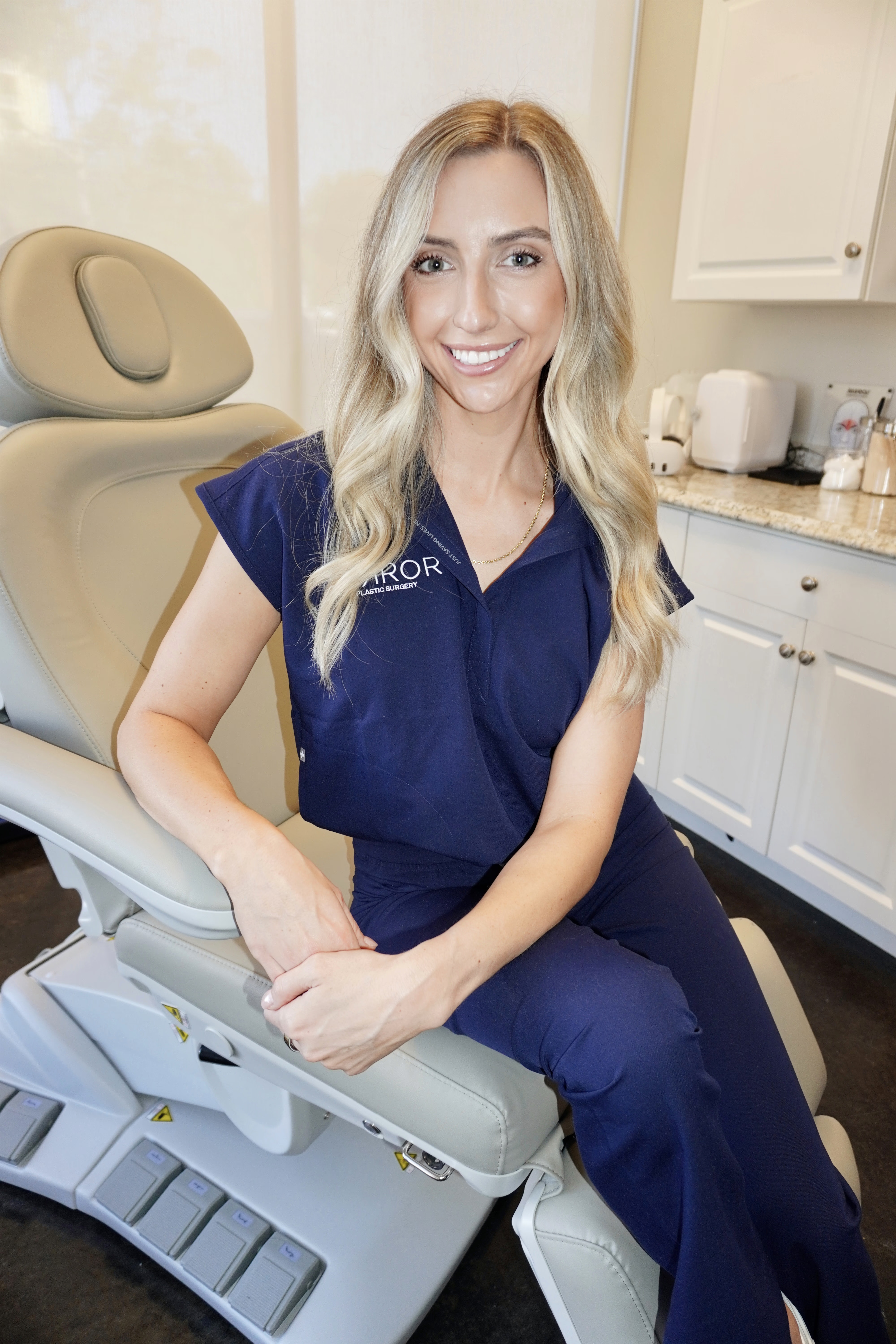
Her approach centers on education and transparency. She explains the physiology behind each recommendation in relatable terms and tells patients when a service is not yet necessary, prioritizing long-term outcomes over short-term revenue.
Book an appointment with Ellie to review your lab work, discuss realistic timelines, and receive concierge-level support throughout your peptide or aesthetic treatment plan.
How to Choose a Medical Spa Provider
Provider selection is the single most consequential decision a patient makes when pursuing medical spa treatments. The factors below help distinguish evidence-based, medically supervised practices from facilities that carry higher risk.
- Medical director involvement: Confirm that a licensed physician is actively involved in clinical protocols, not merely listed on a certificate. In Florida, medical spas must register with the AHCA and maintain complete patient records for a minimum of seven years.
- Provider credentials: Treatments should be performed by or under the direct supervision of a physician, nurse practitioner, or physician assistant with documented training in the specific modality being offered.
- Consultation process: A legitimate medical spa conducts a diagnostic consultation that reviews medical history, medications, allergies, and treatment goals before any procedure. For peptide therapies, lab panels should be reviewed or ordered as clinically indicated.
- Sourcing transparency: For peptide therapies, ask whether compounds are sourced from providers with batch testing and documented purity standards.
- Complication protocols: Ask specifically what the facility’s plan is for managing adverse events such as vascular occlusion from fillers, post-inflammatory hyperpigmentation from lasers, or unexpected reactions to peptides.
- Ongoing support: Effective medical spa care extends beyond the treatment session. Providers should offer structured follow-up, maintenance guidance, and accessible communication channels.
Patients who trust their med spa practitioner tend to report higher satisfaction with treatment. Trust grows through transparency, credentials, and consistent communication, not marketing language.
Frequently Asked Questions
Are peptide therapies FDA-approved?
As noted in the safety section, many wellness peptides lack FDA approval for the specific indications promoted in medical spa settings. Over 100 peptide-based drugs are FDA-approved globally for conditions such as diabetes, cancer, and HIV-related complications, and these drugs underwent rigorous clinical trials. The key distinction is between FDA-approved peptide drugs, which have defined indications and dosing, and investigational wellness peptides such as BPC-157 and TB-500, which have limited human data.
The primary risk often comes from obtaining compounds through unregulated sources without medical supervision. At Mirror Plastic Surgery, Ellie Pranckevicius conducts in-depth consultations, reviews lab panels, and sources compounds exclusively from providers with documented batch testing and quality standards, which reduces the risks associated with the unregulated online market.
What conditions can peptide therapies address?
Peptide therapies at Mirror Plastic Surgery address a broad range of systemic concerns, including chronic inflammation, autoimmune conditions such as psoriasis, weight management and metabolic health, post-surgical recovery, collagen and elastin production for skin aging, energy and mitochondrial function, anxiety and depression as an adjunct or transition from pharmaceuticals, sexual wellness, and fertility support. Protocols are individualized based on each patient’s lab results, medical history, and specific goals rather than a one-size-fits-all template.
How long does it take to see results from peptide therapies?
Timelines vary significantly by compound, condition, and individual physiology. Some patients report initial improvements, such as reduced inflammation or improved energy, within the first week of use. Skin-focused peptides such as GHK-Cu typically require consistent use over several weeks to months before collagen and elastin changes become visible.
Weight management peptides may produce measurable metabolic changes within the first month. Ellie Pranckevicius sets realistic, individualized expectations during the consultation and monitors progress through follow-up lab panels and direct communication.
1 Results may vary from person to person. Editorial content, before and after images, and patient testimonials do not constitute a guarantee of specific results.
Peptide therapy is intended for wellness and optimization purposes and is not prescribed to diagnose, treat, cure, or prevent disease unless specifically stated. Many peptides are not FDA-approved and may be used off-label. Some have limited long-term safety data, with a potential for unknown risks, complications, or desensitization with prolonged use.