

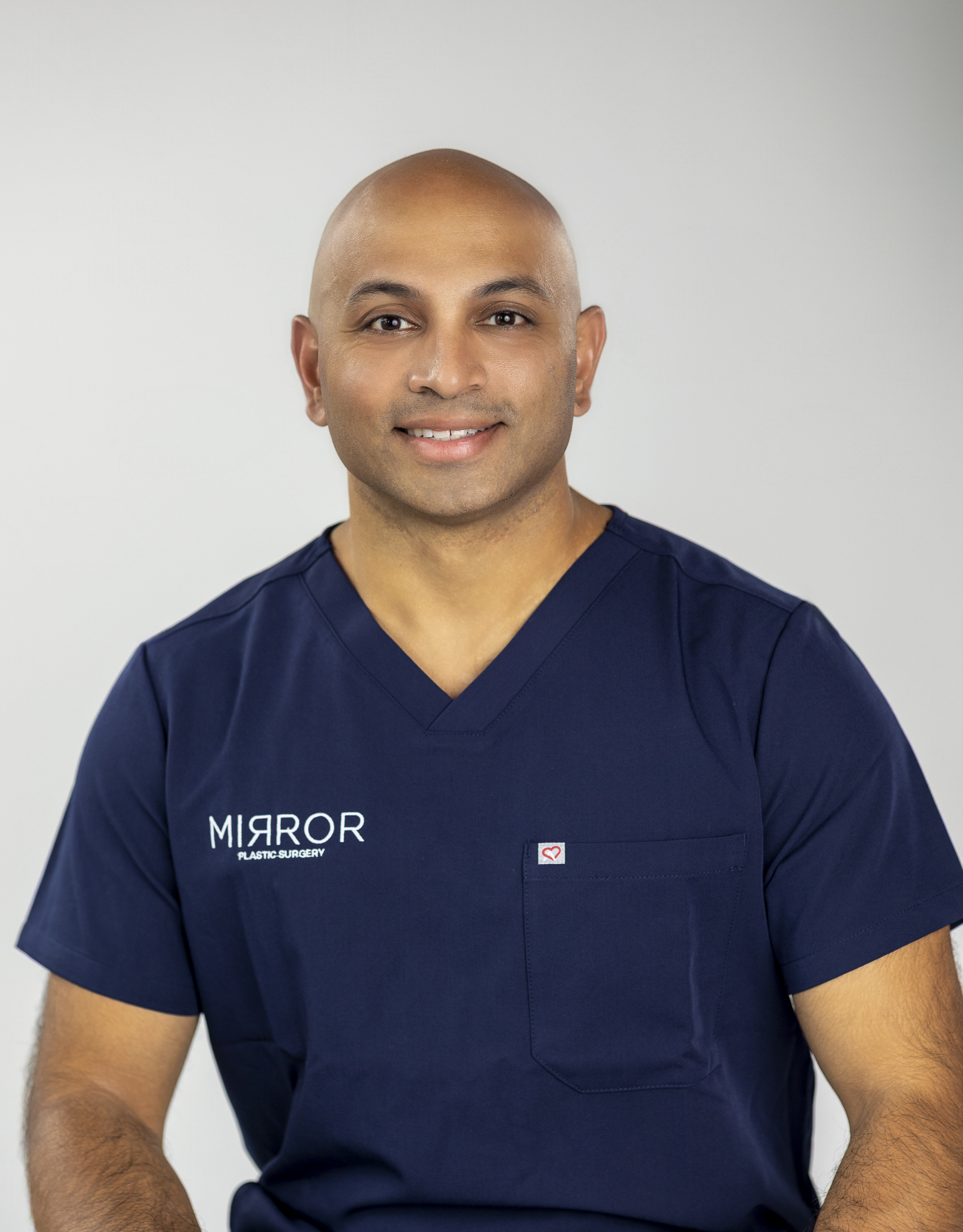
Written by: Dr. Akash Chandawarkar, Board Certified Plastic Surgeon, Mirror Plastic Surgery | Last updated: July 12, 2026
Key Takeaways
- Extended tummy tucks treat circumferential skin laxity that reaches the flanks and love handles after major weight loss or multiple pregnancies, not mild front‑only abdominal concerns.
- Strong candidates maintain a stable weight, have completed childbearing, are in good overall health, and avoid nicotine to reduce surgical risk.
- The extended procedure uses a longer incision that passes the iliac crest and treats the abdomen, flanks, and lateral torso in one operation.
- Active smoking, BMI above 30 without clearance, plans for future pregnancy, or uncontrolled medical conditions usually disqualify patients from extended abdominoplasty.
- A personalized evaluation at Mirror Plastic Surgery clarifies whether an extended tummy tuck matches your anatomy and goals.
How an Extended Tummy Tuck Works
An extended tummy tuck is a form of abdominoplasty that removes excess skin and fat from the abdomen, flanks, and sometimes the lower back. The incision continues past the iliac crest toward the midaxillary line. A standard abdominoplasty treats only the front of the abdomen between the hip bones. The extended technique reaches the love handles and lateral torso. Surgeons repair diastasis recti at the same time when needed.
Ideal Candidate Profile for Extended Abdominoplasty
Ideal candidates meet both anatomical and medical criteria drawn from current clinical guidance.
- Loose, hanging skin around the abdomen and flanks that does not respond to diet or exercise, with laxity wrapping around the love handles toward the lower back
- History of significant weight loss, bariatric surgery, or multiple pregnancies with remaining circumferential skin excess
- Stable weight maintained for several months, with post-bariatric patients often waiting longer after surgery
- BMI in a range that supports lower surgical risk or near a stable goal weight maintained for several months
- Completed childbearing, because pregnancy afterward can reverse muscle repair and skin tightening
- Diastasis recti (abdominal muscle separation) causing symptoms such as back pain or poor posture
- Good overall health with no uncontrolled systemic conditions
- Realistic expectations about results and a reliable support system for recovery
Extended Tummy Tuck Versus Standard Abdominoplasty
The table below compares standard and extended abdominoplasty on the same key metrics. A full lower body lift with a 360-degree circumferential incision is a separate procedure used when laxity extends fully around the posterior torso and buttocks, beyond the scope of either technique shown here.
| Metric | Standard Abdominoplasty | Extended Abdominoplasty |
|---|---|---|
| Anatomical indication | Mild to moderate skin laxity primarily on the lower abdomen after pregnancy or minor weight fluctuations | Significant skin laxity affecting both the abdomen and flanks after major weight loss or multiple pregnancies |
| Incision length | Hip to hip (ASIS to ASIS), within the bikini line | Past the iliac crest to the midaxillary line (anterior or posterior) |
| Areas addressed | Anterior abdominal skin, fat, and diastasis recti confined between the hip bones | Abdomen, flanks, hips, and outer thighs in addition to the anterior abdomen |
| Typical candidate | Post-pregnancy or minor weight-fluctuation patient with concerns limited to the front abdomen | Post-bariatric or post-multiple-pregnancy patient with circumferential laxity extending to the flanks |
Who Is Not a Candidate for an Extended Tummy Tuck
Certain factors appear in clinical guidelines and peer-reviewed literature as clear reasons to avoid extended abdominoplasty.
- Active smoking or recent nicotine use, which significantly increases wound-healing and flap complications
- BMI above 30 kg/m² without documented medical clearance, because elevated BMI raises the risk of postoperative wound problems
- Plans for future pregnancy, which can reverse muscle repair and skin tightening
- Poorly controlled diabetes or other uncontrolled systemic disease
- Active infection or unstable coagulopathy
- Psychological conditions including body dysmorphic disorder or clearly unrealistic expectations
- Prior abdominal surgeries via Chevron or Kocher incisions that can devascularize the superior abdominal wall and increase flap risk
- Active weight fluctuation, because weight changes after surgery compromise predictable, lasting outcomes
- Advanced cardiopulmonary disease or cirrhosis, which substantially elevate surgical and anesthetic risk
Scar Placement and How It Changes Over Time
The extended tummy tuck incision sits above the pubic area and extends to the midaxillary line, passing the iliac crest on each side. This placement usually allows the scar to rest within the waistband of underwear or swimwear. Scars mature and fade gradually over many months. Full maturation often takes a year or longer. With proper scar care, the horizontal scar typically softens and narrows over 12 to 18 months. Marketing images usually show scars at their best endpoint, while a six-week scar looks wider and more visible than an 18‑month scar.
Recovery Timeline and Milestones After Extended Abdominoplasty
Most patients need several weeks before returning to regular daily activities, while full healing continues for several months.1 The milestones below reflect current clinical summaries.
- Days 1–3: Soreness managed with prescribed medication, with rest and slight elevation of the head and knees to reduce tension on the incision
- Weeks 1–2: Short, gentle walks encouraged to lower blood-clot risk, with drain management as directed
- Weeks 2–3: Many patients return to desk work within 2 to 3 weeks after a full abdominoplasty1
- Weeks 4–6: Light exercise, such as moderate-pace walking, usually resumes around one month1
- Weeks 6–8: Full exercise often resumes 6 to 8 weeks after surgery once the surgeon provides clearance1
- Months 3–18: Complete healing, including scar maturation and final contour, can take many months1
Throughout this recovery period, a compression garment is often worn for several weeks after a full abdominoplasty. Numbness around the incision is common and may last for several months while nerves regenerate.1
Risks, Limitations, and Misconceptions to Clarify
Extended abdominoplasty carries risks such as blood clots, infection, and delayed wound healing. Longer operative time correlates with a higher risk of deep vein thrombosis. Surgeons use preventative measures such as compression devices and early mobilization to reduce that risk.
Several common misconceptions can cause patients to misjudge their candidacy or recovery expectations. The first involves weight. Stability matters more than hitting a specific number, because ongoing weight change after surgery can compromise results. The second involves nicotine. Smoking cessation for at least four weeks before and after surgery is a clinical requirement, not a preference, because abdominoplasty needs adequate blood supply for flap viability. The third concerns scars. Marketing images usually show results at 12 to 18 months after surgery, while early scars appear wider and more pigmented before full maturation.
Key Questions for Your Extended Tummy Tuck Consultation
A thorough consultation with a board-certified plastic surgeon should cover specific safety, anatomy, and logistics questions. At Mirror Plastic Surgery, Dr. Akash typically spends up to an hour per patient and limits the schedule to one or two surgeries per day, which allows time to address each topic in depth.
- Am I anatomically suited for an extended tummy tuck, or does my laxity pattern fit a standard abdominoplasty or lower body lift?
- What is my current BMI relative to the level at which complication risk rises, and what weight stability documentation do you require?
- How will my prior abdominal surgeries or scars affect flap blood supply and candidacy?
- What is your smoking cessation protocol, and how do you verify compliance before surgery?
- Is your facility accredited, and will a board-certified physician anesthesiologist remain present throughout the procedure?
- What postoperative follow-up schedule do you use, and how do you manage complications if they occur?
Dr. Akash, named to Newsweek’s America’s Best Plastic Surgeons list for two consecutive years and certified by the American Board of Plastic Surgery, trained at Harvard Medical School, Johns Hopkins University, and the Manhattan Eye, Ear and Throat Hospital (MEETH) aesthetic surgery fellowship. This background supports the detailed anatomical discussions these questions require.
Frequently Asked Questions
Is an extended tummy tuck worth it?
For patients who meet clinical criteria such as circumferential skin laxity extending to the flanks, stable weight, completed childbearing, and good overall health, an extended tummy tuck addresses changes that diet and exercise cannot reverse. These changes include diastasis recti and excess lateral skin. Studies document functional benefits such as reduced back pain and improved posture along with aesthetic improvements.1 Patients who do not meet candidacy criteria or who expect scarless results report lower satisfaction. A detailed pre-operative evaluation offers the most reliable way to judge whether the procedure fits a specific person.
How painful is an extended tummy tuck?
Discomfort peaks during the first three days and is managed with prescribed pain medication. The extended incision and broader tissue dissection make recovery somewhat more involved than a standard abdominoplasty. Most patients describe tightness and soreness rather than sharp pain after the first week. Short walks within the first two weeks support circulation and reduce clot risk. Activity then progresses along the recovery timeline outlined above.
How long does an extended tummy tuck scar last?
The scar is permanent. As noted in the scar expectations section above, maturation usually takes 12 to 18 months. The incision is placed so it typically sits within the waistband of underwear or swimwear, which helps many patients conceal it under clothing.
What disqualifies you from getting a tummy tuck?
Absolute disqualifiers include active smoking without a cessation plan, uncontrolled diabetes or other systemic disease, active infection, unstable coagulopathy, current or planned pregnancy, and psychological conditions such as body dysmorphic disorder. Relative disqualifiers include BMI above 30 without medical clearance, prior abdominal surgeries that compromise blood supply to the abdominal wall, poor nutritional status, and immunosuppression. Weight instability, meaning active weight loss or gain, also disqualifies patients because it undermines long-term results.
How long do I need to wait after weight loss before getting an extended tummy tuck?
Most surgeons require at least six months of weight stability before surgery. After bariatric procedures, many recommend waiting 12 to 18 months so weight can plateau and nutritional markers can stabilize. The goal is documented stability rather than a single target number, because continued weight loss after surgery can create new skin laxity and weaken results.
Next Step: In-Person Evaluation
Candidacy for extended abdominoplasty depends on a physical examination, medical history review, and discussion of goals, not on online self-assessment. Anatomical factors such as the pattern of skin laxity, muscle integrity, prior surgical history, and overall health status all influence which procedure, if any, fits your body. At Mirror Plastic Surgery in St. Petersburg, Dr. Akash uses a safety-first, function-first approach grounded in his Harvard-MIT and Johns Hopkins training to provide a thorough, unbiased evaluation.
1 Results may vary from person to person. Editorial content, before and after images, and patient testimonials do not constitute a guarantee of specific results.



