
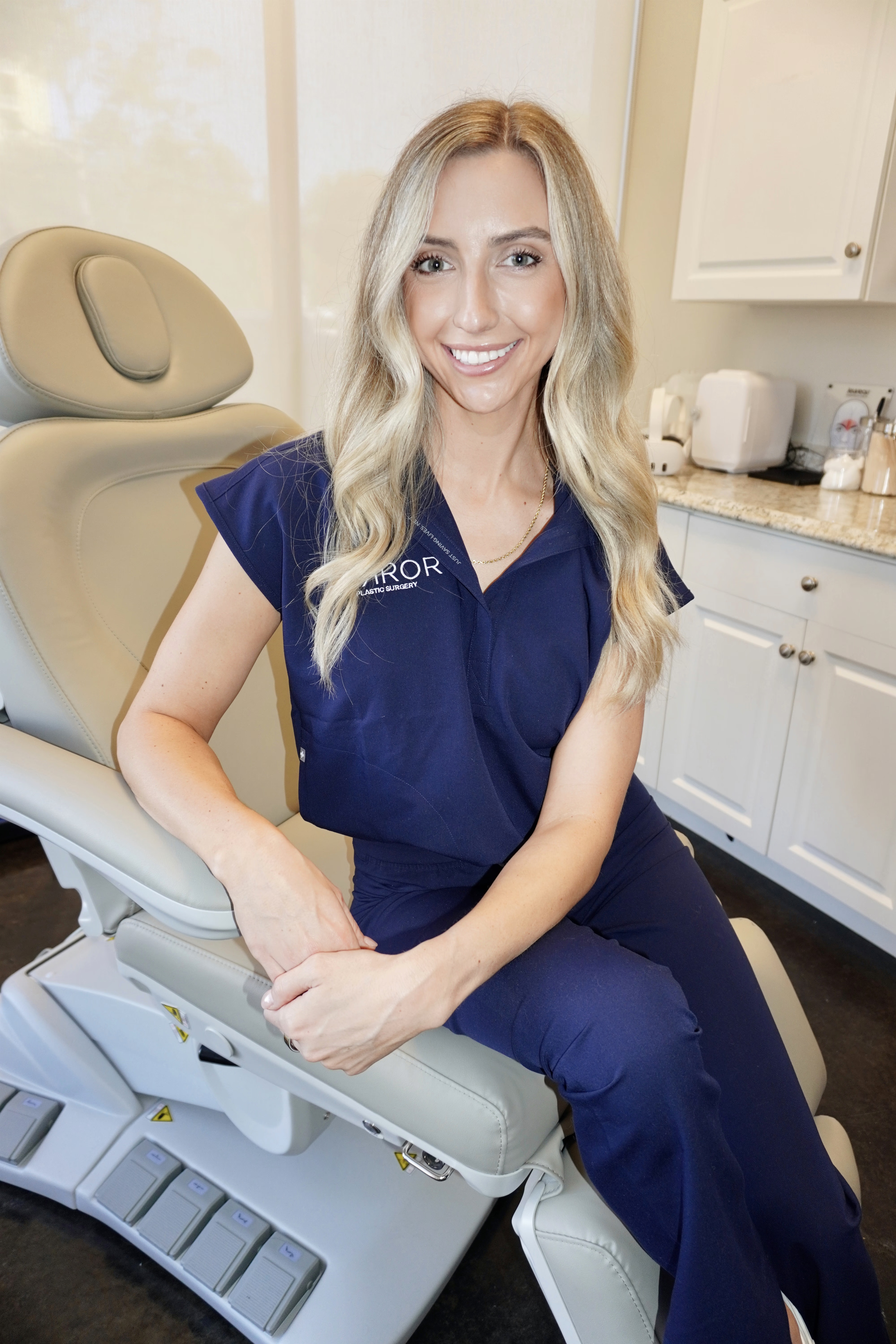
Written by: Ellie Pranckevicius, FNP-BC, Aesthetic Nurse Practitioner & Aesthetic Injector | Facial Restoration & Regenerative Injectable Specialist, Mirror Plastic Surgery
Key Takeaways
-
True Botox allergic reactions are rare (<1%). Most concerns involve mild, localized side effects like temporary bruising or swelling that fade quickly.
-
Key warning signs include persistent hives, intense itching, significant swelling, or systemic symptoms like breathing difficulties. Timelines and symptom spread help you separate these from normal side effects.
-
Reactions may appear immediately (0–4 hours) or later (1–7 days). Seek emergency care for severe symptoms and contact your provider promptly for milder ones.
-
Prevention starts with detailed screening for risk factors such as drug allergies, prior neuromodulator reactions, autoimmune conditions, and excipient sensitivities, followed by careful product selection.
-
For personalized allergy screening, product selection, and safe neuromodulator treatments, schedule your comprehensive safety assessment with Ellie at Mirror Plastic Surgery.
How to Spot a Botox Allergic Reaction
Recognizing the signs of a true allergic reaction to Botox protects your safety. Botulinum toxin injections can cause allergic reactions that range from localized to systemic responses. Localized allergic reactions typically appear at or near the injection site and include persistent hives, intense itching that does not resolve within 24 hours, significant swelling beyond normal post-injection puffiness, and red, raised welts.
Systemic allergic reactions are more serious. These can include facial swelling away from injection sites, widespread rash or hives across the body, difficulty breathing or wheezing, rapid heartbeat, dizziness or lightheadedness, and in severe cases, anaphylaxis that requires immediate emergency care.
The main distinction lies in severity and spread. Normal post-injection responses such as mild redness, slight swelling, or temporary bruising at injection sites are expected and resolve quickly. True allergic reactions persist, worsen over time, and often spread beyond the treatment area.
At Mirror Plastic Surgery, Ellie’s extensive ICU background and 600 hours of aesthetic training help her separate normal responses from concerning reactions during your comprehensive screening process. Schedule your pre-treatment screening with Ellie to ensure your safety through expert assessment and personalized care.
Delayed Allergic Reaction to Botox: Timelines You Should Know
Understanding when allergic reactions can occur helps you monitor your response appropriately. Immediate reactions typically develop within 0–4 hours of injection and are the most common type of allergic response. These include rapid onset of hives, swelling, or breathing difficulties that require immediate attention.
Delayed reactions can occur 1–7 days after treatment, so an allergic reaction a week later remains possible, although less frequent. The table below shows what symptoms to watch for at each timeline and what action to take.
|
Timeline |
Symptoms |
Action Required |
|---|---|---|
|
0-4 hours (Immediate) |
Hives, facial swelling, breathing issues |
Seek immediate medical care |
|
1-7 days (Delayed) |
Persistent itching, spreading rash, localized swelling |
Contact your provider promptly |
|
1-2 weeks |
Unusual muscle weakness, vision changes |
Medical evaluation needed |
Botox Allergic Reaction vs Normal Side Effects
Distinguishing between normal side effects and allergic reactions reduces anxiety and supports the right response when symptoms appear. Normal side effects are temporary, localized, and resolve within days, while allergic reactions tend to worsen, spread, or persist beyond expected timeframes.
Building on the distinction mentioned earlier, the key differentiators are duration and progression. The comparison below shows specific examples of each category so you can quickly see where your symptoms fit.
|
Normal Side Effects |
Allergic Reactions |
|---|---|
|
Mild bruising at injection sites |
Widespread hives or rash |
|
Slight swelling for 24-48 hours |
Persistent or increasing swelling |
|
Temporary redness |
Intense, spreading redness |
|
Minor headache |
Severe headache with other symptoms |
|
Resolves within 3-7 days |
Worsens or persists beyond a week |
Ellie’s comprehensive anatomy assessments at Mirror Plastic Surgery help distinguish these responses through her detailed understanding of normal healing patterns versus concerning reactions. Her ICU experience provides valuable insight into recognizing when symptoms require medical attention versus routine recovery.
Risk Factors and Prevention Strategies for Botox Reactions
Certain factors may increase your risk of allergic reactions to Botox. Known risk factors include a history of multiple drug allergies, previous reactions to botulinum toxin products, autoimmune conditions that may heighten immune responses, and allergies to specific excipients found in neuromodulator formulations.
Prevention strategies focus on thorough pre-treatment screening and careful product selection. Mirror Plastic Surgery’s concierge approach includes hour-long consultations that explore your complete medical history, allergy profile, and previous aesthetic experiences, giving Ellie time to identify subtle risk factors that shorter visits might miss.
This depth of assessment is possible because we maintain supplier neutrality. We can choose from multiple neuromodulator options, including Botox, Dysport, Xeomin, Daxxify, and Jeuveau, based on your individual risk profile rather than quota-driven recommendations. Together, these elements create a comprehensive screening process that identifies potential contraindications and selects the safest product for your unique situation.
Emergency Steps for Suspected Botox Allergic Reactions
If you suspect an allergic reaction, act quickly based on symptom severity. For mild localized reactions such as itching or small hives, over-the-counter antihistamines like Benadryl may provide short-term relief while you contact your provider. However, Benadryl alone does not provide adequate treatment for moderate or severe reactions.
For severe symptoms including difficulty breathing, widespread swelling, rapid heartbeat, or signs of anaphylaxis, call 911 immediately. Do not attempt to drive yourself to medical care or wait to see if symptoms improve. Time is critical in severe allergic reactions, and professional medical intervention can save your life. Meet with Ellie to review emergency protocols and ensure you feel prepared for safe treatment.
Botox and Autoimmune Conditions, Including Hashimoto’s
Patients with autoimmune conditions such as Hashimoto’s thyroiditis often have questions about Botox safety. Most medical experts consider botulinum toxin treatments safe for patients with well-controlled autoimmune conditions, but individual assessment remains essential. Autoimmune conditions do not automatically rule out neuromodulator treatments, although they may influence product selection and monitoring protocols.
The ICU expertise mentioned earlier becomes especially valuable for autoimmune patients, where understanding disease activity and medication interactions is critical. During your consultation, Ellie reviews your autoimmune condition status, current medications, and disease activity to determine the safest approach. This personalized assessment ensures that your treatment plan reflects your complete health profile, not just aesthetic goals.
Neuromodulator Alternatives to Reduce Allergy Risk
Differences in allergy risk between BoNT-A products often relate to excipient content. Alternative neuromodulators offer different excipient profiles that may reduce allergy risk for sensitive patients. The table below compares the key excipients in each product and what they mean for allergy-prone patients.
|
Product |
Key Excipients |
Allergy Considerations |
|---|---|---|
|
Botox |
Human serum albumin |
Standard protein-based formulation |
|
Xeomin |
No complexing proteins |
Reduced protein allergy risk |
|
Daxxify |
Synthetic peptide stabilizer |
Lower serum-protein reaction risk |
Daxxify uses a proprietary synthetic peptide-based stabilizer instead of human serum albumin, which may lower the risk of serum-protein-related allergic responses. Mirror Plastic Surgery’s comprehensive product portfolio allows selection of the most appropriate option based on your individual allergy profile and treatment goals.
What Real Botox Patients Experience at Mirror
Real patient experiences help address common fears that appear in online forums. One patient came to Mirror after experiencing delayed itching following Botox treatment elsewhere. Through Ellie’s thorough assessment, we identified a likely sensitivity to albumin-containing formulations. Switching to Xeomin for subsequent treatments eliminated the reaction while maintaining excellent aesthetic results.1
Another patient with multiple drug allergies received successful treatment with Daxxify after comprehensive screening identified it as the safest option for her profile.1 These cases highlight the value of individualized care compared with one-size-fits-all approaches common in high-volume practices.
Mirror’s concierge medicine philosophy ensures that each patient receives personalized attention, detailed screening, and ongoing monitoring that helps prevent complications and builds confidence in treatment safety.1 Our patients consistently report feeling heard, understood, and safely cared for throughout their aesthetic journey.
Frequently Asked Questions
How rare are Botox allergies?
As noted earlier, true allergic reactions remain uncommon. Most reported “allergic reactions” are actually normal side effects such as temporary bruising or swelling. Serious systemic allergic reactions are extremely rare, and proper screening plus expert administration further reduce risk.
Can I safely get Botox after having a previous allergic reaction?
Safety depends on the type and severity of your previous reaction. Mild localized reactions may be managed by switching to alternative neuromodulators with different excipient profiles, such as Xeomin or Daxxify. Severe allergic reactions usually contraindicate all botulinum toxin products. A thorough consultation with an experienced provider is essential to assess your individual situation.
Can Botox trigger autoimmune issues?
Current evidence does not show that Botox triggers new autoimmune conditions in healthy individuals. Patients with existing autoimmune conditions can typically receive Botox safely with proper medical oversight. The key is comprehensive screening and ongoing monitoring by experienced providers who understand complex medical histories.
What is the 4-hour rule for Botox?
The 4-hour rule refers to avoiding lying down or vigorous exercise for 4 hours after Botox injection to reduce the chance of product migration. This guideline does not relate to allergic reactions. It supports consistent treatment results and helps prevent unintended muscle effects in nearby areas.1
Will Benadryl help with Botox reactions?
Benadryl may help with mild allergic reactions such as localized itching or small hives, but it does not provide enough treatment for moderate or severe reactions. Never rely solely on antihistamines for significant symptoms like widespread swelling, breathing difficulties, or systemic reactions. These situations require immediate medical attention.
Conclusion: Safe Botox Treatment with Expert Care in Tampa Bay
Clear information about Botox allergic reactions helps you make confident decisions about your aesthetic treatments. True allergic reactions remain uncommon, and careful screening, expert administration, and access to alternative products further support your safety and peace of mind.
Mirror Plastic Surgery’s commitment to safety-first medicine, comprehensive assessments, and personalized care sets a high standard for neuromodulator treatments in the Tampa Bay area. Start with Ellie’s safety-first assessment and personalized treatment plan today. Call or text Mirror Plastic Surgery at 727-361-6515 or visit us at 780 4th Ave S, St. Petersburg, FL for expert care that prioritizes your well-being above all else.
Disclaimer: Results may vary from person to person. Editorial content, before and after images, and patient testimonials do not constitute a guarantee of specific results.
1 Results may vary from person to person. Editorial content, before and after images, and patient testimonials do not constitute a guarantee of specific results.