Written by: Dr. Akash Chandawarkar, Board Certified Plastic Surgeon, Mirror Plastic Surgery | Last updated: September 9, 2026
Key Takeaways
- Cellulite removal surgery targets the fibrous septae that tether skin to muscle. Only three FDA-cleared devices address this structural cause: Avéli, Cellfina, and Cellulaze.
- Liposuction removes fat but does not treat cellulite and can worsen dimpling. Dedicated subcision devices are required for effective cellulite improvement.
- Avéli offers real-time visual confirmation of septae release. Cellfina provides the longest documented durability, with results maintained at three years and FDA clearance extending to five years. Cellulaze adds collagen-stimulating benefits that can thicken the skin.
- Results typically last one to three years depending on the procedure.1 New dimples can still appear in untreated areas with weight or hormonal changes.
Schedule your personalized consultation at Mirror Plastic Surgery to determine which FDA-cleared cellulite treatment fits your anatomy and goals.
Executive Summary: What The Evidence Shows About Surgical Cellulite Removal
Cellulite affects an estimated 80–90% of post-pubertal women, regardless of weight or fitness level. Decades of creams, massage devices, and energy-based treatments have produced limited and temporary improvement. Only three FDA-cleared surgical procedures directly address the structural cause of dimpling: Avéli (cleared 2022), Cellfina (cleared 2015), and Cellulaze (cleared 2012). Liposuction targets fat rather than fibrous bands, so it does not treat cellulite and can worsen dimpling. Because these procedures act on connective tissue, results are long-lasting but not permanent and typically last one to three years or more.1 Some non-invasive treatments require repeat sessions every few months to maintain visible improvement.
This report synthesizes FDA 510(k) clearance documents, peer-reviewed pivotal trials, FDA MAUDE adverse event database analysis, and multi-practice cost benchmarking. Clinical interpretation comes from Dr. Akash Chandawarkar, a board-certified plastic surgeon and advisory board member to Merz Aesthetics, the manufacturer of Avéli’s predecessor device, Cellfina. His role provides direct insight into the clinical development and real-world performance of these technologies.
The Structural Problem: Why Cellulite Is A Connective Tissue Issue
Cellulite results from fibrous septae, which are vertical connective tissue bands that tether the dermis to deep fascia. When subcutaneous fat expands or the dermis thins with age, these bands pull the skin downward while fat pushes upward. This interaction creates the familiar dimpled texture. The condition stems from structural tethering in connective tissue rather than from excess weight alone.
Estrogen plays a central role in cellulite development. Estrogen receptors on fat cells stimulate fat storage and reduce collagen production by suppressing fibroblast activity, which weakens connective tissue. This hormonal effect helps explain why cellulite is far more common in women. Women’s fibrous septa run vertically, allowing fat to bulge between them, while men tend to have a crisscross pattern that offers more structural support.
Clinicians grade cellulite severity with the Nürnberger–Müller Scale (grades 0–III) or the validated Cellulite Severity Scale (CSS). The CSS rates five items: number of depressions, depth of depressions, skin surface changes, skin laxity or sagging, and the Nürnberger–Müller grade. Each item receives a score from 0 to 3. Total scores of 1–5 indicate mild cellulite, 6–10 indicate moderate cellulite, and 11–15 indicate severe cellulite. The CSS is validated only for cellulite on the buttocks and thighs and forms the basis for endpoints in pivotal trials of all three FDA-cleared procedures.
The Liposuction Myth: Why Fat Removal Does Not Fix Cellulite
Liposuction removes soft fatty tissue but does not change the skin or the fibrous connecting bands. As a result, it does not reliably improve cellulite and can sometimes make dimpling more visible. The American Society of Plastic Surgeons notes that removing deeper fat can accentuate superficial dimples.
The clinical reasoning is clear. Liposuction removes fat cells from targeted areas but does not release or modify the fibrous septae beneath the skin. These bands continue to pull downward while fat pushes upward, so the dimpled appearance persists. Swelling after liposuction can temporarily exaggerate cellulite, and contour irregularities are a known complication.
One evidence review summarizes this clearly: “A patient who arrives asking for liposuction to treat cellulite is asking for a procedure that addresses none of the responsible anatomy and can worsen the appearance of the tissue it leaves behind.” Surgical cellulite treatment relies on dedicated subcision devices rather than traditional body contouring.
FDA-Cleared Procedures: The Current Evidence Base
Three devices currently hold FDA clearance for the treatment of cellulite dimples on the buttocks and thighs. Each uses a different method to release fibrous septae:
- Avéli (FDA-cleared 2022, K221336) – handheld subcision with real-time visual verification
- Cellfina (FDA-cleared 2015, K150505) – vacuum-assisted subcision with a reciprocating microblade
- Cellulaze (FDA-cleared 2012, K102541) – laser-assisted septae release with dermal heating
Avéli: Targeted, Verifiable Subcision
Avéli is a minimally invasive, handheld subcision device. It uses an integrated LED light for transillumination, a manual hook to capture individual fibrous septae, and a manual cutting blade. This design allows real-time visual and tactile verification of each septae release.
The physician identifies each dimple-causing band, hooks it, watches the dimple pull down to confirm capture, and then cuts the band. This three-step identify–release–verify sequence is unique among FDA-cleared devices. Avéli received its 510(k) clearance (K221336) on August 5, 2022, sponsored by Revelle Aesthetics, Inc. In the CONFFIRM pivotal trial (NCT04743635), the average Cellulite Severity Scale improvement was 1.50 points at 3 months and 1.48 points at 12 months after a single treatment session.1
Patient satisfaction data from CONFFIRM are reported inconsistently across sources. Some manufacturer materials cite satisfaction around 93% at one year, while independent analyses suggest lower figures. Discussing realistic expectations with your surgeon helps place these numbers in context. The procedure typically takes 60 to 90 minutes under local anesthesia, and most patients resume normal activities within 24 to 48 hours. Typical recovery is 1–2 weeks, with a seroma risk below 1%.
Cellfina: Vacuum-Assisted Subcision
Cellfina uses vacuum-stabilized subcision with a motorized reciprocating microblade at a fixed depth of either 6 mm or 10 mm. Unlike Avéli’s guided approach, Cellfina cuts all tissue within the vacuum chamber, so treatment is broader but less targeted. The Cellfina System received its initial FDA 510(k) clearance (K150505) on July 29, 2015, with a later clearance (K161885, October 5, 2016) updating the indication to long-term improvement lasting up to three years.
The pivotal clinical evidence is strong. In Cellfina’s pivotal trial, 93% of subjects showed at least a one-grade improvement in cellulite severity at 3 months and 94% at 1 year.1 Patient satisfaction reached 85% at 3 months and 94% at 1 year, and a separate two-year FDA summary reported 96% satisfaction. A dedicated three-year follow-up study (Kaminer et al., 2017, Dermatologic Surgery) found no reduction in treatment benefit out to three years.1 This represents the longest documented durability of any FDA-cleared cellulite treatment, and the FDA later extended clearance to five years. Cellfina has since been discontinued by Merz for commercial reasons, so access is now limited.
Cellfina recovery usually involves a few days off from normal activities. Swelling often lasts 5–14 days, and bruising typically resolves within 2–3 weeks. Fluid accumulation can occur but is usually mild and self-resolving.
Cellulaze: Laser-Assisted Septae Release
Cellulaze uses a 1440 nm wavelength laser to cut fibrous septa and heat the dermis to stimulate collagen synthesis. The laser fiber passes beneath the skin through tiny access points and addresses three contributors at once: fibrous septae, subcutaneous fat, and the dermal layer. It holds FDA 510(k) clearance (K102541) for short-term improvement in the appearance of cellulite.
In a 2016 multicenter study of 57 patients, 46 of 51 evaluable treatment sites with both dimples and contour irregularities at baseline showed at least a 1-point improvement at 12 months.1 Skin thickness increased by 25%, and elasticity improved by 29% at one year.1 The American Academy of Dermatology notes that Cellulaze results can last a year or longer, although additional research is needed.1 Meaningful improvement often appears over 3 to 6 months as collagen remodels. Downtime is usually brief, and most patients return to normal daily activities within 1–3 days.
Comparative Analysis: Procedure Evidence At A Glance
The table below summarizes key evidence for each FDA-cleared procedure, including clearance year, pivotal trial outcomes, and typical recovery times. Use it to compare the options side by side.
| Procedure | FDA Clearance | Pivotal Trial Outcome | Typical Recovery |
|---|---|---|---|
| Avéli | 2022 (K221336) | CSS improvement 1.48 points at 12 months; manufacturer-cited satisfaction around 93% at 12 months, with independent analyses suggesting lower figures | 1–2 weeks; seroma risk <1% |
| Cellfina | 2015 (K150505) | 94% ≥1-grade improvement at 1 year; 96% satisfaction at 2 years; benefit maintained at 3 years | 2–4 weeks; seroma risk ~10% |
| Cellulaze | 2012 (K102541) | 90% of sites ≥1-point improvement at 12 months; skin thickness +25%, elasticity +29% at 1 year | Several days; results emerge over 3–6 months |
Avéli offers real-time visualization for precision. This approach minimizes collateral tissue damage, which can reduce bruising and recovery time compared with vacuum-assisted subcision. Cellfina provides the longest documented durability, with benefit maintained at three years and FDA clearance extended to five years, although the device is now discontinued.1 Cellulaze adds dermal thickening through collagen stimulation but has shorter documented longevity. Across the two mechanical subcision options, results remain durable because cut fibrous septae retract and do not reconnect.1 New dimples can still form in untreated areas with weight changes, hormonal shifts, or aging.1
Cost Analysis: What The Research Shows
Cellulite removal surgery is a cosmetic procedure. Insurance does not cover cellulite treatment because it is classified as cosmetic and not medically necessary.
Published cost benchmarks across U.S. practices show the following ranges:
- Avéli: $3,000–$4,000 (LovMedSpa, retail); $3,500–$4,500 (Beso Wellness); $4,000–$5,500 (Mansfield Cosmetic Surgery); $3,000–$7,000 (AestheticMedGuide)
- Cellfina: RealSelf reports $2,500–$4,000 with an average around $3,271–$3,336. Other practices cite $3,500–$6,500, and Novuskin reports an average of approximately $3,900.
- Cellulaze: Costs vary widely by provider and treatment extent, with published ranges around $3,500–$6,000.
Costs shift based on provider expertise, geographic area, and the number of dimples treated. Thervo’s 2026 cost guide notes that acoustic wave therapy costs $600–$6,000 for a full course and RF microneedling costs $1,800–$7,200. Single-session subcision such as Cellfina costs $2,500–$6,500, with results lasting up to three years, which can offer strong long-term value for the right candidate. Contact Mirror Plastic Surgery directly for a personalized quote based on your anatomy and treatment goals.
Candidacy Criteria: Who Benefits Most From Subcision
Subcision works best for discrete, well-defined cellulite dimples that are present at rest, usually on the buttocks and thighs. Ideal candidates typically have stable weight, good general health, and realistic expectations.
Evidence-based candidacy criteria for FDA-cleared subcision procedures include:
- Discrete, well-defined cellulite dimples visible when standing
- Moderate to severe cellulite, reflected by CSS scores of 6–15
- Stable body weight
- Good overall health with no active infections or bleeding disorders
- Realistic expectations, with an understanding that improvement is partial and varies by individual
Contraindications include significant skin laxity without discrete dimpling, planned major weight loss, pregnancy, active infections, autoimmune diseases, bleeding disorders, and a history of liposuction in the target area. Stage 4 cellulite, which involves deep and sometimes painful dimpling, may require combination approaches. These complex cases benefit from careful evaluation by a board-certified plastic surgeon.
Recovery And Results: Evidence-Based Expectations
Recovery timelines differ across Avéli, Cellfina, and Cellulaze. After Avéli, bruising usually peaks at days 3–5 and resolves over 2–3 weeks. Compression garments are typically worn for 1–2 weeks. Initial dimple improvement appears within 2–4 weeks, with final results around three months. Cellfina recovery is similar, with a few days off work, swelling for 5–14 days, and bruising that clears in 2–3 weeks. Cellulaze usually involves minimal downtime, with most patients back to normal activities within 1–3 days. Results develop gradually over 3–6 months as collagen remodels.
Mechanical subcision results tend to be durable because the fibrotic attachments at the dermal–subcutaneous junction are physically severed. Blunt-blade instruments that fully cut tethers provide more durable outcomes, while needle and cannula subcision may require repeat sessions as results can regress. New dimples may still form in untreated areas due to weight changes, hormonal shifts, or aging. No cellulite procedure offers permanent results, so some patients consider maintenance over time as new dimples appear.1
Choosing A Qualified Provider For Cellulite Surgery
Provider expertise strongly influences both safety and results. Dr. Akash Chandawarkar brings a rare combination of credentials to the St. Petersburg and Tampa Bay region. He is board-certified by the American Board of Plastic Surgery, Harvard-educated, and Johns Hopkins-trained. He completed a fellowship in aesthetic surgery at the Manhattan Eye Ear & Throat Hospital (MEETH)/Lenox Hill Hospital and received medical innovation training at Stanford University. He serves on the advisory boards of Merz Aesthetics and Tiger Aesthetics (AlloClae), which gives him early access to device data and clinical insights that shape each consultation.
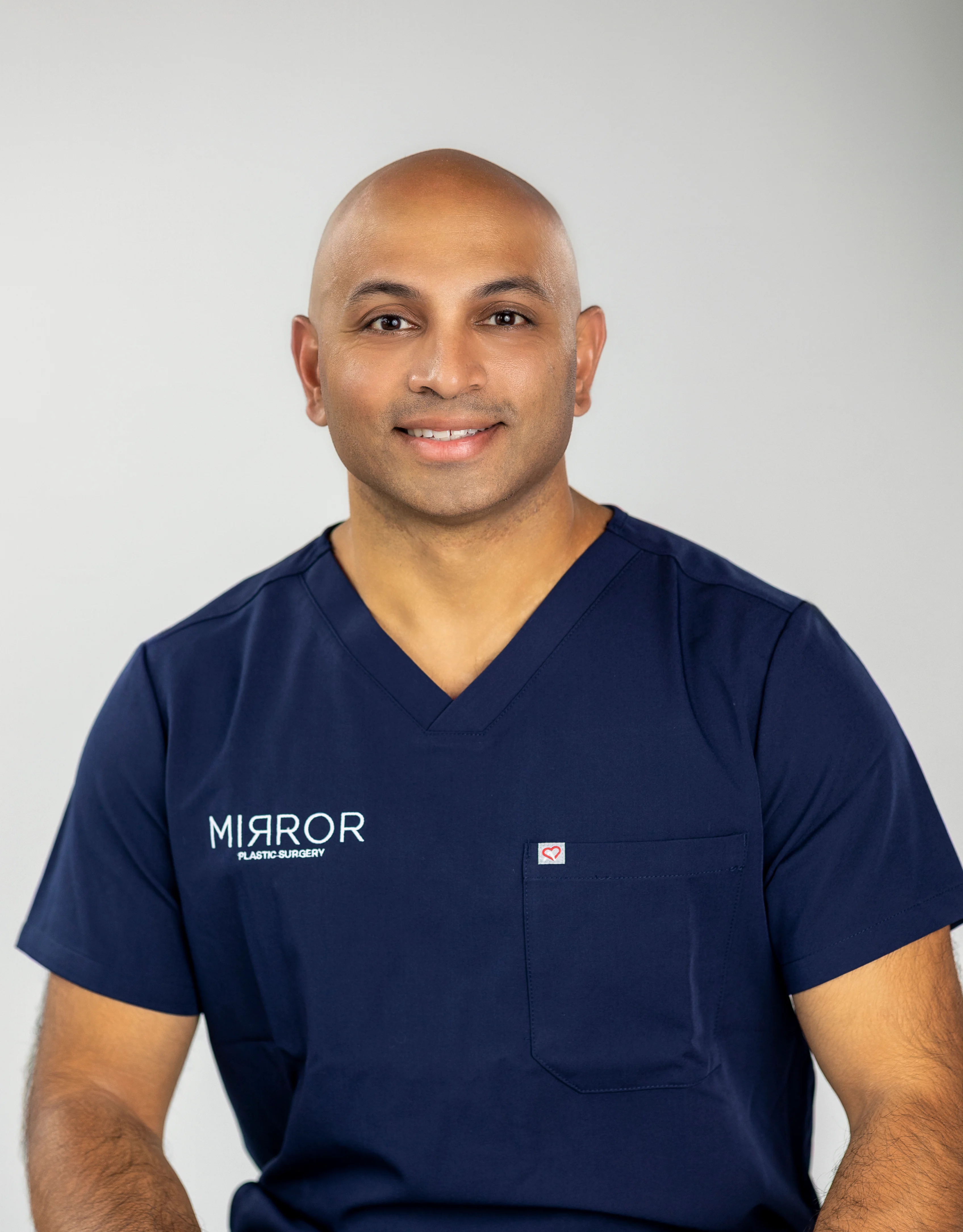
Mirror Plastic Surgery follows a concierge medicine philosophy that prioritizes safety, function, and then aesthetics. Dr. Chandawarkar personally performs injectable, non-surgical, and surgical treatments, and consultations can last up to an hour. The practice limits itself to one to two procedures per day, which allows focused, individualized care instead of a high-volume approach.
Women searching “cellulite removal surgery near me” in the St. Petersburg or Tampa Bay area can work directly with a board-certified plastic surgeon who has advisory-level experience with Avéli. This level of involvement supports careful planning and precise execution.
If you are considering cellulite removal surgery, schedule a consultation at Mirror Plastic Surgery in St. Petersburg, FL. Call 727-361-6515 or text the office to get started.
Frequently Asked Questions
Is Cellulite Removal Surgery Permanent?
No cellulite treatment provides permanent results. FDA-cleared procedures reduce dimpling rather than erase it completely. Mechanical subcision with Avéli or Cellfina offers the longest durability because the fibrotic attachments are physically severed, and Cellfina’s data show benefit maintained at three years with FDA clearance to five years.1 New dimples can still appear in untreated areas as weight, hormones, and aging change the tissue. Results are long-lasting, but patients should view cellulite as a chronic structural tendency that can evolve over time.
Does Liposuction Remove Cellulite?
Liposuction does not remove cellulite. It targets deeper fat and does not release the fibrous septae that cause dimples. The American Society of Plastic Surgeons notes that removing deep fat can accentuate superficial dimpling, and multiple clinical sources report that liposuction can worsen cellulite appearance. Swelling after liposuction can also temporarily make dimples look more pronounced. Patients who want cellulite improvement need dedicated subcision procedures rather than traditional body contouring alone.
What Is The Best Cellulite Removal Procedure?
Several plastic surgery practices and clinical comparisons describe Avéli as the most precise and advanced cellulite treatment currently available. This reputation comes from its real-time visual and tactile confirmation of each septae release, which older options like Cellfina do not provide. Avéli is the only FDA-cleared cellulite device that allows direct visualization and confirmation of each band before moving on. Its CONFFIRM pivotal trial showed sustained improvement in Cellulite Severity Scale scores at 12 months, while satisfaction figures vary across sources.
Cellfina offered the longest FDA-cleared durability for a cellulite treatment, with benefit documented at three years and clearance extended to five years, but it has been discontinued in the U.S. Cellulaze adds dermal thickening through collagen stimulation, although its documented longevity, typically one to two years, is shorter than that of mechanical subcision. The best procedure depends on your anatomy, cellulite pattern, severity, and goals. A consultation with a board-certified plastic surgeon is essential to match these factors with the right treatment.
How Much Downtime Is Involved?
Downtime varies by procedure and by individual healing. Most Avéli patients return to normal activities within 24–48 hours, and bruising usually resolves within about 30 days. Compression garments are often recommended for 1–2 weeks. Cellfina recovery is comparable, with a few days away from strenuous activity and swelling that settles over one to two weeks. Cellulaze typically requires minimal downtime, and most patients resume daily routines within 1–3 days, with results developing over 3–6 months as collagen remodels. Final results for all three procedures are usually visible around the three-month mark.
Are Results Worth The Cost?
In pivotal trials, Cellfina achieved 94% patient satisfaction at one year, while Avéli’s CONFFIRM trial reported lower satisfaction figures in independent analyses. Published cost benchmarks for cellulite procedures such as Avéli, CoolSculpting, and Cellulaze generally range from $2,000 to $7,000. Prices vary by provider, region, and treatment extent. Repeated non-invasive cellulite treatments often cost $700–$7,500 per full course and provide temporary results. Single-session subcision, such as Cellfina at $2,500–$6,500, can deliver three or more years of improvement for patients with discrete dimples, which offers strong long-term value. The key factor is candidacy: patients whose anatomy fits subcision criteria tend to see the most meaningful and durable change.
Conclusion: Making An Evidence-Based Cellulite Treatment Choice
Targeted verifiable subcision is an evidence-backed option for moderate to severe cellulite in adult women. Avéli, Cellfina, and Cellulaze all hold FDA clearance with documented outcomes from pivotal trials. Costs vary widely, with many cellulite procedures ranging from roughly $2,000 to $7,000 depending on the technology and treatment plan. Clinical data show that results often last from one year up to three years or more, with Cellfina demonstrating the longest documented durability and FDA clearance to five years. Many other treatments offer about a year of improvement or require periodic maintenance.
Across published comparisons, Avéli stands out for its precision and real-time confirmation of septae release, while Cellulaze adds collagen-stimulating benefits that can thicken the skin. The right choice depends on your anatomy, severity, and expectations. Dr. Akash Chandawarkar’s advisory-level experience with cellulite devices provides a depth of clinical insight that supports careful, individualized recommendations.
Consulting a board-certified plastic surgeon is the most important step toward safe, accurate, and lasting cellulite surgery results.
Disclaimer: Results may vary from person to person. Editorial content, before and after images, and patient testimonials do not constitute a guarantee of specific results.
1 Results may vary from person to person. Editorial content, before and after images, and patient testimonials do not constitute a guarantee of specific results.