
Written by: Dr. Akash Chandawarkar, Board Certified Plastic Surgeon, Mirror Plastic Surgery | Last updated: September 9, 2026
Key Takeaways
- Concierge weight loss programs provide premium, physician-led care that targets root metabolic causes instead of one-size-fits-all plans.
- These programs usually include comprehensive lab testing, personalized treatment plans, and direct physician access, which standard clinics and telemedicine services often do not provide.
- Monthly costs typically range from $300–$1,800 depending on services and medications, and membership fees are rarely covered by insurance.
- Programs that combine GLP-1 medications with structured follow-up and ongoing physician oversight often achieve 15–20% body-weight reduction.1
- Patients seeking a truly personalized concierge experience can schedule a consultation at Mirror Plastic Surgery to explore tailored protocols that match their health goals.
How Concierge Weight Loss Differs From Standard Programs
Concierge weight loss programs are built to remove the structural limits that most standard clinics and telemedicine services face.
Consultation Length And Depth: Concierge programs usually dedicate 30–60 minutes to the initial consultation. This time allows a thorough review of medical history, metabolic markers, medications, and prior weight loss attempts. Standard medical weight loss settings often allocate 30–60 minutes, and sometimes up to 90 minutes, which can restrict how complete a clinical picture the provider can form.
Physician Involvement: In a true concierge program, a board-certified physician reviews labs, designs the protocol, adjusts dosing, and stays accessible between visits. The term “doctor-supervised” is not regulated, so any program can use it for any level of involvement, from a board-certified specialist to a clinician who only performs an asynchronous intake review. Standard programs often delegate ongoing care to nurse practitioners or physician assistants with limited physician oversight.
Personalization: Concierge protocols rely on individual lab results, metabolic markers, hormone panels, and health history. A clinician who prescribes semaglutide based only on a questionnaire, without a metabolic panel, HbA1c, or hormone baseline, falls below the standard of care. Standard programs frequently apply the same protocol to most patients regardless of underlying metabolic conditions.
Monitoring And Follow-Up: Reputable concierge programs include structured follow-up, usually monthly during titration and quarterly during maintenance, with direct messaging access to the physician. Programs that only offer ad-hoc access often miss side effects and lab rechecks. Standard programs may provide minimal follow-up between visits.
Clinical Philosophy: Concierge programs treat obesity as a chronic condition that needs long-term management. They address root causes such as insulin resistance, thyroid dysfunction, hormone imbalances, gut health, sleep, and stress, instead of focusing only on calorie restriction or medication delivery.
Concierge Weight Loss Program Costs
Concierge weight loss pricing varies widely, and clear cost breakdowns help patients plan realistically.
Initial Consultation Fees for a comprehensive evaluation typically range from $300–$750. Some practices bill this visit through commercial insurance as a standard office appointment.
Monthly Program Fees depend on the model. GoodLife Health’s direct primary care membership for weight management costs $299 per month, while national DPC averages are around $92–$98 per month. Full-service concierge retainers with integrated primary care typically cost $200–$500 or more per month. Comprehensive concierge programs with unlimited access, all medications, and frequent monitoring can reach $800–$1,200 per month.
Total Monthly Spend With Medication: When GLP-1 medications are part of the plan, total costs often reach $600–$1,800 per month. Final pricing depends on branded versus compounded medications and how many services the program bundles.
Insurance rarely covers membership fees. Some programs include lab ordering within the membership, while others bill labs separately. Patients benefit from requesting a full cost breakdown that covers labs, medications, and follow-up visits before enrolling. Mirror Plastic Surgery provides personalized quotes after consultation, since costs depend on each patient’s protocol and clinical needs.
Book An Appointment With Ellie to receive a personalized quote and see how a tailored concierge weight loss protocol could look for you.
When Concierge Weight Loss Is Worth The Investment
The value of a concierge weight loss program depends on clinical complexity, past experiences with standard methods, and program quality.
Benefits include:
- Higher success rates linked to personalization and medical supervision. Medically supervised programs often achieve 15–20% body weight reduction, compared with 5–10% from diet alone.1
- Direct physician access for side-effect management and protocol adjustments, which lowers the risk of complications from unsupervised medication use.
- Comprehensive lab testing that uncovers root causes such as insulin resistance, thyroid dysfunction, and hormone imbalances that standard programs often miss.
- Structured follow-up that supports accountability and long-term adherence, a key predictor of sustained outcomes.
Drawbacks include:
- Higher cost than standard programs or telemedicine subscriptions, with most fees paid out of pocket.
- Time required for consultations, lab draws, and follow-up visits.
- Variable results by individual, since no program can guarantee specific outcomes.
- Significant variability across programs that call themselves concierge, including some that run high patient volumes or route access through a physician assistant instead of the physician.
According to Dr. Akash Chandawarkar, board-certified plastic surgeon and founder of Mirror Plastic Surgery, the value comes from a comprehensive, individualized approach that treats root causes of weight gain rather than only symptoms. Concierge programs serve patients best when conventional methods have failed or when complex metabolic issues require close medical supervision.
How To Evaluate A Concierge Weight Loss Program
Clear criteria help patients compare programs and choose safe, effective care.
Board Certification: Confirm that the supervising physician holds board certification in their specialty. The American Board of Obesity Medicine (ABOM) offers additional certification in obesity medicine, which signals focused expertise. The American Medical Association recognizes ABOM certification as a marker of advanced knowledge in this field.
Physician Involvement: Ask whether the physician personally reviews labs, designs protocols, and stays accessible. Anonymous “care team” structures do not provide the same accountability as a named clinician who oversees your care.
Comprehensive Lab Testing: A reputable program requires baseline labs before treatment. At minimum, this includes fasting glucose or HbA1c, a lipid panel, a comprehensive metabolic panel, and thyroid function tests. Follow-up labs at 8–12 weeks and ongoing monitoring reflect current standards of care.
Quality Medication Sourcing: Programs should use FDA-approved medications or compounded versions from regulated 503A or 503B pharmacies. The FDA has issued more than 55 warning letters to telehealth companies that marketed compounded GLP-1s improperly since its enforcement push began in September 2025.
Ongoing Support: Look for structured follow-up, typically monthly during titration and quarterly during maintenance, plus direct messaging access to the physician instead of a generic support chat.
Red Flags To Avoid:
- Programs that skip lab work before prescribing
- “Medical teams” without identifiable, named clinicians
- No clear cancellation policy or transparent pricing
- Asynchronous intake with no live clinician interaction
- Promises of specific outcome guarantees
Mirror Plastic Surgery aligns with these standards. Dr. Akash Chandawarkar is board-certified by the American Board of Plastic Surgery, conducts consultations of up to an hour, personally reviews all lab results, and offers 24/7 direct text access throughout the program.
Book An Appointment With Ellie to speak with Dr. Akash’s team about how Mirror Plastic Surgery’s concierge approach can support your health goals.
Essential Questions To Ask Before You Enroll
Direct questions help clarify how a program works before you commit.
- Who will supervise my care, and is that person a board-certified physician?
- What lab tests will you perform before starting, and who interprets the results?
- What is included in the cost, and are there separate fees for labs, medications, or follow-up visits?
- How often will I have follow-up appointments, and can I message my physician directly between visits?
- What medications or therapies do you use, and are they FDA-approved or sourced from regulated compounding pharmacies?
- How do you handle side effects or complications, and what is your protocol for dose adjustments?
- What is your success rate, and how do you measure outcomes?
GLP-1 Medications In Concierge Weight Loss
About 1 in 8 US adults currently take GLP-1 receptor agonist drugs, which makes them some of the most widely used prescription medications in the country. GLP-1 receptor agonists mimic a hormone from the small intestine that regulates blood sugar, appetite, and digestion. These medications increase satiety and slow gastric emptying, which reduces overall food intake.
Newer generations of these compounds, including GLP-3R as offered by Mirror Plastic Surgery, are reported to cause fewer gastrointestinal side effects than older formulations.1 They are also less likely to trigger muscle wasting and can support broader health goals such as improving insulin resistance and cardiovascular risk factors.1
Medical supervision remains essential with these medications. A 2026 KFF Health News investigation documented patients hospitalized after receiving incorrect dosing instructions from telehealth platforms, including one patient who injected nearly nine times the typical starting dose.1 Concierge programs provide physician oversight with baseline labs, structured titration, and direct clinician access. This structure helps prevent dosing errors and supports safe management of the real metabolic effects these medications create.
Why Mirror Plastic Surgery Stands Out
Mirror Plastic Surgery follows a concierge medicine philosophy that prioritizes time, access, and personalization over volume.
The practice limits itself to one to two surgeries per day and allows up to an hour for each consultation. This schedule creates space for detailed conversations and careful planning that high-volume practices rarely match.
Dr. Akash Chandawarkar brings a unique clinical background to weight loss medicine. He trained through the Harvard-MIT Division of Health Sciences and Technology, completed a seven-year integrated plastic and reconstructive surgery residency at Johns Hopkins, and served as a Stanford University Biodesign Innovation Fellow. His training in neuroscience and nuclear engineering at MIT supports a systems-level understanding of physiology and metabolic health.
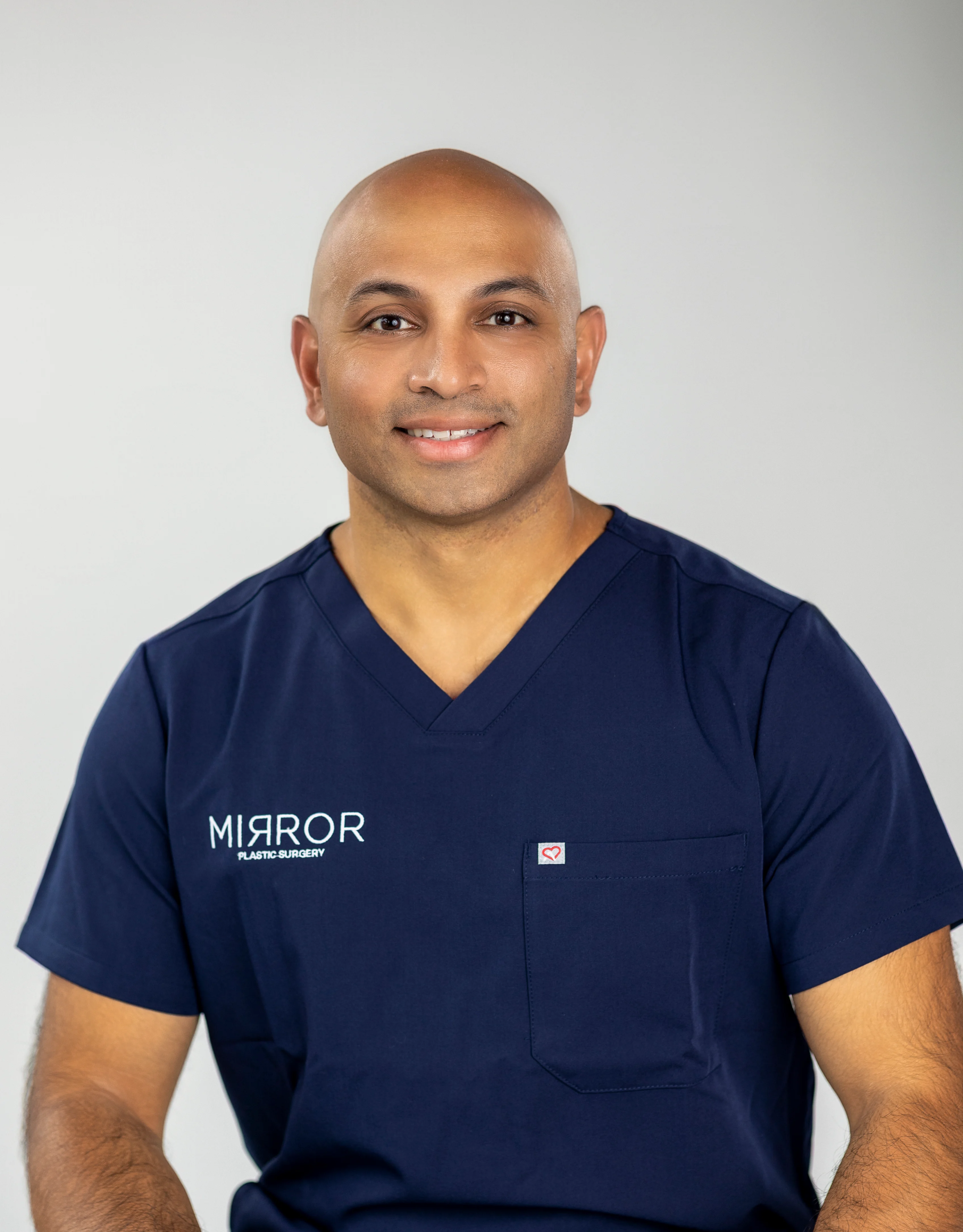
Every weight loss protocol at Mirror Plastic Surgery starts with in-depth lab analysis, including thyroid, liver, kidney, diabetes markers, and hormone panels. These results guide protocol design and help identify root causes before treatment begins. The practice sources peptides and medications from reputable providers that perform rigorous batch testing, which addresses safety concerns common in unregulated online markets. Patients receive direct text access to Dr. Akash for ongoing support, questions, and refill requests throughout their program.
Patients who want a concierge weight loss program that truly centers their health can find a comprehensive, medically supervised approach at Mirror Plastic Surgery. Book an appointment with Ellie to explore how a tailored protocol can support your goals.
Conclusion: Choosing Concierge Care For Long-Term Health
Concierge weight loss programs offer a personalized, medically supervised alternative to standard options, with strong potential for sustainable outcomes when they include genuine physician involvement, comprehensive lab testing, and structured support. The key differences between a legitimate concierge program and a rebranded telemedicine subscription include who remains accountable for your care, how thoroughly they evaluate you before prescribing, and how consistently they monitor your progress.
For people who have struggled with conventional methods or who live with complex metabolic issues, a physician-led concierge program can mark the shift from temporary results to lasting health change. Your health remains your most valuable asset, and a well-designed concierge program represents a focused investment in a healthier, more energetic future. Book an appointment with Ellie at Mirror Plastic Surgery to begin that process.
Disclaimer: Individual results may vary. Concierge weight loss programs do not replace professional medical advice. Always consult a qualified physician to determine whether a program is appropriate for you.
Frequently Asked Questions
How Concierge Weight Loss Differs From Telemedicine GLP-1 Subscriptions
A telemedicine GLP-1 subscription usually provides a prescription for a weight loss medication after a brief online questionnaire, with limited ongoing clinical oversight. A concierge weight loss program follows a different model. It begins with a comprehensive evaluation by a board-certified physician, includes baseline and ongoing lab work to identify metabolic conditions, and offers structured follow-up throughout the program.
In a concierge model, the physician reviews your labs, adjusts your protocol based on your response, and stays directly accessible between visits. This distinction matters clinically because GLP-1 medications affect kidney function, gallbladder health, blood sugar, and interactions with other medications. Without a physician who knows your full health history and monitors your progress, side effects can go unnoticed and dosing errors can cause serious harm. A concierge program builds the medical relationship that helps make these powerful medications safer and more effective.
Typical Length Of A Concierge Weight Loss Program
Most medically supervised weight loss programs require at least three to six months, and many patients continue for 12 to 18 months to reach and stabilize their goals. The active weight loss phase is followed by a maintenance phase, with less frequent visits but ongoing physician involvement.
This long-term structure reflects the reality that obesity is a chronic condition. Stopping medication without a maintenance plan often leads to weight regain, a pattern well documented in clinical research. A reputable concierge program discusses maintenance from the start, including how lifestyle, nutrition, and monitoring will support your results after the active phase ends.
Recommended Lab Tests Before Starting A Program
A reputable concierge weight loss program requires comprehensive baseline labs before prescribing medication or designing a protocol. At minimum, this includes fasting glucose or HbA1c to assess blood sugar regulation, a lipid panel, a comprehensive metabolic panel for liver and kidney function, and thyroid function tests.
Hormone panels, including testosterone, estrogen, and progesterone when relevant, are also common in whole-patient programs because hormone imbalances frequently contribute to weight gain and metabolic dysfunction. These labs identify conditions that must be addressed for weight loss to succeed and create a baseline for tracking your response. Follow-up labs at 8–12 weeks and ongoing monitoring reflect the standard of care in legitimate concierge programs.
Who Benefits Most From Concierge Weight Loss Programs
Concierge weight loss programs work especially well for people who have not achieved sustainable results with conventional methods, who have complex metabolic issues such as insulin resistance, thyroid dysfunction, or hormone imbalances, or who need close medical supervision due to existing conditions or medications.
They also suit individuals who value direct physician access, personalized protocols, and a long-term health relationship rather than a transactional prescription service. People who are generally healthy, have straightforward weight loss goals, and have no underlying metabolic conditions may do well with less intensive programs. A thorough initial consultation with a board-certified physician helps determine whether a concierge approach fits your clinical profile.
How Mirror Plastic Surgery’s Concierge Approach Is Different
Mirror Plastic Surgery applies the same concierge philosophy to weight loss that guides its surgical practice. The team limits daily patient volume, allows up to an hour per consultation, and maintains direct physician involvement at every stage.
Dr. Akash Chandawarkar personally conducts consultations, reviews all lab results, and designs each protocol based on the patient’s physiology rather than a template. The practice offers access to newer-generation compounds such as GLP-3R, which is reported to have fewer gastrointestinal side effects than older GLP-1 formulations and supports broader metabolic goals, including insulin resistance and cardiovascular risk factors.
All compounds come from reputable providers with rigorous batch testing. Patients receive 24/7 direct text access to Dr. Akash throughout their program, so questions, side effects, and protocol adjustments reach the physician who knows their case instead of a generic support team or automated system.
1 Results may vary from person to person. Editorial content, before and after images, and patient testimonials do not constitute a guarantee of specific results.
Peptide therapy is intended for wellness and optimization purposes and is not prescribed to diagnose, treat, cure, or prevent disease unless specifically stated. Many peptides are not FDA-approved and may be used off-label. Some have limited long-term safety data, with a potential for unknown risks, complications, or desensitization with prolonged use.