
Written by: Dr. Akash Chandawarkar, Board Certified Plastic Surgeon, Mirror Plastic Surgery | Last updated: September 9, 2026
Key Takeaways
- Short traditional primary care visits rarely allow time to uncover the lifestyle, dietary, hormonal, and gut drivers behind chronic inflammation.
- Concierge medicine restructures care with longer appointments, advanced inflammatory-marker testing, and direct physician access that conventional models rarely match.
- Key tests such as hs-CRP, cytokine panels, comprehensive metabolic and hormone panels, and gut-health markers help identify specific triggers of systemic inflammation.
- Personalized treatment plans, including tailored nutrition, stress-management protocols, and evidence-based peptide therapy, are built around each patient’s labs and physiology.
- Patients ready to move beyond symptom management can schedule a consultation at Mirror Plastic Surgery to begin a comprehensive, root-cause inflammation workup.
Why Traditional Care Falls Short For Chronic Inflammation
Conventional medicine was built to manage acute illness efficiently, which creates a mismatch for chronic, low-grade inflammation. The average primary care visit lasts 13–18 minutes, leaving little time to explore the lifestyle, dietary, hormonal, or gut-health factors that drive inflammation over years.
Treatment in traditional settings often stays reactive. Physicians reach for anti-inflammatories, steroids, or immunosuppressants that reduce symptoms while side effects accumulate. Standard lab reference ranges are designed to detect acute disease and rely on population averages that include many sedentary or chronically stressed individuals. A result that falls within range may still sit far from your personal best health.
Concierge medicine changes this structure through smaller patient panels, extended appointments, and direct physician access. These features create room for deeper investigation and ongoing monitoring.
How Concierge Medicine Builds A Root-Cause Plan For Inflammation
The concierge model addresses chronic inflammation through five interconnected pillars that build on one another.
Extended Appointments (30–60+ Minutes): Initial consultations for a new chronic illness diagnosis can last 60 to 90 minutes. This gives the physician time to take a detailed history that goes beyond symptoms and explores nutrition, stress, sleep, and genetic predispositions. That level of conversation rarely fits into a brief conventional visit.
Advanced Diagnostic Testing: Longer visits support more thoughtful testing. Beyond standard CRP and ESR, concierge physicians order specialized panels such as hs-CRP, cytokine profiles, gut microbiome analysis, and hormone and thyroid panels. These tests help identify specific drivers of your inflammation rather than simply confirming that inflammation exists.
Personalized Treatment Plans: Detailed testing then informs a tailored plan. Care can include anti-inflammatory nutrition, stress-management strategies, and targeted therapies such as peptide protocols designed around your labs and physiology. Each element connects back to a measurable driver identified in your workup.
Care Coordination: Many patients see multiple specialists. Concierge physicians coordinate this care by facilitating referrals, sharing your history directly, and following up on results. Rheumatologists, nutritionists, and physical therapists work from a shared picture instead of operating in isolation.
24/7 Physician Access: Direct cell phone or text access allows prompt guidance during flare-ups. You receive input from the physician who knows your full history, rather than an answering service that routes you to urgent care.
In a traditional practice, you might wait weeks for an appointment, spend a few minutes with the physician, and leave with a prescription that treats symptoms. In a concierge practice, the same concern can receive a same-day or next-day visit, an in-depth consultation, and a follow-up plan built around your specific lab results and history.
Inflammatory Markers Concierge Doctors Commonly Test
Testing in concierge medicine is personalized based on your symptoms, history, and risk profile. The following markers are commonly evaluated because each one highlights a different potential driver of your inflammation.
- Hs-CRP (High-Sensitivity C-Reactive Protein): Hs-CRP is the only inflammatory marker with sufficient data to predict therapeutic success, making it the biomarker of choice for assessing chronic inflammation. A functional target is below 1.0 mg/L, and persistent elevation above 3.0 mg/L warrants investigation into underlying drivers.
- ESR (Erythrocyte Sedimentation Rate): ESR measures how quickly red blood cells settle in a tube over one hour. Elevated ESR suggests increased inflammatory proteins in the blood and usually changes more slowly than CRP, staying elevated longer.
- Cytokine Panels (IL-6, TNF-Alpha): These signaling proteins drive the inflammatory response. Elevated levels indicate active immune system activation. IL-6 in particular stimulates the liver to produce acute-phase reactants like CRP.
- Comprehensive Metabolic And Hormone Panels: Thyroid function, fasting insulin, hemoglobin A1c, and lipid fractionation reveal metabolic drivers of inflammation that standard panels often miss.
- Gut Health Markers: Fecal calprotectin assesses intestinal inflammation, while LPS-binding protein evaluates gut permeability. These markers often uncover a major source of systemic inflammatory burden.
Some concierge practices, including Mirror Plastic Surgery, combine inflammatory markers, hormone panels, thyroid function, and gut-health testing. This approach builds a complete picture before any treatment protocol begins.
How To Choose A Concierge Doctor For Inflammation
Concierge practices vary widely in how deeply they address inflammation. Focus on specific criteria that reveal whether a practice truly pursues root causes.
- Board-certified physician with documented experience treating inflammatory and autoimmune conditions
- Access to advanced testing beyond standard panels, including cytokine profiles and gut-health markers
- Personalized treatment plans built around your labs and physiology rather than a templated protocol
- Clear, transparent communication about the reasoning behind every recommendation
- Same-day or next-day appointment availability and direct physician access between visits
- Remote consultation options for ongoing management and follow-up
The physician’s background matters as much as the membership model. At Mirror Plastic Surgery, Dr. Akash Chandawarkar draws on neuroscience and medical innovation training to deliver an evidence-based, educational approach to inflammation care.
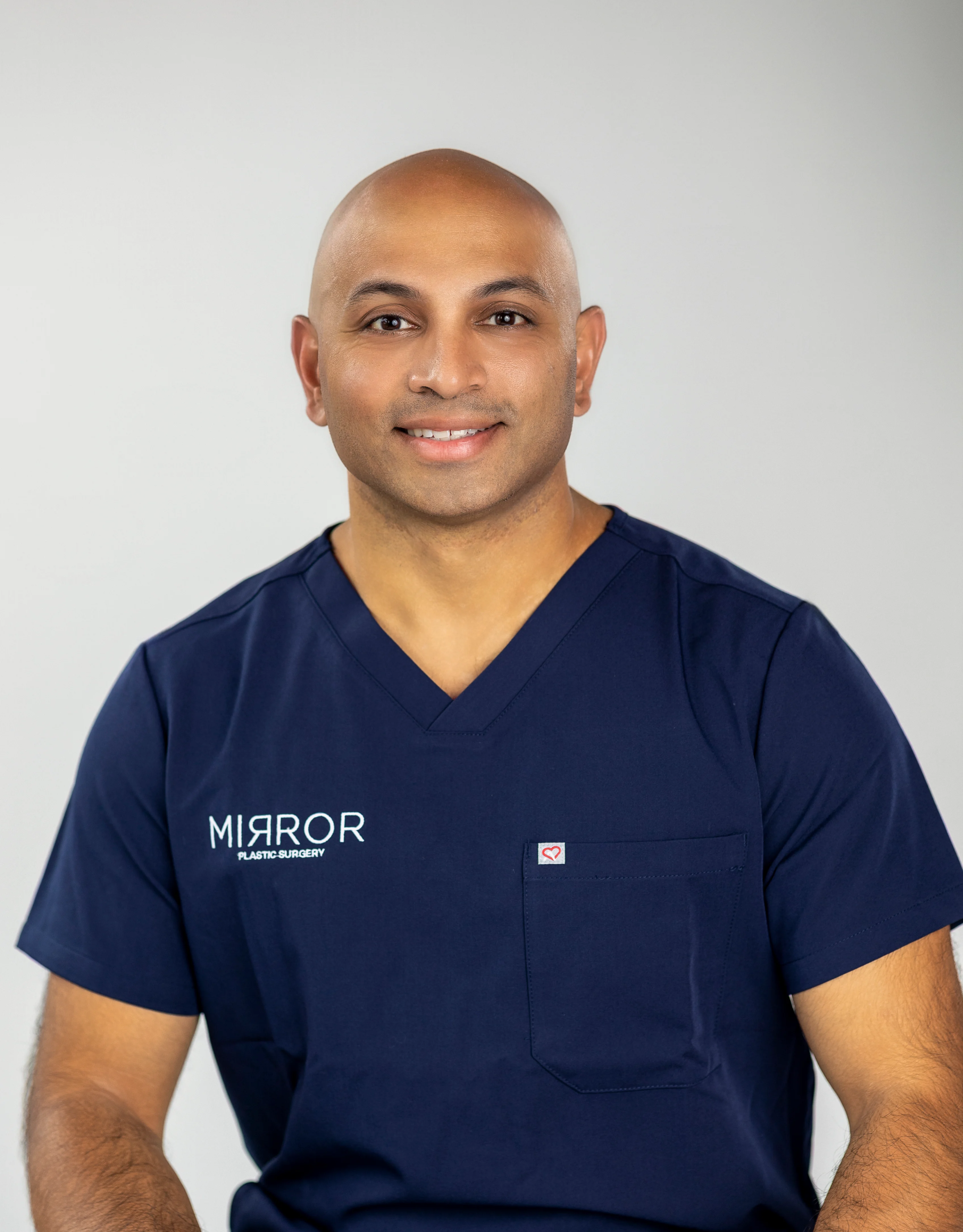
Discuss Your Inflammation Plan With Dr. Akash and explore how his concierge approach can align with your labs, history, and goals.
How Much Does Concierge Medicine Cost For Inflammation?
Once you identify a practice that fits your needs, cost becomes the next practical question. Concierge medicine usually involves a membership fee or out-of-pocket costs, since the membership itself typically sits outside standard insurance billing. Standard memberships often range from $2,000 to $5,000 per year, while premium practices affiliated with major medical centers may charge $10,000 or more annually. Specialist visits, labs, and imaging ordered through the membership are usually still billed to insurance separately.
The value extends beyond the membership fee. Fewer unnecessary medications, earlier identification of inflammatory drivers, reduced emergency visits during flare-ups, and better long-term outcomes can create a meaningful return for patients who have spent years in reactive care.1 Some practices also offer remote or à la carte options that provide more flexible access than a traditional annual membership.
Pros And Cons Of Concierge Medicine For Inflammation
A balanced look at concierge medicine for chronic inflammation includes both benefits and tradeoffs.
Pros:
- Extended appointments that create space for detailed history-taking and thoughtful planning
- Personalized attention and continuity of care with a single physician over time
- Advanced testing that focuses on root causes rather than simply confirming inflammation
- Proactive, preventive strategies that address drivers before they compound
- Direct access during flare-ups, which can reduce reliance on urgent care or the ER
- Potential to reduce long-term dependence on medications with significant side effects
Cons:
- Membership fees are not covered by insurance and require an out-of-pocket investment
- Access remains limited to patients who can commit to the membership structure
- Results depend on the practice’s clinical philosophy, since a concierge label alone does not guarantee root-cause care
The right practice sets realistic expectations from the first consultation and provides ongoing support instead of a one-time protocol. If you wonder whether concierge care is worth the cost, consider whether your current care is investigating your inflammation or just managing it.
What To Ask A Concierge Doctor About Inflammation
Before committing to a concierge practice for inflammation management, ask questions that reveal how the physician thinks. The answers show whether they focus on root causes or only on symptom control.
- What experience do you have treating chronic inflammatory and autoimmune conditions?
- What specific tests will you run, and what will each one reveal about my inflammation?
- How do you personalize treatment based on my labs, history, and physiology?
- Is your approach centered on root causes or primarily on symptom management?
- How do you handle emergencies or after-hours concerns during a flare?
- What are realistic timelines for seeing improvement in my markers and symptoms?
A physician who teaches as they treat and explains each recommendation in clear language usually builds care around your long-term outcomes.
A Concierge Approach To Inflammation: Peptide Therapy At Mirror Plastic Surgery
Peptide therapy offers a targeted, science-informed option within a concierge inflammation protocol. At Mirror Plastic Surgery, Dr. Akash Chandawarkar designs personalized peptide plans based on each patient’s comprehensive lab analysis and clinical history rather than a generic stack for everyone with elevated CRP.
The peptides most relevant to chronic inflammation management include the following options.
- BPC-157 (Body Protective Compound 157): BPC-157 is a synthetic pentadecapeptide that, in preclinical studies, targets systemic inflammation and supports repair of muscle, tendon, ligament, and joint tissue. Human data remain extremely limited, so its role in joint pain and autoimmune musculoskeletal inflammation is not yet clinically established.
- TB500 (Thymosin Beta-4): TB-500 addresses soft tissue inflammation and wound repair in animal models by suppressing NF-κB and modulating microRNA-146a, and by increasing re-epithelialization, although no human clinical data exist for this fragment.
- GHK-CU (Copper Peptide): This peptide provides anti-inflammatory benefits while stimulating collagen and elastin production. It can help patients whose inflammation manifests systemically, including in skin and connective tissue.
- KPV: In preclinical models, KPV targets gut inflammation by inhibiting NF-κB signaling and restoring intestinal barrier integrity. It may also support microbiome health by modulating gut microbiota composition, though these effects are not yet confirmed in human clinical trials.
Several concierge elements make Mirror Plastic Surgery’s peptide protocols distinct. You start with a comprehensive 30–60 minute consultation with Dr. Akash, followed by in-depth lab analysis covering inflammatory markers, hormone panels, and gut-health indicators. Your custom peptide stack is built around your specific results, with quality sourcing from reputable providers and batch testing. Throughout your protocol, you have direct 24/7 text access to Dr. Akash. Patients have reported improvements in inflammatory symptoms and overall well-being under his supervision, although individual results vary and no specific outcome is guaranteed.1
Mirror Plastic Surgery offers advanced peptide therapies for inflammation, autoimmune conditions, weight management, and anti-aging. Explore A Personalized Peptide Protocol With Dr. Akash to see how a tailored plan can support your health goals.
Taking Control Of Your Inflammation
Chronic inflammation rarely resolves in a brief appointment. Effective care requires time, advanced testing, and a physician who investigates rather than reacts. Your treatment plan must be built around your specific biology instead of a population average.
Concierge medicine provides the structure for that level of care through extended visits, smaller patient panels, direct physician access, and continuity over time. Your markers and symptoms are tracked across months and years, not just during isolated flare-ups.
Choosing the right practice means choosing a board-certified physician who prioritizes root-cause investigation, communicates clearly about every recommendation, and offers ongoing support instead of a one-time prescription. At Mirror Plastic Surgery, that physician is Dr. Akash Chandawarkar, and every protocol begins with your labs, your history, and your goals.
Start Your Comprehensive Inflammation Workup and learn whether a personalized peptide protocol fits your situation.
Peptide therapies are subject to FDA regulation. Peptides that meet the definition of a drug are regulated as drugs under the FD&C Act and require FDA approval before marketing. Some peptides are not FDA-approved, and the FDA oversees their availability through compounding restrictions and advisory processes. Results vary. Always seek professional medical supervision.
Frequently Asked Questions
What Is The Difference Between Concierge Medicine And Traditional Care For Chronic Inflammation?
Traditional primary care operates with large patient panels, short appointment windows, and reactive treatment protocols designed for acute illness. For chronic inflammation, which often involves overlapping drivers such as diet, gut health, hormonal imbalance, and chronic stress, this structure rarely produces root-cause resolution. Concierge medicine restructures the relationship by limiting patient panels to a few hundred individuals, extending appointments to 30–90 minutes, and providing direct physician access between visits. This allows detailed history-taking, advanced testing, and ongoing monitoring that support a shift from symptom management to root-cause investigation.
Are Peptide Therapies Safe For Managing Chronic Inflammation?
Peptide therapies are subject to FDA regulation. Peptides that meet the definition of a drug are regulated as drugs under the FD&C Act and require FDA approval before marketing. Some peptides are not FDA-approved, and the FDA oversees their availability through compounding restrictions and advisory processes. Safety depends on sourcing quality, how well the protocol matches your physiology, and the level of medical supervision. The main risk comes from unregulated sources without quality testing or professional guidance. Incorrect dosing, unknown purity, and lack of screening for conditions or medication interactions can create adverse outcomes. At Mirror Plastic Surgery, every peptide protocol is designed by Dr. Akash Chandawarkar based on comprehensive lab analysis and medical history review. Peptides are sourced from reputable providers with rigorous batch testing, and patients receive ongoing supervised support throughout treatment. This oversight distinguishes medically supervised peptide therapy from the unregulated online market.
How Long Does It Take To See Results From A Concierge Inflammation Protocol?
Timelines vary based on the severity and duration of your inflammation, the specific drivers identified through testing, and the treatment approach. In peptide protocols for inflammation, patients often report early improvements in energy, joint comfort, and inflammatory symptoms within the first week.1 Measurable changes in lab markers such as hs-CRP typically appear over 4–6 weeks, with many patients seeing fuller benefits by 8–12 weeks of consistent treatment.1 Chronic inflammation that has persisted for years usually requires a sustained protocol rather than a brief intervention. Mirror Plastic Surgery’s concierge model supports this through ongoing lab monitoring, regular reassessment, and direct physician access so your protocol evolves as your markers respond.
Can Concierge Medicine Work Alongside My Existing Rheumatologist Or Specialist?
Concierge medicine is designed to complement specialist care. A rheumatologist manages disease-specific aspects of conditions such as rheumatoid arthritis, lupus, or psoriatic arthritis. A concierge physician coordinates the broader picture, including primary care, cardiovascular screening, metabolic health, medication interactions, and same-day access during flare-ups that a specialist’s schedule may not allow. One common gap in autoimmune care is the lack of coordination between specialists. A concierge physician fills that role and helps ensure that medication interactions, metabolic consequences of long-term treatment, and emerging inflammatory drivers receive attention.
What Makes Mirror Plastic Surgery’s Approach To Inflammation Different?
Mirror Plastic Surgery operates as a true concierge practice. Appointments can run up to an hour, the practice limits volume to maintain focused attention, and Dr. Akash Chandawarkar remains personally involved in every peptide protocol from consultation through follow-up. His background in MIT neuroscience, Harvard Medical School, Johns Hopkins plastic surgery residency, and the Stanford Biodesign Innovation Fellowship supports a rigorous, evidence-based approach to inflammation management. Education sits at the center of his care. Patients learn what they are taking and why, including the physiological rationale behind each component of their protocol. Peptides come from providers with verified batch testing, protocols are built around individual lab results rather than generalized stacks, and patients have direct text access to Dr. Akash throughout their care. This combination of clinical depth, personalization, and ongoing access distinguishes Mirror Plastic Surgery from conventional care and from less supervised peptide providers.
1 Results may vary from person to person. Editorial content, before and after images, and patient testimonials do not constitute a guarantee of specific results.
Peptide therapy is intended for wellness and optimization purposes and is not prescribed to diagnose, treat, cure, or prevent disease unless specifically stated. Many peptides are not FDA-approved and may be used off-label. Some have limited long-term safety data, with a potential for unknown risks, complications, or desensitization with prolonged use.