

Written by: Dr. Akash Chandawarkar, Board Certified Plastic Surgeon, Mirror Plastic Surgery | Last updated: September 9, 2026
Key Takeaways
- Traditional 15-minute rheumatology visits leave autoimmune patients with unanswered questions and limited flare support, while concierge medicine offers 30–60 minute appointments and 24/7 direct physician access.
- Patients with multi-system disease, unpredictable flares, or complex medication regimens gain the most from concierge care that coordinates specialists and fills gaps left by standard rheumatology visits.
- Choosing between a concierge rheumatologist and concierge primary care physician depends on whether the priority is disease-specific management or whole-person coordination, and many patients benefit from both.
- Evaluating practices requires checking board certification, panel size under 800, extended appointment availability, direct physician access, and transparent pricing to avoid red flags like upselling or vague membership terms.
- Ready to explore concierge-level autoimmune care? Explore whether a medically supervised peptide protocol could complement your current treatment plan as part of a broader concierge strategy.
Step 1: Decide Whether Concierge Medicine Fits Your Autoimmune Needs
Concierge medicine suits some patients better than others. The model works best for adults managing chronic conditions and offers less value for generally healthy adults who rarely need care. For autoimmune patients, the decision often looks different.
The autoimmune patient profiles that benefit most from concierge medicine include:
- Patients with multi-system involvement, such as lupus affecting joints, skin, and kidneys, who need coordinated care across multiple specialists
- Patients who experience unpredictable flares and need same-day or next-day access
- Patients on multiple medications who need proactive monitoring and dose adjustment
- Patients who feel their current physician does not have time to listen or explain
- Patients interested in root-cause or functional approaches beyond conventional immunosuppressants
Severe autoimmune disease still requires specialist oversight from a rheumatologist. Concierge medicine functions as a hub for coordination, monitoring, and whole-person care, filling the gaps that brief specialist visits cannot cover.
Concierge medicine practices typically cap patient panels at 400–600 patients per physician, compared to 2,000 or more in traditional primary care. This smaller panel enables extended appointments and direct access that support complex autoimmune care.
Step 2: Choose Between A Concierge Rheumatologist And Concierge Primary Care
Autoimmune patients evaluating concierge care choose between two main provider types, and each offers distinct strengths.
A concierge rheumatologist is a specialist focused on autoimmune and inflammatory conditions. This option fits patients who primarily need expert disease management, complex medication regimens, biologic therapies, and disease-specific monitoring. Concierge rheumatology practices often provide same-day and next-day availability, direct physician access, and care coordination, but they are geographically limited and usually require self-pay or membership fees on top of insurance.
A concierge primary care physician (PCP) is a generalist who provides whole-person coordination. This physician manages day-to-day symptoms, orders and interprets labs, and coordinates with your rheumatologist and other specialists. Concierge PCP care is usually more accessible and often more affordable than concierge rheumatology. It addresses fatigue, sleep, cardiovascular risk, medication side effects, and lifestyle factors that standard rheumatology visits rarely cover.
Most autoimmune patients benefit from both roles. Rheumatoid arthritis carries roughly 50% higher cardiovascular mortality risk than the general population, independent of joint severity, yet standard rheumatology visits rarely screen for cardiometabolic risk. A concierge PCP can fill this gap with quarterly biomarker tracking and broader risk management.
Some practices offer a hybrid approach. In this model, a physician with deep physiological knowledge manages emerging therapies such as peptide protocols and coordinates with your rheumatologist. Mirror Plastic Surgery follows this hybrid model. Dr. Akash Chandawarkar brings board-certified surgical training and an advanced understanding of inflammation and tissue repair to protocol design, working alongside your existing specialists.
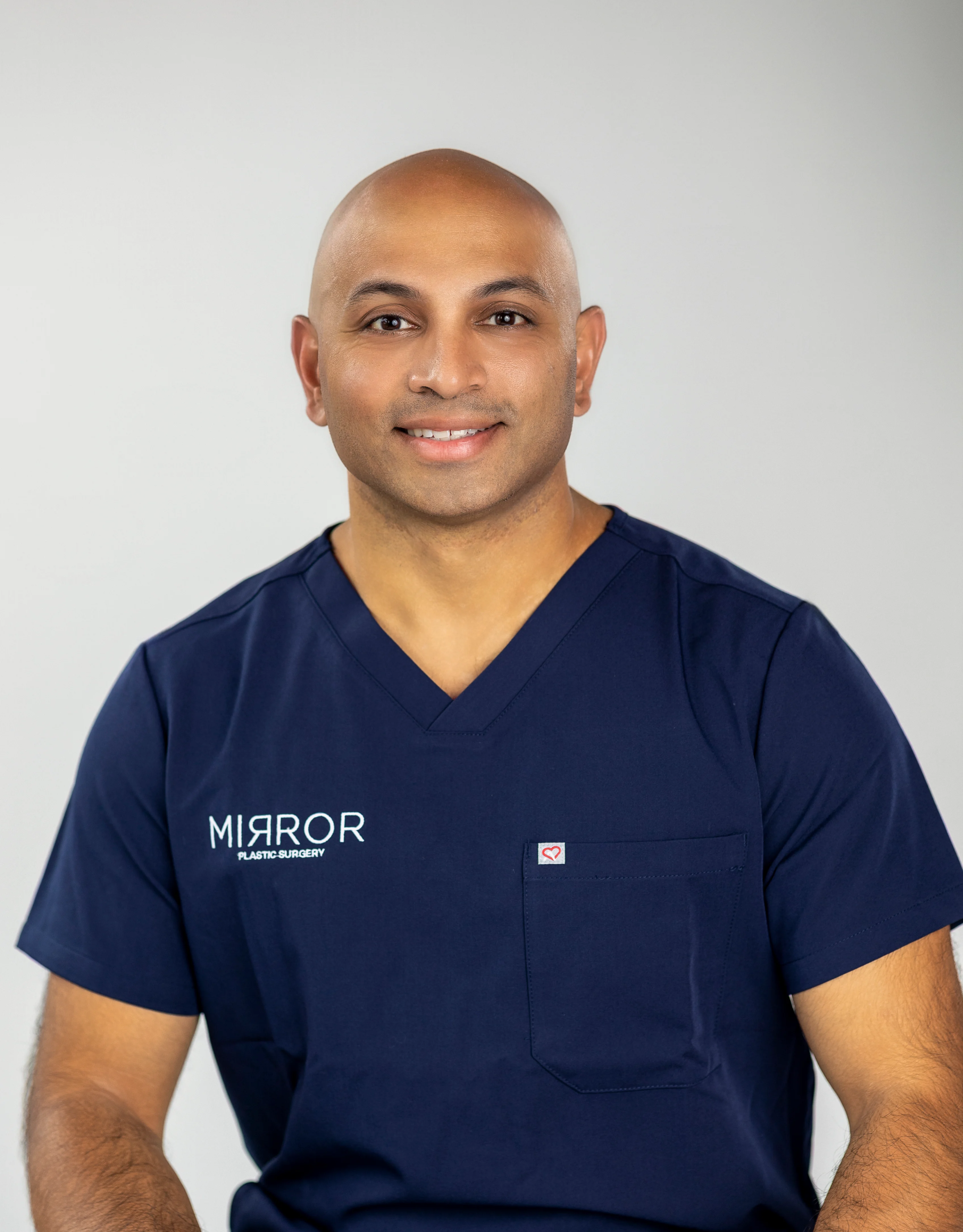
Discuss your autoimmune care options with Dr. Akash and see how a concierge-level peptide protocol could support your current team.
Step 3: Evaluate Concierge Practices Using This Checklist
Not all concierge practices deliver on their promises. Use the following checklist when you evaluate any practice.
- Board certification and clinical experience: Verify the physician is board-certified and has documented experience treating autoimmune or inflammatory conditions.
- Panel size: Ask for the physician’s patient panel size in writing. Anything above 800 patients starts to erode the access advantage that justifies the retainer.
- Appointment length and availability: Confirm appointment durations of 30–60 minutes and same-day or next-day availability for urgent concerns.
- Direct access: Confirm you can reach the physician directly by phone, text, or email, rather than only through a nurse line or portal.
- Lab testing and interpretation: Confirm the practice orders comprehensive labs at intake, such as full thyroid panels, inflammatory markers, and hormone panels, and explains results in depth.
- Specialist coordination: Ask how the practice coordinates with your rheumatologist or other specialists and how they integrate recommendations into your overall plan.
- Transparent pricing: Request a detailed breakdown of what the membership fee covers versus what is billed separately to insurance.
- Philosophy and approach: Look for a practice that prioritizes patient education, evidence-based treatments, and honest recommendations, including when a treatment is unnecessary.
While the checklist above covers what to look for, you should also watch for specific red flags.
- Practices that push unnecessary treatments or aggressively upsell procedures
- Vague answers about what is included in the membership fee
- Lack of direct physician access, with questions routed only through staff
- Physicians who are not board-certified or lack relevant experience
- For peptide therapy specifically, any practice that skips lab work, offers no medical supervision, or sources peptides without batch testing
To uncover these issues, ask the following questions before joining any concierge practice.
- Ask, “What is your patient panel size, and how many patients does each physician manage?”
- Ask, “What is included in the membership fee, and what will be billed separately?”
- Ask, “How do you coordinate with my rheumatologist or other specialists?”
- Ask, “What advanced lab panels do you run at intake, and how often do you re-test?”
- Ask, “If I am interested in peptide therapy, how do you determine the right protocol for my condition?”
- Ask, “How do you source your peptides, and what quality testing do you perform?”
Step 4: Understand The Real Costs Of Concierge Medicine
Cost is the primary concern for most patients evaluating the concierge model, and it deserves a clear explanation.
| Factor | Concierge Medicine | Direct Primary Care | Traditional Insurance-Based Care |
|---|---|---|---|
| Typical annual cost | $2,000–$10,000+ retainer | $1,200–$2,400 | Insurance premiums + copays |
| Appointment length | 30–60+ minutes | 30–60 minutes | 15–18 minutes |
| Physician access | Direct 24/7 | Direct during business hours | Via nurse line or portal |
| Insurance billing | Retainer + insurance billed separately | No insurance billing | Insurance billed per visit |
Concierge memberships typically include an annual comprehensive physical, unlimited office visits, direct physician messaging, same-day or next-day appointments, and care coordination.
They usually exclude specialist fees, hospital care, advanced imaging, most lab work at some practices, and prescriptions.
Mirror Plastic Surgery follows this principle by providing personalized quotes after a consultation, ensuring you only pay for the level of care that matches your specific needs and health goals.
Step 5: Consider Complementary Therapies Under Medical Supervision
Once you have evaluated the financial commitment, you can look at the specific treatments a concierge practice offers. Some practices include emerging therapies such as medically supervised peptide protocols.
Peptides are short chains of amino acids that act as signaling molecules, instructing cells to perform specific functions. Certain peptides show clinical promise for reducing systemic inflammation, supporting gut health, and promoting tissue repair.1 Different peptides address different aspects of inflammation and repair. For example, BPC-157 targets muscle, tendon, ligament, and joint repair, while TB500 focuses on soft tissue inflammation and wound healing, and KPV may support gut health and inflammatory bowel disease. GHK-Cu supports collagen and elastin production, which can benefit skin, hair, and nail health, and may help with melasma and grey hairs.
Peptides are not FDA-regulated, so source and oversight matter. The risk comes from unregulated sources and lack of medical supervision, not from the peptides themselves. Buying peptides online without supervision means you get no third-party quality testing, no proper dosing guidance, and no screening for pre-existing conditions or medication interactions, which is especially concerning for autoimmune patients on complex regimens.
In a concierge model, a physician with deep physiological knowledge reviews your labs, designs a personalized peptide protocol for your condition, sources from reputable providers with batch testing, and monitors your progress with ongoing support. Mirror Plastic Surgery follows this supervised model.
Dr. Akash Chandawarkar leads peptide therapy at Mirror Plastic Surgery and uses his unique background to design lab-driven, medically supervised protocols. Every protocol relies on in-depth lab analysis covering thyroid, inflammatory markers, and hormone panels. Patients receive direct 24/7 access to Dr. Akash via text, detailed instructions for self-administration, and ongoing support for the duration of their protocol.
For a broader overview of the peptide landscape, see our Concierge Medicine Peptides: Safe, Supervised Therapy guide. The focus here remains on how complementary therapies fit within concierge autoimmune care.
If you are considering peptide therapy for an autoimmune or inflammatory condition, schedule a consultation to explore peptide therapy under medical supervision and see whether it fits your overall plan.
Step 6: What To Expect From A Concierge Consultation (Using Mirror Plastic Surgery As An Example)
A structured consultation helps you understand what concierge-level care and peptide therapy might look like before you commit. Mirror Plastic Surgery offers a clear, stepwise process.
- Initial consultation (30–60 minutes): You meet with Dr. Akash for a comprehensive review of your medical history, current symptoms, medications, and health goals.
- Lab analysis: If you lack recent in-depth labs such as thyroid, liver, kidney, diabetes markers, and hormone panels, they are ordered. Dr. Akash reviews results to identify root causes and underlying imbalances before designing any protocol.
- Personalized protocol design: Based on your labs and physiology, Dr. Akash designs a custom peptide stack targeting your specific needs, such as systemic inflammation, gut health, tissue repair, or energy.
- Ongoing support: You receive direct access to Dr. Akash via text for questions, refill requests, and adjustments. Detailed instructions for reconstitution and self-administration are provided, often with video demonstrations.
- Remote or in-person: You can complete the entire process in Tampa, Florida, or remotely across the United States, including Hawaii and Alaska.
Mirror Plastic Surgery follows a guiding philosophy of safety first, function second, and aesthetics third. This philosophy applies to peptide therapy and broader concierge care. Dr. Akash frequently advises patients when a service or product is unnecessary, prioritizing long-term results over short-term revenue.
Ready to take control of your autoimmune care? Start your personalized care plan today with a consultation at Mirror Plastic Surgery.
Frequently Asked Questions
What Is The Real Problem With Concierge Medicine?
The primary criticism of concierge medicine is cost. Annual retainers on top of insurance premiums create a two-tiered healthcare system that many patients cannot access. Some practices also overpromise, emphasizing luxury perks over clinical substance. The real value of concierge medicine lies in time, access, and the physician relationship. Patients should evaluate whether the investment translates into measurably better care for their specific condition. For autoimmune patients managing complex, multi-system disease, the case is often stronger than for generally healthy individuals who rarely need care.
What Type Of Doctor Is Best For Autoimmune Disease?
A board-certified rheumatologist is the gold standard for diagnosing and managing autoimmune diseases. However, rheumatology visits often focus narrowly on disease activity and may not address the full picture, including the elevated cardiovascular risk mentioned earlier, metabolic consequences of long-term medication use, fatigue, sleep, and coordination across multiple specialists. Many autoimmune patients benefit from adding a concierge primary care physician who provides whole-person coordination, advanced lab tracking, and same-day access, working alongside the rheumatologist. For patients interested in complementary approaches such as peptide therapy, a physician with deep physiological knowledge, like Dr. Akash Chandawarkar at Mirror Plastic Surgery, can design a medically supervised protocol that fits with the existing specialist team.
Are Peptides Safe For Autoimmune Patients?
With proper medical supervision, peptides can be a safe and potentially effective option for managing inflammation and supporting tissue repair in autoimmune patients. Oversight is the critical factor. A qualified physician reviews your labs, screens for contraindications, including interactions with immunosuppressants, biologics, or corticosteroids, sources peptides from reputable providers with batch testing, and monitors your progress. Buying peptides online without supervision is a different situation entirely. You lose third-party testing for quality, have no way to verify what is in the product, and lack guidance on dosing or interaction risks. For autoimmune patients already managing complex medication regimens, unsupervised peptide use carries meaningful risk.
Will Insurance Cover Concierge Medicine?
Insurance typically does not reimburse concierge medicine membership fees. The fee covers enhanced access and services, while medical care such as labs, procedures, and specialist visits is billed separately to insurance at most practices. Some direct primary care arrangements may qualify for HSA or FSA reimbursement depending on structure and IRS rules, and IRS guidance clarified certain eligibility considerations for specific direct primary care arrangements beginning in 2026. Traditional concierge retainers are less consistently eligible. Patients should confirm the tax treatment of any membership fee with their financial advisor before enrolling.
How Quickly Can I See Results With Peptide Therapy?
Results vary significantly by individual, condition, and peptide protocol.1 Some patients report initial improvements within the first hours or week of use, especially for energy and inflammation.1 Others need several weeks or months of consistent use to see meaningful changes in autoimmune symptoms.1 Genetics, diet, lifestyle, and the specific peptide stack all influence outcomes.1 A personalized approach based on lab analysis is essential, because a protocol for systemic inflammation in a lupus patient will differ from one targeting gut health in an IBD patient. Continued use through a maintenance protocol is often necessary to sustain benefits, similar to other ongoing health regimens.
Conclusion: Your Next Step Toward Better Autoimmune Care
Concierge medicine offers meaningful benefits for autoimmune patients, including more time with your physician, direct 24/7 access, proactive monitoring, and coordinated specialist care. It also requires careful evaluation and a real financial commitment. The value comes from choosing a provider where the smaller panel size and extended appointments translate into deeper clinical care rather than surface-level amenities.
Whether you choose a concierge rheumatologist, a concierge PCP, or a hybrid model, the key is confirming that the practice delivers on time, access, and clinical depth for your autoimmune needs. For those exploring peptide therapy as a complementary approach, medical supervision remains essential. Mirror Plastic Surgery provides a concierge-level experience that prioritizes safety and efficacy, with Dr. Akash Chandawarkar’s unique credentials, lab-driven protocols, and direct ongoing support setting it apart from generic telemedicine platforms and unregulated online retailers.
This article is for educational purposes only and does not constitute medical advice. Always consult a qualified physician before starting any new treatment, including peptide therapy. Peptide therapies are not FDA-regulated and should only be used under the supervision of a qualified physician who can order appropriate lab work, screen for contraindications, and source products from reputable providers with batch testing. Individual results vary significantly.
Take the first step toward a more personalized approach to your autoimmune care. Connect with Mirror Plastic Surgery to plan your next steps today.
1 Results may vary from person to person. Editorial content, before and after images, and patient testimonials do not constitute a guarantee of specific results.
Peptide therapy is intended for wellness and optimization purposes and is not prescribed to diagnose, treat, cure, or prevent disease unless specifically stated. Many peptides are not FDA-approved and may be used off-label. Some have limited long-term safety data, with a potential for unknown risks, complications, or desensitization with prolonged use.


