
Written by: Ellie Pranckevicius, FNP-BC, Aesthetic Nurse Practitioner & Aesthetic Injector | Facial Restoration & Regenerative Injectable Specialist, Mirror Plastic Surgery | Last updated: August 29, 2026
Key Takeaways for Tampa Autoimmune Patients
- Personalized peptide therapy for autoimmune conditions uses supervised, lab-guided protocols tailored to each patient’s diagnosis, immune markers, and health history.
- No single peptide fits every autoimmune condition. Evidence grades vary, and all remain investigational for autoimmune-specific use in the United States.
- Monthly costs for compounded peptide therapy typically range from $150 to $500, and most insurance plans do not cover these investigational treatments as of 2026.
- Contraindications include active malignancy, pregnancy, breastfeeding, active severe infections, recent live vaccinations, and a history of anaphylaxis to peptide therapies.
- Patients interested in personalized peptide therapy for autoimmune conditions can schedule a consultation with Ellie at Mirror Plastic Surgery to review labs, diagnosis, and appropriate peptide options.
Evidence-Graded Peptides Commonly Discussed for Autoimmune Conditions
No single peptide is universally best for autoimmune conditions. Evidence grades differ substantially across compounds, and all remain investigational for autoimmune-specific use in the United States. The 2026 AutoimmuneFinder evidence-graded guide assigns the following ratings:
- Thymosin Alpha-1 (Grade A-): This peptide has the strongest human safety experience among immune-modulating peptides, with regulatory approval in more than 35 countries for hepatitis B and immune deficiency. Its mechanism expands regulatory T cells and modulates Th1 responses. It is not FDA-approved in the United States and carries a theoretical risk of aggravating autoimmunity by pushing immune activity in an already misdirected immune system.
- BPC-157 (Grade B-): Derived from human gastric juice, BPC-157 has over 100 animal studies showing accelerated healing in colitis, ulcer, and fistula models through VEGF upregulation and tight junction modulation. No published human randomized controlled trials exist. It has been banned by WADA since 2022.
- GHK-Cu (Copper Peptide): This compound is primarily studied for collagen and elastin production, skin health, and anti-inflammatory signaling. Evidence for autoimmune-specific applications remains limited to preclinical and mechanistic data.
- KPV (Grade C+): KPV is a tripeptide fragment of alpha-MSH that inhibits NF-kB via the PepT1 transporter. A 2017 nanoparticle delivery study achieved colitis resolution in mice at 16 micrograms per kilogram per day, but no human clinical trials have been published.
- Selank: Selank is a nootropic peptide studied for anxiety and immune modulation. Human data specific to autoimmune conditions is limited, and its use in this context remains preclinical.
Batch testing remains critical for all of these compounds. Quality and purity of peptide sources significantly impact safety for immune-compromised autoimmune patients. Patients benefit from verified pharmaceutical-grade peptides with certificates of analysis showing greater than 98% purity and absence of endotoxins. No controlled studies have examined interactions between BPC-157, KPV, TB-500, or LL-37 and immunosuppressants such as methotrexate or biologics like adalimumab.
Monthly Peptide Therapy Costs for Tampa Patients
Peptide therapy pricing depends on the specific compounds prescribed, lab monitoring frequency, consultation structure, and how often the protocol changes. Every patient at Mirror Plastic Surgery receives a personalized quote during their consultation based on their individual situation.
As a general market reference, monthly out-of-pocket costs for compounded BPC-157 or TB-500 typically range from $150 to $500. Supervised telehealth peptide programs for recovery protocols commonly cost $200–$500 per month all-in, although this pricing usually excludes lab work. That lab component matters. A baseline metabolic panel typically costs $10–$150 without insurance depending on the lab or provider, with independent labs cheapest and hospitals highest, and this testing is strongly advisable before starting any protocol.
As of 2026, most insurance plans do not cover peptide therapy, with coverage rates below 15% across major insurers including Aetna, Blue Cross Blue Shield, and UnitedHealthcare. These insurers classify most peptides without specific FDA approval as experimental or investigational. Insurance coverage is possible only when three conditions align: the peptide is an FDA-approved drug, it is prescribed for an FDA-approved indication, and the plan lists it on its formulary. Compounded peptides used for autoimmune applications do not meet these criteria.
Health Savings Accounts (HSAs) and Flexible Spending Accounts (FSAs) can be used to pay for peptide therapy expenses when prescribed by a licensed physician for a legitimate medical condition. This approach can provide tax savings of 20% to 40% depending on the patient’s marginal tax rate. A letter of medical necessity is frequently required.
Patients Who Should Avoid or Delay Peptide Therapy
Contraindications for peptide therapy in autoimmune patients include active malignancy, pregnancy and breastfeeding, active severe infections, recent live vaccinations, and history of anaphylaxis to peptide therapies. Additional populations of concern include transplant recipients on immunosuppressive therapy and pediatric populations outside of limited international programs.
Angiogenesis-promoting peptides BPC-157 and TB-500 carry a theoretical tumor growth risk and are not appropriate for patients with active or recent cancer. LL-37 presents a condition-dependent paradox. It may benefit eczema where it is deficient but could worsen psoriasis or lupus where it is overexpressed and forms complexes with self-DNA.
Ongoing monitoring is essential. Patients using peptide therapy for autoimmune conditions should undergo regular monitoring with baseline and periodic inflammatory markers such as CRP and ESR, along with a complete blood count, comprehensive metabolic panel, and disease-specific assessments including joint examinations and symptom scores. A reasonable retesting schedule includes baseline labs before starting, repeat CMP and fasting glucose at 4–6 weeks, HbA1c and IGF-1 at 3 months, and a comprehensive panel every 3 to 6 months thereafter for longer protocols once the patient is stable.
Current FDA Status of Autoimmune-Related Peptides
Zilucoplan, a macrocyclic peptide, carries FDA approval for the autoimmune indication of generalized myasthenia gravis in the United States. The regulatory landscape for compounded peptides shifted materially in 2025 and 2026.
The FDA’s May 2026 briefing document for the Pharmacy Compounding Advisory Committee evaluated BPC-157 (free base) and BPC-157 acetate for potential inclusion on the 503A Bulks List. The FDA concluded that neither substance has a USP or NF monograph, neither is a component of an FDA-approved drug, and both are not well-characterized from a physical and chemical perspective because of inconsistent naming conventions and inadequate data on peptide-related impurities, aggregates, microbial quality, and bacterial endotoxins. The FDA also expressed concern that BPC-157 could pose immunogenicity risks in injectable compounded products because of potential peptide aggregation and unidentified impurities from solid-phase synthesis. FDA outsourcing facility data has shown limited compounded drug products containing BPC-157.
The 2026 AutoimmuneFinder guide’s comprehensive review reinforces the investigational status noted earlier. None of the peptides it evaluates have secured FDA approval for autoimmune indications, despite varying levels of international regulatory acceptance.
Thymosin Alpha-1 Access and Regulation for Tampa Patients
Thymosin Alpha-1 presents a particularly complex regulatory picture for Tampa-area patients seeking local access. As of July 2026, Thymosin Alpha-1 had been removed from the FDA’s Category 2 list following a February 2026 announcement, but no formal rulemaking had been completed to allow compounding, leaving it available only for research use with no approved legal domestic supply route.
From a clinical standpoint, thymosin alpha-1 carries theoretical concerns for use in autoimmune conditions because its mechanism as a toll-like-receptor-mediated immunomodulator activates dendritic cells and promotes Th1 immune responses, which could theoretically exacerbate autoimmunity. Any Tampa clinic offering thymosin alpha-1 for autoimmune applications in 2026 operates outside current FDA compounding law. Supervised evaluation by a qualified local practitioner offers a safer starting point for patients who have encountered this peptide in their research.
Eight Clinic Questions for Autoimmune Peptide Patients
Before committing to any peptide therapy program for an autoimmune condition, patients should ask the following questions directly:
- Where are your peptides sourced, and do you provide certificates of analysis showing purity above 98% and absence of endotoxins? Batch testing is the primary safeguard against contaminated or underdosed compounds.
- What baseline labs do you require before starting, and who reviews them? A qualified clinician should review CBC, CMP, inflammatory markers, and condition-specific autoantibody levels before any protocol begins.
- How do you handle patients on immunosuppressants or biologics? No controlled studies exist on interactions between most research peptides and drugs like methotrexate or adalimumab, and a clinic should acknowledge this gap explicitly.
- What is the current FDA compounding status of the peptides you prescribe? Patients deserve a direct, accurate answer about legal status, not a dismissal of the question.
- Who supervises my protocol, and what are their credentials? A board-certified practitioner with clinical medicine experience is not equivalent to a wellness coordinator or sales-driven health coach.
- How frequently will my labs be monitored, and who interprets the results? Repeat testing at 4–6 weeks and quarterly thereafter provides a standard framework for ongoing safety.
- What is your protocol if I experience an adverse reaction? A clinic should have a clear escalation pathway, not just a refund policy.
- Do you coordinate with my rheumatologist, immunologist, or primary care physician? Peptide therapy for autoimmune conditions should complement, not replace, conventional specialist oversight.
Why Mirror Plastic Surgery’s Concierge Peptide Care Stands Apart
These eight questions establish the baseline standard any peptide clinic should meet. Mirror Plastic Surgery’s approach addresses each of them through a concierge model led by Ellie Pranckevicius, FNP-BC, a board-certified Family Nurse Practitioner with four years of critical-care experience in the Neuroscience ICU at Tampa General Hospital and dual training as both an esthetician and advanced practice nurse. Her background provides clinical depth that generic telemedicine platforms and high-volume wellness centers rarely match.
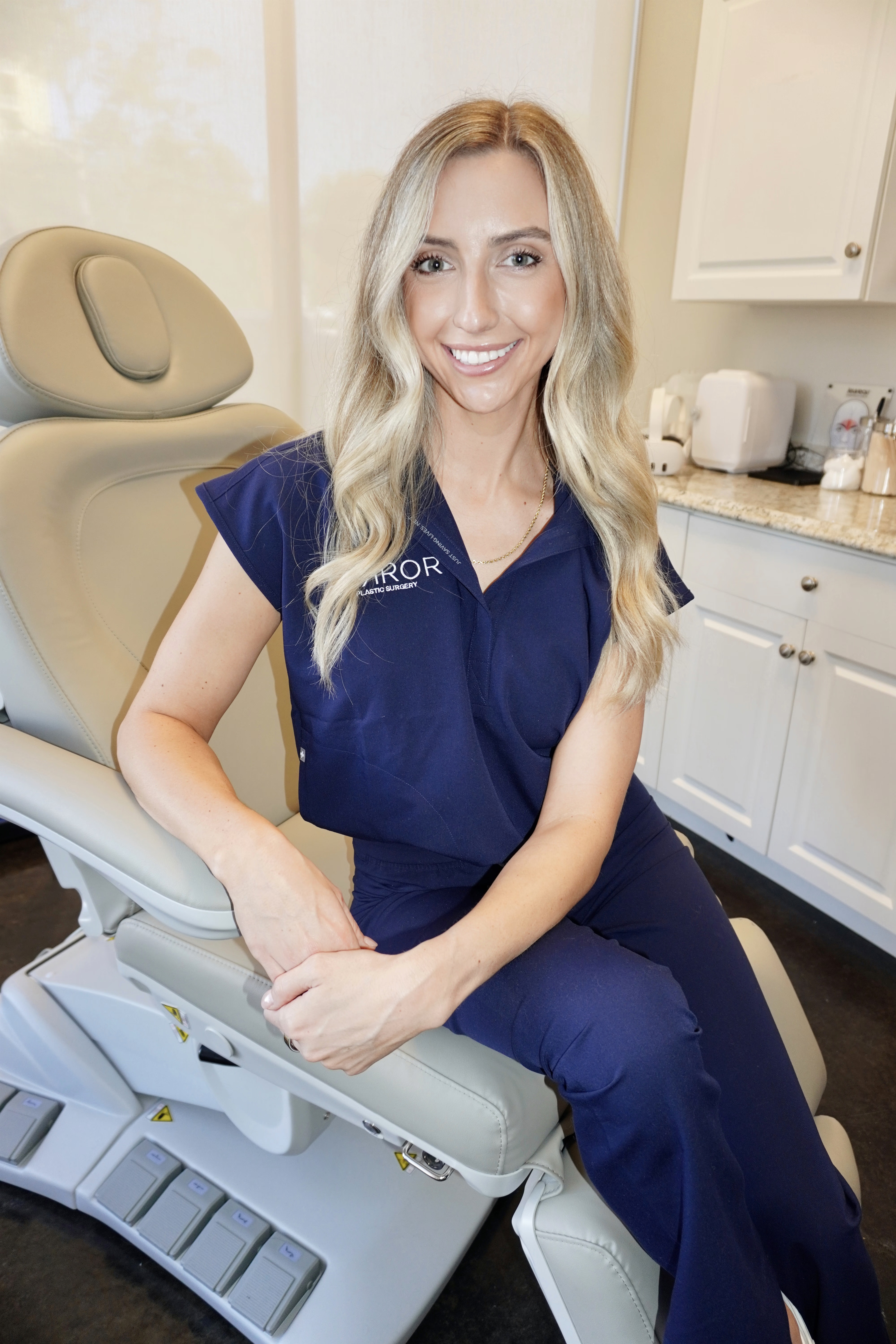
Every patient begins with a 30–60 minute consultation in which Ellie reviews full medical history, current medications, autoimmune diagnosis specifics, and existing lab work. If labs are not available or are outdated, she orders updated testing before any protocol begins. Custom peptide stacks grow from this foundation, not from a pre-set menu. Peptides are sourced from reputable providers with rigorous batch testing, which supports purity and accurate dosage in direct contrast to unverified online sources.
Ongoing support follows a true concierge structure. Patients have direct 24/7 text access to Ellie for questions, side effect concerns, and refill requests. This system uses direct practitioner communication rather than a ticketing system or generic patient portal. For patients outside the Tampa Bay area, the entire process from consultation through prescription and shipping can be conducted remotely across Florida and the United States, including Hawaii and Alaska.
Mirror Plastic Surgery is located at 780 4th Ave S, St. Petersburg, FL 33701. Patients can call or text 727-361-6515 or email hello@mirrorplasticsurgery.com to begin the process.
When to Involve a Rheumatologist Before Peptide Therapy
Peptide therapy does not replace rheumatologic or immunologic care. Patients with newly diagnosed autoimmune conditions, those experiencing active flares, or those on complex immunosuppressive regimens should establish or maintain care with a rheumatologist before adding any peptide protocol. Peptide therapy works best as a wellness-focused layer for patients whose conventional treatment plan is already stable and whose specialist has been informed of the addition.
Diagnosis-specific considerations matter. Conditions involving overactive immune pathways, such as lupus or psoriasis, require particular caution with immune-stimulating peptides. Lande et al. (2020) found that LL-37-specific T cells in SLE patients help drive pathogenic anti-DNA autoantibody production, which illustrates how a peptide that benefits one condition can worsen another. Variable results are common, and any clinic that guarantees outcomes for autoimmune patients overstates the current evidence base.1
Ellie’s approach at Mirror includes explicit coordination guidance. She advises patients when a rheumatologist referral or consultation is the appropriate next step before proceeding, and she does not initiate a protocol that conflicts with a patient’s existing specialist-managed treatment plan.
Conclusion and Next Steps for Tampa Autoimmune Patients
Personalized peptide therapy for autoimmune conditions in Tampa represents a rapidly evolving field with meaningful preclinical data, a small but growing body of human evidence, and significant regulatory complexity as of 2026. Despite the regulatory complexity surrounding most peptides, Zilucoplan’s FDA approval for myasthenia gravis demonstrates that peptide-based autoimmune therapies can meet regulatory standards when supported by sufficient evidence. BPC-157 faces unresolved compounding status questions. Thymosin Alpha-1 remains unlawful to compound in the United States. Results vary substantially between patients, and long-term safety data for most compounds in autoimmune populations remains limited.1
Supervised, lab-based, locally accessible care provides a framework for navigating these realities responsibly. This framework includes verified sourcing, baseline and ongoing monitoring, practitioner accountability, and a protocol built around your specific diagnosis rather than a generic wellness template.
All peptide therapies offered at Mirror Plastic Surgery are non-FDA-approved for autoimmune indications. Individual results vary and are not guaranteed. This article is educational in nature and does not constitute medical advice.
Frequently Asked Questions
Are peptides safe for people with autoimmune conditions?
Safety depends heavily on the specific peptide, the patient’s diagnosis, their current medications, and the quality of the source. Some peptides, such as those that stimulate immune activity, carry a theoretical risk of worsening conditions where the immune system is already overactive. Others, such as gut-targeted peptides like KPV, may be more appropriate for inflammatory bowel presentations. The critical safeguards are a thorough baseline lab panel, disclosure of all current immunosuppressants or biologics, and sourcing from providers with verified certificates of analysis. Contraindications include active malignancy, pregnancy, breastfeeding, active severe infections, recent live vaccinations, and a history of anaphylaxis to peptide formulations. No peptide protocol for autoimmune conditions should begin without medical supervision and specialist coordination.
How does Mirror Plastic Surgery’s peptide program differ from buying peptides online?
The primary difference involves medical oversight and sourcing accountability. Online peptide retailers sell compounds without requiring any medical history review, lab work, or dosing guidance. There is no third-party verification of purity, no monitoring for adverse effects, and no practitioner available if something goes wrong. Mirror Plastic Surgery’s program begins with a 30–60 minute consultation with Ellie Pranckevicius, FNP-BC, includes a review of baseline labs, and builds a custom protocol matched to the patient’s specific health profile. Peptides are sourced from reputable providers with rigorous batch testing. Patients have direct 24/7 text access to Ellie throughout their protocol, and the program can be delivered remotely across the United States for patients outside the Tampa Bay area.
Will peptide therapy replace my current autoimmune medications?
Peptide therapy does not replace rheumatologist-managed or immunologist-managed care. It functions best as a complementary, wellness-focused layer for patients whose conventional treatment plan is already stable. Ellie’s approach at Mirror includes explicit coordination with existing specialist care, and she does not initiate a protocol that conflicts with a patient’s current treatment regimen. Patients experiencing active flares, newly diagnosed conditions, or complex immunosuppressive regimens should maintain their specialist relationships and inform those providers of any peptide protocols being considered.
How long does it take to see results from peptide therapy for autoimmune conditions?
Timelines vary significantly depending on the peptide, the condition being addressed, the patient’s baseline health, and protocol adherence. Some patients report initial changes within the first week, while others require several months of consistent use before meaningful shifts in inflammatory markers or symptom burden appear. Results are not guaranteed and remain highly individual.1 Mirror Plastic Surgery’s lab-monitoring framework, with repeat testing at 4–6 weeks and quarterly thereafter, provides objective data points to assess whether a protocol is producing measurable changes and whether adjustments are warranted.
Can I access Mirror Plastic Surgery’s peptide program if I live outside Tampa?
Yes. The entire process, from initial consultation through prescription and shipping, can be conducted remotely across Florida and the United States, including Hawaii and Alaska. Consultations occur via telemedicine, lab work can be ordered through local draw sites, and compounded peptides are shipped directly to the patient. Patients who prefer in-person care can visit Mirror Plastic Surgery’s office at 780 4th Ave S, St. Petersburg, FL 33701. For questions before booking, patients can call or text 727-361-6515 or email hello@mirrorplasticsurgery.com.
1 Results may vary from person to person. Editorial content, before and after images, and patient testimonials do not constitute a guarantee of specific results.
Peptide therapy is intended for wellness and optimization purposes and is not prescribed to diagnose, treat, cure, or prevent disease unless specifically stated. Many peptides are not FDA-approved and may be used off-label. Some have limited long-term safety data, with a potential for unknown risks, complications, or desensitization with prolonged use.