
Written by: Dr. Akash Chandawarkar, Board Certified Plastic Surgeon, Mirror Plastic Surgery | Last updated: September 9, 2026
Key Takeaways
- Collagen peptide therapy with GHK-Cu stimulates the body’s natural collagen and elastin production through targeted signaling rather than simply supplying amino-acid building blocks.
- Medical supervision is essential because unregulated online sources carry risks of counterfeit products, incorrect dosing, and missed screening for contraindications such as Wilson’s disease or active cancer.
- Physician-led practices like Mirror Plastic Surgery provide lab-guided protocols, quality-sourced peptides, and ongoing concierge support that improve both safety and results.
- Topical GHK-Cu has controlled human-trial support for skin quality, while injectable use is investigational and requires careful monitoring with baseline and follow-up labs.
- Patients ready to explore whether GHK-Cu is appropriate can schedule a collagen peptide consultation at Mirror Plastic Surgery with Dr. Akash.
What Is Collagen Peptide Therapy With Ghk-Cu?
Collagen peptide therapy uses specific peptide compounds, most notably GHK-Cu, to stimulate the body’s natural collagen and elastin production. These compounds work very differently from the collagen powders and capsules sold as supplements.
Peptides are short chains of amino acids that act as signaling molecules. When applied topically or injected, they instruct cells to perform specific functions. In GHK-Cu’s case, those functions include ramping up collagen synthesis, remodeling damaged tissue, and calming inflammation.
What Is Ghk-Cu?
GHK-Cu (glycyl-L-histidyl-L-lysine copper complex) is a naturally occurring tripeptide first isolated from human plasma by biochemist Loren Pickart in 1973. Its plasma concentration declines from approximately 200 ng/mL in young adults to roughly 80 ng/mL by age 60, which correlates with reduced wound healing, collagen loss, and thinning skin.
GHK-Cu complexes a copper ion with the tripeptide backbone. The histidine residue provides the primary copper-chelating site, which moderates copper reactivity compared with free copper ions.
How Ghk-Cu Supports Skin And Tissue Repair
GHK-Cu works through a coordinated set of mechanisms that together support skin rejuvenation and tissue repair.
First, it directly stimulates collagen synthesis. GHK-Cu upregulates the production of collagen types I, III, and IV, along with elastin and other extracellular matrix components via TGF-β1 signaling. In vitro research in the Journal of Biological Chemistry showed approximately a 70% increase in collagen synthesis in fibroblasts compared to controls.
At the same time, it helps remodel damaged tissue. GHK-Cu modulates matrix metalloproteinase (MMP) activity in a dual fashion by upregulating MMP-1 and MMP-2 to clear damaged collagen while inducing TIMP-1 and TIMP-2 to protect newly formed matrix. This pattern supports healthy remodeling rather than simple collagen buildup.
GHK-Cu also delivers bioavailable copper in a controlled way. The copper ion acts as an active cofactor that enables collagen and elastin crosslinking through lysyl oxidase, supports antioxidant defense via superoxide dismutase, and fuels cellular energy production through cytochrome c oxidase. These copper-dependent enzymes help explain the peptide’s impact on skin firmness and repair.
Inflammation control is another key action. Macrophage culture models show dose-dependent reductions in TNF-α and IL-6 attributed to NF-κB pathway modulation, which addresses the chronic low-grade inflammation that accelerates aging.
Finally, GHK-Cu appears to influence gene expression on a broad scale. A 2018 review by Pickart, Vasquez-Soltero, and Margolina reported modulation of more than 4,000 human genes at a concentration of 1 micromolar, with patterns shifting toward younger, better-repairing tissue. This finding comes from bioinformatic analysis rather than direct intervention trials and should be viewed as hypothesis-generating.
How Ghk-Cu Differs From Oral Collagen Supplements
Oral collagen supplements, such as powders and capsules, are broken down into amino acids and small peptides during digestion. A 2025 systematic review and meta-analysis pooling 23 randomized controlled trials found that apparent benefits for skin hydration and elasticity disappeared in high-quality and non-industry-funded trials.
GHK-Cu peptide therapy instead delivers a targeted signaling molecule that instructs the body to produce more collagen. Instead of providing building blocks, it activates the construction crew. Topical GHK-Cu is one of the few peptides with controlled human trial support for skin quality and wound healing, while injectable systemic use remains investigational. The key difference is that oral supplements supply raw materials, while GHK-Cu provides instructions with a stronger mechanistic rationale.
At Mirror Plastic Surgery, GHK-Cu is often combined with BPC-157 and TB500 in the “Glow Stack,” a protocol designed to address systemic inflammation, melasma, and collagen and elastin production together.
Why A Physician-Led Peptide Practice Matters
The peptide industry operates in a regulatory gray area. GHK-Cu has never received FDA approval through the New Drug Application or Biologics License Application process, and no pharmaceutical manufacturer has submitted Phase III clinical trial data. Provider choice often matters more than peptide choice.
Risks Of Buying Ghk-Cu From Unregulated Sources
Purchasing peptides online without medical supervision introduces avoidable risks. Dr. Marisa Garshick of MDCS Dermatology notes that consumers sourcing injectables from unregulated suppliers have no assurance about quality or dosage, and that “the stakes are much higher when you’re injecting something.”
Specific risks of unregulated sourcing include:
- No Quality Control: Common counterfeit substitutions for GHK-Cu include methylene blue, a blue dye that is dangerous if injected, while non-blue reconstituted vials may be mannitol-only fakes.
- Incorrect Dosing: Without medical guidance, dosing becomes guesswork. Too little produces no effect, and too much can cause adverse reactions.
- Missed Contraindications: GHK-Cu carries contraindications such as Wilson’s disease or active cancer, which are detailed later. Without a medical evaluation, patients may unknowingly expose themselves to harm.
- No Monitoring: Baseline liver function and copper level testing should precede any systemic GHK-Cu use, and repeat testing is essential during treatment.
What Physician Supervision Provides
A board-certified physician-led practice like Mirror Plastic Surgery offers a higher standard of safety and oversight. Bloodwork is the single best indicator of whether a peptide clinic practices evidence-based therapy. Responsible clinics require baseline labs appropriate to the peptides prescribed, and they schedule follow-up labs at defined intervals to assess response and monitor for adverse effects.
At Mirror Plastic Surgery, physician supervision translates into several concrete safeguards that directly address the risks of unregulated sourcing:
- Comprehensive Lab Analysis: Before any peptide protocol begins, Dr. Akash reviews or orders lab panels to assess thyroid function, liver and kidney health, hormone levels, and inflammatory markers.
- Personalized Protocols: Every protocol is designed around each patient’s labs and physiology, rather than a one-size-fits-all template.
- Quality-Sourced Peptides: A reputable peptide clinic discloses its compounding pharmacy source and can provide a Certificate of Analysis for each peptide batch, including identity testing, purity, sterility, endotoxin, and potency testing. Mirror Plastic Surgery follows this standard.
- Ongoing Concierge Support: Patients receive direct, 24/7 access to Dr. Akash via text message for questions, concerns, and refill requests throughout treatment.
This level of oversight contrasts sharply with unsupervised use that even GHK proponents caution against. Dr. Warren Ladiges, professor at the University of Washington School of Medicine, stated: “I think GHK can have a major role in helping enhance longevity. But injecting yourself without really knowing what it’s going to do? I wouldn’t do that to myself.” The primary risk in peptide therapy often comes from unregulated sources and unsupervised use, while medical oversight makes treatment safer and more effective.
Arrange a physician-led peptide evaluation to begin a personalized consultation with Dr. Akash at Mirror Plastic Surgery in St. Petersburg.
Is Collagen Peptide Therapy Safe? Risks And Downsides
Safety remains the central question for any medical treatment. GHK-Cu shows a favorable safety profile when used appropriately under supervision.
What Current Evidence Shows About Safety
A 12-week placebo-controlled trial of 67 women aged 50–59 with photodamage reported improvements in skin firmness, laxity, clarity, and fine line depth with twice-daily topical GHK-Cu1. The FDA’s adverse event reporting system contained no serious adverse event reports specifically attributed to compounded GHK-Cu as of April 2026. Reported side effects included transient redness in 8% to 12% of topical users and mild injection-site reactions in 15% to 20% of subcutaneous users.
Common side effects are generally mild and local:
- Topical Use: Mild redness, itching, or tingling, particularly at higher concentrations.
- Injectable Use: Injection site redness, swelling, or bruising, with some patients reporting transient nausea or lightheadedness.
Who Should Avoid Ghk-Cu Therapy
GHK-Cu is contraindicated in individuals with Wilson’s disease, unexplained abnormal copper test results, significant liver disease or impaired liver function, pregnant or breastfeeding individuals, children, and people undergoing fertility treatment or living with active cancer. A thorough medical history and appropriate lab testing should always precede treatment.
Realistic Expectations And Treatment Limits
Collagen peptide therapy offers meaningful support but does not replace overall skin and health habits.
- Results Vary: Genetics, diet, lifestyle, and consistency all influence outcomes, and no legitimate provider can guarantee specific results.
- Benefits Require Maintenance: If treatment stops, effects gradually fade, similar to losing muscle after stopping a gym routine.
- Timeline Expectations: Visible effects for topical GHK-Cu typically begin at 4–8 weeks, while injectable GHK-Cu often shows changes at 2–4 weeks, with more significant improvements in fine lines and elasticity over 3–6 months.1
Celebrity Collagen Trends Versus Evidence
Celebrity endorsements have driven enormous interest in collagen peptide therapy. From Jennifer Aniston’s daily collagen routine to reports of LeAnn Rimes using “anti-aging peptide shots,” public figures have moved peptides into mainstream conversation. A trend accelerated by celebrity association reflects reach and demand rather than proven efficacy or safety.
How Celebrity Claims Compare To Data
Jennifer Aniston, Chief Creative Officer of Vital Proteins, has credited a daily collagen peptide routine for years, but her paid leadership role at the brand creates a conflict of interest. A 2025 systematic review rated her claim that “a daily scoop of collagen peptides keeps your skin, hair, and joints younger” as only partly true, noting that the strongest results come from industry-funded studies and that evidence for hair and joint benefits remains limited.
The scientific picture looks more nuanced:
- Oral Collagen Supplements show modest evidence for skin hydration and elasticity, but as noted earlier, the 2025 systematic review found no benefit in high-quality, non-industry-funded trials.
- Injectable Peptides Like Ghk-Cu have strong mechanistic support, yet no large randomized controlled trials of GHK-Cu for any indication have been published.
- Celebrities Use Multiple Treatments: A glowing complexion usually reflects genetics, professional skincare, cosmetic procedures, and lifestyle, not a single product.
Dr. David Goldberg, director of cosmetic dermatology for the Schweiger Dermatology Group and clinical professor at the Icahn School of Medicine at Mount Sinai, describes the science behind topical GHK-Cu as “very solid”. He advises patients to avoid injecting anything until human studies are completed, stating, “I’m not going to sleep well at night, until the human studies are actually done.”
At Mirror Plastic Surgery, Dr. Akash frequently tells patients when a treatment is unnecessary for them at a given time. This honest, educational approach helps patients invest in what will truly benefit them instead of what happens to trend on social media.
How To Choose A Collagen Peptide Therapy Provider In Tampa Bay
Choosing the right provider is often the most consequential decision in a peptide therapy journey. Red flags include selling peptides without a prescriber evaluation, guaranteeing results, pressuring immediate starts, skipping follow-up, sourcing from overseas or non-compounding suppliers, and dismissing side effects or risks.
What To Look For In A Peptide Clinic
- Board-Certified Physician Oversight: A legitimate peptide provider holds an active, unrestricted medical license in the patient’s state, verifiable via the state medical board’s public lookup tool.
- Lab-Guided Protocols: A responsible provider requires baseline labs before starting treatment and follow-up labs to monitor response. Skipping baseline labs creates a clinical safety gap because contraindications and treatment response cannot be assessed accurately.
- Quality Peptide Sourcing: A Certificate of Analysis for an injectable peptide should include sequence identity confirmation, sterility testing, and endotoxin testing.
- Personalized Care: Protocols should reflect each patient’s health history, lab results, and goals.
- Ongoing Support: Peptide therapy requires monitoring and adjustment, so the provider should remain accessible throughout treatment.
Why Mirror Plastic Surgery Stands Out In Tampa Bay
Dr. Akash Chandawarkar’s background includes graduation from Harvard Medical School through the Harvard-MIT Division of Health Sciences and Technology, a seven-year integrated plastic and reconstructive surgery residency at Johns Hopkins University, a Stanford University Biodesign Innovation Fellowship, and board certification by the American Board of Plastic Surgery. His concierge approach means patients receive his direct attention from consultation through ongoing care.
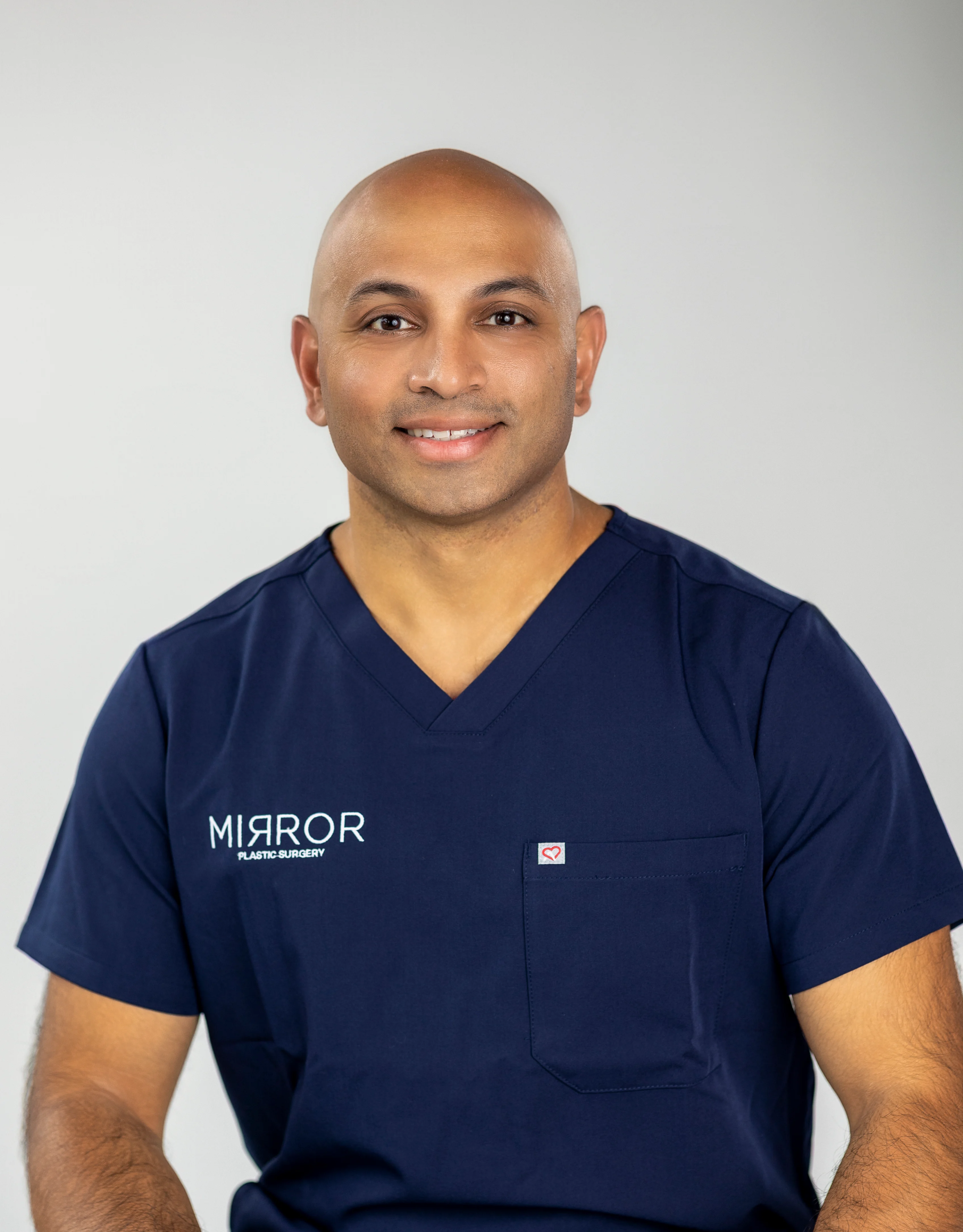
Mirror Plastic Surgery limits itself to one to two surgeries per day so that every patient’s peptide therapy receives careful, individualized planning. Every protocol is designed around labs and physiology, and Dr. Akash remains available via text for questions and support throughout treatment.
What To Expect In A Collagen Peptide Consultation
Tampa Bay residents considering collagen peptide therapy with a specialist who prioritizes safety and results can expect a structured, supportive process at Mirror Plastic Surgery.
Step-By-Step Consultation Experience
- Comprehensive Consultation: Your visit begins with a 30–60 minute discussion with Dr. Akash about your health history, aesthetic concerns, and wellness goals.
- Lab Analysis: Depending on your goals, Dr. Akash reviews existing lab results or orders comprehensive panels to assess thyroid function, hormone levels, inflammatory markers, and metabolic health.
- Personalized Protocol: Based on your consultation and labs, Dr. Akash designs a custom peptide protocol tailored to your physiology, which may include GHK-Cu alone or as part of the Glow Stack.
- Detailed Instructions: You receive clear guidance on reconstitution and self-administration, often with video demonstrations.
- Ongoing Concierge Support: Throughout treatment, you have direct access to Dr. Akash via text for questions, concerns, and adjustments.
Mirror Plastic Surgery is located at 780 4th Ave S, St. Petersburg, FL 33701, and serves patients from Tampa, Clearwater, and the broader Tampa Bay area. Remote consultations are available for patients across the United States.
Schedule your collagen peptide consultation to take the first step toward healthier skin and renewed wellness with Dr. Akash.
Frequently Asked Questions
What Is The Best Peptide For Collagen Production?
GHK-Cu (copper peptide) currently has the strongest evidence base for collagen support. It stimulates collagen types I, III, and IV while remodeling damaged tissue through coordinated MMP and TIMP activity. Topical use has controlled human trial support, and injectable use remains investigational and should occur only under physician supervision. At Mirror Plastic Surgery, GHK-Cu is often combined with BPC-157 and TB500 in the Glow Stack to address systemic inflammation alongside skin health. No single peptide suits every patient, so a personalized evaluation with lab analysis is essential.
How Long Does It Take To See Results From Ghk-Cu?
Timelines vary by delivery method and individual biology. With topical GHK-Cu, many patients notice hydration changes within one to four weeks, texture improvements within four to twelve weeks, and fine-line changes after twelve or more weeks. With injectable GHK-Cu, visible effects often begin in two to four weeks, with more significant changes in fine lines and elasticity over eight to twelve weeks. Elasticity improvements from either route usually unfold over six or more months of consistent use.1 If no change appears by weeks twelve to sixteen with topical use, the individual may be a non-responder.
Is Ghk-Cu The Same As Oral Collagen Supplements?
GHK-Cu differs fundamentally from oral collagen supplements. Oral collagen provides amino acid building blocks that are broken down during digestion. GHK-Cu functions as a signaling peptide that instructs the body to produce more collagen through fibroblast activation, gene expression modulation, and copper-dependent enzymatic pathways. Oral collagen may offer modest support for skin hydration and elasticity, but the strongest results in published trials come from industry-funded studies, and a 2025 systematic review found benefits disappeared in high-quality, non-industry-funded trials. GHK-Cu, especially in topical form, offers a more targeted and mechanistically distinct approach.
Can I Use Ghk-Cu If I Have A Copper Metabolism Disorder?
GHK-Cu should not be used by individuals with Wilson’s disease or other copper metabolism disorders, significant liver disease, active malignancy, or known hypersensitivity to copper compounds. Pregnant and breastfeeding individuals should also avoid GHK-Cu. A thorough medical evaluation, including appropriate lab testing for liver function and copper levels, is essential before beginning any peptide protocol. At Mirror Plastic Surgery, Dr. Akash screens every patient for these contraindications before designing a protocol.
Does Peptide Therapy Require Ongoing Use To Maintain Results?
Peptide therapy functions similarly to a fitness routine: results require maintenance. If therapy stops, benefits gradually diminish. For skin aging and collagen support, a maintenance protocol usually helps sustain gains achieved during an active treatment cycle. Dr. Akash designs protocols with long-term maintenance in mind and explains what ongoing care will look like before treatment begins so patients understand both the plan and what to expect if they stop.
Conclusion: Next Steps For Healthier Skin And Wellness In Tampa Bay
Collagen peptide therapy with GHK-Cu offers a promising, science-informed approach to addressing skin aging, hair health, and systemic wellness. Topical evidence is strong, while injectable evidence is growing yet still investigational. In both cases, provider quality strongly influences outcomes.
Mirror Plastic Surgery delivers physician-supervised peptide therapy for the Tampa Bay area. Dr. Akash Chandawarkar combines Ivy League medical training with a concierge model that prioritizes safety, education, and long-term results. Every protocol is personalized, every peptide is quality-sourced, and every patient receives ongoing support that far exceeds what unregulated online sources or high-volume med spas can provide.
Request a personalized GHK-Cu treatment plan with Dr. Akash at Mirror Plastic Surgery in St. Petersburg, Florida.
Medical Disclaimer
This article is for educational purposes only and does not constitute medical advice. Peptides discussed, including GHK-Cu, are not FDA-approved for the uses described and are not regulated as drugs by the FDA. The information provided should not replace consultation with a qualified healthcare professional. Results vary from person to person, and professional medical supervision is essential for safe and effective peptide therapy. Always consult with a board-certified physician before beginning any peptide protocol.
1 Results may vary from person to person. Editorial content, before and after images, and patient testimonials do not constitute a guarantee of specific results.
Peptide therapy is intended for wellness and optimization purposes and is not prescribed to diagnose, treat, cure, or prevent disease unless specifically stated. Many peptides are not FDA-approved and may be used off-label. Some have limited long-term safety data, with a potential for unknown risks, complications, or desensitization with prolonged use.