
Written by: Dr. Akash Chandawarkar, Board Certified Plastic Surgeon, Mirror Plastic Surgery | Last updated: September 9, 2026
Key Takeaways
- Peptide therapy is a complementary option for autoimmune conditions. Peptides are powerful compounds that require medical supervision and do not replace conventional treatments.
- The 2026 regulatory landscape for peptides is complex and changing. Ongoing FDA reviews and enforcement actions make reputable, pharmacy-sourced care essential.
- Peptides such as BPC-157, Thymosin Alpha-1, KPV, and TB-500 may help modulate inflammation and support gut health.1 Human data varies, and responses are highly individual.
- Effective autoimmune care uses peptide therapy within a holistic plan that also addresses gut health, nutrition, lifestyle, stress, and conventional medical treatment.
- For physician-supervised peptide therapy in Florida, schedule a consultation at Mirror Plastic Surgery to see whether a customized protocol fits your autoimmune needs.
Peptide Therapy Basics For Autoimmune Conditions
Peptides are short chains of amino acids, the building blocks of proteins, that act as signaling molecules throughout the body. They tell cells what to do, such as reducing inflammation, modulating immune activity, repairing tissue, or supporting the gut barrier.
This targeted signaling matters for autoimmune conditions. Roughly 70 to 80 percent of the body’s immune cells live in the gut, which makes the gastrointestinal system central to immune balance. Autoimmune diseases involve the immune system attacking healthy tissue, often driven by chronic inflammation and gut barrier problems. These issues are increasingly linked to conditions such as rheumatoid arthritis and IBD. Peptides like BPC-157, Thymosin Alpha-1, KPV, and Thymosin Beta-4 are under study for their effects on these pathways.1
Peptides do not replace conventional autoimmune medications. Physicians may use them as a complementary tool within a broader holistic plan that also supports nutrition, gut health, stress, and lifestyle. Any change to immunosuppressive therapy must occur under direct physician supervision, and patients should always inform their autoimmune specialist about peptide use.
Book An Appointment With Ellie to explore whether a personalized peptide protocol fits your autoimmune condition.
The 2026 Peptide Regulatory Landscape For Florida Patients
Most peptides used in wellness protocols are not FDA-approved and are prescribed off-label. Florida patients considering peptide therapy need a clear view of the current regulatory environment.
In 2023, the FDA placed 19 peptides in Category 2 of its 503A bulk drug substances list because of safety concerns such as immunogenicity, impurities, and limited human data. This move restricted licensed compounding pharmacies from preparing those peptides.
On February 27, 2026, HHS Secretary Robert F. Kennedy Jr. announced that about 14 of those 19 peptides would move toward Category 1, restoring potential compounding access. Later, on April 15, 2026, the FDA removed twelve peptides, including BPC-157, KPV, and TB-500, from Category 2 after nominators withdrew the safety-risk nominations.
This removal does not grant FDA approval or automatic availability. Removal from Category 2 does not place a peptide on the 503A Bulks List or make it lawful to compound. Under Section 503A, pharmacies may compound only substances that are FDA-approved drugs, have a USP or NF monograph, or appear on the 503A Bulks List after formal review. Most peptides do not meet these criteria.
On July 23–24, 2026, the FDA’s Pharmacy Compounding Advisory Committee reviewed seven peptides, including BPC-157, KPV, and TB-500, for possible inclusion on the 503A Bulks List. At the time of this guide, no peptide has been formally added based on that review.
Regulatory enforcement remains active. On March 31, 2026, the FDA issued a warning letter to Gram Peptides for marketing unapproved peptide products with drug-like claims. The agency highlighted that injectable products can cause serious harm because they bypass key defenses against toxins and microorganisms. These federal actions apply nationwide, including Florida pharmacies, clinics, and online sellers.
For Tampa and St. Petersburg residents, the takeaway is clear. Peptide regulations are fluid and complex, so safe therapy depends on a provider who tracks FDA guidance and uses only licensed, quality-verified compounding pharmacies.
Evidence Snapshot For Key Peptides In Autoimmune Inflammation
The peptides below are commonly discussed for autoimmune and inflammatory conditions. Each requires cautious, evidence-informed use because human trial data remains limited for several, and responses vary widely.
BPC-157 (Body Protective Compound 157)
BPC-157 is widely known for gut repair and tissue-healing support. A 2025 systematic review in an American College of Gastroenterology journal analyzed 36 studies from 1993 to 2025 and found consistent preclinical benefits for gastrointestinal conditions. BPC-157 supports mucosal healing, lowers pro-inflammatory cytokines such as TNF-alpha and IL-6, and helps maintain gut barrier integrity.1 These actions may matter for IBD and gut-driven autoimmune activity. BPC-157 remains stable in human stomach acid for more than 24 hours, which supports oral use for gut-focused effects. Human clinical data is still limited, and its compounding status continues to evolve.
Thymosin Alpha-1
Thymosin Alpha-1 currently has the strongest clinical evidence among immunomodulatory peptides used in wellness settings. A safety review of more than 11,000 human subjects across over 30 clinical trials reported no autoimmune flares or immune overstimulation linked to this peptide. It enhances regulatory T-cell function, supports T-cell maturation, and reduces pro-inflammatory cytokines such as IL-6 and TNF-α.1 This pattern reflects immune modulation rather than broad suppression.
A 2016 Clinical and Experimental Immunology study found that patients with chronic inflammatory autoimmune diseases, including rheumatoid and psoriatic arthritis, had lower serum Thymosin Alpha-1 levels than healthy controls. Thymosin Alpha-1 is approved in more than 35 countries as Zadaxin, although it does not hold FDA approval in the United States.
Thymosin Beta-4 (TB-500)
TB-500 supports soft tissue healing and inflammation control by promoting cell migration and tissue repair.1 Clinicians often pair TB-500 with BPC-157 for broader healing protocols, since TB-500 promotes angiogenesis and supports deeper tissue structures. This combination may create a more complete healing effect than either peptide alone. Human clinical data remains limited, and TB-500 is still under FDA regulatory review.
KPV
KPV is a tripeptide derived from alpha-melanocyte-stimulating hormone that blocks NF-kB, a central inflammatory pathway. A 2008 Gastroenterology study by Dalmasso et al. showed that oral KPV significantly reduced colitis severity in mouse models, and this effect disappeared in PepT1-knockout mice. That finding confirmed its mechanism of action. KPV concentrates in inflamed intestinal tissue, which makes it a logical candidate for ulcerative colitis and Crohn’s disease. It remains a research compound and does not have FDA approval.
GHK-Cu (Copper Peptide)
GHK-Cu supports collagen and elastin production, which benefits skin, hair, and nails. It also has anti-inflammatory properties and often appears in broader wellness plans, especially when autoimmune conditions affect skin or connective tissue. At Mirror Plastic Surgery, GHK-Cu is a core part of the Glow Stack, combined with BPC-157 and TB-500.
Clinicians often combine these peptides into custom stacks based on lab results, health goals, and specific diagnoses. Patients may notice anti-inflammatory benefits from KPV and BPC-157 within two to four weeks, while deeper immune retraining, such as regulatory T-cell expansion, usually takes months.1 Thymosin Alpha-1 protocols often run three to six months before physicians reassess overall immune balance.
Holistic Autoimmune Care And The Role Of Peptides
Peptide therapy works best as one part of a holistic autoimmune plan. Integrative physicians typically evaluate four main root-cause areas: gut and microbiome health, environmental toxins, nutrient status, and chronic stress with HPA-axis disruption.
The gut-immune connection sits at the center of this approach. Dr. Alessio Fasano’s work identified increased intestinal permeability as a prerequisite for autoimmune disease, and a 2025 Yale study showed that the gut bacterium E. gallinarum can move beyond the gut and promote lupus in mice and humans. BPC-157 and KPV target this pathway by repairing the mucosal barrier and calming intestinal inflammation.1
Nutritional and lifestyle strategies strengthen peptide protocols. The VITAL trial found that 2,000 IU of vitamin D daily reduced autoimmune disease incidence by 22 percent, and the combination of vitamin D with omega-3s reduced incidence by about 30 percent compared with placebo. Mind-body tools such as mindfulness-based stress reduction, yoga, and cognitive behavioral therapy have lowered inflammatory markers and improved symptoms in autoimmune groups.
Effective gut healing also requires removing triggers, adjusting diet, and restoring the microbiome alongside peptide therapy. Many autoimmune protocols include L-glutamine, zinc carnosine, vitamin D, omega-3s, and AIP-style diets in combination with peptides.
Choosing A Safe Peptide Provider In Florida
Use the following checklist when you evaluate a supervised peptide provider in Tampa or St. Petersburg:
- Board-certified physician oversight from a Florida-licensed MD or DO
- Comprehensive baseline labs, such as CBC, CMP, lipid panel, HbA1c, IGF-1 for growth hormone secretagogues, inflammatory markers, and hormone panels when indicated
- Personalized protocols based on your physiology and lab data instead of generic dosing
- Peptides from licensed compounding pharmacies with batch Certificates of Analysis showing HPLC purity, USP 71 sterility testing, USP 85 endotoxin testing, and mass spectrometry identity checks
- Ongoing follow-up visits and monitoring, not a single prescription
- Direct access to the prescribing physician for questions and support
Watch for these red flags, which suggest a clinic is operating outside standard care:
- No physician oversight or prescription requirement
- No baseline lab testing before prescribing
- No Certificate of Analysis for compounded products
- Peptides sold as supplements without a prescription
- Claims of zero side effects or guaranteed outcomes
- Prices far below typical market rates, which may signal unverified sourcing
The greatest peptide risk comes from unapproved or contaminated products from unreliable sources. Online peptide sellers operate without quality control, medical oversight, or adverse event monitoring. Physician-led, lab-driven care offers a very different safety profile.
Book An Appointment With Ellie at Mirror Plastic Surgery to receive physician-led, lab-based peptide evaluation and care in Tampa Bay.
Mirror Plastic Surgery’s Concierge Peptide Care In Florida
Mirror Plastic Surgery, located at 780 4th Ave S in St. Petersburg, provides highly personalized peptide programs. Every protocol is designed and supervised by Dr. Akash Chandawarkar, MD, a Harvard-educated, Johns Hopkins-trained plastic surgeon board-certified by the American Board of Plastic Surgery.
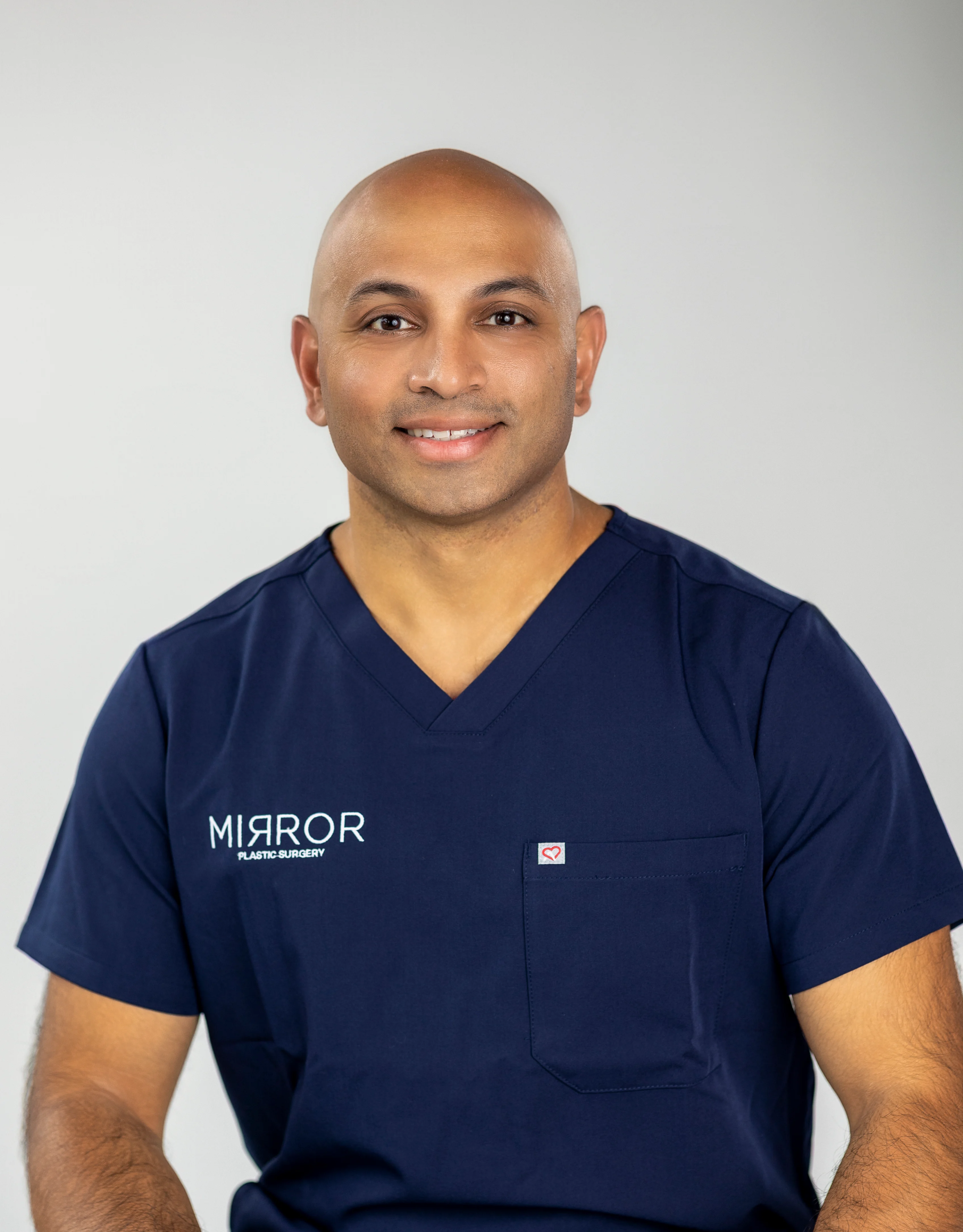
Dr. Akash’s training supports his work with complex conditions. He studied neuroscience and nuclear engineering at MIT, then graduated with Honors from Harvard Medical School through the Harvard-MIT Division of Health Sciences and Technology. His seven-year plastic and reconstructive surgery residency at Johns Hopkins deepened his understanding of physiology, metabolic health, and recovery. He also completed the Stanford University Biodesign Innovation Fellowship, which focuses on identifying unmet clinical needs and building practical solutions.
The Mirror Plastic Surgery peptide process follows several core principles:
- In-Depth Consultation: Initial visits last 30 to 60 minutes and cover medical history, medications, goals, and concerns. This format replaces quick, questionnaire-only online models.
- Lab-Driven Protocols: Dr. Akash reviews or orders comprehensive labs, including thyroid, liver, kidney, diabetes markers, inflammatory markers, and hormone panels, to tailor treatment to each patient.
- Quality Assurance: The practice uses reputable compounding pharmacies that perform rigorous batch testing for quality, purity, and accurate dosing.
- Concierge Support: Patients can reach Dr. Akash directly by text or scheduled telemedicine for questions, adjustments, and refills.
- Safety-First Philosophy: The practice prioritizes safety, then function, then aesthetics. Dr. Akash frequently advises patients to delay or skip treatments when they are not necessary, focusing on long-term health.
Mirror Plastic Surgery serves the Tampa Bay region, including Tampa, St. Petersburg, and nearby communities, and also offers remote consultations and service across Florida.
Book An Appointment With Ellie to take the first step toward a personalized, medically supervised peptide plan.
Frequently Asked Questions
Can Peptides Reverse Autoimmune Disease?
Peptides do not cure autoimmune disease. They may help modulate immune function, reduce inflammation, and support tissue repair as part of a broader plan. Patients should view them as a complementary tool alongside conventional treatment. Responses differ widely, and many patients need ongoing maintenance to sustain benefits.
What Is The Best Peptide For Autoimmune Inflammation?
No single peptide works best for every autoimmune condition. The right choice depends on your diagnosis, symptoms, and overall health profile. Thymosin Alpha-1 currently has the strongest clinical evidence for immune modulation, with safety data from more than 11,000 subjects. BPC-157 and KPV often support gut-related inflammation and barrier repair. A qualified physician should design a personalized protocol based on comprehensive lab testing.
Are Peptides FDA-Approved?
Most peptides used in wellness settings are not FDA-approved. Physicians may prescribe them off-label, and licensed pharmacies compound them under the 503A framework when allowed. The FDA uses regulatory categories for bulk substances, and peptide status has shifted throughout 2025 and 2026. In February 2026, HHS Secretary Kennedy announced that about 14 previously restricted peptides would move toward Category 1, and in April 2026 the FDA removed several peptides from Category 2.
Category 1 status allows licensed compounding pharmacies to prepare a substance under a valid prescription. It does not equal FDA approval. Patients should understand the difference between “legal to compound” and “FDA-approved” when they consider peptide therapy.
What Are The Risks Of Buying Peptides Online?
Online peptide purchases carry significant risk. Independent testing has shown that many gray-market peptides exceed endotoxin limits, contain incorrect amino acid sequences, or fall below purity standards. These products lack quality control and medical supervision, and no one tracks adverse events. The FDA has issued warning letters to online sellers for marketing unapproved products with drug-like claims, and “research use only” labels do not protect consumers.
Patients with autoimmune conditions already have dysregulated immune systems, which increases the danger of using injectable compounds with uncertain purity.
How Do I Get Supervised Peptide Therapy For Autoimmune Conditions In Tampa?
Start by scheduling a consultation with a board-certified physician who offers medically supervised peptide therapy with full lab work and customized protocols. At Mirror Plastic Surgery in St. Petersburg, Dr. Akash Chandawarkar provides detailed consultations, lab-based protocol design, verified peptide sourcing, and concierge follow-up. The practice serves Tampa, St. Petersburg, and surrounding communities and offers remote care throughout Florida.
Conclusion: Moving Toward Safe, Supervised Peptide Therapy In Florida
Peptide therapy can play a meaningful role in holistic autoimmune care when patients prioritize safety and supervision. The 2026 regulatory environment remains complex, so patients benefit from working with providers who follow FDA guidance, use quality-verified compounding pharmacies, and design protocols around individual labs and physiology.
Mirror Plastic Surgery delivers concierge-level peptide therapy in Tampa Bay, guided by Dr. Akash Chandawarkar’s training at Harvard, Johns Hopkins, and Stanford, along with his commitment to education and honest communication. For Florida residents with autoimmune conditions who want a more integrative approach after standard care, this physician-led, lab-driven model offers a safer alternative to high-volume clinics and unregulated online sources.
Book An Appointment With Ellie at Mirror Plastic Surgery to explore whether peptide therapy fits your autoimmune care plan.
Contact Mirror Plastic Surgery
- Phone: 727-361-6515
- Email: hello@mirrorplasticsurgery.com
- Address: 780 4th Ave S, St. Petersburg, FL 33701
- Instagram: @mirrorplasticsurgery, @dr.akashplasticsurgery
Disclaimer: Results may vary from person to person. Editorial content and patient testimonials do not constitute a guarantee of specific results.
Disclaimer: Peptide therapy is intended for wellness and optimization purposes and is not prescribed to diagnose, treat, cure, or prevent disease unless specifically stated. Many peptides are not FDA-approved and may be used off-label. Some have limited long-term safety data, with a potential for unknown risks, complications, or desensitization with prolonged use.
1 Results may vary from person to person. Editorial content, before and after images, and patient testimonials do not constitute a guarantee of specific results.
Peptide therapy is intended for wellness and optimization purposes and is not prescribed to diagnose, treat, cure, or prevent disease unless specifically stated. Many peptides are not FDA-approved and may be used off-label. Some have limited long-term safety data, with a potential for unknown risks, complications, or desensitization with prolonged use.