

Last updated: March 13, 2026
Key Takeaways
- Repeated dermal fillers over 2 to 5 years can cause doughy texture, filler fatigue, pillow face, sagging after stopping, nodules, skin thinning, and vascular changes.
- Most texture changes stay temporary and reversible when you use proper technique, conservative dosing, and expert intervention instead of aggressive volume.
- Prevention strategies include small boluses of 0.1 to 0.2 mL, detailed anatomical assessments, biostimulatory fillers like RHA and Radiesse, and hybrid treatments with RF microneedling.
- 2026 trends favor biostimulatory fillers and combination therapies that stimulate natural collagen, reduce volume needs, and lower texture risks.
- Partner with Mirror Plastic Surgery for personalized, concierge-level care, and book a consultation with Ellie Pranckevicius to prevent filler-related texture changes and support long-term skin health.
Concierge-Level Filler Care at Mirror Plastic Surgery
Mirror Plastic Surgery follows a concierge medicine model that contrasts sharply with high-volume aesthetic clinics. Typical practices may perform five to ten procedures daily, while Mirror limits itself to one to two procedures per day to focus fully on each patient. This structure prioritizes safety first, function second, and aesthetics third, which helps prevent overfilling and rushed choices that create long-term texture problems.
The practice offers hour-long comprehensive assessments that allow time for detailed anatomical evaluation and honest discussion of realistic outcomes. Unlike practices driven by quotas or specific product lines, Mirror remains supplier neutral and selects products based on your anatomy and goals instead of commission structures.
Book a consultation with Ellie Pranckevicius to experience a personalized approach to aesthetic medicine that protects your long-term skin health.
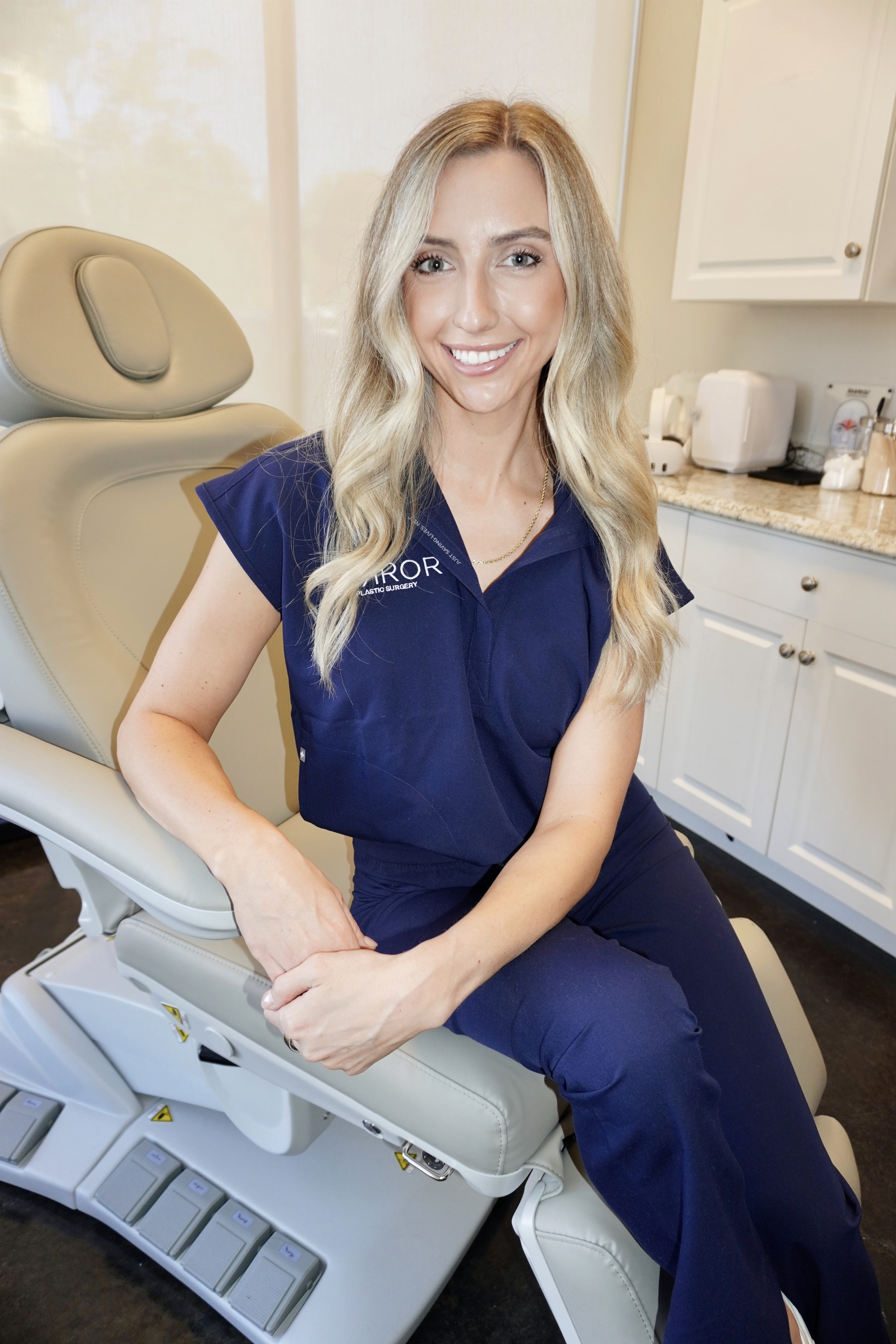
Your Injector: Ellie Pranckevicius, FNP-BC
Ellie Pranckevicius, FNP-BC, combines advanced nursing training with deep aesthetic expertise at Mirror Plastic Surgery. She holds a Bachelor's in Health Science from Boston University and both Bachelor's and Master's degrees in Nursing from the University of South Florida. Her 600-hour aesthetics licensure program and four years in the Neuroscience ICU at Tampa General Hospital give her strong clinical judgment and a detailed understanding of human physiology.
Ellie specializes in neuromodulators and dermal fillers including Juvederm, RHA, Versa, Restylane, Radiesse, and Evolysse. She focuses on holistic full-face balance and precise anatomy-based placement to avoid overfilling and texture changes. Her combined esthetician training and advanced nursing credentials provide insight into both surface and subdermal anatomy, which supports superior outcomes and smooth collaboration with Dr. Akash Chandawarkar's surgical work.
7 Long-Term Skin Texture Changes from Repeated Facial Dermal Fillers
1. Doughy and Puffy Skin Texture
Repeated filler injections can create a doughy or puffy texture, especially in the mid-face and under-eye areas. This develops when filler accumulation exceeds the body's natural metabolic capacity to break down filler, which leads to persistent swelling. Over 2 to 3 years of regular treatments, you may notice softer contours, facial heaviness, and less definition. Moderate filler use hydrates skin, but excessive buildup can leave an inflated look that lingers between sessions.
2. Filler Fatigue and Reduced Elasticity
Filler fatigue describes a gradual decline in skin elasticity and bounce after repeated injections over 2 to 5 years. Natural collagen production already drops by about 1% annually after the mid-20s, and repeated filler placement can disrupt collagen architecture. Skin may look less resilient, recover more slowly from expressions, and lose some youthful firmness. Many patients describe their skin as tired or dull even right after fresh filler treatments.
3. Pillow Face and Filler Migration
Pillow face occurs when repeated overfilling blurs natural facial definition and creates a rounded, cushioned look. Cheeks and under-eye areas feel this most, where excessive volume creates heaviness without structural support. Over months to years, filler can migrate and form asymmetrical bulges or unnatural contours that remain long after the intended treatment period. This pattern usually follows multiple high-volume sessions and often requires full filler dissolution for correction.
4. Sagging After You Stop Fillers
Stopping regular filler treatments after years of use can create a temporary deflation effect that looks like sagging. Most fillers dissolve naturally within 6 to 18 months, but repeated treatments can influence elasticity, which may cause short-term laxity as skin adjusts to its natural volume. This shift can feel like a dependency on continued treatments, although properly administered fillers do not cause permanent damage and the face returns to pre-treatment baseline.
5. Uneven Granularity and Nodule Formation
Long-term filler use can occasionally cause granulomas or nodular irregularities, especially when injection technique is poor. ASDS task force recommendations to reduce nodules include thorough patient history, avoiding injection into inflamed areas, and using small boluses of 0.1 to 0.2 mL. These complications remain rare but can create lasting textural irregularities that need specialized treatment.
6. Thin and Atrophic Skin in Delicate Areas
Repeated stretching from overfilling can contribute to skin thinning and atrophy, especially under the eyes and in the lips. Any stretching usually stays temporary and skin returns to normal once filler dissolves, but chronic overfilling may speed thinning in already delicate skin. This creates a paradox where treatments meant to restore youthfulness can highlight aging signs.
7. Vascular and Circulation Changes
Repeated filler injections can rarely affect local circulation and create areas of reduced blood flow. Comprehensive screening and use of blunt-tip cannulas with minimal injection volumes help reduce vascular risks. These changes may show up as persistent discoloration, slower healing, or skin that looks dull compared with surrounding tissue.
Key Filler Terms Explained
Clear filler terminology helps you make confident treatment decisions. The phrase "filler fatigue" describes gradual loss of treatment effectiveness and skin resilience over time. Biostimulatory fillers such as RHA, Radiesse, and Evolysse work by stimulating collagen production instead of only adding volume. Migration means filler moves away from the original injection site. Subdermal anatomy refers to deeper tissue layers where careful filler placement can support structure while keeping the surface smooth.
Practical Strategies to Prevent Texture Changes
Preventing long-term texture changes starts with a plan that values skin health over instant volume. Using strict aseptic technique, small boluses of 0.1 to 0.2 mL, and avoiding dental or invasive procedures for more than 2 weeks before and after filler significantly lowers complication risk.
Comprehensive anatomical assessments guide product choice and dosing based on your facial structure instead of a one-size-fits-all plan. The current shift toward less filler and more structure with strategic placement restores support without heaviness, which helps prevent pillow face.
Biostimulatory fillers often provide better long-term outcomes because they work with your body's natural repair processes. Hybrid treatment plans that combine fillers with neuromodulators and energy-based therapies create full-face rejuvenation while reducing reliance on any single product.
Regular maintenance with conservative dosing prevents the buildup that leads to texture problems. Book a consultation with Ellie Pranckevicius to design a personalized prevention strategy that maintains natural harmony while meeting your aesthetic goals.
2026 Filler Trends and Texture-Safe Innovations
Biostimulatory fillers are replacing many traditional fillers in 2026 by stimulating collagen and elastin for natural results that last 12 to 18 months. This trend addresses texture concerns by supporting the body's regenerative systems instead of simply adding volume.
Combining biostimulatory fillers like Sculptra with RF microneedling can boost collagen density by 25% over six months, which improves elasticity and texture together. These combinations often deliver better results while using less filler overall.
Hyperdiluted Radiesse improves texture and firmness in larger areas such as cheeks, jawline, neck, arms, and hands through collagen stimulation. This approach supports natural-looking rejuvenation and proactively addresses texture concerns.
Misconceptions About Fillers and Skin Texture
The belief that "fillers always ruin skin texture" oversimplifies a nuanced topic that depends on dose, technique, and provider skill. Properly administered fillers do not stretch skin or cause permanent damage, and the face returns to baseline without accelerated aging.
High-volume practices that value speed over individualized care often drive texture problems through rushed assessments and standardized plans. The idea that more filler always looks better fuels many long-term complications, while strategic, conservative placement usually creates better results with less risk.
Clear understanding of temporary versus permanent changes helps you decide whether to continue, pause, or adjust treatments. Most texture changes from repeated filler use improve with the right intervention and enough time.
Frequently Asked Questions
What happens to your face after years of fillers?
After years of filler use, you may notice doughy skin, reduced elasticity, or a pillow face appearance. These effects usually stay preventable with proper technique, conservative dosing, and expert guidance. Most changes improve once treatments are paused or adjusted.
Do fillers age you in the long run?
Properly administered fillers do not speed up aging. Overfilling or poor technique can create unnatural results that look aged or heavy. Working with experienced providers who value natural results and long-term skin health helps avoid that outcome.
Does skin sag after stopping fillers?
Skin may feel temporarily lax as it adjusts to natural volume after you stop fillers, but this reflects a return to baseline rather than new sagging. Most people regain natural elasticity over 6 to 18 months as remaining filler dissolves.
Do repeated fillers cause permanent changes?
Most filler-related changes stay temporary and reversible. Permanent changes remain rare and usually stem from complications such as granulomas or severe overfilling. Conservative plans and expert techniques greatly reduce the chance of lasting issues.
How can you prevent filler texture changes?
Prevention starts with an experienced provider, conservative dosing, and thoughtful use of biostimulatory options. Regular but moderate treatment schedules and pairing fillers with treatments like microneedling or radiofrequency support overall skin health and smoother texture.
Conclusion and Next Steps
Long-term skin texture changes from repeated facial dermal fillers usually stay preventable with good education, expert guidance, and strategic planning. Concerns about filler fatigue, pillow face, and elasticity loss remain valid, yet conservative approaches that respect facial harmony and skin health keep these risks low.
Growing use of biostimulatory fillers and combination therapies gives patients more options for sustainable enhancement without sacrificing texture. Success depends on choosing providers who understand facial anatomy, value safety over volume, and design personalized plans around your goals and skin.
Book a consultation with Ellie Pranckevicius to review your long-term filler history and build a strategy that maintains your natural beauty while addressing texture concerns early.
Book a Consultation at Mirror Plastic Surgery
Mirror Plastic Surgery provides comprehensive assessments to review your filler history and create personalized plans for long-term results. Located at 780 4th Ave S, St. Petersburg, FL 33701, the practice serves the Tampa Bay area with concierge-level care tailored to your needs.
Contact Mirror Plastic Surgery at 727-361-6515 or hello@mirrorplasticsurgery.com to schedule your consultation. Follow @mirrorplasticsurgery, @dr.akashplasticsurgery, and @perfectlyplastics on Instagram for educational content and patient success stories.
Disclaimer: Results may vary from person to person. Editorial content, before and after images, and patient testimonials do not constitute a guarantee of specific results.
