
Written by: Dr. Akash Chandawarkar, Board Certified Plastic Surgeon, Mirror Plastic Surgery | Last updated: September 9, 2026
Key Takeaways
- Sermorelin and ipamorelin are growth hormone-releasing peptides that stimulate your own growth hormone through two complementary receptor pathways.
- Gray-market peptide products carry significant quality and safety risks, so physician-led concierge care offers a safer, more responsible path.
- A thorough concierge protocol includes full lab testing, personalized dosing, vetted sourcing, and ongoing physician supervision to balance benefits and risks.
- Many patients notice better sleep and energy within weeks, with body composition changes developing over 2–6 months of consistent, guided use.1
- Schedule your personalized sermorelin and ipamorelin consultation with Dr. Akash Chandawarkar at Mirror Plastic Surgery to begin a safe, lab-guided treatment plan.
How Sermorelin And Ipamorelin Work In Your Body
Each peptide acts on a different part of the same growth hormone system, which explains why the combination is so compelling.
Sermorelin is a synthetic analog of growth hormone-releasing hormone (GHRH), consisting of the first 29 amino acids of the 44-amino-acid endogenous GHRH molecule. It binds to GHRH receptors on somatotroph cells in the anterior pituitary and triggers a signaling cascade that stimulates the body’s own growth hormone synthesis and release. This process preserves the natural pulsatile growth hormone secretion pattern. Sermorelin was previously FDA-approved under the brand name Geref for pediatric growth hormone deficiency, and the manufacturer voluntarily withdrew it from the market in 2008 for commercial reasons rather than safety or regulatory concerns.
Ipamorelin is a synthetic pentapeptide classified as a growth hormone secretagogue. It was first described in a 1998 paper by Raun and colleagues in the European Journal of Endocrinology as “the first selective growth hormone secretagogue.” Unlike sermorelin, which acts on the GHRH receptor, ipamorelin binds to the GHS-R1a receptor, also known as the ghrelin receptor, and this pathway works in synergy with GHRH signaling. Ipamorelin was designed to be highly selective. It stimulates growth hormone release without significantly elevating cortisol, ACTH, or prolactin, which were problematic side effects of earlier secretagogues like GHRP-6.
Why combine them? A landmark study by Bowers and colleagues (1990) in healthy men found that a growth hormone-releasing peptide acted synergistically with GHRH, producing a far greater growth hormone response together than either alone. Because sermorelin and ipamorelin act on different receptors, their combined use produces synergistic growth hormone responses, as GHRH analogues increase cAMP in somatotrophs while ghrelin mimetics act through the phospholipase C/IP3 pathway. The combination also preserves the body’s natural pulsatile growth hormone secretion pattern, which supports normal feedback mechanisms. No published randomized human trial has tested the specific sermorelin-plus-ipamorelin combination, so the strongest evidence sits at the level of endocrine logic and GH-pulse physiology, with moderate support from surrogate markers like IGF-1 and more limited data for broad claims about body recomposition or anti-aging. Honest communication about this evidence landscape remains a core principle of care at Mirror Plastic Surgery.
Benefits Of Sermorelin And Ipamorelin Combination Therapy
Personalized, medically supervised therapy can produce a cluster of improvements that reflect growth hormone’s role in metabolism, tissue repair, and sleep.1 These benefits tend to be stronger when treatment is tailored to your labs and paired with healthy habits. Individual results vary based on baseline hormone levels, health status, and adherence.
- Increased lean muscle mass: Growth hormone supports protein synthesis and muscle development. A 2002 double-blind, placebo-controlled trial found that six months of daily sermorelin increased lean mass by +1.2 ± 0.7 kg versus +0.1 ± 0.3 kg for placebo and improved leg press by +18 ± 7% versus +3 ± 4% for placebo.
- Reduced body fat: Growth hormone stimulates lipolysis, the breakdown of fat stores for energy. In the same 2002 trial, fat mass decreased by -1.8 ± 0.9 kg with sermorelin versus -0.3 ± 0.4 kg with placebo, showing how improved body composition often pairs with lean mass gains.
- Improved energy and stamina: Many patients describe higher daily energy and better exercise endurance within the first few weeks, which often makes it easier to stay active and maintain a consistent fitness routine.1
- Better sleep quality: Growth hormone release peaks at night, so sermorelin and ipamorelin are usually dosed at bedtime to match this rhythm. Patients frequently report deeper, more restorative sleep and fewer nighttime awakenings.1
- Enhanced skin elasticity and collagen support: Growth hormone helps maintain collagen synthesis, which declines with age. Over several months of steady therapy, some patients notice firmer skin, improved elasticity, and a healthier overall appearance.1
- Support for post-surgical recovery: Growth hormone contributes to tissue repair and can help modulate inflammation. This makes the combination a thoughtful adjunct for appropriate post-surgical patients at Mirror Plastic Surgery, where recovery and scarring outcomes matter greatly.
How Concierge Delivery Works At Mirror Plastic Surgery
The Mirror Plastic Surgery concierge model follows five clear steps that build on each other and create a structured, personalized experience.
- Comprehensive Initial Consultation: Every protocol begins with a 30–60 minute consultation with Dr. Akash Chandawarkar. You review medical history, health goals, lifestyle factors, and any prior experience with peptides or hormone therapy in depth so the plan reflects your full clinical picture.
- Lab-Guided Personalization: Baseline laboratory testing comes next and anchors every decision that follows. IGF-1 is the key marker for growth hormone peptides like sermorelin and ipamorelin, reflecting growth hormone production and response, and it guides dosing and monitoring over time. Dr. Akash reviews or orders panels that assess thyroid function (TSH, free T3, free T4), liver and kidney function, fasting glucose and HbA1c, lipid profile, and IGF-1 levels to confirm candidacy and set a baseline.
- Custom Protocol Design: Once labs are complete, Dr. Akash designs a protocol that specifies peptide dosing, timing, and expected duration. Each plan reflects your goals and lab findings, so no two protocols look exactly the same.
- Quality-Assured Sourcing: After the protocol is set, Mirror Plastic Surgery sources peptides from reputable providers that perform rigorous batch testing for purity and accurate dosing. You receive clear instructions for reconstitution and self-administration, often with video demonstrations, so treatment at home feels straightforward and safe.
- Ongoing Concierge Support: As therapy begins, you have direct, 24/7 text access to Dr. Akash for questions, concerns, and refill coordination. Follow-up visits and labs are scheduled at regular intervals, typically at 6–8 weeks for the first assessment and every 3 months afterward, to track IGF-1, adjust dosing, and review overall progress. Standard follow-up for growth hormone secretagogue protocols includes IGF-1 every 3 to 6 months, fasting glucose and HbA1c every 3 to 6 months, and a lipid panel every 6 to 12 months.
The entire process, from consultation to prescription to shipping, can occur in person in St. Petersburg, Florida, or remotely across the United States, including Hawaii and Alaska. To get started, book an appointment with the Mirror Plastic Surgery team and design your personalized sermorelin and ipamorelin protocol with Dr. Akash.
Safety And Side Effects With Sermorelin And Ipamorelin
Common side effects. Ipamorelin safety studies across phase 1 and phase 2 trials report no serious adverse events at therapeutic doses between 0.5–1.5 mcg/kg administered subcutaneously, with mild injection-site reactions in 8–15% of subjects that resolved within 48 hours without treatment. Sermorelin shows a similar profile, with injection site reactions in about 17% of users in clinical trials. Some patients also experience brief flushing, mild headache, or dizziness shortly after dosing.
Hair loss concerns. Published studies have not identified hair loss as a common adverse effect of sermorelin therapy. Some patients still report temporary hair shedding 6–10 weeks after starting treatment. This pattern aligns with telogen effluvium, a synchronized shedding that occurs when dormant follicles reactivate in response to restored growth hormone signaling. Growth hormone insufficiency can extend telogen phase duration from about 100 days to more than 180 days, which creates a backlog of dormant follicles that shed together when signaling improves. Shedding usually peaks between weeks 8–12 and resolves by weeks 14–18, with follicular density counts at 6 months showing net increases versus baseline.
Anxiety and mood effects. No dedicated human study has focused on anxiety or insomnia outcomes for ipamorelin. When patients describe jitteriness or anxiety-like symptoms, reactive hypoglycemia often provides a more likely explanation than a direct central nervous system effect. Ipamorelin’s selectivity profile avoids the cortisol and ACTH elevations that can worsen anxiety in other compounds.
Cardiovascular considerations. Ipamorelin doses above 2.0 mcg/kg can cause transient tachycardia through peripheral GHS-R1a activation in cardiac tissue, which resolves within about 90 minutes as plasma levels fall. Within standard therapeutic ranges, studies have not identified direct cardiovascular risks. Growth hormone elevation can still influence fluid balance and glucose metabolism, so patients with uncontrolled hypertension, moderate-to-severe sleep apnea, or significant fluid retention need careful evaluation before starting therapy.
Cortisol effects. A 1998 study by Raun and colleagues showed that ipamorelin stimulates growth hormone release without elevating cortisol, ACTH, or prolactin, even at doses 200-fold higher than those needed for growth hormone release. This selectivity sets it apart from older secretagogues like GHRP-6 and hexarelin.
Role of medical oversight. The most meaningful risks with sermorelin and ipamorelin come from unsupervised use and poor-quality products. A recent analysis found that between 40 and 70 percent of gray-market peptide samples failed basic quality criteria, and about 15 percent of a subset contained measurable endotoxin indicating bacterial contamination. Physician oversight helps ensure vetted sourcing, appropriate dosing, and regular monitoring of IGF-1, glucose, and other markers.
Who Is A Good Candidate For Sermorelin And Ipamorelin?
Candidacy at Mirror Plastic Surgery is based on a full consultation and lab review rather than a quick questionnaire.
Good candidates generally include:
- Adults experiencing age-related decline in growth hormone production. Growth hormone production drops approximately 14% per decade after age 30.
- Individuals who want to improve body composition, including more lean muscle and less body fat.
- People noticing decreased energy, poor sleep quality, or slower recovery from exercise.
- Patients seeking a proactive, science-based approach to healthy aging.
- Post-surgical patients who may benefit from enhanced recovery and reduced inflammation.
Contraindications include:
- Active malignancy or history of cancer within the last five years
- Pregnancy or breastfeeding
- Active acromegaly or pituitary tumors
- Uncontrolled diabetes or significant insulin resistance
- Uncontrolled hypertension
- Moderate-to-severe sleep apnea
- Known hypersensitivity to peptide therapeutics or excipients
How To Choose A Concierge Provider
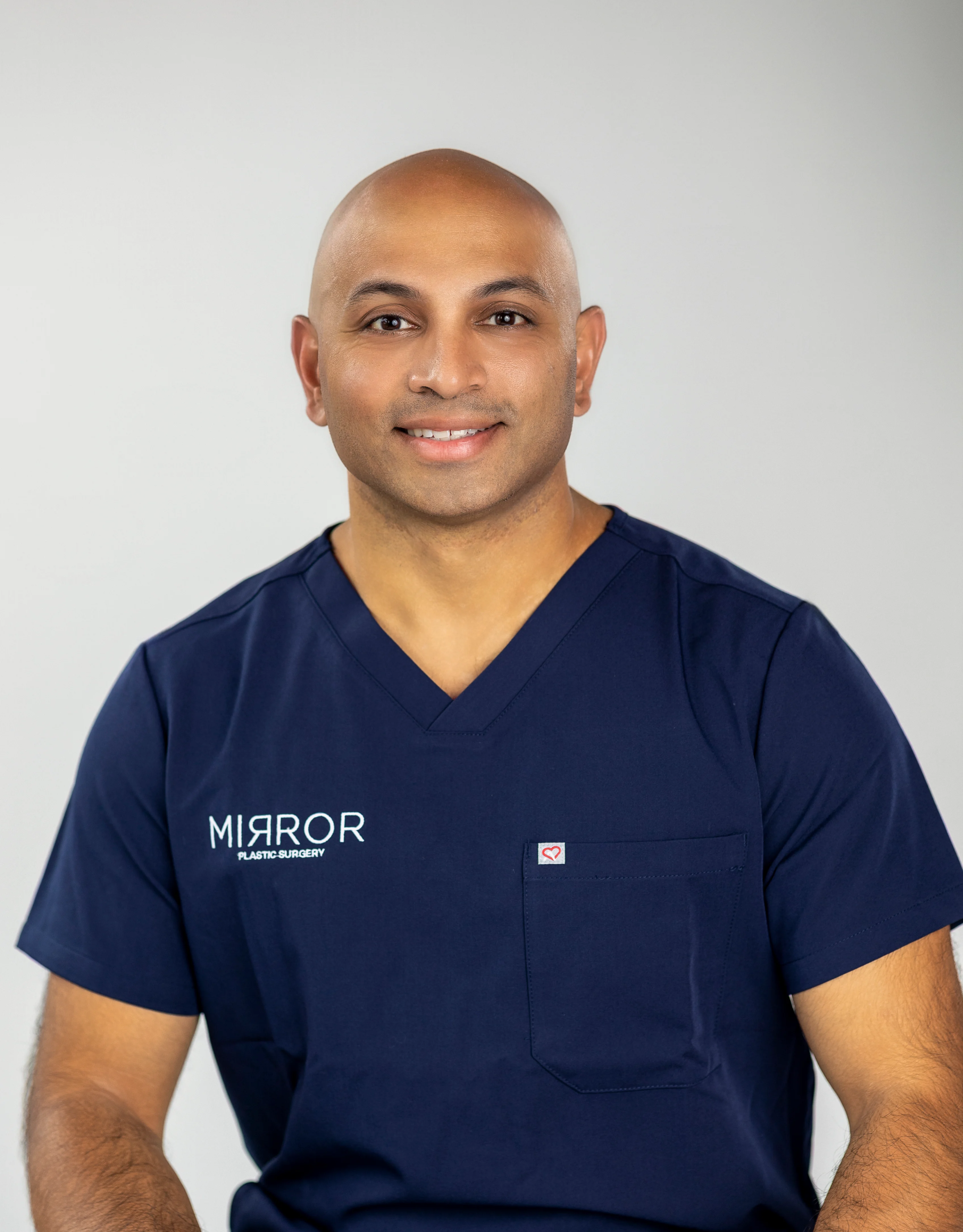
Board-Certified Physician Oversight. Peptide therapy affects the endocrine system, which requires deep clinical training. Dr. Akash Chandawarkar’s background at Harvard Medical School, Johns Hopkins, and Stanford Biodesign illustrates the level of expertise you should expect from any provider.
Lab-Guided Personalization. Clinics that prescribe peptides without lab work skip essential safety steps, because they are deciding without knowing thyroid status, kidney function, or blood sugar. Comprehensive baseline labs and regular follow-up testing form the backbone of responsible care.
Quality Peptide Sourcing. Because sermorelin and ipamorelin are not FDA-regulated for current adult use, sourcing has a major impact on safety. Reputable providers use pharmacies or suppliers that perform batch testing for purity and accurate dosing. High-quality clinics work with 503A or 503B compounding pharmacies, require baseline bloodwork and ongoing labs, and offer transparent pricing, while red flags include no bloodwork, direct retail peptide sales, guaranteed results language, and no follow-up plan.
Ongoing Support And Accessibility. Peptide therapy functions as an ongoing relationship rather than a one-time prescription. At Mirror Plastic Surgery, Dr. Akash is available via direct text message 24/7, and scheduled follow-ups are built into every protocol.
Transparent Communication. Dr. Akash regularly advises patients when a treatment does not fit their goals or health status and focuses on long-term outcomes over short-term revenue. This educational, honest approach defines the Mirror Plastic Surgery concierge model.
What To Expect From Treatment: Timeline And Results
- Weeks 1–4: Most people notice early improvements in sleep quality and energy within 2–4 weeks of starting sermorelin.1 Some also report brighter mood and better mental clarity during this phase.
- Months 2–3: Body composition changes begin to appear. Patients often see improved muscle tone, modest reductions in body fat, and smoother exercise recovery.1 IGF-1 levels usually show measurable increases by 6–8 weeks, which helps guide any dose adjustments.
- Months 3–6: Body composition and resilience goals typically take 3–6 months to reach their full effect.1 Consistent dosing and adherence to the broader protocol support the most durable results.
- Long-Term Considerations: One controlled trial found that benefits from sermorelin therapy partially reversed within 3 months of stopping treatment, with about 60% of gains lost.1 Maintenance protocols often help sustain improvements, since growth hormone levels drift back toward baseline after discontinuation. Individual outcomes depend on several factors: genetics, diet, exercise habits, sleep quality, and stress management.
Frequently Asked Questions
Can My Doctor Prescribe Sermorelin And Ipamorelin?
Any licensed physician with prescriptive authority can prescribe sermorelin through compounding pharmacies. Ipamorelin’s regulatory status is more complex. It has been classified as a Category 2 bulk drug substance under Section 503A, which affects availability through retail compounding pharmacies. Regulations for both peptides continue to evolve, and not all physicians have the specialized training needed to design safe, effective growth hormone secretagogue protocols. Board-certified physicians with strong backgrounds in physiology and metabolic health, such as Dr. Akash Chandawarkar, are best positioned to manage both the clinical and regulatory aspects responsibly.
What Are The Downsides Of Sermorelin And Ipamorelin?
Daily subcutaneous injections, out-of-pocket costs, and the need for ongoing lab monitoring are the main practical downsides. Some patients experience mild injection site reactions or temporary hair shedding in the early weeks. The most serious concern involves unsupervised use, since gray-market products may contain contaminants, incorrect concentrations, or misidentified compounds. Neither peptide is FDA-approved for current use in adults, and long-term safety data in healthy adults remains limited, which further underscores the value of a qualified concierge provider with strict sourcing and monitoring standards.
How Does Sermorelin Affect Aging?
Sermorelin stimulates the body’s natural growth hormone production, which declines with age. By restoring more youthful growth hormone pulsatility, sermorelin may help maintain lean muscle mass, healthier body composition, skin elasticity, and steady energy. The evidence in healthy adults supports these effects at the level of IGF-1 and other surrogate markers, but long-term outcome data remains incomplete. Results tend to be modest, require consistent use, and depend heavily on lifestyle. Claims of dramatic anti-aging effects or guaranteed reversal of aging are not supported by current research.
Sermorelin Vs. Ipamorelin: Which Is Better?
Each peptide plays a different role, and most patients benefit from the combination. Sermorelin provides steady stimulation through the GHRH receptor pathway, while ipamorelin delivers pulses through the ghrelin receptor. Together, they create a more robust growth hormone response than either alone. Ipamorelin is often chosen over older secretagogues like GHRP-6 because its selectivity avoids significant increases in cortisol, ACTH, or prolactin. The right mix for you depends on your labs, medical history, and goals, which is why Mirror Plastic Surgery always begins with a detailed consultation.
Can I Get Sermorelin And Ipamorelin Remotely?
Yes. Mirror Plastic Surgery offers remote concierge services across the United States, including Hawaii and Alaska. Consultation, lab review, protocol design, and follow-up all occur virtually, and peptides ship directly to your home. Remote patients receive the same lab-guided personalization, direct access to Dr. Akash, and structured monitoring as in-person patients in St. Petersburg, Florida.
The Concierge Difference At Mirror Plastic Surgery
Sermorelin and ipamorelin can support adults who want to address age-related growth hormone decline, improve body composition, enhance energy, and age in a more resilient way. These benefits emerge most reliably when therapy includes comprehensive lab testing, individualized protocols, quality-assured products, and continuous physician supervision. The evidence base supports the mechanistic rationale and surrogate marker outcomes for this combination and reinforces the need for medically guided use rather than one-size-fits-all dosing or gray-market sourcing.
The concierge model at Mirror Plastic Surgery reflects this higher standard of care. Under the leadership of Dr. Akash Chandawarkar, a board-certified plastic surgeon trained at Harvard Medical School, Johns Hopkins University, and Stanford, patients receive personalized attention, deep medical expertise, and ongoing support throughout treatment.
Book Your Consultation to begin your sermorelin and ipamorelin journey with a provider who prioritizes your safety, your goals, and your long-term wellbeing.
Disclaimer: Sermorelin and ipamorelin are not FDA-approved for current use in adults. Results vary by individual. All peptide therapies should be administered under the supervision of a qualified physician. This article is for educational purposes and does not constitute medical advice.
1 Results may vary from person to person. Editorial content, before and after images, and patient testimonials do not constitute a guarantee of specific results.
Peptide therapy is intended for wellness and optimization purposes and is not prescribed to diagnose, treat, cure, or prevent disease unless specifically stated. Many peptides are not FDA-approved and may be used off-label. Some have limited long-term safety data, with a potential for unknown risks, complications, or desensitization with prolonged use.