
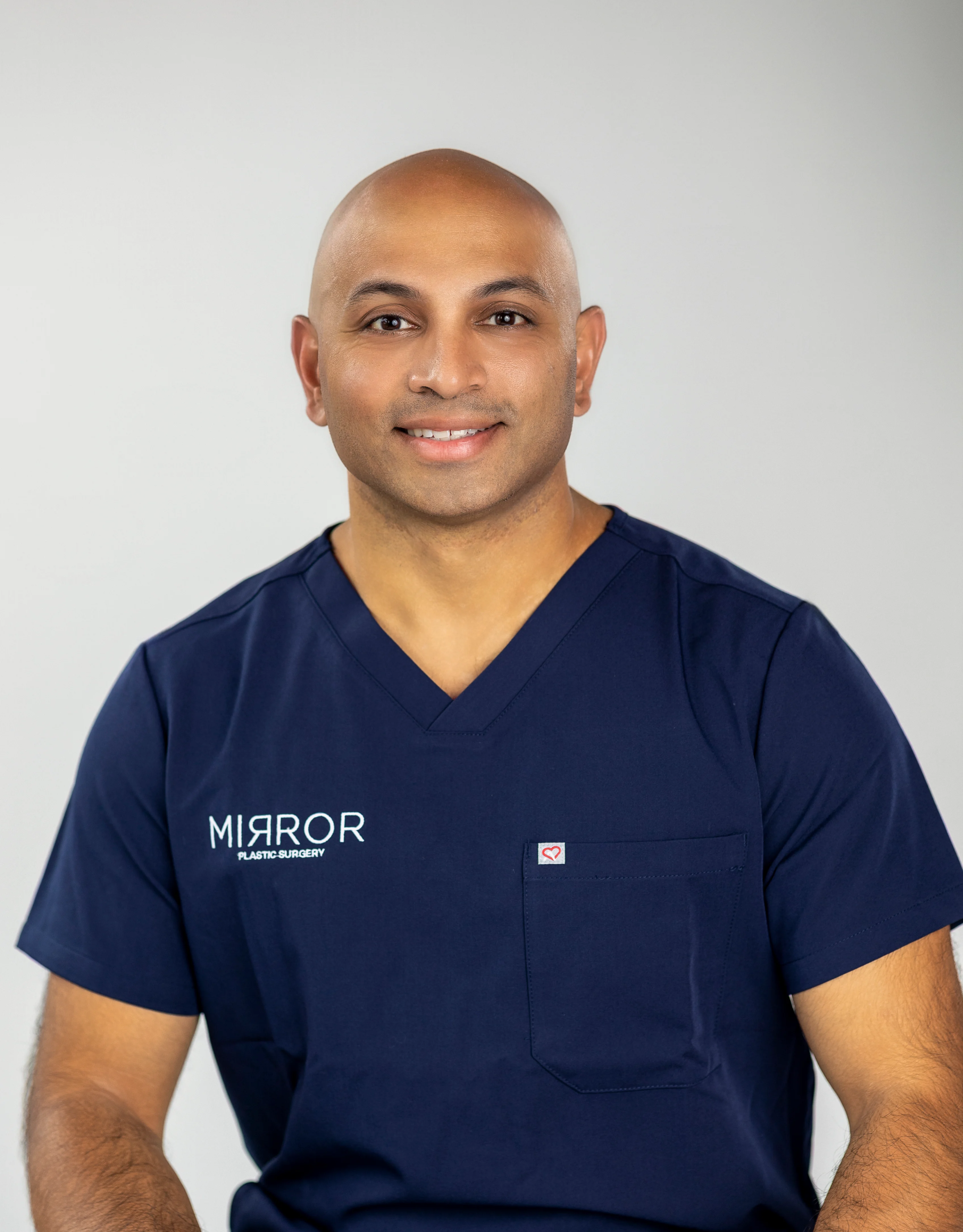
Written by: Dr. Akash Chandawarkar, Board Certified Plastic Surgeon, Mirror Plastic Surgery | Last updated: September 9, 2026
Key Takeaways
- OTC collagen peptides have limited evidence for structural anti-aging outcomes and carry documented risks, including the heavy metal contamination discussed in the safety section.
- Natural nutrients like vitamin C, zinc, and copper-rich foods support the body’s own collagen synthesis but do not reverse age-related collagen decline alone.
- Prescription retinoids and evidence-based topicals such as tretinoin and bakuchiol have the strongest clinical support for stimulating new collagen formation from the outside in.1
- Medically supervised peptide therapies like GHK-Cu and BPC-157 offer advanced systemic alternatives and require physician oversight because of evolving FDA regulations and quality-control concerns.
- Patients seeking safe, personalized alternatives should schedule a consultation at Mirror Plastic Surgery to determine the most appropriate evidence-based approach for their goals.
Why Consider Alternatives To OTC Collagen Peptides?
This guide is authored by Dr. Akash Chandawarkar, a board-certified plastic surgeon at Mirror Plastic Surgery. Three core concerns drive the search for alternatives to over-the-counter collagen supplements.
Regulatory Gaps: The FDA does not approve dietary supplements before they reach the market. The American Academy of Dermatology warns that most oral collagen supplements lack third-party verification and clear ingredient information, and advises consumers to treat supplements like medications and consult a board-certified dermatologist before use.
Efficacy Questions: A 2025 meta-analysis in the American Journal of Medicine examined 23 randomized controlled trials and found that when studies not funded by pharmaceutical or supplement companies were analyzed separately, collagen showed no statistically significant effect on skin outcomes. This finding highlights pervasive funding bias in the research base. Dr. Farah Moustafa of Tufts University School of Medicine stated in January 2026 that oral collagen supplements are “not currently recommended to treat skin aging,” though clinicians may consider them alongside more established interventions.
Dietary Restrictions: Collagen is animal-derived from bovine, marine, or porcine sources. This reality makes it unsuitable for vegans and potentially risky for individuals with fish or egg allergies. Individuals with fish, shellfish, or egg allergies should carefully review the source of collagen in any product, as marine collagen carries specific risks.
The phrase “safe medical alternatives” reflects a higher standard than typical OTC products. It involves physician oversight, personalization, and evidence-based protocols tailored to individual physiology. Schedule A Personalized Collagen Alternatives Consultation to explore which tier of options fits your health profile and goals.
Natural Alternatives: Nutrients And Foods That Support Collagen
The body synthesizes collagen from amino acids such as glycine, proline, and lysine, and relies on vitamin C, zinc, and copper as essential cofactors. According to the Cleveland Clinic, the body combines amino acids from dietary protein with vitamin C and the minerals zinc and copper, which are essential cofactors for endogenous collagen production. A food-first approach addresses all of these inputs at the same time.
Evidence-based dietary recommendations include:
- Vitamin C: Required for the enzymes that stabilize the collagen triple helix. A medium red bell pepper provides roughly 150 mg of vitamin C, about twice the daily need for most adults, making it one of the densest produce sources available. Citrus, kiwi, and strawberries are also reliable sources.
- Zinc And Copper: Cofactors for lysyl oxidase, the enzyme that cross-links collagen fibers. Zinc and copper are found in shellfish, nuts, seeds, legumes, whole grains, and leafy greens, according to the Cleveland Clinic. Oysters are the single richest food source of zinc, with copper alongside.
- Amino Acid-Rich Proteins: Bone broth, fish, poultry, eggs, and legumes supply the glycine and proline backbone collagen requires.
- Whole-Food Patterns: A 2012 review in Dermato-Endocrinology concluded that diets rich in fruits and vegetables are linked with better skin appearance and reduced signs of aging.
Collagen production declines by about 1% per year after age 25, and by age 50 the average person’s skin produces 25% less collagen than at age 25, before accounting for sun damage, smoking, or glycation. Food cannot override the natural decline in collagen production that comes with age, so dietary support should be seen as supporting the process rather than reversing time. These natural approaches create a preventive and foundational base.
Topical Alternatives: Retinoids And Evidence-Based Ingredients
Topical agents with documented collagen-stimulating effects form the second tier of alternatives. They work from the outside in while nutrients and peptides work systemically.
Prescription Retinoids (Tretinoin): Topical tretinoin has the strongest human evidence among topical anti-aging ingredients for stimulating new collagen formation in photoaged skin; a landmark 1995 study in the Archives of Dermatology demonstrated measurable new collagen formation after 10–12 months of tretinoin use.1 Tretinoin requires medical supervision because of irritation potential and pregnancy contraindications.
Over-The-Counter Retinol: A 2016 in vivo study found that 0.4% topical retinol applied to naturally aged human skin over 7 days significantly increased extracellular matrix production, specifically type I collagen, fibronectin, and elastin, by activating dermal fibroblasts and stimulating the TGF-β/CTGF pathway.1 Retinol is roughly 20 times less potent than tretinoin at equivalent concentrations, and its improved tolerability makes it accessible without a prescription.
Bakuchiol: A plant-based retinol alternative with a growing evidence base. A 2018 prospective, randomized, double-blind study comparing 0.5% bakuchiol cream applied twice daily for 12 weeks with 0.5% retinol cream found that both significantly reduced wrinkle surface area and hyperpigmentation with no statistical difference between the two, while bakuchiol caused less scaling and stinging.1 Bakuchiol works well for patients with sensitive skin or those seeking vegan-compatible topical options.
Hyaluronic Acid: Hydrates and plumps the skin but does not directly stimulate collagen synthesis. It functions best as a complementary ingredient rather than a standalone collagen alternative.
A 2026 systematic review confirmed that retinoids remain the most consistently supported intervention for skin aging, while evidence for collagen peptides and antioxidants remains inconclusive. Topical agents address the skin from the outside and work best when combined with systemic nutritional support and, for patients seeking significant results, medically supervised peptide therapy.
Medical Alternatives: Injectable Peptides And Clinical Options
Patients who already support nutrition and topical care but want more meaningful systemic results can consider medically supervised peptide therapy. This tier represents the most advanced safe alternative and cannot be replicated by OTC products. At Mirror Plastic Surgery, Dr. Chandawarkar leads all peptide protocols and begins with an in-depth consultation and lab analysis before any therapy starts.
GHK-Cu (Copper Peptide): This peptide is the primary collagen-related peptide in clinical use. GHK-Cu has credible preclinical evidence for local tissue biology including fibroblast activation, collagen and elastin synthesis, and extracellular matrix remodeling. The May 2026 FDA compounding update placed GHK-Cu (injectable routes) under substances that may present significant safety risks due to immunogenicity concerns from aggregation and peptide-related impurities, and limited human safety data. This update highlights the need for careful medical supervision. Dr. Chandawarkar reviews labs and medical history before prescribing, sources from providers with batch testing, and monitors patients throughout treatment. Mirror Plastic Surgery offers GHK-Cu as part of its Glow Stack alongside BPC-157 and TB500, targeting systemic inflammation, melasma, and collagen and elastin production.
BPC-157 (Body Protective Compound 157): This 15-amino acid peptide has been studied for tissue repair and inflammation. Vasireddi et al.’s 2025 systematic review in HSS Journal screened 544 articles and included 36 studies, finding improved functional, structural, and biomechanical outcomes in muscle, tendon, ligament, and bone injury models, tied to growth factor upregulation, organized angiogenesis, and cytokine modulation.1 Human evidence remains limited but is growing. In 2024, OvationLab completed the first human evaluation of oral BPC-157 in 101 adults with chronic pain, showing clinically meaningful improvements in pain intensity, pain interference, and pain quality scores with no adverse events reported.1 As of 2026, the FDA’s Pharmacy Compounding Advisory Committee is scheduled to review BPC-157 for potential re-listing on the 503A bulks list, which would permit regulated compounding.
Medical supervision matters at this tier because the risks of unsupervised use are real and well documented, even though the peptides themselves are not inherently dangerous. Paul Knoepfler, cell and molecular biologist at UC Davis School of Medicine, warned: “No one really knows what dose to use, whether combining different peptides together adds more risks like toxicity, whether the peptides could increase cancer risk such as through stimulating new blood vessel growth, and the list goes on.” Only a board-certified physician can evaluate these risks against a patient’s full health profile, order appropriate labs, and monitor outcomes over time.
Discuss Peptide Therapy Options With Dr. Chandawarkar to see whether GHK-Cu, BPC-157, or a custom peptide stack fits your goals.
Safety Considerations: Why Medical Supervision Matters
The risks of self-experimentation with peptides are real and documented. Several related concerns span OTC supplements and injectable peptides and together make a strong case for physician oversight.
Finnrick, a Texas lab that provides free testing of online peptide retailers, has found that what is advertised is not always what is sold to buyers. This pattern points to contamination and mislabeling risks in the online peptide market and raises questions about basic quality control. For injectable products, quality concerns extend beyond the chemical profile. Sterility and bacterial-endotoxin testing are separate from chemical purity, so a “99% purity” chromatogram does not answer sterility or endotoxin questions. A batch-specific certificate of analysis should show identity, purity, named test methods, and an independent laboratory.
Dosing uncertainty adds another layer of risk. Most dosing conventions for peptides are extrapolated from animal studies rather than established through human dose-ranging clinical trials, which makes physician-guided protocols essential. Contamination concerns also extend to OTC collagen supplements. Measurable lead was detected in approximately 64% of collagen products tested in 2023, and methylmercury contamination is a documented safety concern with fish-derived collagen supplements. Peptides and supplements can also interact with medications, and only a physician can evaluate these risks against a patient’s complete health profile.
Mirror Plastic Surgery addresses these concerns directly. Peptides are sourced from reputable providers with rigorous batch testing. Every protocol is designed around the patient’s labs and physiology. Dr. Chandawarkar provides 24/7 concierge support throughout treatment, a standard of care that online retailers and less personalized telemedicine clinics do not provide.
How To Choose The Right Alternative For Your Goals
The right approach depends on individual health status, goals, and dietary preferences. The following framework can guide that decision.
- For Skin Aging: Begin with prescription retinoids and daily broad-spectrum SPF as the evidence-based foundation. Consider medically supervised GHK-Cu therapy for systemic collagen support beyond what topicals can achieve.
- For Joint Health: Natural anti-inflammatory foods paired with adequate protein provide the nutritional base. High-certainty evidence supports 10–20 g/day of hydrolyzed collagen for osteoarthritis pain and stiffness.1 BPC-157 under medical guidance may offer additional benefit for chronic or post-surgical joint concerns.
- For Overall Wellness And Energy: A balanced, protein-sufficient diet with vitamin C-rich produce forms the base. NAD+ therapy, available at Mirror Plastic Surgery, targets cellular mitochondria for increased energy and a more youthful appearance.
- For Vegans: Plant-based protein paired with vitamin C, zinc, and copper sources supports endogenous collagen synthesis. Topical bakuchiol offers a plant-compatible retinol alternative. Injectable peptides are synthetically produced and not animal-derived, which makes them compatible with vegan health goals under physician supervision.
A qualified physician is the essential variable in this framework. The same peptide protocol that benefits one patient may be inappropriate for another based on lab results, existing medications, or underlying conditions. Request A Personalized Treatment Plan From Mirror Plastic Surgery to receive an assessment from Dr. Chandawarkar.
Frequently Asked Questions
What Can I Use Instead Of Collagen Peptides?
Several evidence-based alternatives exist across three tiers. Natural nutrients such as vitamin C, zinc, copper, and amino acids from whole foods support the body’s own collagen synthesis and work well as a universal foundation. Topical retinoids, particularly prescription tretinoin, have the strongest clinical evidence for stimulating new collagen in photoaged skin. Over-the-counter retinol and plant-based bakuchiol are accessible alternatives with meaningful but more modest effects. For patients seeking systemic results beyond what nutrition and topicals can deliver, medically supervised peptide therapy, specifically GHK-Cu for collagen and elastin production, represents the most advanced option. The right choice depends on your specific goals, such as skin aging, joint health, or general wellness, and on your individual health profile.
What Is The Safest Form Of Collagen?
For oral supplements, the safest products carry third-party certification from organizations such as NSF International, USP (United States Pharmacopeia), or Informed Sport, which independently test for purity, potency, and contaminants including heavy metals. Hydrolyzed collagen peptides are the most bioavailable oral form. The safest overall approach involves medically supervised therapy, where a physician evaluates your health profile, reviews lab results, and recommends products sourced from providers with documented batch testing. This process removes much of the quality uncertainty that affects the OTC market. Individuals with fish, shellfish, or egg allergies should pay close attention to collagen source, because marine and egg-derived products carry specific allergen risks.
Are There Vegan Collagen Alternatives?
Yes. The body synthesizes collagen from plant-derived amino acids when total protein intake is adequate and paired with sufficient vitamin C, zinc, and copper. Legumes, tofu, nuts, seeds, and whole grains provide the amino acid backbone. Red bell peppers, citrus, kiwi, and leafy greens supply vitamin C. Pumpkin seeds, cashews, and oysters for non-strict vegans deliver zinc and copper. Topical bakuchiol is a plant-derived retinol alternative with clinical evidence comparable to retinol for wrinkle reduction and better tolerability. Injectable peptides such as GHK-Cu and BPC-157 are synthetically produced and not derived from animals, which makes them compatible with vegan health goals when administered under physician supervision.
Do Collagen Peptides Actually Work?
The evidence is nuanced and depends on the goal. For skin hydration and elasticity, a 2026 systematic review and meta-analysis of 35 randomized controlled trials found statistically significant improvements after 8–12 weeks of supplementation. Structural anti-aging claims such as wrinkle reduction and dermal densification did not hold up in sensitivity analyses. The apparent benefits were attributable to statistical artifacts rather than genuine treatment effects. A 2025 meta-analysis found that when industry-funded studies were excluded, no statistically significant skin effects remained, which highlights a serious funding bias problem in the research base. For joint health, the evidence is stronger. High-certainty data supports 10–20 g/day of hydrolyzed collagen for improvements in osteoarthritis pain and stiffness scores. Overall, collagen peptides show modest, real benefits for hydration and joint comfort, while structural anti-aging claims lack support from rigorous independent evidence.
Why Is Medical Supervision Important For Peptide Therapy?
Medical supervision matters for several interconnected reasons. Peptides are not FDA-approved for general use, and the regulatory landscape is actively evolving, so availability through compounding pharmacies can change based on FDA review cycles. Quality varies enormously across suppliers. Independent lab testing has confirmed that online retailers do not always sell what they advertise, and sterility testing is entirely separate from chemical purity. Dosing for most peptides is extrapolated from animal studies rather than established through human clinical trials, which makes physician judgment essential. Peptides can interact with existing medications and may be contraindicated in certain health conditions. Only a physician who reviews your full medical history and lab results can properly evaluate these risks. At Mirror Plastic Surgery, Dr. Chandawarkar conducts an in-depth consultation, orders relevant lab panels, sources peptides from providers with documented batch testing, and provides ongoing concierge support throughout treatment.
Conclusion: Moving From OTC Supplements To Physician-Guided Care
Patients who want to move beyond OTC collagen supplements and pursue meaningful, medically supervised alternatives can find a structured, evidence-based path at Mirror Plastic Surgery. Dr. Akash Chandawarkar is a Harvard-educated, Johns Hopkins-trained, board-certified plastic surgeon with specialized training in medical innovation at Stanford University. Every peptide protocol at Mirror Plastic Surgery begins with an in-depth consultation and lab analysis, which supports the safety and personalization that OTC products and unmonitored online retailers cannot provide. Schedule Your Consultation To Explore Peptide And Collagen Alternatives and learn whether these therapies fit your goals.
Text or call 727-361-6515 | Email [email protected] | 780 4th Ave S, St. Petersburg, FL 33701
Disclaimer: This article is for informational purposes only and does not constitute medical advice. Results vary. Peptide therapies are not FDA-approved for general use and should only be administered under medical supervision. Consult a qualified healthcare provider before starting any new treatment.
1 Results may vary from person to person. Editorial content, before and after images, and patient testimonials do not constitute a guarantee of specific results.
Peptide therapy is intended for wellness and optimization purposes and is not prescribed to diagnose, treat, cure, or prevent disease unless specifically stated. Many peptides are not FDA-approved and may be used off-label. Some have limited long-term safety data, with a potential for unknown risks, complications, or desensitization with prolonged use.