
Written by: Dr. Akash Chandawarkar, Board Certified Plastic Surgeon, Mirror Plastic Surgery | Last updated: September 9, 2026
Key Takeaways
- PRP therapy uses concentrated platelets from your own blood to stimulate healing and tissue regeneration in joints, scalp, and skin.
- Clinical evidence is strongest for knee osteoarthritis and early-to-moderate androgenetic alopecia, with more mixed data for facial rejuvenation.
- PRP is generally safe with mostly mild, short-lived side effects, and most patients need a series of sessions plus periodic maintenance.
- Choosing a qualified provider with surgical anatomical training and high-quality PRP preparation systems is critical for safety and results.
What Platelet-Rich Plasma (PRP) Therapy Involves
Platelet-rich plasma (PRP) is a concentration of platelets and growth factors from your own blood that supports healing and tissue repair. The process starts with a blood draw, usually 20–60 mL. The sample then goes into a centrifuge, which separates platelets from red and white blood cells. The platelet-rich layer is collected and injected into the target area, such as a joint, the scalp, or the skin.
Because PRP comes from your own blood, it is considered autologous and has a low risk of allergic reactions or immune responses. The Cleveland Clinic and Johns Hopkins Medicine both recognize PRP as a legitimate regenerative treatment. They also note that evidence quality varies by use case and that the FDA still considers most PRP applications investigational.
Where PRP Has The Strongest Evidence
Knee Osteoarthritis And Joint Pain
The evidence for PRP in joint pain is stronger than for any other application. A 2026 umbrella meta-analysis by Ventura-García et al. concluded that PRP is effective and safe for knee osteoarthritis.1 It showed consistent superiority over hyaluronic acid and placebo for reducing pain and improving function in mild-to-moderate disease.1
A 2026 randomized controlled trial by Lacko et al. supported these findings. Two PRP injections significantly reduced pain and improved function at 3 and 6 months compared with corticosteroid injections and oral NSAIDs.1 The PRP group had a 0% dropout rate, while 13% of patients in the control groups discontinued treatment.
A five-year real-world study by Yu et al. added longer-term context. PRP’s advantage over conservative care decreased by year five, which suggests that results are durable but not permanent.1 PRP functions as a meaningful intervention that often requires maintenance to preserve benefits.
Hair Loss (Androgenetic Alopecia)
A 2025 systematic review and meta-analysis of 43 randomized controlled trials with 1,877 participants found that PRP significantly increases hair density and reduces shedding compared with placebo.1 Results are strongest for early-to-moderate androgenetic alopecia, such as Norwood I–III in men and Ludwig I–II in women.
Combination therapy often performs better than a single treatment. One trial reported a 32% increase in hair density and a 26% increase in hair shaft diameter when PRP was combined with 5% topical minoxidil compared with either treatment alone.1
The 2026 IADVL guidelines recommend a standardized protocol of three sessions at monthly intervals, followed by maintenance every six months. PRP cannot regrow hair on fully bald areas where follicles have scarred, so careful candidacy assessment matters before starting treatment.
Facial Rejuvenation And Skin Quality
Evidence for PRP in facial rejuvenation is promising but less consistent. A 2025 meta-analysis of nine randomized controlled trials found higher patient satisfaction and better objective outcomes with PRP compared with control. The authors also noted that most trials were small and used different outcome measures, which limits firm conclusions.
A 2024 Mayo Clinic randomized controlled trial compared microneedling with PRP to microneedling with sterile saline. It found no statistically significant difference for skin laxity and wrinkles between the two groups.
Overall, PRP can support improvements in skin quality for some patients, but results vary widely.1 It works best as an adjunct to established treatments such as retinoids, sunscreen, and energy-based devices rather than as a standalone replacement.
Risks, Side Effects, And Limitations
Most PRP side effects are mild and temporary. Common issues include injection site pain, swelling, bruising, and soreness that lasts 2–5 days. Because PRP uses your own blood, allergic reactions are rare. A 2026 pooled analysis by Patton et al. reported complication rates of about 18.7% in PRP groups versus 9.1% in controls, and most events were mild and self-resolving.
Serious complications such as infection, nerve injury, or vascular damage are uncommon but can occur, especially when injections are performed by inexperienced providers or without image guidance. Absolute contraindications include active infection, platelet disorders, and active malignancy at the treatment site. Relative contraindications, such as anticoagulant use and recent corticosteroid injections, require individualized evaluation and a 4–6 week washout when relevant.
PRP also requires a time commitment. Most patients need a series of sessions, and results build gradually over several weeks. Many protocols then use maintenance treatments to help sustain improvements.
Who Typically Benefits Most From PRP?
Candidacy depends on your goals and diagnosis, and several patterns appear consistently in the research.
- For hair loss: Early-to-moderate androgenetic alopecia (Norwood I–III, Ludwig I–II) responds best. PRP cannot regrow hair on fully bald areas where follicles have scarred.
- For joint pain: Mild-to-moderate osteoarthritis, such as Kellgren-Lawrence grades 1–3, shows the strongest response. A 2026 AAPM&R guidance statement recommends PRP for patients with ongoing symptoms despite standard treatment.
- For facial rejuvenation: Patients with reasonably good baseline skin quality and realistic expectations tend to do better. PRP does not replace surgical procedures or energy-based devices when those are clearly indicated.
A detailed consultation with a qualified physician helps determine whether PRP matches your anatomy, condition severity, and treatment goals.
How To Choose A PRP Provider
Provider training, technique, and equipment strongly influence both safety and outcomes. Ask these questions before you schedule treatment:
- Who performs the injection? A board-certified physician with surgical anatomical training is preferable to a nurse or aesthetician. Precise placement improves both safety and effectiveness.
- What PRP preparation system do you use? Double-spin systems that reach 4–6× baseline platelet concentration generally produce more robust results than basic systems.
- Do you use image guidance for joint injections? Ultrasound guidance helps reduce the risk of nerve or vascular injury and improves accuracy.
- What does the treatment include? Clarify the recommended number of sessions, what follow-up visits includes, and how progress will be tracked.
- What results should I realistically expect, and when? Look for evidence-based timelines and ranges of likely outcomes rather than guarantees. Clear, honest expectations are a hallmark of quality care.
About Mirror Plastic Surgery And PRP Expertise
Mirror Plastic Surgery offers PRP treatments performed directly by Dr. Akash Chandawarkar, a Harvard-educated, Johns Hopkins-trained, board-certified plastic surgeon. He personally performs all PRP injections at the practice. His surgical-level understanding of facial and subdermal anatomy makes each injection safer and more precise. This level of precision goes beyond what non-physician providers typically offer.
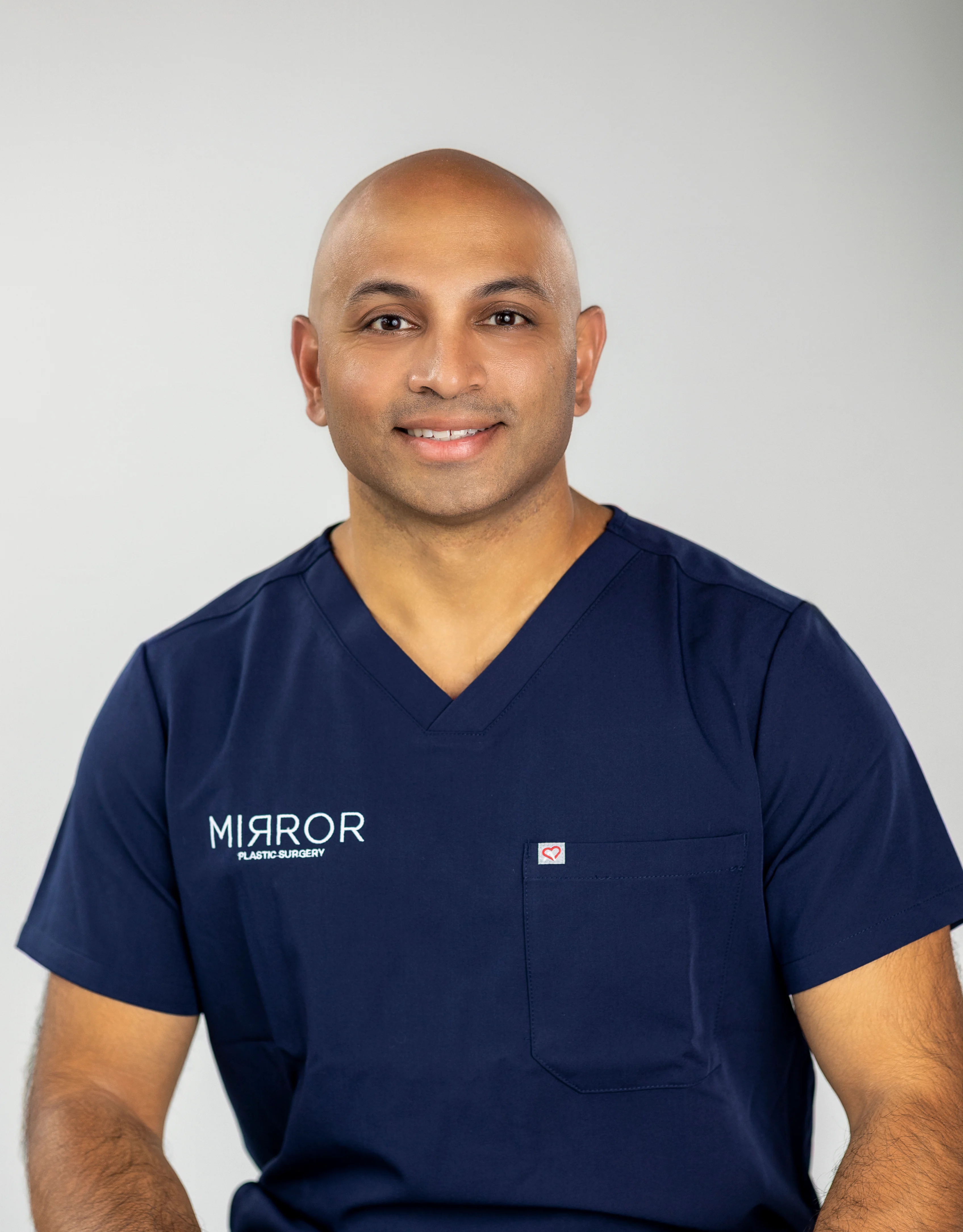
Dr. Akash serves on advisory boards for Merz Aesthetics (Radiesse) and Tiger Aesthetics (AlloClae), which keeps him closely involved with advances in regenerative medicine. Mirror Plastic Surgery follows a concierge model with hour-long consultations, individualized treatment plans, and direct, transparent communication.
The practice offers PRP for hair restoration alongside other regenerative options, including Acorn Biolabs Secretome. Treatment plans center on your anatomy, long-term goals, and overall well-being rather than one-size-fits-all packages.
Mirror Plastic Surgery is located at 780 4th Ave S, St. Petersburg, FL 33701. You can reach the team by calling or texting 727-361-6515 or emailing hello@mirrorplasticsurgery.com.
Schedule a personalized PRP consultation to discuss whether this therapy fits your treatment plan.
Frequently Asked Questions
Is PRP Painful?
Most patients describe PRP injections as moderately uncomfortable, usually between 4 and 7 out of 10. Providers often apply a topical anesthetic or perform a nerve block before treatment to reduce discomfort. Post-injection soreness, which reflects the healing response, usually improves within 2–5 days.
Scalp injections for hair restoration and joint injections for osteoarthritis follow a similar pattern. Most people return to normal daily activities within a day or two, while avoiding intense exercise for a short period as directed.
How Many PRP Sessions Are Needed?
Many protocols use an initial series of 2–3 sessions spaced 4–6 weeks apart, followed by maintenance sessions every several months. For knee osteoarthritis, a 2026 randomized trial found that two injections produced significant improvement at both 3 and 6 months.
For androgenetic alopecia, the typical induction phase includes three monthly sessions, then quarterly or biannual maintenance. The exact number of sessions depends on your diagnosis, severity, and individual response, so a personalized plan from a qualified physician is essential.
Does Insurance Cover PRP?
Most insurers do not cover PRP. Commercial plans, Medicare, and Medicaid usually classify PRP as experimental or investigational for musculoskeletal and aesthetic uses, so patients typically pay out of pocket.
HSA and FSA funds often apply when a physician prescribes PRP for a diagnosed medical condition, which can provide a tax-advantaged discount. Some workers’ compensation and auto insurance policies may cover PRP for documented injuries on a case-by-case basis, but this remains uncommon.
What Is The Success Rate Of PRP?
Success rates vary by condition and by the quality of the PRP preparation. For knee osteoarthritis, meta-analyses consistently show that PRP outperforms hyaluronic acid and placebo for pain and function at 6–12 months.1
For androgenetic alopecia, most studies report meaningful increases in hair density for patients with early-to-moderate hair loss, especially when maintenance continues.1 For facial rejuvenation, results are more variable, with some patients seeing clear improvements in texture and quality and others noticing only subtle change.
The most important predictors of outcome are the concentration and quality of the PRP and the anatomical precision of the provider performing the injections.
Is There Anything Better Than PRP?
Some conditions respond even better to combination approaches or alternative regenerative options. For knee osteoarthritis, a 2026 network meta-analysis found that PRP combined with hyaluronic acid (PRP+HA) produced better pain and function outcomes than PRP alone. Adding mesenchymal stem cells or ozone did not show clear additional benefit.
For hair loss, platelet-rich fibrin (PRF) is emerging as a promising option because it releases growth factors more slowly and steadily, although direct head-to-head trials with PRP remain limited. For facial rejuvenation, treatments such as retinoids, laser therapy, and energy-based devices still serve as first-line options with stronger and more consistent evidence.
A qualified physician can help you compare these choices and decide whether PRP should stand alone or fit into a broader treatment plan.
Conclusion: Using PRP As Part Of A Thoughtful Treatment Plan
PRP is a promising regenerative therapy with the strongest support for knee osteoarthritis and androgenetic alopecia. It does not function as a universal solution or instant cure. Results build over time, and many patients benefit from a series of sessions and ongoing maintenance.
Outcomes depend heavily on the quality of the PRP preparation and the expertise of the person performing the injections. Choosing a board-certified physician with deep anatomical knowledge, clear communication, and a patient-first approach gives you the best chance of a safe and worthwhile result.
Disclaimer: Results may vary from person to person. Editorial content, before and after images, and patient testimonials do not constitute a guarantee of specific results.
1 Results may vary from person to person. Editorial content, before and after images, and patient testimonials do not constitute a guarantee of specific results.