
Written by: Ellie Pranckevicius, FNP-BC, Aesthetic Nurse Practitioner & Aesthetic Injector | Facial Restoration & Regenerative Injectable Specialist, Mirror Plastic Surgery | Last updated: August 17, 2026
Key Takeaways
- Peptides for alopecia act as cellular messengers that influence follicle regeneration through growth factor signaling, vascular support, and inflammation control.
- GHK-Cu is the most evidence-supported topical peptide, with small human trials showing increased hair density and shaft thickness in androgenetic alopecia, though no phase III RCTs exist as of 2026.
- BPC-157 and TB-500 contribute angiogenic and stem cell-activating mechanisms with preclinical support, but lack human hair-specific trial data and carry regulatory restrictions.
- Emerging compounds such as acetyl tetrapeptide-3, PTD-DBM, and DualPep-ALO show mechanistic promise, yet outcomes depend on alopecia subtype, follicle viability, delivery method, and medical oversight.
- Patients seeking supervised peptide protocols for hair loss can schedule a consultation at Mirror Plastic Surgery for lab-guided assessment and individualized treatment planning.
How Peptides Support Follicle Regeneration
Hair follicles cycle through anagen (growth), catagen (transition), and telogen (rest) phases. Peptides influence this cycle through several converging mechanisms.
- VEGF-driven vascularization increases blood supply to the dermal papilla during anagen.
- Wnt/β-catenin pathway activation supports follicle neogenesis and anagen maintenance.
- Suppression of TGF-β1 and DKK-1 in dermal papilla cells reduces signals that push follicles into premature catagen.
- Stem cell activation in the follicle bulge region supports re-entry into the growth phase.
- Upregulation of copper-dependent antioxidant enzymes such as superoxide dismutase reduces oxidative damage to follicular tissue.
A 2026 BMC Biotechnology study on the synthetic peptide DualPep-ALO showed dermal papilla cell proliferation with regenerative and anti-inflammatory effects in preclinical models.1 This illustrates how multi-target peptide action differs mechanistically from single-pathway drugs.
GHK-Cu for Hair Regrowth in 2026
GHK-Cu (copper tripeptide-1) is the most evidence-supported topical hair peptide currently available. GHK-Cu plasma levels fall approximately 60 percent between young adulthood and age 60, which links the peptide’s age-related decline to reduced tissue repair capacity in aging follicles.
In isolated human hair follicle organ cultures, GHK-Cu at 10–100 nanomolar concentrations extended the anagen phase and increased IGF-1 secretion from dermal papilla cells while reducing TGF-beta2. Human clinical data remain limited but directionally consistent. Small trials have reported increases in hair count and hair density with topical GHK-Cu in individuals with androgenetic alopecia, along with thicker individual hair shafts and less scalp irritation.1
Some studies have explored combination use with minoxidil. Critically, as of May 2026, no phase II or phase III randomized controlled trials of GHK-Cu for hair growth have been completed, and ClinicalTrials.gov listed no active or recruiting trials for GHK-Cu in androgenetic alopecia or other hair-loss forms. GHK-Cu does not block DHT and is not a substitute for 5-alpha reductase inhibition. It instead supports growth factor signaling and matrix remodeling.
BPC-157 and TB-500 in Hair Protocols
BPC-157 (Body Protective Compound 157) and TB-500 (thymosin beta-4 synthetic analog) appear in some regenerative hair protocols because of their tissue-repair and angiogenic properties. Their hair-specific evidence base is substantially weaker than GHK-Cu’s.
BPC-157 acts mainly through VEGF/SDF-1/CXCR4-mediated angiogenesis and eNOS-nitric oxide vascular biology, which can augment perifollicular microvessel density. In rat skin models, BPC-157 promotes angiogenesis and microvessel formation. However, no published study has tested BPC-157 specifically for hair loss outcomes in humans or animals as of 2026, so its role remains theoretical and mechanism-based.
TB-500 promotes hair growth in mice by activating stem cells in the hair follicle bulge region. In mouse models, TB-500 can accelerate keratinocyte migration and increase bulge stem cell activation. No human hair growth trials exist for TB-500.
From a regulatory standpoint, BPC-157 was designated FDA Category 2 in 2023, while TB-500 is prohibited for compounding. On July 23–24, 2026, the FDA’s Pharmacy Compounding Advisory Committee voted 8–6 to recommend BPC-157 for the compounding list, which remains a non-finalized recommendation as of August 2026.
Acetyl Tetrapeptide-3 and Other Emerging Peptides
Acetyl tetrapeptide-3 is a biomimetic peptide that strengthens the extracellular matrix around the follicle bulb and inhibits DHT signaling at the receptor level. Clinical trials cited in the literature have reported improvements in hair diameter and growth activity, often in combination with red clover extract. These figures come from manufacturer-associated studies and require independent replication.
Other emerging compounds include the following.
- PTD-DBM: Activates the Wnt/β-catenin pathway by competing with CXXC5 for Dishevelled binding, stimulating new follicle formation in androgenetic alopecia mouse models and outperforming minoxidil in a 2017 Journal of Investigative Dermatology study.
- Biotinoyl tripeptide-1 (Procapil): Inhibits 5-alpha reductase locally via oleanolic acid and improves microcirculation. No controlled human trial of biotinoyl tripeptide-1 as a standalone ingredient has been conducted.
- DualPep-ALO: A 2026 IRB-approved ex vivo study demonstrated follicle elongation, anagen maintenance, and antioxidant restoration in human scalp tissue.
- Follistatin: Neutralizes activin-A signaling, extending anagen duration by approximately 2–4 days in ex vivo human hair follicle organ culture.
Topical vs Injectable Delivery and Timelines
Delivery method strongly influences both efficacy and safety. Topical application of GHK-Cu at 0.5–2% concentration twice daily is the most common and best-tolerated approach.
Microneedling before topical GHK-Cu application increases dermal absorption compared with passive topical application alone, so it can serve as a useful adjunct in supervised settings. Injectable peptide protocols carry greater uncertainty. Injectable research peptides such as TB-500 and related compounds are unapproved for hair loss, have limited human safety data, and carry gray-market quality and sterility risks.
Realistic timelines for peptide-based hair protocols follow hair cycle biology.
- Weeks 2–4: Reduced shedding or improved scalp texture may appear.1
- Weeks 4–8: Transient shedding may occur, representing normal follicle phase transition rather than treatment failure.1
- Weeks 6–8: Early thickness changes may become perceptible.1
- Weeks 12–24: Objective density gains are the primary measurable outcome window, and photographic tracking is more reliable than subjective assessment.
- 6 months: This is the minimum evaluation window for a meaningful assessment of response.1
Why Medical Supervision Protects Patients
The safety profile of peptide therapy for alopecia depends heavily on sourcing and oversight. Unregulated injectable peptides marketed online are not approved for human use and are sold without prescription or medical supervision.
As molecular pharmacologist Dr. Ian Musgrave of the University of Adelaide notes, research-grade peptides may not fold properly when injected, which can trigger immune responses or anaphylaxis, and without clinical trial data on dosing and side effects, unsupervised use risks rapid health deterioration.
Specific contraindications and safety considerations include the following.
- Wilson’s disease or other copper metabolism disorders are absolute contraindications for GHK-Cu use.
- Systemic GH-releasing peptides carry theoretical risks in individuals with undiagnosed malignancies, uncontrolled diabetes, or active acromegaly, so baseline IGF-1 and fasting glucose testing is standard before a cycle.
- Patients should first rule out reversible medical causes such as low ferritin, thyroid dysfunction, or vitamin D deficiency through laboratory evaluation before starting any peptide protocol.
- Higher concentrations of topical copper peptides can paradoxically degrade collagen if copper is left unbound, which highlights the need for correct formulation and dosing.
At Mirror Plastic Surgery, Ellie Pranckevicius leads a comprehensive intake process that includes lab panel review, full medical history assessment, and individualized protocol design before any peptide therapy begins. The practice’s Glow Stack, which combines GHK-Cu, BPC-157, and TB-500, is prescribed only after this evaluation, with peptides sourced from suppliers that provide batch testing and certificates of analysis.
Alopecia Subtypes and When Peptides Fit
Hair peptides have been studied primarily for androgenetic alopecia and telogen effluvium; their efficacy and safety in alopecia areata or cicatricial alopecia are poorly documented, so subtype identification before treatment is essential.
- Androgenetic alopecia (male and female pattern): The best recent human evidence for GHK-Cu is concentrated in pattern hair loss. Adjunctive use alongside minoxidil or finasteride is the most evidence-supported approach.
- Telogen effluvium: Peptides that target inflammation and vascular support have biological plausibility. No dedicated RCTs exist, but the reversible nature of this subtype makes it a reasonable candidate for supportive protocols.
- Alopecia areata: Peptide and PRP therapy may be less effective where hair loss is driven by autoimmune conditions like alopecia areata, so a dermatologist evaluation is warranted before peptide therapy.
- Cicatricial (scarring) alopecia: Peptides cannot regenerate permanently destroyed hair follicles, so this subtype is generally not a candidate for peptide-based regrowth protocols.
- Post-transplant scalp optimization: Biomimetic peptide approaches may serve as adjunctive supportive scalp treatments in regenerative care and hair transplant aftercare.
Maintenance and What Happens When You Stop
Peptide-based hair therapy functions as supportive care rather than a cure. Many treatments for hair thinning, including peptide-based approaches, need to be continued indefinitely to maintain results.1
This pattern mirrors the maintenance dynamic seen with other hair therapies. For example, after stopping finasteride, hair cycle changes may take six to twelve months to stabilize, and any regrown hair typically depends on continued treatment because the underlying genetic process resumes once DHT suppression ends.
For PRP, a closely related regenerative modality, stopping therapy does not cause sudden hair loss; the decline is gradual, typically noticeable 6 to 12 months after the last session, with full regression to pre-treatment baseline over 12 to 18 months. Peptide protocols are expected to follow a similar trajectory.
The 2–3 year viability window mentioned earlier explains why early intervention improves long-term maintenance outcomes.
Ellie’s Clinical Approach at Mirror Plastic Surgery
Peptide therapies at Mirror Plastic Surgery are led by Ellie Pranckevicius, FNP-BC, a board-certified Family Nurse Practitioner. She holds a Bachelor’s in Health Science from Boston University, a Master’s in Nursing from the University of South Florida, and four years of critical-care experience in the Neuroscience ICU at Tampa General Hospital.
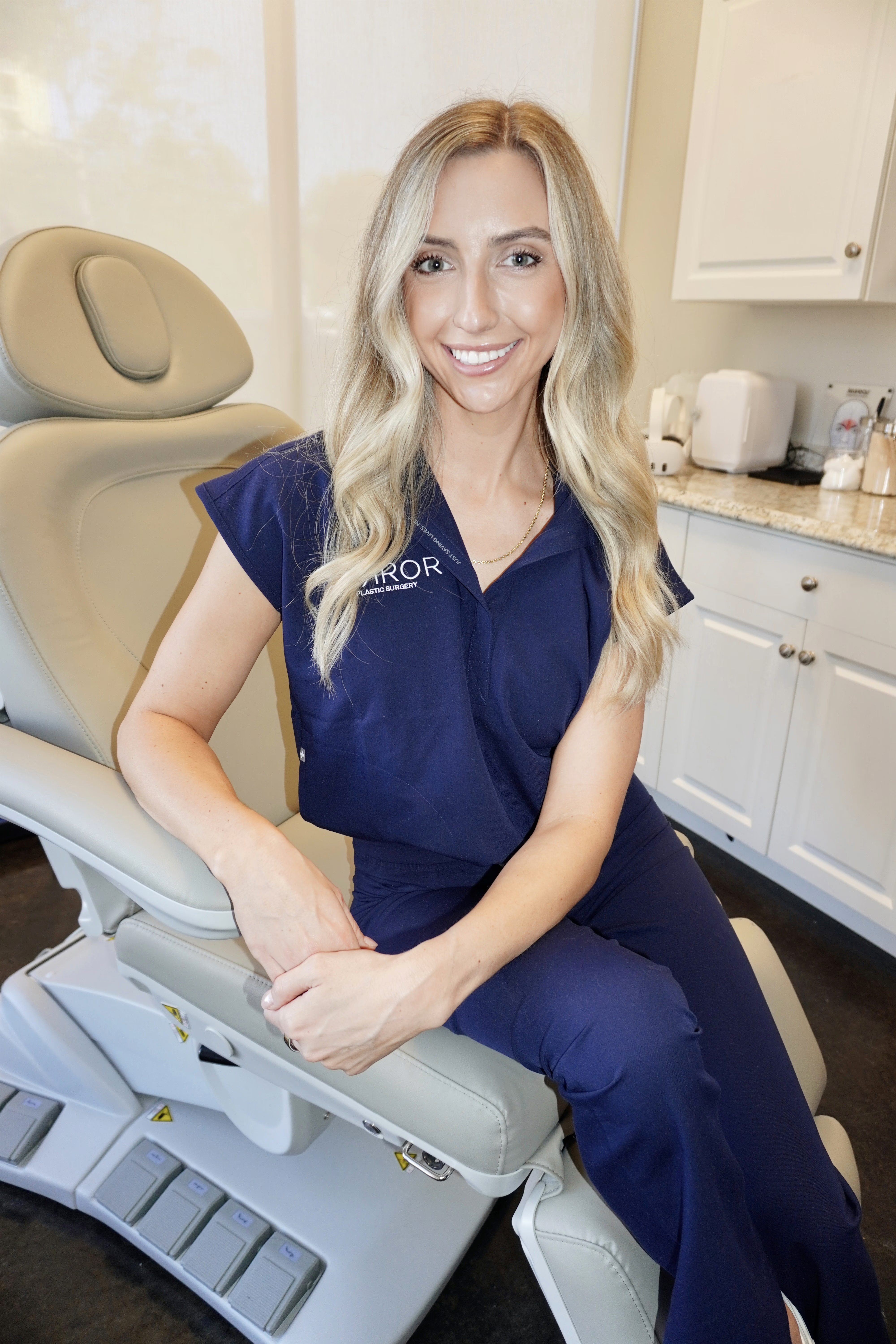
Ellie began her career as a licensed esthetician at a high-end medical spa in Boston, which gives her a dual perspective that bridges skin and scalp physiology with advanced clinical medicine. Her approach to peptide protocols centers on education and transparency. She reviews lab panels, explains the mechanism behind each recommendation in accessible terms, and builds protocols around individual physiology rather than standardized templates.
When a peptide or service is not yet warranted for a patient’s profile, she says so and prioritizes long-term outcomes over short-term revenue.
Supervised Care vs Online Peptide Sourcing
The distinction between supervised clinical protocols and unregulated online sourcing is a central safety consideration in 2026. Five critical dimensions separate evidence-based clinical care from unregulated consumer markets: sourcing verification, contraindication screening, ongoing medical support, regulatory compliance, and protocol individualization. The table below compares how supervised and unregulated approaches differ across these dimensions and shows how medical oversight changes the risk-benefit profile of peptide therapy.
| Aspect | Supervised at Mirror Plastic Surgery | Unregulated Online |
|---|---|---|
| Peptide sourcing | Batch-tested suppliers with HPLC-confirmed purity above 98% and certificates of analysis from accredited laboratories | No third-party testing requirement; identity and purity unverified |
| Lab review and contraindication screening | Full lab panel review including thyroid, ferritin, and metabolic markers before protocol initiation | No screening; contraindications such as Wilson’s disease or undiagnosed malignancy go undetected |
| Ongoing support | 24/7 direct access to Ellie Pranckevicius via text, with telemedicine available across the United States | No medical oversight, no dosing guidance, and no adverse event monitoring |
| Regulatory compliance | Compounded peptides dispensed via licensed pharmacy on valid prescription | Sold without prescription and operating outside FDA compounding regulations |
| Protocol individualization | Custom stack based on alopecia subtype, lab results, and medical history | Generic dosing guides from non-medical sources with no subtype assessment |
Frequently Asked Questions
Are peptides for alopecia a replacement for minoxidil or finasteride?
Peptides do not replace minoxidil or finasteride. Minoxidil and finasteride remain the only FDA-approved treatments for androgenetic alopecia and hold decades of clinical trial data.
Peptides such as GHK-Cu do not block DHT and act through different biological pathways, including growth factor signaling, vascular support, and matrix remodeling. These actions are complementary rather than equivalent. The most evidence-supported approach in 2026 is adjunctive use of topical peptides alongside established first-line therapies, not substitution.
Patients who have not responded adequately to conventional treatments may benefit from a supervised peptide protocol as an additional layer of support. That decision requires a clinical assessment of alopecia subtype, lab values, and treatment history.
How long does it take to see results from a peptide hair protocol?
Peptide protocols follow the hair cycle timeline detailed in the delivery section above. Expect initial texture improvements within the first month, possible transient shedding as follicles transition phases, and measurable density changes only after three to six months of consistent use. Photographic tracking is more reliable than day-to-day subjective assessment.
What lab work does Mirror Plastic Surgery review before starting a peptide hair protocol?
Before starting any peptide protocol, Ellie Pranckevicius reviews a comprehensive lab panel that may include thyroid function, ferritin, vitamin D, metabolic markers, and hormone panels, depending on the individual’s presentation. This step matters because reversible medical causes of hair loss, such as thyroid dysfunction, iron deficiency, or vitamin D deficiency, must be identified and treated before attributing hair loss to a pattern or inflammatory cause.
Lab review also screens for contraindications such as copper metabolism disorders, which preclude GHK-Cu use, and metabolic conditions that affect the safety of growth hormone-releasing peptides. If current labs are not available, Ellie orders them as part of the intake process.
What happens if I stop taking peptides after seeing improvement?
Peptide therapy is generally supportive rather than curative, so the biological signals it provides, such as vascular support, growth factor upregulation, and anti-inflammatory modulation, diminish when therapy stops. Hair loss usually does not accelerate suddenly after discontinuation, but the underlying process that peptides were supporting resumes its natural course.
Gradual regression toward pre-treatment baseline is the expected trajectory over six to eighteen months, depending on the individual and the alopecia subtype. A maintenance protocol, typically at a lower frequency or dose than the induction phase, is often recommended to sustain gains. Ellie discusses maintenance planning as part of every protocol at Mirror Plastic Surgery so patients understand the long-term commitment before they begin.
Is it safe to buy peptides for hair loss online without a prescription?
Purchasing injectable research peptides online without medical supervision carries documented safety risks. Products sold through unregulated channels have no third-party testing requirement, so identity, purity, and sterility remain unverified.
Without a clinical intake process, contraindications such as Wilson’s disease, undiagnosed malignancies, or drug interactions go undetected. Dosing guidance from non-medical online sources does not account for individual physiology, and no adverse event monitoring exists if a reaction occurs.
Topical cosmetic peptides carry a lower risk profile than injectables, but even these benefit from professional guidance on concentration, application technique, and combination with other therapies. Mirror Plastic Surgery sources all peptides from suppliers with documented batch testing and dispenses them through licensed compounding pharmacies on valid prescriptions.
Summary and Next Steps
Peptides for alopecia represent a biologically plausible and evolving category of adjunctive hair therapy. GHK-Cu holds the strongest current evidence base among topical options, with small human trials showing density and shaft diameter improvements in androgenetic alopecia and female pattern hair loss, though no phase III RCTs have been completed as of 2026.
BPC-157 and TB-500 contribute angiogenic and stem cell-activating mechanisms with preclinical support but lack human hair-specific trial data. Emerging compounds including acetyl tetrapeptide-3, PTD-DBM, and DualPep-ALO show mechanistic promise with early-stage evidence.
Outcomes depend heavily on alopecia subtype, follicle viability, delivery method, and the quality of medical oversight. These variables cannot be managed safely through unregulated online sourcing. A supervised protocol that begins with lab review, accounts for contraindications, and uses batch-tested compounds from licensed compounding pharmacies represents the standard of care that separates evidence-aware clinical practice from the unregulated consumer market.
1 Results may vary from person to person. Editorial content, before and after images, and patient testimonials do not constitute a guarantee of specific results.
Peptide therapy is intended for wellness and optimization purposes and is not prescribed to diagnose, treat, cure, or prevent disease unless specifically stated. Many peptides are not FDA-approved and may be used off-label. Some have limited long-term safety data, with a potential for unknown risks, complications, or desensitization with prolonged use.