
Written by: Dr. Akash Chandawarkar, Board Certified Plastic Surgeon, Mirror Plastic Surgery | Last updated: September 9, 2026
Key Takeaways
- Weight loss after 40 becomes biologically harder because of hormonal shifts, muscle loss, and metabolic slowdown. Willpower is rarely the main issue.
- The four evidence-based pillars of strength training, higher protein intake, quality sleep, and stress management work together to counteract midlife weight gain.
- Visceral belly fat responds best to overall fat loss supported by resistance training, protein-rich meals, and steady cortisol management rather than isolated ab exercises.
- Medical evaluation makes sense when lifestyle changes plateau. GLP-1 and GLP-3R peptide therapies can deliver meaningful results under medical supervision.
- Schedule a personalized weight-loss consultation at Mirror Plastic Surgery to review your labs and design a physician-led plan tailored to your body.
Why Weight Loss Feels Harder After 40
Midlife weight gain reflects several changes happening at once. Hormones shift, muscle mass declines, metabolism slows, and lifestyle pressures increase. Understanding each driver helps you choose the right strategies instead of blaming yourself.
Hormonal Shifts
For women, the decline in estrogen and progesterone during perimenopause shifts fat storage from the hips and thighs toward the abdomen. This shift can begin in the late 30s. The Study Of Women’s Health Across The Nation (SWAN), which followed 3,064 women, found that waist circumference increases an average of 2.2 cm over three years during midlife. Women also gain approximately 1.5 pounds per year through this transition. Estrogen directly affects insulin sensitivity, so perimenopausal women can experience a 20–30% decline in insulin sensitivity even without weight gain.
For men, testosterone falls roughly 1–2% per year starting in the mid-30s. This decline reduces muscle mass and metabolic rate and promotes visceral fat storage. By the mid-40s, many men have significantly lower testosterone levels than at 25. Visceral fat then further suppresses testosterone, creating a difficult cycle.
Muscle Loss (Sarcopenia)
Muscle mass declines 3–8% per decade after age 30, and the rate accelerates after 40. Muscle burns more calories at rest than fat, so this loss lowers resting metabolic rate by about 200–300 calories per day by the late 40s compared with the early 30s. Each lost pound of muscle reduces resting metabolic rate by about 6 calories per day, which compounds over many years.
Metabolic Slowdown
Basal metabolic rate steadily declines with age. A woman who maintained her weight at 1,900 calories in her early 30s might need closer to 1,600–1,700 in her late 40s. The 2026 Mayo Clinic Narrative Review notes that perimenopause often brings central fat gain, modest lean tissue loss, and slower metabolism. These changes are real even when the scale barely moves.
Lifestyle Factors
Chronic stress raises cortisol, which encourages visceral fat storage. Visceral fat contains roughly four times more cortisol receptors than subcutaneous fat, so stress and belly fat can reinforce each other. Poor sleep disrupts hunger hormones. Sleep loss drops leptin (satiety) by 26% and raises ghrelin (hunger). SWAN data also found that decreased physical activity predicted midlife weight gain better than increased eating, which highlights the importance of movement.
The 4 Pillars Of Weight Loss After 40
These four pillars create a solid, evidence-based foundation for weight loss after 40. They work best together, with each one supporting the others.
Pillar 1: Strength Training To Build Metabolism
Strength training is the most effective way to counter age-related muscle loss. A 2021 meta-analysis of 25 randomized controlled trials found that resistance training in adults over 50 increased lean body mass by an average of 1.1 kg and improved lower-body strength by 24% over 12–24 weeks. A 2017 study showed that older adults achieved nearly the same muscle gains as younger adults on the same program. Starting later in life still produces meaningful results.
A practical approach includes 2–3 full-body sessions per week on non-consecutive days. Target all major muscle groups with 2–3 sets of 8–12 repetitions at a moderate-to-hard effort. Focus on compound movements such as squats, deadlifts, rows, and presses before adding isolation exercises. This muscle-preserving effect directly increases your protein needs, which leads into the next pillar.
Pillar 2: Protein To Preserve Muscle And Support Fullness
Protein needs rise with age because the body becomes less responsive to smaller protein doses. The International Society Of Sports Nutrition recommends 1.2–1.6 g/kg of body weight daily for adults over 40, with 1.6–2.2 g/kg for those who lift weights regularly. The new federal Dietary Guidelines For Americans now align with this range, an increase from the older 0.8 g/kg/day target.
Aim for 25–40 grams of protein per meal across 3–4 meals. Practical examples include eggs and Greek yogurt at breakfast, chicken or tofu at lunch, and fish or lean beef at dinner. Spreading protein this way also promotes satiety, which helps you manage calorie intake without extreme restriction. Stronger sleep and stress habits then help your body use this nutrition effectively.
Pillar 3: Sleep As A Metabolic Reset
Deep slow-wave sleep drops from 19% of total sleep at age 36 to about 3.4% by age 50. Most adults lose much of their restorative sleep before menopause even begins. The 2026 Mayo Clinic Review reports that sleep disruption affects 16–47% of perimenopausal women, rising to 35–60% after menopause.
Helpful sleep habits include a consistent sleep and wake time, a bedroom kept at 60–67°F with blackout curtains, and avoiding alcohol for at least four hours before bed. Stop caffeine at least six hours before bedtime and get morning sunlight to anchor your circadian rhythm. Better sleep then makes stress management more effective.
Pillar 4: Stress Management To Tame Cortisol
Chronic stress keeps cortisol elevated and encourages visceral fat storage even when your diet looks reasonable. Research shows that women over 40 with chronically elevated cortisol store significantly more visceral fat than women with balanced cortisol levels, even when caloric intake is identical. Estrogen loss during perimenopause disrupts the HPA axis and heightens stress reactivity, so cortisol management becomes a core metabolic strategy.
Evidence-based tools include mindfulness meditation, yoga, deep breathing, and regular walking. These practices measurably improve cortisol patterns and downstream metabolic markers. When combined with strength training, protein, and sleep, they create a powerful framework for change.
Use this checklist to track your adherence to the four pillars:
- Strength train 2–3 days per week with full-body, compound movements
- Consume 1.2–1.6 g of protein per kg of body weight daily, with 25–40 g per meal
- Prioritize 7–9 hours of quality sleep each night
- Practice daily stress reduction such as mindfulness, yoga, or walking
Get a personalized four-pillar plan with Ellie at Mirror Plastic Surgery and align your training, nutrition, and recovery with your lab results.
How To Approach Belly Fat After 40
Spot reduction does not work. Belly fat responds to overall fat loss combined with muscle building rather than targeted ab exercises. Visceral fat is metabolically active and responds well to the combined approach of the four pillars. Resistance training improves insulin sensitivity by up to 46% and reduces visceral fat by approximately 10% with consistent adherence.
The 2026 Mayo Clinic Review reports that visceral adipose tissue increases by about 8.2% per year in the two years before the final menstrual period. This pattern highlights the strong hormonal influence. Effective belly fat reduction relies on stress management, strength training, and protein, supported by 150 minutes of moderate-intensity cardio weekly and consistent sleep. With steady effort, many people see waist changes within 4–6 weeks and more significant shifts over 3–6 months.1
The 3-3-3 Rule For Weight Loss
The 3-3-3 rule offers a simple eating structure. Eat within 3 hours of waking, space meals about 3 hours apart as three meals with 2–3 snacks, and stop eating 3 hours before bed. This pattern supports portion control, steadier blood sugar, and less late-night snacking.
This rule serves as a flexible guide rather than a strict medical prescription. The 3-3-3 rule does not appear in formal strength and conditioning standards, yet it works well as a practical structure within the four-pillar framework. The goal is consistent routine, not rigidity. Anyone with metabolic conditions or medications should confirm details with a physician.
Sample Meal Plan And Workout Routine
This sample day shows how to reach protein targets of 25–40 g per meal while keeping meals enjoyable and varied:
- Breakfast: Greek yogurt parfait with berries, nuts, and a scoop of protein powder (~35 g protein)
- Lunch: Grilled chicken salad with quinoa, avocado, and mixed vegetables (~40 g protein)
- Snack: Apple with almond butter or cottage cheese (~15 g protein)
- Dinner: Baked salmon with roasted sweet potato and broccoli (~35 g protein)
Here is a sample weekly workout schedule that applies the four pillars in practice:
- Monday: Full-body strength training (45 minutes)
- Tuesday: Zone 2 cardio such as brisk walking or cycling (30–40 minutes)
- Wednesday: Full-body strength training (45 minutes)
- Thursday: Rest or gentle yoga and stretching
- Friday: Full-body strength training (45 minutes)
- Saturday: Moderate-intensity cardio (30–45 minutes)
- Sunday: Active recovery with walking or mobility work
Use this as a starting framework and adjust based on recovery, schedule, and medical needs. For a plan tailored to your labs and physiology, book a consultation to customize your routine with Ellie at Mirror Plastic Surgery.
When To Consider Medical Help
Some people follow the four pillars consistently and still struggle because of deeper hormonal or metabolic issues. These situations reflect biology and often benefit from medical evaluation.
Signs It Is Time To See A Doctor
CDC data shows that 46.4% of adults aged 40–59 have obesity, the highest prevalence of any age group. This pattern confirms that midlife weight gain is a common medical concern. Clear signs that professional evaluation can help include:
- Unexplained weight gain despite consistent diet and exercise
- A plateau lasting 3 or more months while following the four pillars
- Symptoms of hormonal imbalance such as fatigue, mood changes, sleep disruption, or low libido
- Family history of metabolic conditions
- Lab results showing insulin resistance, thyroid dysfunction, or hormonal deficiencies
Medical Interventions Your Doctor May Recommend
For eligible patients, medical interventions can provide a powerful next step. GLP-1 receptor agonists have shown strong results in clinical trials. In the STEP-1 trial, semaglutide produced 14.9% body weight loss over 68 weeks.1 Tirzepatide in SURMOUNT-1 produced up to 20.9% weight loss over 72 weeks.1 However, lean mass can account for 10–25% of total weight lost with these medications. Strength training and adequate protein remain essential during treatment to protect muscle.
Mirror Plastic Surgery offers GLP-3R compounding, a newer formulation reported to cause fewer gastrointestinal side effects than older GLP-1 agents. It supports weight management while aiming to preserve muscle and improve insulin resistance and cardiovascular risk factors. Because peptides are not FDA-regulated, medical supervision is essential. Careful oversight separates a safe, effective protocol from an unknown risk.
Why Choose Mirror Plastic Surgery
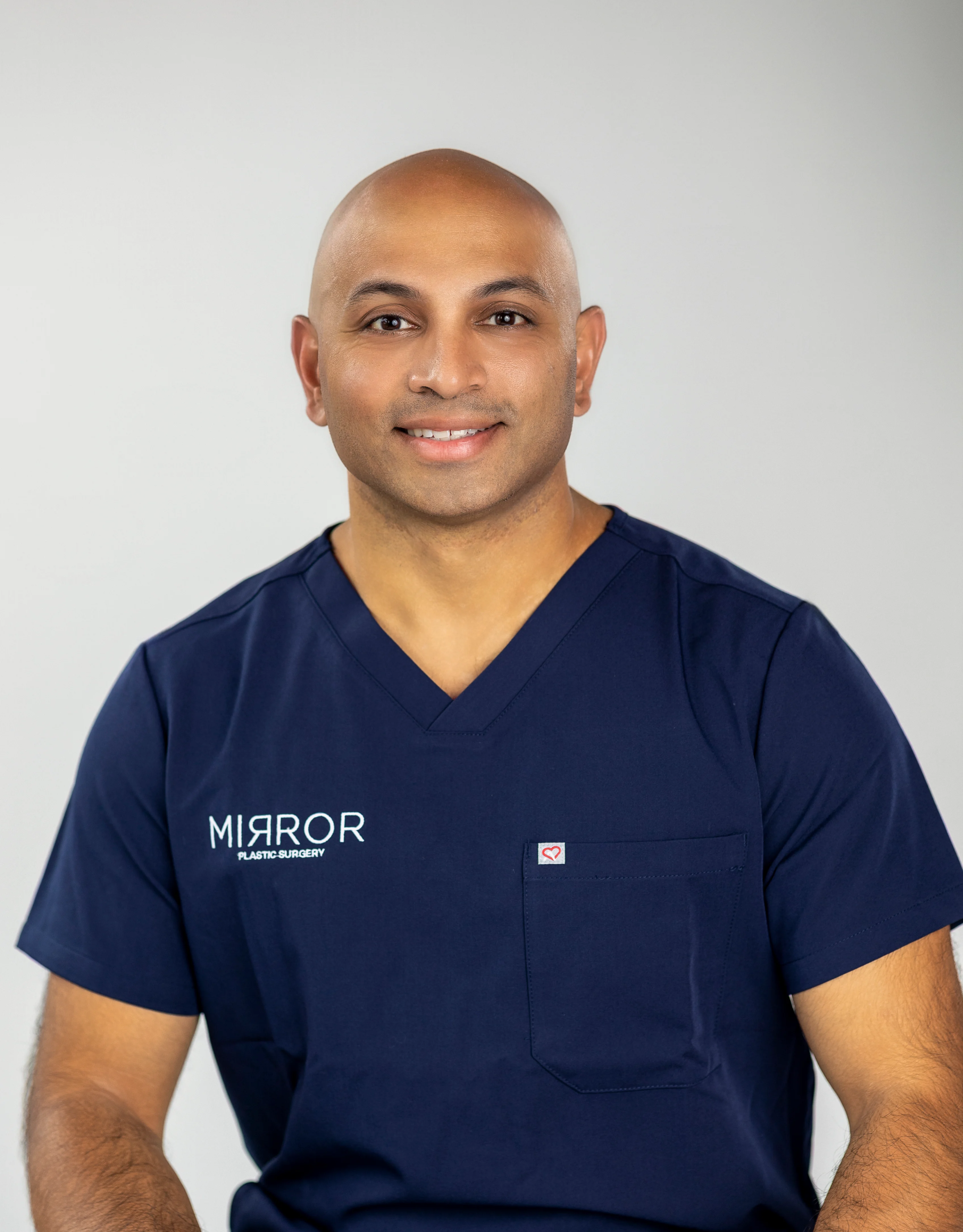
Mirror Plastic Surgery, led by Dr. Akash Chandawarkar, provides a concierge-level experience that starts with up to an hour in consultation and detailed lab analysis. Testing includes thyroid, liver, kidney, diabetes markers, and hormone panels before any protocol begins. Dr. Chandawarkar is a Harvard Medical School graduate and Johns Hopkins-trained plastic surgeon, board-certified by the American Board of Plastic Surgery, with fellowship training in aesthetic surgery and medical innovation training at Stanford University. Every peptide protocol is built around each patient’s labs and physiology, and Dr. Chandawarkar remains directly accessible throughout care.
Mirror sources peptides from reputable providers with batch testing to ensure quality, purity, and accurate dosing. This approach contrasts with many unregulated online sources where a 2023 analysis found significant discrepancies between labeled and actual peptide content.
For more on Mirror Plastic Surgery’s broader approach to sustainable weight management, review the guide on Weight Management: A Doctor’s Guide To Sustainable Loss. For background on peptide mechanisms, see Can Collagen Peptides Help You Lose Weight?
If you are over 40 and still struggling despite strong lifestyle efforts, explore a medically supervised peptide consultation with Ellie to see whether this approach fits your health profile.
Common Mistakes To Avoid
- Extreme Calorie Restriction: Crash diets slow metabolism, increase hunger hormones, and speed up muscle loss. A moderate deficit of 300–500 calories per day with adequate protein has stronger evidence.
- Cardio-Only Workouts: Heavy cardio without strength training fails to protect muscle and can raise cortisol. Aim for 2–3 strength sessions weekly and use cardio as a complement.
- Ignoring Sleep And Stress: Many adults focus on diet and exercise while overlooking sleep and stress, which strongly affect metabolism. Treat both as core parts of your plan.
- Chasing Quick Fixes: Detox teas, fat-burning supplements, and unregulated online peptides often lack evidence and can pose real risks. Invest in proven strategies and supervised care when needed.
Frequently Asked Questions
Can A 40-Year-Old Woman Lose Belly Fat?
Yes. Hormonal changes during perimenopause shift fat toward the abdomen, yet a mix of strength training 2–3 days weekly, adequate protein at 1.2–1.6 g/kg daily, stress management, and quality sleep can reduce visceral fat. Spot reduction does not occur, yet overall fat loss combined with muscle gain leads to measurable waist reductions. Many women notice changes within 4–6 weeks and more pronounced results over 3–6 months.1
What Is The Best Diet For A 40-Year-Old Woman?
No single diet fits everyone, yet research consistently supports a Mediterranean-style pattern rich in protein, fiber, and healthy fats. The 2026 Mayo Clinic narrative review found that a modest energy deficit of 300–500 kcal per day, higher unsaturated fats and fiber, and adequate protein improve visceral adiposity and insulin sensitivity. Aim for 25–40 g of protein per meal and 25–30 g of fiber daily, and favor whole foods over processed options. Avoid very-low-calorie diets under 800 kcal per day, which link to greater muscle and bone loss in older adults.
How Long Does It Take To See Results After 40?
With consistent strength training, protein intake, sleep, and stress management, most people notice better energy and body composition within 4–6 weeks.1 More visible fat loss, improved muscle tone, and reduced waist circumference usually develop over 3–6 months.1 The scale may not show the full story because muscle gain can offset fat loss. Track waist measurements and how clothes fit for a clearer picture.
Are Peptides Safe For Weight Loss?
Peptides can be safe and effective for the right candidates when prescribed and monitored by a medical professional and sourced from batch-tested providers. The main risks come from unregulated online products with unknown quality, incorrect dosing, and no oversight. At Mirror Plastic Surgery, Dr. Chandawarkar performs in-depth lab analysis before recommending any protocol to ensure a good fit with each patient’s health profile. Because peptides are not FDA-regulated, professional supervision creates the safety margin between a personalized protocol and an uncertain experiment.
What Is The 3-3-3 Rule For Weight Loss?
The 3-3-3 rule, described earlier, offers a simple structure that supports portion control and blood sugar balance. In brief, eat within 3 hours of waking, space meals about 3 hours apart, and finish eating 3 hours before bed. It does not replace medical advice, so anyone with metabolic conditions or medications should confirm details with a physician.
Conclusion
Weight loss after 40 becomes more challenging because of hormonal changes, muscle loss, and a slower metabolism, yet meaningful progress remains possible. The four pillars of strength training, protein, sleep, and stress management create a strong foundation for nearly every adult in this stage of life. Some people reach their goals with lifestyle changes alone, while others need more targeted medical support.
Mirror Plastic Surgery focuses on that second group, the adults who work hard yet still feel stuck. Under Dr. Akash Chandawarkar’s leadership, the practice offers concierge-level evaluation, detailed lab analysis, and personalized peptide protocols designed specifically for the over-40 body. Each plan reflects your unique physiology rather than a generic template.
Always consult your physician before starting any new diet, exercise program, or treatment. When you feel ready for a more tailored approach, start your journey with a consultation at Mirror Plastic Surgery to discuss your goals and explore whether personalized peptide therapy fits your needs.
Medical Disclaimer: This article is for educational purposes only and is not a substitute for professional medical advice. Always consult your physician before starting any new diet, exercise, or treatment program.
1 Results may vary from person to person. Editorial content, before and after images, and patient testimonials do not constitute a guarantee of specific results.
Peptide therapy is intended for wellness and optimization purposes and is not prescribed to diagnose, treat, cure, or prevent disease unless specifically stated. Many peptides are not FDA-approved and may be used off-label. Some have limited long-term safety data, with a potential for unknown risks, complications, or desensitization with prolonged use.