
Written by: Dr. Akash Chandawarkar, Board Certified Plastic Surgeon, Mirror Plastic Surgery | Last updated: September 9, 2026
Key Takeaways
Before you choose between an integrative clinic and a medspa, keep these core differences in mind.
- Integrative wellness clinics focus on root-cause, whole-person care for chronic conditions, while medspas specialize in non-surgical cosmetic enhancement and skin health.
- Provider credentials differ significantly. Integrative clinics are led by MDs or DOs with residency, fellowship training, and board certification. Medspas may be supervised by a broader range of licensed practitioners without standardized aesthetic certification.
- Diagnostic depth sets the models apart. Integrative clinics use comprehensive lab panels and root-cause analysis. Medspas perform focused evaluations for cosmetic procedure suitability.
- Evidence standards matter. Reputable integrative practices rely on peer-reviewed research and transparent sourcing. Patients should watch for red flags like cure claims or absent medical oversight in both settings.
- Patients seeking physician-led, evidence-based care that bridges wellness and aesthetics can schedule a personalized consultation at Mirror Plastic Surgery to explore tailored treatment options.
How Integrative Evidence-Based Wellness Clinics Work
An integrative evidence-based wellness clinic combines conventional medicine with evidence-supported complementary therapies to treat the whole person and address root causes of chronic conditions. Care emphasizes prevention, lifestyle, and personalized plans built around your medical history and goals.
Treatments include peptide therapy, nutritional counseling, hormone optimization, IV nutrient support, and stress management strategies. Each element fits into a broader plan rather than standing alone as a single service.
The World Health Organization defines integrative medicine as an interdisciplinary and evidence-based approach that combines biomedical and traditional or complementary medical knowledge, skills, and practices. This definition highlights a coordinated blend of approaches grounded in data.
These clinics typically treat chronic conditions such as systemic inflammation, autoimmune diseases, hormonal imbalances, fatigue, and metabolic dysfunction. Major academic institutions including Mass General Brigham and Memorial Sloan Kettering now offer evidence-based integrative therapies, signaling mainstream acceptance when programs are properly vetted.
How Medspas Focus On Aesthetic Care
A medspa (medical spa) is a facility that offers aesthetic, non-surgical treatments under medical supervision, such as Botox, dermal fillers, laser treatments, and chemical peels. The primary goal is cosmetic enhancement and skin health.
Some medspas offer wellness-adjacent services such as IV vitamin therapy. The core focus still remains aesthetic, and medspas do not perform comprehensive diagnostic evaluations or manage complex chronic conditions.
Key Differences At A Glance
The table below summarizes how integrative clinics and medspas differ across focus, credentials, treatments, and diagnostics.
| Aspect | Integrative Wellness Clinic | Medspa |
|---|---|---|
| Primary Focus | Root-cause, whole-person care; chronic condition management | Non-surgical cosmetic enhancement and skin health |
| Provider Credentials | MDs or DOs with residency training plus integrative fellowship (for example, ABOIM board certification) | MD, DO, NP, PA, RN, or licensed aesthetician; no standardized national aesthetic certification required |
| Typical Treatments | Peptide therapy, hormone optimization, nutritional counseling, mind-body therapies, acupuncture | Botox, dermal fillers, laser hair removal, microneedling, chemical peels, body contouring |
| Diagnostic Approach | Comprehensive lab panels, medical history review, root-cause analysis before treatment | Good faith exam to establish practitioner-patient relationship, focused on treatment suitability rather than systemic diagnostics |
The depth of diagnostic evaluation is the most important distinction. An integrative clinic orders lab panels to identify underlying physiological drivers before recommending any protocol. A medspa evaluates whether you are a safe candidate for a specific cosmetic procedure, which is a narrower and procedure-focused assessment.
How To Judge Whether Integrative Care Is Evidence-Based
Evidence-based care relies on scientific research such as peer-reviewed studies, systematic reviews, and meta-analyses rather than anecdotes or tradition. The NCCIH funds rigorous research to determine the effectiveness and safety of complementary health approaches and serves as a benchmark for evaluating specific therapies.
Use this practical framework when you review claims:
- Look for peer-reviewed clinical trials rather than testimonials alone.
- Ask whether the treatment has been studied in people similar to you.
- Distinguish therapies with robust evidence, such as acupuncture for pain relief recognized by Memorial Sloan Kettering, from those with emerging or limited data.
- Confirm that the clinic is transparent about what is established versus experimental.
- Be cautious with treatments supported only by manufacturer claims or celebrity endorsements.
The American Board of Physician Specialties notes that integrative medicine focuses on the whole person and bases prevention and treatment decisions on medical evidence. Reputable integrative clinics explain the evidence level and limitations for each treatment in clear language.
How Provider Credentials Differ Between Clinics And Medspas
Integrative physicians are typically MDs or DOs who complete medical school and residency, then pursue fellowship-level education in integrative medicine. The Andrew Weil Center for Integrative Medicine at the University of Arizona offers a 1,000-hour, two-year fellowship program, and board certification is available through the American Board of Integrative Medicine (ABOIM).
Medspa providers span a wider credential range. AmSpa lists MD, DO, NP, PA, RN, and licensed aesthetician as common license types in medspas and notes that no standardized certification or training is required before treating aesthetic patients. Patrick O’Brien, JD, legal coordinator at AmSpa, states that in most cases there is no recognized certifying or governing body in the medical spa world.
Mirror Plastic Surgery is led by Dr. Akash Chandawarkar, a board-certified plastic surgeon who studied neuroscience and nuclear engineering at MIT, graduated with Honors from Harvard Medical School, completed a seven-year integrated plastic and reconstructive surgery residency at Johns Hopkins University, and completed the Stanford University Biodesign Innovation Fellowship. Every peptide protocol at Mirror is tailored to each patient’s labs and physiology and remains under direct medical supervision.
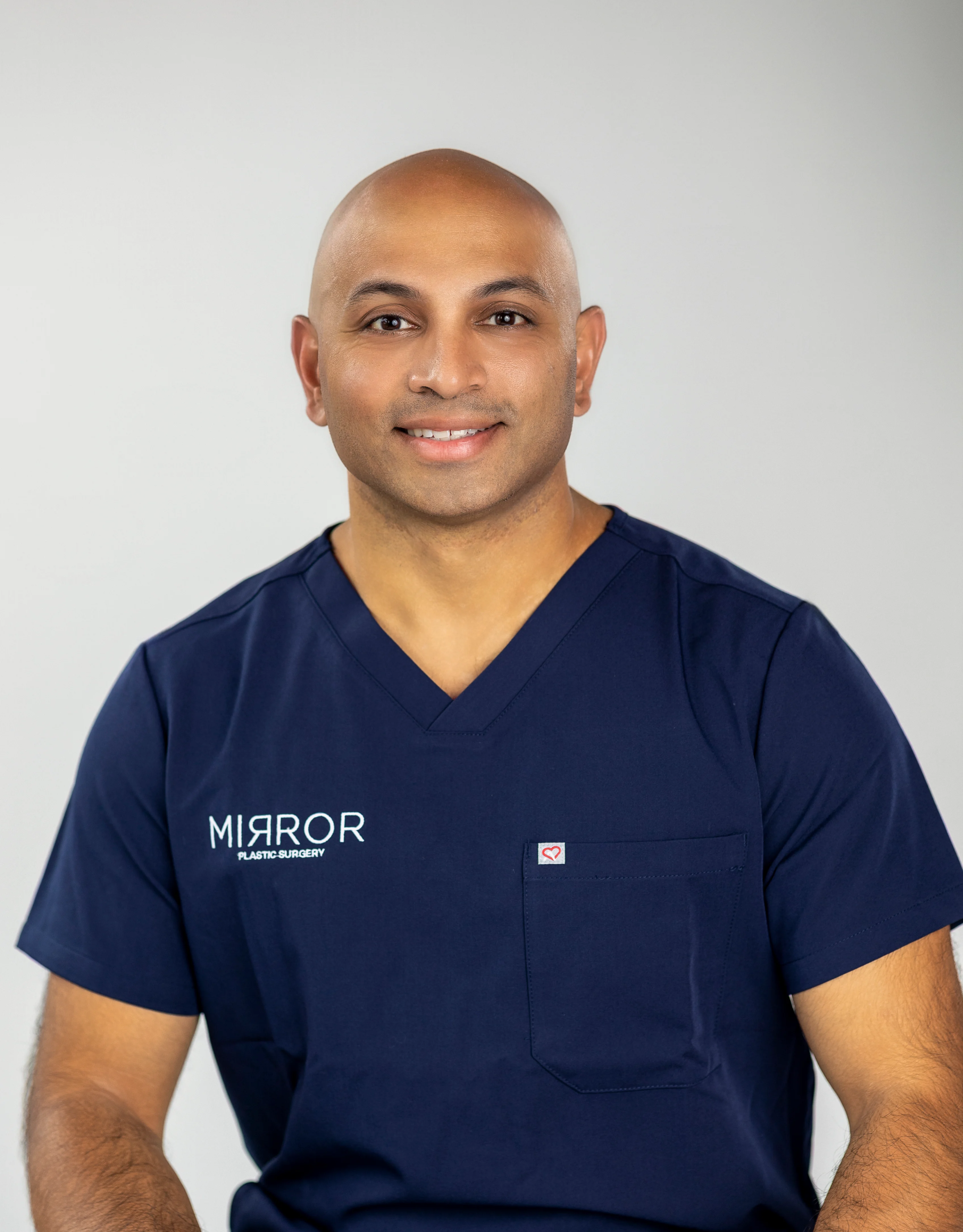
Schedule a consultation with Dr. Chandawarkar to discuss a personalized, lab-guided wellness plan.
Typical Treatments And Where They Overlap
Integrative wellness clinics commonly offer:
- Peptide therapy such as BPC-157 for systemic inflammation and muscle-tendon repair, GHK-Cu for collagen and elastin production and skin health, TB500 for soft tissue repair, and NAD for mitochondrial energy support and healthy aging.1
- Hormone optimization guided by comprehensive lab panels that include thyroid, cortisol, and sex hormone profiles.
- IV nutrient therapy as an adjunct to address micronutrient deficiencies.
- Lifestyle and nutritional counseling with anti-inflammatory dietary patterns carrying a strong evidence base among nutritional interventions.
- Mind-body therapies such as acupuncture, meditation, and yoga, which appear in programs at institutions like the U.S. Department of Veterans Affairs Whole Health initiative.
Medspas typically offer:
- Neuromodulators such as botulinum toxin A (Botox, Dysport, Xeomin) to soften wrinkles.
- Dermal fillers to restore facial volume and diminish lines.
- Laser and energy-based treatments including laser hair removal, skin resurfacing, and body contouring.
- Microneedling and chemical peels to improve skin texture and tone.
Peptide therapy bridges both models. Peptides such as GHK-Cu support collagen and elastin production for aesthetic benefit, while BPC-157 and TB500 target systemic inflammation for wellness benefit.1 This dual role makes peptide therapy a distinctive offering at physician-led practices like Mirror Plastic Surgery. Peptides require medical supervision, including lab review, dosing oversight, and quality-verified sourcing, to keep protocols safe and effective.
Red Flags For Pseudoscience And Marketing Hype
The following red flags apply to both integrative clinics and medspas and draw on regulatory enforcement data and clinical guidance.
- Cure claims. Phrases like “heals,” “cures,” or “reverses” cancer, chronic illness, or mental health conditions signal concern. Ethical practitioners describe benefits and limits clearly.
- Lack of transparency about evidence or sourcing. Credible clinics explain why each test is ordered, what evidence supports each treatment, and how compounds are sourced.
- Pressure to buy packages before evaluation. High-pressure sales for large prepaid packages before a first session are a financial warning sign. A fair structure allows a trial visit and defines what progress looks like.
- Providers who skip diagnostic testing. Clinics that sell treatments without running appropriate diagnostics are selling products rather than protocols.
- Unverified or unregulated products. Medical spas must verify that suppliers are FDA-registered, cGMP-compliant, and provide transparent testing data. Patients should request certificates of analysis for specific compounds.
- Ghost or nominal medical directors. In December 2025, the Iowa Board of Medicine fined a medical director $10,000 for being on-site only two to three hours per month, far below required supervision. If a medspa cannot clearly identify its medical director or the name does not appear on the website or clinic signage, that absence signals a basic compliance problem.
Because “integrative” and “wellness” are unregulated terms, you need to ask pointed questions. Clarify who will see you, what peer-reviewed evidence supports each treatment, and where products are sourced, including whether batch testing documentation is available.
How To Decide Between A Medspa And Integrative Clinic
This step-by-step framework helps you match your goals to the right care model.
- Define your primary goal. Decide whether you want to address a chronic health issue such as inflammation, fatigue, weight management, or autoimmune symptoms, or focus on appearance changes like wrinkles, skin texture, or volume loss.
- Choose diagnostic depth for chronic issues. If you have a chronic condition, look for a clinic that performs comprehensive lab testing and offers medically supervised treatments. A brief cosmetic suitability exam does not provide the root-cause diagnostic workup that complex conditions require.
- Confirm safety for cosmetic goals. If your goal is cosmetic enhancement, a medspa may fit well. Verify provider qualifications, confirm that the medical director is actively involved, and ensure the facility follows AmSpa’s standard of an in-person consultation with a prescribing practitioner before treatment.
- Consider whether you need both models. A patient with skin aging plus fatigue and inflammation may benefit from a combined approach. Peptide therapy can improve skin quality and energy while addressing systemic inflammation when a physician supervises dosing and reviews labs.
Many patients want aesthetic results and systemic wellness guided by one physician who understands the full clinical picture. A physician-led practice that bridges both models is designed to meet that need.
Why Mirror Plastic Surgery Bridges Wellness And Aesthetics
Mirror Plastic Surgery is a physician-led practice in St. Petersburg, Florida, that offers surgical and non-surgical aesthetic treatments alongside advanced, medically supervised peptide therapies for wellness. Dr. Akash Chandawarkar personally leads every peptide consultation, reviews lab panels, designs individualized protocols, and provides ongoing concierge support with direct access via text and telemedicine.
Peptides at Mirror come from reputable providers with batch testing, which addresses the quality-control concerns that make unsupervised online purchasing risky. Consultations can last up to an hour and cover medical history, current labs, and specific health goals before any protocol begins. The practice limits itself to one to two procedures per day to maintain focused, personalized attention rather than high-volume throughput.
For patients with skin aging and fatigue, Mirror’s Glow Stack (GHK-Cu, BPC-157, TB500) supports collagen production and systemic inflammation under the same physician roof.1 For patients managing weight, anxiety, or energy, targeted peptide stacks are built around individual physiology instead of a generic menu.1
If you want a practice that combines evidence-based wellness and aesthetic expertise, explore your options with a personalized consultation with Dr. Chandawarkar.
Frequently Asked Questions
Is Integrative Medicine Evidence-Based?
Integrative medicine is evidence-based when credentialed physicians apply peer-reviewed research to treatment decisions. The NCCIH funds rigorous scientific research on complementary approaches, and major academic health systems including Mass General Brigham and Memorial Sloan Kettering offer integrative therapies that have been evaluated in clinical trials. The key variable is the provider. An MD with ABOIM board certification who uses evidence-based protocols practices integrative medicine, while a wellness brand using the term without clinical oversight does not meet that standard.
What Is The Difference Between Integrated Care And Integrative Care?
Integrated care describes coordination of multiple healthcare services such as primary care, specialty care, and behavioral health within a single system or pathway. Integrative care, as defined earlier, combines conventional biomedical treatments with evidence-based complementary therapies to treat the whole person. Integrated care focuses on system organization, while integrative care focuses on treatment philosophy and modality mix.
Can A Medspa Treat Chronic Health Conditions?
Medspas are designed and regulated for non-surgical cosmetic enhancement rather than chronic medical condition management. Their services improve appearance but do not address systemic root causes. Some medspas offer IV therapy or weight-loss injections, yet these services usually lack the comprehensive diagnostic evaluation, lab analysis, and ongoing medical supervision that chronic condition management requires. Patients with chronic inflammation, autoimmune conditions, or hormonal imbalances should seek a physician-led clinic that performs root-cause diagnostics before recommending any protocol.
What Are The Risks Of Medspa Treatments?
Risks vary by treatment type and provider training. Regulatory enforcement data from 2025 and 2026 highlights common failures such as unlicensed practice of medicine, inadequate medical oversight, counterfeit or improperly compounded products, and missing emergency protocols. A patient death in Texas in 2023 was linked to IV therapy administered by an unlicensed spa owner with no medical director agreement. Consumers should verify that the medical director is actively on-site, that products come from FDA-registered compounding pharmacies with batch testing documentation, and that the clinic has a written complication management protocol.
Do Integrative Doctors Go To Medical School?
Integrative physicians are MDs or DOs who complete conventional medical school and residency, often totaling 11 to 15 or more years of education, then pursue additional fellowship-level integrative training. The Andrew Weil Center for Integrative Medicine at the University of Arizona offers a 1,000-hour, two-year fellowship, and the American Board of Integrative Medicine (ABOIM) provides board certification. Integrative teams may also include licensed acupuncturists, naturopathic doctors, and chiropractors with their own credential pathways. Leadership in reputable integrative clinics rests with a licensed physician.
Are Peptides Safe Without Medical Supervision?
The primary risk of obtaining peptides without medical supervision is the lack of quality control and clinical oversight. Without a physician reviewing your medical history, medications, and lab results, dosing cannot be tailored, contraindications may be missed, and product contents remain uncertain. Peptides purchased from unregulated online sources often lack third-party batch testing, so active ingredient concentration may be inaccurate or contaminated. At Mirror Plastic Surgery, every peptide protocol is designed by Dr. Chandawarkar based on individual lab results, sourced from providers with documented batch testing, and monitored throughout treatment.
Conclusion: Choose Evidence-Guided Care For Your Goals
The terms “integrative” and “wellness” have no formal regulatory definition, so the responsibility for evaluation rests with you. The right choice between an integrative wellness clinic and a medspa depends on your goals. Root-cause chronic condition management calls for a physician-led clinic with diagnostic depth. Cosmetic enhancement calls for a medspa with verified provider credentials and active medical oversight. Many patients benefit from both, and a physician-led practice that bridges wellness and aesthetics under one roof removes the need to juggle separate providers.
Mirror Plastic Surgery offers personalized peptide therapies and concierge care for people seeking a physician-led, evidence-based approach that unites wellness and aesthetics. Start with a comprehensive consultation with Dr. Akash Chandawarkar to plan your next steps.
This article is for educational purposes and does not replace medical advice. Peptide therapies are not FDA-regulated. Consult a qualified physician to determine whether they are appropriate for you. Results vary by individual.
1 Results may vary from person to person. Editorial content, before and after images, and patient testimonials do not constitute a guarantee of specific results.
Peptide therapy is intended for wellness and optimization purposes and is not prescribed to diagnose, treat, cure, or prevent disease unless specifically stated. Many peptides are not FDA-approved and may be used off-label. Some have limited long-term safety data, with a potential for unknown risks, complications, or desensitization with prolonged use.