
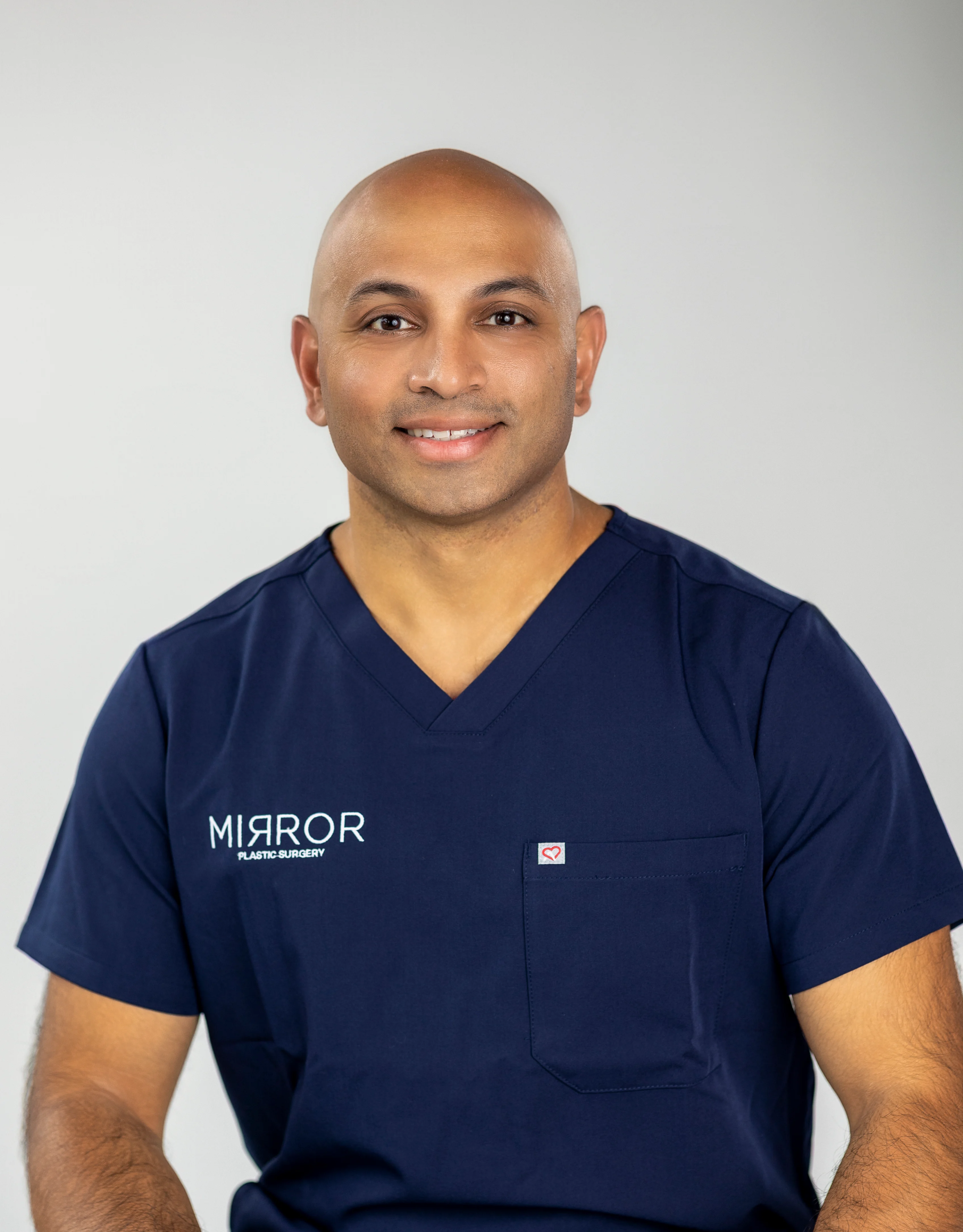
Written by: Dr. Akash Chandawarkar, Board Certified Plastic Surgeon, Mirror Plastic Surgery | Last updated: September 9, 2026
Key Takeaways
- Chronic inflammation often goes undetected in standard labs yet drives joint pain, fatigue, brain fog, and long-term disease risk.
- The Mediterranean diet, rich in fatty fish, leafy greens, berries, olive oil, and spices, consistently lowers key inflammatory biomarkers.1
- Daily movement, 7–9 hours of quality sleep, and stress-reduction practices such as mindfulness measurably reduce inflammatory markers.1
- Physician-guided peptide therapy offers a targeted, science-backed option when foundational diet and lifestyle changes are not enough.1
Ready for a personalized plan? Start with comprehensive lab testing and expert care at Mirror Plastic Surgery.
Chronic Inflammation: The Hidden Driver Behind Daily Symptoms
Chronic inflammation quietly fuels many common symptoms, even when standard labs look normal. It represents the body’s ongoing immune response to injury, infection, or stress that never fully resolves. Acute inflammation is short-term and protective. Chronic inflammation persists over months or years, damages tissues, and contributes to joint pain, autoimmune disease, heart disease, and fatigue.
In 2019, 20.4% of U.S. adults experienced chronic pain, and rates rose to approximately 24.3% by 2023. Harvard Health identifies low-grade chronic inflammation as a contributor to leading killers such as cardiovascular disease, type 2 diabetes, and Alzheimer’s disease.
Chronic inflammation often feels subtle rather than dramatic. It may show up as persistent joint pain and stiffness, unexplained fatigue, brain fog, digestive issues, skin problems like acne or eczema, and low mood. Chronic low-grade inflammation is silent by definition and blends into the background as ongoing fatigue, brain fog, digestive symptoms, or low mood. Many people hear “your labs look normal” yet still feel far from well, which often points toward this hidden inflammatory burden.
To move beyond guesswork, you need objective data. Schedule a lab-based inflammation assessment with Ellie at Mirror Plastic Surgery.
The Anti-Inflammatory Diet: Foods That Calm Your Immune System
The Mediterranean diet has the strongest research support for lowering inflammation. A systematic review and meta-analysis of randomized controlled trials found that Mediterranean diet adherence significantly reduces five key inflammatory biomarkers: IL-6, IL-1β, CRP, IL-8, and TNF-α.1
Foods that actively fight inflammation include:
- Fatty fish such as salmon, sardines, and mackerel, which are rich in omega-3s. EPA and DHA convert into specialized pro-resolving mediators that promote inflammation resolution and reduce leukocyte recruitment.
- Leafy greens like spinach and kale, along with colorful vegetables that supply polyphenols, carotenoids, and vitamin C.
- Berries and citrus fruits packed with flavonoids that act as antioxidants and intelligent regulators of the immune system, capable of suppressing excessive inflammatory responses.
- Extra virgin olive oil, which contains oleocanthal, a polyphenol that inhibits the COX-2 enzyme through the same mechanism as ibuprofen.
- Nuts, seeds, and legumes that provide monounsaturated and polyunsaturated fats plus polyphenols.
- Turmeric, ginger, and garlic, whose active compounds inhibit the synthesis of pro-inflammatory prostaglandins and leukotrienes by targeting COX and LOX enzymes.
Foods that fuel inflammation include:
- Refined sugars and sugar-sweetened beverages, which promote postprandial oxidative stress and NF-κB activation.
- Processed and red meats, linked to endotoxemia and pro-inflammatory lipid mediators.
- Refined grains such as white bread and pastries.
- Trans fats and excess saturated fats, which promote TLR signaling, activate inflammasomes, and impair endothelial function.
- Excessive alcohol.
The key insight from recent research is that overall dietary patterns matter more than isolated “superfoods.” An anti-inflammatory diet works because the foods act together synergistically and reinforce each other’s effects. A practical starting point is simple: limit added sugars to less than 10% of daily calories and focus on whole, minimally processed foods.
Lifestyle Habits That Lower Inflammation: Movement, Sleep, And Stress
Diet creates the foundation for inflammation control, and daily habits reinforce that foundation. Exercise, sleep, and stress management each influence how your immune system behaves.
Exercise: The American Heart Association recommends 150 minutes of moderate-intensity aerobic activity per week plus two days of strength training. This recommendation is backed by evidence that regular physical activity counteracts chronic inflammation by modifying the DNA methylation profile of immune cells and promoting an anti-inflammatory phenotype.
Sleep: Aim for 7–9 hours of quality sleep per night. Inflammatory markers measurably rise even after a single night of poor sleep. Support better sleep with consistent bedtimes, a dark cool room, and limited screen time before bed.
Stress Management: Chronic stress activates the HPA axis, elevates cortisol, and drives inflammation. Mindfulness-based stress reduction and cognitive-behavioral stress management reduce inflammation by regulating the hypothalamic–pituitary–adrenal axis. Even 10 minutes of daily deep breathing or meditation can create measurable shifts over time.
Natural Supplements With Evidence For Inflammation Support
Curcumin and omega-3 fatty acids have the strongest evidence among natural anti-inflammatory compounds. Individual responses vary, and no supplement eliminates inflammation on its own, yet they can meaningfully support a broader plan.
Evidence-based options include:
- Omega-3 fatty acids (EPA/DHA): Recommended daily intake ranges from 200 mg to 600 mg in adults, and these fats inhibit leukocyte chemotaxis while reducing production of pro-inflammatory eicosanoids and cytokines.
- Curcumin: Inhibits COX and LOX enzymes. Bioavailability is a concern, so look for enhanced formulations, because 90–95% of polyphenols like curcumin require an active gut microbiome for absorption.
- Ginger: Contains gingerol, which inhibits pro-inflammatory prostaglandins.
- Vitamin D: Supplementation reduced autoimmune disease incidence by 22% in clinical trials.1
- Probiotics: Lactic acid bacteria and bifidobacteria help prevent intestinal hyperpermeability and reduce LPS-dependent chronic inflammation.
Natural products used as nutritional supplements function best as adjunct strategies for prevention and management of human diseases. Always consult a physician before starting any supplement regimen.
When Foundational Changes Fall Short: A Doctor’s Perspective
Some people follow anti-inflammatory diet and lifestyle guidance consistently yet still feel stuck. This pattern is common in those with autoimmune conditions, genetic predispositions, or chronic inflammatory diseases. Current thinking is shifting away from one-size-fits-all approaches toward mechanism-based precision medicine supported by robust biomarkers and deep phenotyping.
A physician can uncover root causes with comprehensive lab testing that includes high-sensitivity C-reactive protein, cytokine panels, and metabolic markers. High-sensitivity CRP is the preferred biomarker for tracking low-grade inflammation because it is widely available, affordable, and responsive to dietary and therapeutic change. This level of evaluation moves beyond generic advice and targets your specific inflammatory drivers.
At Mirror Plastic Surgery, Dr. Akash Chandawarkar, a board-certified plastic surgeon trained at Harvard, Johns Hopkins, and Stanford, conducts in-depth consultations that include comprehensive lab analysis before designing any protocol. Begin your personalized inflammation workup with Ellie.
Peptide Therapy For Inflammation: A Targeted Option
Peptides are short chains of amino acids that act as signaling molecules. They instruct the body to repair tissue, modulate inflammation, and restore balance. Unlike broad-spectrum anti-inflammatory drugs, peptides act on specific pathways with high precision. Anti-inflammatory peptides suppress NF-κB and MAPK signaling across gut, skin, lung, and joint models, with reduced oxidative stress as a consistent secondary effect.
Key peptides for inflammation include:
- BPC-157: Suppresses NF-κB nuclear translocation and modulates nitric oxide signaling, supporting systemic inflammation reduction and tissue repair in gut, tendon, and joint models.
- TB-500: Reduces inflammatory markers in cardiac and tendon animal models, including reduced neutrophil infiltration, and targets soft tissue inflammation while promoting wound healing.
- GHK-Cu: Modulates over 4,000 human genes at the transcriptional level. It addresses skin and systemic inflammation and also supports collagen and elastin production.
- KPV: Directly inhibits nuclear translocation of NF-κB, the master transcription factor driving pro-inflammatory cytokine expression, specifically targeting gut inflammation and supporting intestinal barrier integrity.
Thymosin alpha-1 has substantial human data, while KPV and BPC-157 remain preclinical for anti-inflammatory applications, and none currently replace established anti-inflammatory therapy. The evidence is promising and calls for careful, medically supervised use.
Critical safety consideration: The online peptide market often sells products as research chemicals or imported vials that may have problems with purity, strength, labeling, sterility, or contamination. The peptides themselves are not inherently risky; the danger comes from unregulated sources. Mirror Plastic Surgery sources peptides from reputable providers with rigorous batch testing to support purity, accurate dosing, and safety.
Mirror Plastic Surgery offers advanced peptide therapies for inflammation, autoimmune conditions, weight management, and anti-aging concerns. Every protocol begins with an in-depth consultation and comprehensive lab analysis and is then customized to your physiology and health goals. Dr. Akash provides ongoing support, and all peptides come from providers with documented quality and batch testing. Request a peptide-focused consultation with Ellie to see whether this approach fits your needs.
A 7-Day Anti-Inflammatory Action Plan
This simple 7-day plan helps you build anti-inflammatory habits gradually. Each day adds one small change so that, by the end of the week, you have a foundation you can keep strengthening.
- Day 1: Swap sugary drinks for water infused with lemon and ginger.
- Day 2: Add a serving of leafy greens to both lunch and dinner.
- Day 3: Take a 20-minute walk after meals.
- Day 4: Practice 10 minutes of deep breathing before bed.
- Day 5: Incorporate turmeric into your cooking.
- Day 6: Prioritize a full night of sleep, aiming for 7–9 hours.
- Day 7: Reflect on your progress and consider consulting a physician if symptoms continue.
Common Misconceptions And Real-World Challenges
“Inflammation is always bad.” Acute inflammation is your body’s protective response to injury or infection and plays a vital role in healing. Problems arise when inflammation becomes chronic and unresolved and continues without a genuine threat.
“Supplements can cure inflammation overnight.” Objective shifts in inflammatory markers from dietary changes usually take weeks to months. Consistent daily habits create far more change than short bursts of intense effort.
“Peptides are dangerous because they’re not FDA-approved.” The main concern centers on unregulated sources rather than the molecules themselves. Under medical supervision with quality-tested products, peptide therapy offers a targeted option for people who need more support than lifestyle changes alone.
“One-size-fits-all approaches work for everyone.” Individual responses vary based on genetics, gut microbiome, and underlying conditions, so personalized, physician-guided care is essential for lasting results.
Frequently Asked Questions
What Are The Classic Signs Of Inflammation, And How Do They Differ From Chronic Inflammation?
The classic signs of acute inflammation are redness, heat, swelling, pain, and loss of function. These responses usually resolve once the threat is neutralized. Chronic inflammation adds systemic effects such as fever and persistent fatigue and leads to tissue remodeling when the immune system remains active without a clear target.
Chronic inflammation often produces subtle symptoms instead of dramatic ones. It may show up as low-grade joint aching, brain fog, digestive irregularity, and sustained low energy. Because these symptoms overlap with many other conditions, comprehensive lab testing, including high-sensitivity CRP and cytokine panels, offers the most reliable way to confirm whether chronic inflammation is present and how severe it is.
How Long Does It Take To Reduce Inflammation?
Diet and lifestyle changes usually require weeks to months to create measurable improvements in inflammatory markers such as CRP and IL-6. The timeline depends on the severity of inflammation, the consistency of your efforts, and individual factors like genetics, gut microbiome composition, and underlying conditions.
Peptide therapy may produce initial improvements within days to weeks, depending on the condition and individual response, although this varies widely.1 Consistency remains the most important factor. Sporadic adherence to an anti-inflammatory diet or exercise program produces much smaller reductions in inflammatory markers than steady, long-term habits.
Are Peptides Safe For Inflammation?
Under proper medical supervision with quality-tested products, peptides are generally well tolerated. Common side effects can include injection site irritation, mild headaches, fatigue, appetite changes, or nausea. The exact risk profile depends on the specific peptide, your health status, the route of administration, and the broader medical context.
As noted earlier, the main safety concern involves the source of peptides. Products from unregulated online markets may have issues with purity, accurate dosing, sterility, or contamination. At Mirror Plastic Surgery, peptides come from reputable providers with rigorous batch testing, and every protocol is built around your labs and physiology under Dr. Akash Chandawarkar’s direct medical supervision. Peptide therapy does not fit every situation, and people who are pregnant, breastfeeding, have certain active malignancy concerns, or have complex uncontrolled medical conditions require careful evaluation before any protocol is considered.
Can Peptides Replace My Current Medications?
Peptides should never replace prescribed medications without physician guidance. For conditions such as rheumatoid arthritis, inflammatory bowel disease, or autoimmune disorders, established medical therapies, including DMARDs, biologics, and other physician-prescribed treatments, remain the primary standard of care.
Peptides may complement these therapies or, in some cases, support a gradual reduction in medication needs, but only under careful medical supervision with ongoing monitoring of lab markers and clinical response. At Mirror Plastic Surgery, Dr. Akash reviews your full medication list and medical history before designing any peptide protocol to avoid safety conflicts with existing treatments.
How Do I Know If I Need Peptide Therapy?
Peptide therapy fits best when you have already addressed foundational drivers such as diet, exercise, sleep, stress, and weight yet still experience persistent inflammatory symptoms. It also serves as an adjunct for people with confirmed inflammatory or autoimmune conditions who want additional support alongside their primary medical care.
A comprehensive lab panel that includes high-sensitivity CRP, cytokine markers, and metabolic indicators provides the objective data needed to decide whether peptide therapy is a logical next step. These results also help determine which peptides and protocols align best with your specific physiology.
Conclusion: Building Your Path To Lasting Inflammation Relief
Lasting inflammation relief comes from layering strategies rather than chasing a single fix. You start with a Mediterranean-style anti-inflammatory diet, regular moderate-intensity exercise, quality sleep, and evidence-based stress management. You then add targeted support such as supplements and, when appropriate, physician-guided peptide therapy to address more stubborn inflammation.
Personalized, medically supervised care keeps this process safe and effective. Your physiology is unique, and your plan should reflect that. If you are ready to take control of your inflammation and explore advanced, individualized peptide therapy with a board-certified physician trained at Harvard, Johns Hopkins, and Stanford, start your personalized plan with Ellie at Mirror Plastic Surgery.
Results may vary from person to person. Editorial content and patient testimonials do not constitute a guarantee of specific results. Peptide therapy is intended for wellness and optimization purposes and is not prescribed to diagnose, treat, cure, or prevent disease unless specifically stated. Many peptides are not FDA-approved and may be used off-label. Some have limited long-term safety data, with a potential for unknown risks, complications, or desensitization with prolonged use.
1 Results may vary from person to person. Editorial content, before and after images, and patient testimonials do not constitute a guarantee of specific results.
Peptide therapy is intended for wellness and optimization purposes and is not prescribed to diagnose, treat, cure, or prevent disease unless specifically stated. Many peptides are not FDA-approved and may be used off-label. Some have limited long-term safety data, with a potential for unknown risks, complications, or desensitization with prolonged use.