
Written by: Dr. Akash Chandawarkar, Board Certified Plastic Surgeon, Mirror Plastic Surgery | Last updated: September 9, 2026
Key Takeaways
- Medical spas follow different state rules, and 36 states lack specific med spa oversight. Physician credentials and on-site supervision are critical safety factors.
- Only licensed medical professionals (RNs, NPs, PAs, or physicians) should perform injections. Estheticians injecting Botox or fillers are practicing medicine without a license.
- Every reputable med spa keeps an on-site hyaluronidase emergency kit and uses FDA-approved products from authorized distributors with verifiable batch numbers.
- A thorough consultation, including medical history review, physical exam, and personalized treatment plan, must come before any medical procedure. Rushed or pressure-driven bookings signal risk.
- Physician-led care with on-site supervision and a thorough consultation process are the hallmarks of a safe med spa.
Meet Your Guide: Why A Plastic Surgeon’s Perspective Matters
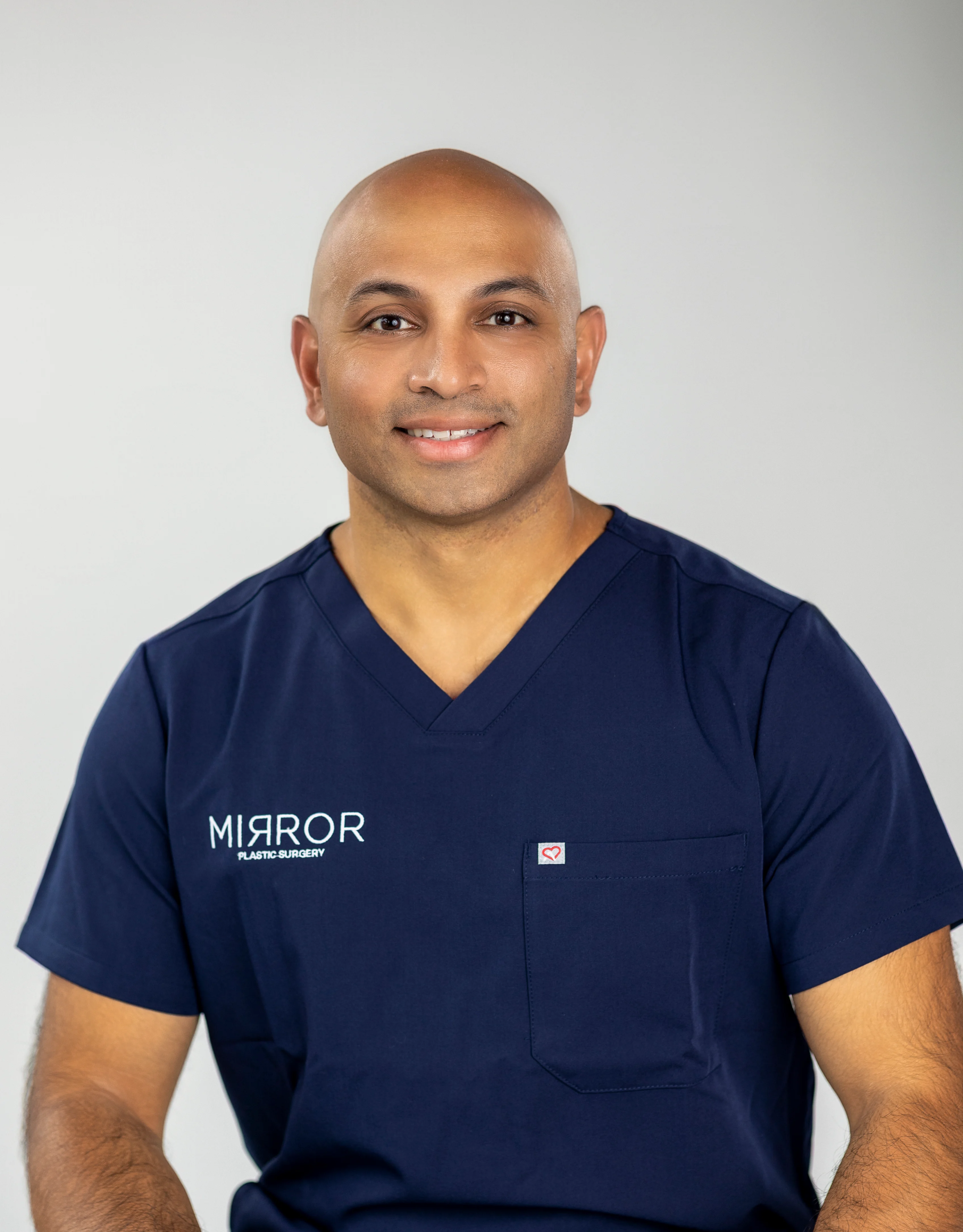
Dr. Akash Chandawarkar, MD, is the founder of Mirror Plastic Surgery in St. Petersburg, FL. He is board-certified by the American Board of Plastic Surgery, a graduate of Harvard Medical School through the Harvard-MIT Division of Health Sciences and Technology, and completed a seven-year integrated plastic and reconstructive surgery residency at Johns Hopkins University. He also completed the Stanford University Biodesign Innovation Fellowship and holds fellowship training in aesthetic surgery at the Manhattan Eye Ear & Throat Hospital (MEETH)/Lenox Hill Hospital. His guiding philosophy, stated as safety first, function second, aesthetics third, shapes every recommendation he makes and directly informs the safety checklist that follows.
Core Principles Of A Safe, High-Quality Medical Spa
A medical spa functions as a medical practice that offers cosmetic treatments. A day spa focuses on facials, massages, and cosmetic-grade treatments. A med spa provides procedures that penetrate the skin or use prescription-strength products, such as injectables, lasers, and medium or deep chemical peels, which legally constitute the practice of medicine and require physician oversight in virtually every state. Several key terms define this landscape clearly:
- Physician Oversight: A licensed physician supervises all medical treatments performed at the facility.
- Medical Director: The physician holds legal responsibility for all medical procedures and must have an active, unrestricted license in the state of operation.
- Licensed Injector: An RN, NP, PA, or physician trained and authorized under state law to administer injectables.
- Board Certification: Specialized credentialing in a field such as plastic surgery or dermatology, verified through the American Board of Plastic Surgery or the American Board of Medical Specialties.
Services range from injectables like Botox and dermal fillers to laser treatments, body contouring, and integrative wellness therapies. Each category carries a different risk profile and calls for specific training and experience.
Step-By-Step: How To Vet Any Medical Spa
Step 1: Verify Physician Oversight And Credentials
Physician oversight is the single most important safety factor. Research published in Dermatologic Surgery found that only 41% of med spa medical directors are trained in dermatology or plastic surgery, and just 6.5% are on-site, despite being legally responsible for every treatment performed. Ask who the medical director is, whether they are board-certified in plastic surgery or dermatology, and whether they are physically present. Verify board certification directly through the American Board of Plastic Surgery or your state medical board’s license lookup. At Mirror Plastic Surgery, Dr. Chandawarkar personally leads and oversees all treatments.
Step 2: Check Staff Qualifications
Only licensed medical professionals, including registered nurses, nurse practitioners, physician assistants, or physicians, should perform injections. A licensed esthetician performing Botox injections, regardless of training, is practicing medicine without a license. Titles such as “medical aesthetician” or “certified laser technician” can sound official but often mask limited scope. The actual credential is licensed esthetician, and very few states certify laser technicians. Ask about training, years of experience, and how many times the provider has performed your specific procedure.
Step 3: Evaluate The Consultation Process
A good med spa provides a thorough consultation that covers medical history, treatment goals, and a personalized plan. A face-to-face examination, including appropriate history and physical, must precede the initial medical procedure. At Mirror Plastic Surgery, consultations can last up to an hour to allow for detailed assessment. A good faith exam by a qualified provider should always come before any procedure. Rushed consultations, immediate pressure to book, or no medical evaluation before treatment are red flags. Once you confirm that the consultation process is careful and complete, you can move on to evaluating safety protocols and product quality.
Step 4: Assess Safety Protocols And Product Authenticity
Ask whether the facility uses FDA-approved products sourced from authorized distributors. This question matters because the FDA issued its first-ever Drug Supply Chain Security Act warning letter to a medical spa in April 2026, after finding the facility administered significantly more Botox than it had purchased from authorized sources and possessed an unlabeled vial of botulinum toxin lacking lot number and expiration date. Authentic products carry batch numbers and intact seals that trace back to the manufacturer.
Similarly, ask about emergency protocols and readiness. Is hyaluronidase, the filler reversal agent, kept on-site and in date? Every practice that injects hyaluronic acid filler must keep an in-date hyaluronidase emergency kit physically on site; injecting filler without it falls below the standard of care. At Mirror Plastic Surgery, peptides and all therapeutic products come from reputable providers with batch testing and documented quality control.
Step 5: Review Before-And-After Photos And Testimonials
Look for consistent, natural results in patients who share your concerns, age range, or skin type.1 Ask to see the packaging for fillers or botulinum toxin, since FDA-approved products include batch numbers and intact seals that indicate direct sourcing from the manufacturer. Be cautious with heavily filtered images, stock photos, or testimonials that cannot be tied to real patients treated at that practice.
Step 6: Trust Your Instincts
Pay attention to how the environment and staff make you feel. If staff avoid questions about credentials, if the facility appears unclean, or if you feel pushed into buying packages before a proper consultation, walk away. A good med spa consistently places your safety and long-term results ahead of sales goals.1
Med Spa Red Flags: Walk-Away Signals
If you encounter any of the following signals during your research or visit, choose a different provider immediately:
- Botox Parties: Injectables administered in social settings without proper medical oversight, emergency equipment, or sterile protocols.
- Package Pressure: High-pressure upselling of multiple treatments or prepaid packages before a proper consultation.
- Cheap Prices: Significantly below-market pricing that often signals diluted products, expired materials, or unqualified staff.
- No Medical Supervision: No physician on-site or available, or a “ghost” medical director who never appears. Hiring a ghost medical director who never visits is a frequently cited compliance violation.
- Unlicensed Injectors: Estheticians or unlicensed staff performing injections or laser treatments.
- No Consultation: Skipped medical history review or missing good faith exam before treatment.
- Refusal To Answer Questions: Evasiveness about credentials, products, or emergency protocols.
Experience physician-led aesthetic care from the ground up by scheduling a consultation with Dr. Chandawarkar for a thorough, low-pressure visit.
Questions To Ask Before Your Med Spa Appointment
- Who will perform my treatment, and what are their credentials?
- Is a board-certified physician overseeing my care?
- Can I see before-and-after photos of patients with similar concerns?
- What happens if I experience a complication?
- Is the medical director on-site or immediately available?
- What products do you use, and are they FDA-approved from authorized distributors?
- Is hyaluronidase available on-site for filler emergencies?
Important Safety Considerations Before You Book
Individual anatomy, skin type, and medical history all affect outcomes.1 Not everyone qualifies for every treatment, and a good med spa will explain when a treatment does not serve your goals. Cosmetic procedures performed by nonphysician operators have been associated with higher rates of adverse events compared to physician-performed treatments (73.3% vs. 51.8%)1, yet many people remain unaware of this difference. For wellness therapies like peptides, the risk comes from unregulated sources that lack quality control, proper dosing guidance, and medical supervision.
How Mirror Plastic Surgery Puts This Checklist Into Practice
Mirror Plastic Surgery is built around the principles in this safety checklist. Dr. Chandawarkar provides physician-led care personally, conducts concierge-level consultations that can last up to an hour, and designs individualized treatment plans around each patient’s anatomy, goals, and medical history. The practice limits itself to one to two procedures per day to ensure undivided attention before, during, and after every treatment. For patients in the Tampa Bay area and those seeking remote consultations across the U.S., Mirror Plastic Surgery offers physician-supervised aesthetic care grounded in safety.
The practice also leads in integrative wellness. It offers advanced peptide therapies for inflammation, weight management, anti-aging, and post-surgical recovery. All products are sourced from reputable providers with batch testing and are supervised directly by Dr. Chandawarkar. As the medical spa industry evolves toward preventative aesthetics and longevity-oriented services, physician oversight grows even more critical. For related guidance, explore our articles on Med Spa Vs. Plastic Surgery: Which Is Right For You?, Medical Spa Safety Regulations: What Florida Requires, and Are Medical Spas Supervised By Doctors In Florida?
Frequently Asked Questions
Do Med Spas Use Real Doctors?
Many medical spas operate under a licensed physician medical director who actively oversees care, but some do not. As noted earlier, a significant minority of medical directors have relevant training or remain on-site, so verifying credentials is essential. Always confirm that a board-certified physician in a relevant specialty oversees your care, and check that their license is active and unrestricted through your state medical board’s website.
What Are The Red Flags To Watch For At A Med Spa?
Key red flags include Botox parties in non-clinical settings, high-pressure upselling of packages before a proper consultation, significantly below-market pricing, lack of physician oversight or a ghost medical director, unlicensed injectors such as estheticians performing medical procedures, skipped consultations or missing medical history reviews, and refusal to answer questions about credentials, product sourcing, or emergency protocols. Any one of these signals justifies walking away.
How Do I Verify A Med Spa’s Credentials?
Check the medical director’s board certification through the American Board of Plastic Surgery or the American Board of Medical Specialties at certificationmatters.org. The process usually takes less than a minute. Verify active state medical licensure and check for disciplinary history through your state medical board’s public lookup portal. Ask to see staff licenses and confirm they are current and unrestricted. Save a dated screenshot of your verification results, because license cards do not show current status and a license can lapse or face action after the card is printed.
Is It Safe To Buy Injectables Or Peptides Online Without Medical Supervision?
Buying prescription medications or peptides online without medical supervision carries significant risk. These products often lack third-party testing for quality, and no clinician confirms proper dosing or screens for pre-existing conditions and medication interactions. At Mirror Plastic Surgery, every peptide protocol is designed around each patient’s labs and physiology and medically supervised throughout, which supports both safety and effectiveness.1
What Should A Good Med Spa Consultation Include?
A thorough consultation includes a complete medical history review, a discussion of your aesthetic goals and concerns, a physical assessment by a qualified provider, a personalized treatment plan, and a clear explanation of risks, benefits, and alternatives. You should also receive an honest assessment of whether a given treatment is necessary for you. Informed consent must be procedure-specific, not a blanket waiver. At Mirror Plastic Surgery, consultations can last up to an hour and are conducted personally by Dr. Chandawarkar, so every recommendation reflects your anatomy and long-term well-being.
Your Safety Checklist Summary
Choosing a medical spa counts as a medical decision that affects your health and appearance. Start by verifying physician oversight and board certification, since a qualified medical director forms the foundation of safe care. Next, confirm that only licensed medical professionals will perform your treatment, and insist on a thorough consultation with a good faith exam before any procedure. Watch for red flags such as Botox parties, package pressure, and unusually cheap prices, and ask specific questions about credentials, product sourcing, and emergency protocols. When a med spa meets every item on this checklist, you can move forward with greater confidence in your care.
For physician-led, concierge-level care in St. Petersburg, FL, or remotely across the U.S., schedule a consultation with a board-certified plastic surgeon.
Disclaimer: This article is for educational purposes only and does not replace professional medical advice. Always consult a qualified physician before undergoing any aesthetic or wellness treatment.
1 Results may vary from person to person. Editorial content, before and after images, and patient testimonials do not constitute a guarantee of specific results.
Peptide therapy is intended for wellness and optimization purposes and is not prescribed to diagnose, treat, cure, or prevent disease unless specifically stated. Many peptides are not FDA-approved and may be used off-label. Some have limited long-term safety data, with a potential for unknown risks, complications, or desensitization with prolonged use.