

Written by: Ellie Pranckevicius, FNP-BC, Aesthetic Nurse Practitioner & Aesthetic Injector | Facial Restoration & Regenerative Injectable Specialist, Mirror Plastic Surgery | Last updated: March 13, 2026
Key Takeaways
- Collagen synthesis follows seven steps from gene transcription to cross-linking. Fibroblasts drive this process and rely on vitamin C for hydroxylation and copper for lysyl oxidase activity.
- Triggers such as TGF-β, mechanical stress, vitamin C, copper, and peptides like GHK-Cu strongly stimulate collagen production in skin and tendons.
- Aging, UV exposure, smoking, and glycation slow collagen synthesis by reducing fibroblast activity and increasing collagen-degrading MMPs.
- Daily habits like bone broth, citrus fruits, exercise, and UV protection, combined with peptide therapies such as Mirror’s Glow Stack, support healthy collagen levels.
- Schedule a consultation at Mirror Plastic Surgery with Ellie Pranckevicius for personalized, evidence-based peptide protocols that support your skin and tendon health.
Collagen Synthesis Basics: How Your Body Builds Support
Collagen synthesis is a stepwise biochemical process where fibroblasts build procollagen from amino acids such as proline, glycine, and hydroxylysine. Vitamin C-dependent hydroxylation by prolyl hydroxylase enzymes prepares the collagen chains for stability. Glycosylation, triple helix assembly, secretion, and cross-linking then create mature collagen fibers that support skin, tendons, ligaments, and other connective tissues.
The seven essential steps of collagen synthesis include:
- Transcription of collagen genes
- Translation to pre-procollagen
- Hydroxylation (vitamin C cofactor for P4H)
- Glycosylation
- Triple helix formation
- Secretion
- Cleavage and cross-linking (LOX)
Text flowchart: Gene → Pre-mRNA → mRNA → Pre-procollagen → Hydroxylated procollagen (Vitamin C/Copper) → Triple helix → Secreted procollagen → Mature collagen.
Enzymes, Minerals, and Collagen Types in Detail
Prolyl-4-hydroxylase (P4H) and prolyl-3-hydroxylase (P3H) work in roughly a 100:1 ratio to hydroxylate proline residues, with P4HA1 serving as a key gene for collagen synthesis. When P4HA1 expression rises, collagen content increases. When this gene is suppressed, collagen deposition falls.
The hydroxylation process uses P4H and P3H to modify proline at specific positions in the collagen chain. Lysyl hydroxylase converts lysine to hydroxylysine, which supports later cross-linking. Copper supports the final cross-linking step through lysyl oxidase (LOX) activity. Type I collagen dominates in skin and tendons, while Type III collagen plays a major role in wound healing and early tissue repair.
Age-related changes, UV exposure, and smoking reduce fibroblast activity and increase matrix metalloproteinases (MMPs) that break down collagen. These stressors speed collagen loss and also slow the formation of new collagen fibers.
Key Triggers That Turn On Collagen Synthesis
Several internal and external signals activate collagen synthesis. Mechanical stress from resistance training or impact exercise stimulates fibroblasts to produce more collagen. Transforming growth factor-beta (TGF-β) acts as a central signaling molecule that drives collagen gene expression. Vitamin C serves as an essential cofactor for prolyl hydroxylase enzymes, making it indispensable for proper collagen formation.
Copper and zinc participate directly in collagen synthesis, with copper supporting osteoblast activity and promoting mineralization in bones, joints, and skin. Essential amino acids such as glycine and proline supply the raw materials for collagen chains. Flavonoids and bioflavonoids provide antioxidant protection that shields collagen-producing cells from oxidative damage.
Modern peptide therapies add another powerful trigger. Compounds like GHK-Cu directly upregulate collagen genes and send targeted repair signals to cells, which supports stronger and more resilient tissue.
Daily Habits and Peptides to Support Collagen
Foundational lifestyle choices create the base for healthy collagen levels. Bone broth supplies glycine and proline, while citrus fruits and colorful vegetables provide vitamin C for hydroxylation reactions. Limiting sugar intake reduces glycation damage, and consistent sun protection slows UV-driven collagen breakdown.
Targeted supplementation with glycine, proline, and vitamin C supports the enzymes that build collagen. Peptide therapies then layer on a more advanced strategy. Highly targeted peptide blends that mimic skin signaling pathways are a key 2026 trend for efficient collagen stimulation. These biomimetic peptides are evolving into precise combinations that support barrier function, elasticity, and deep repair.
Mirror Plastic Surgery’s Glow Stack combines GHK-Cu with BPC-157 and TB500 for broad collagen support. GHK-Cu directly upregulates collagen genes and calms inflammation, which makes it useful for skin, hair, nail health, and melasma treatment. This strategy supports collagen synthesis while also addressing inflammatory pathways that interfere with repair.
Book an appointment with Ellie Pranckevicius to support your collagen synthesis through Mirror’s evidence-based peptide protocols.
Collagen Synthesis in Tendons and Injury Recovery
Tendon collagen synthesis relies heavily on Type I collagen and responds strongly to mechanical loading from exercise and rehabilitation. Vitamin C remains essential for proper cross-linking and tensile strength. The local inflammatory environment around a tendon injury also shapes healing speed and tissue quality.
Mirror Plastic Surgery’s Glow Stack, especially the BPC-157 and TB500 components, focuses on tendon and soft tissue repair. These peptides help reduce inflammation and support tissue regeneration through enhanced collagen synthesis pathways.
What Slows Collagen and How Peptides Counteract It
By age 50, collagen production drops to about 75% of youthful levels, and fibroblast numbers fall by roughly 35% in people over 60. UV exposure increases matrix metalloproteinases (MMP-1 and MMP-9) that degrade Type I collagen, which contributes to dermal thinning and wrinkle formation.
Medications such as prednisone impair wound healing and contribute to osteoporosis and bone loss. These effects reflect significant inhibition of collagen-dependent tissue maintenance. Smoking and glycation from high sugar intake add oxidative stress that damages existing collagen and slows new collagen formation.
GHK-Cu peptide therapy helps bypass several of these inhibitory pathways by directly signaling cellular repair and remodeling. The potential 2026 FDA reclassification of peptides like GHK-Cu from restricted to Category 1 may restore broader access for collagen support and anti-aging applications.
Meet Ellie Pranckevicius, FNP-BC, Peptide Specialist
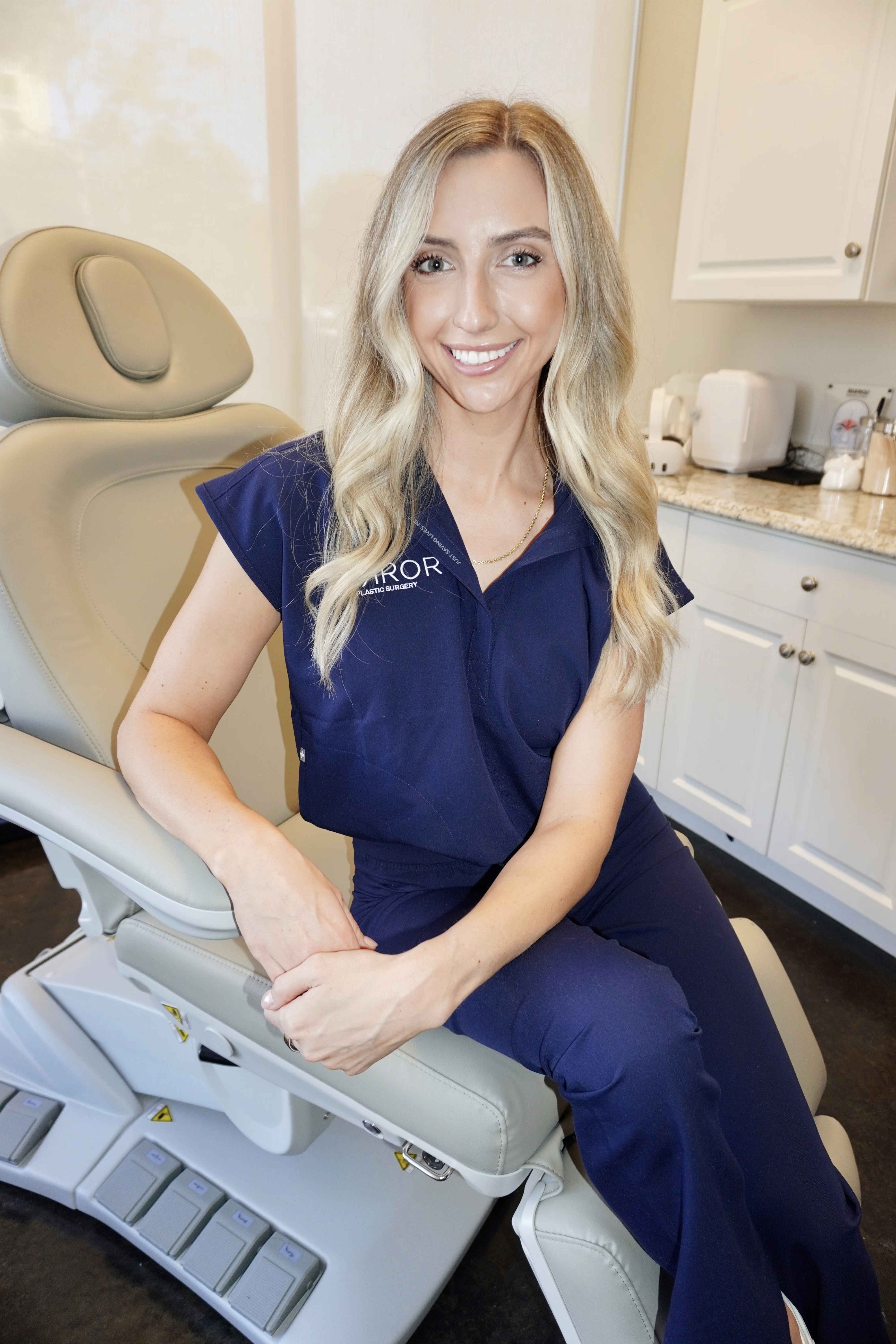
Ellie Pranckevicius, FNP-BC, blends esthetician training with advanced nursing expertise in peptide therapy. She holds a Bachelor’s in Health Science from Boston University and nursing degrees from the University of South Florida. Four years of Neuroscience ICU experience at Tampa General Hospital give her a strong foundation in complex medical care.
Ellie understands the cosmetic results patients want and the clinical science required to reach those goals safely. Working alongside Dr. Akash Chandawarkar, a Harvard-educated physician and Johns Hopkins-trained plastic surgeon, she leads Mirror’s evidence-based approach to collagen support through personalized peptide protocols.
Custom Glow Stack Protocols at Mirror Plastic Surgery
Mirror’s process begins with a 30 to 60 minute consultation. During this visit, Ellie reviews your medical history, discusses your goals, and orders or reviews lab work when appropriate. She then designs a custom Glow Stack protocol based on your physiology, and treatments are shipped nationwide across the United States.
Patient testimonials frequently describe brighter skin, faster recovery, and visible improvements in hair, skin, and nail health. Mirror’s concierge model provides ongoing support with direct access to Ellie. This medical supervision clearly separates professional peptide therapy from unregulated online products.
Book an appointment with Ellie Pranckevicius to support your collagen synthesis and explore how personalized peptide protocols can help restore a more youthful look to your skin.
Frequently Asked Questions
Are peptides FDA-approved for collagen support?
Many peptides used for collagen support are not FDA-regulated, although they have been used worldwide with clinical trials over many years. The main risk usually comes from unregulated sourcing rather than the peptide itself. Mirror Plastic Surgery offers medically supervised peptide therapy with quality-tested products and thorough patient support.
How does GHK-Cu increase collagen production?
GHK-Cu, a copper peptide, increases collagen production by upregulating collagen genes and supplying copper as a cofactor for lysyl oxidase, the enzyme that cross-links collagen. It also supports tissue remodeling and reduces inflammation that can interfere with collagen synthesis. These actions make it useful for skin rejuvenation and wound healing.
What are the risks of using peptides without medical guidance?
Using peptides without medical guidance carries risks such as unknown product quality, incorrect dosing, and missed screening for medical conditions or drug interactions. Without third-party testing, products may contain low active content or contaminants, which can lead to poor results or serious health issues.
Do peptide results differ from person to person?
Peptide therapy results vary between individuals. Genetics, diet, lifestyle, and the specific protocol all influence outcomes. Mirror Plastic Surgery focuses on personalized evaluation, including medical history and lab analysis, to design protocols that match each person’s physiology and goals.
Is maintenance therapy needed to keep collagen benefits?
Maintenance therapy usually helps sustain collagen benefits over time. When peptide therapy stops, effects often fade gradually, similar to stopping exercise or other wellness routines. Consistent maintenance supports ongoing collagen synthesis and overall tissue health.
Next Steps with Mirror Plastic Surgery
Supporting collagen synthesis works best when you pair biochemical knowledge with modern peptide therapies and safe medical oversight. Mirror Plastic Surgery combines scientific rigor with personalized care, which offers a safer and more consistent option than unregulated peptide sources.
Book an appointment with Ellie Pranckevicius to support your collagen synthesis and start a professionally supervised peptide plan for healthier, more youthful-looking skin.
Contact Information:
Phone: 727-361-6515
Email: hello@mirrorplasticsurgery.com
Address: 780 4th Ave S, St. Petersburg, FL 33701
Instagram: @mirrorplasticsurgery, @dr.akashplasticsurgery
*Disclaimer: Results may vary from person to person. Editorial content, before and after images, and patient testimonials do not constitute a guarantee of specific results.
*Disclaimer: Peptide therapy is intended for wellness and optimization purposes and is not prescribed to diagnose, treat, cure, or prevent disease unless specifically stated. Many peptides are not FDA-approved and may be used off-label. Some have limited long-term safety data, with a potential for unknown risks, complications, or desensitization with prolonged use.
