

Last updated: February 21, 2026
Key Takeaways for Upper Eyelid Recovery
- Swelling and bruising peak on days 2-4, but most patients return to work and social activities within 7-14 days.
- Final results appear at 3-6 months as swelling fades and scars soften and blend with natural eyelid creases.
- Head elevation, cold compresses for 48-72 hours, limited screen time, gentle activity, and anti-inflammatory nutrition support smoother healing.
- Mirror Plastic Surgery’s low-volume schedule and Dr. Akash’s precise techniques reduce trauma and support faster, more comfortable recovery.
- Patients ready for refreshed eyelids with minimal downtime can book a consultation with Mirror Plastic Surgery for a personalized recovery plan.
Why Mirror Plastic Surgery Patients Heal So Smoothly
Mirror Plastic Surgery limits the schedule to 1-2 surgeries per day, while many high-volume practices perform 5-10 procedures daily. This focused schedule allows Dr. Akash and his team to devote full attention to surgical detail and hands-on post-operative care for each patient. The practice follows a safety-first, function-second, aesthetics-third philosophy, so every step supports healthy healing as well as attractive results.
Advanced methods such as ultrasound-guided pre-operative assessment and careful tissue handling reduce surgical trauma and lymphatic disruption. This precise approach often leads to less swelling and bruising, a more comfortable recovery, and natural-looking eyelid contours.
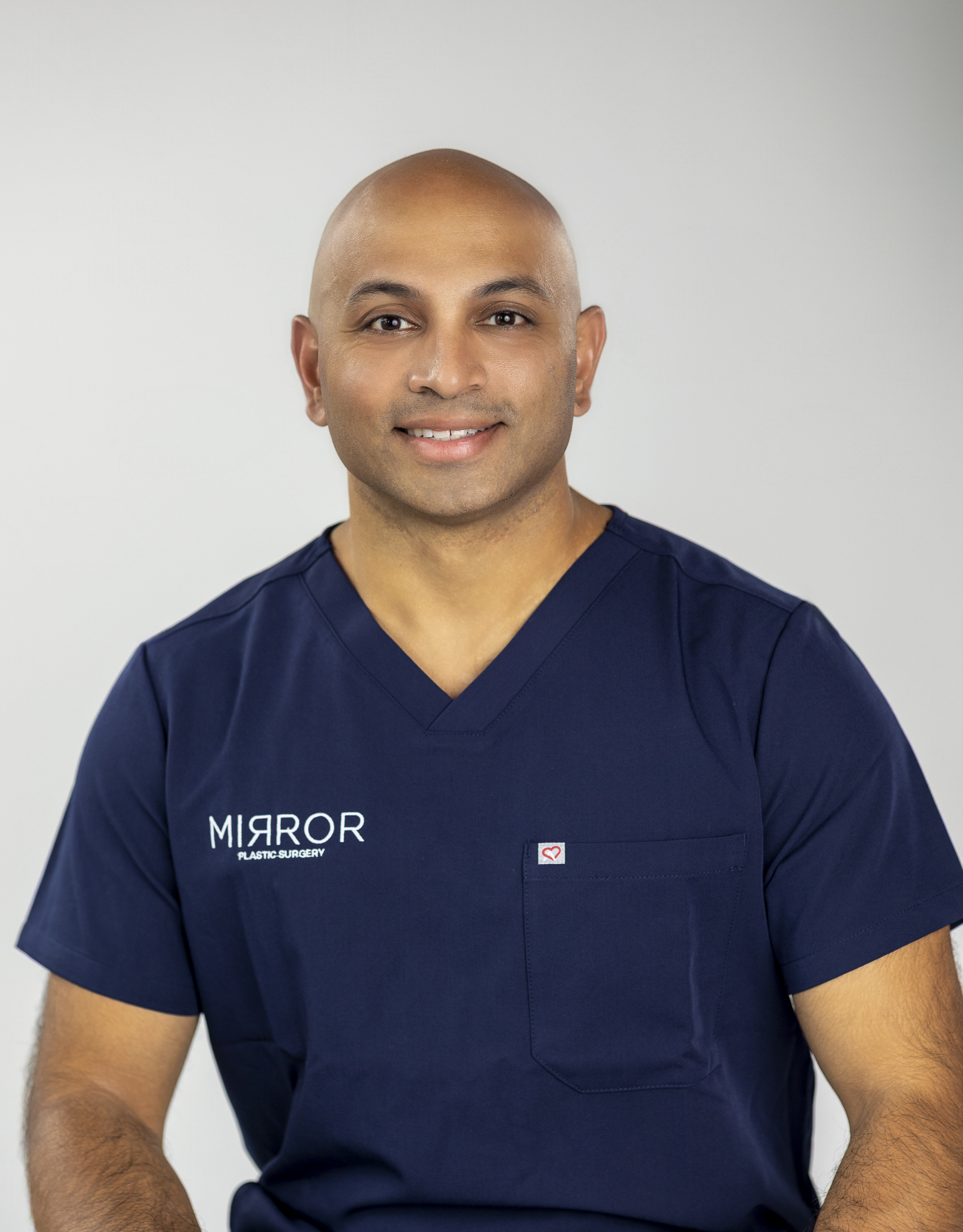
Meet Dr. Akash Chandawarkar: Focused on Precise, Natural Eyelid Results
Dr. Akash Chandawarkar brings extensive training to upper blepharoplasty, including Harvard-MIT medical education, a Johns Hopkins plastic surgery residency, and fellowship training at Manhattan Eye, Ear & Throat Hospital. His background also includes Stanford Biodesign innovation training, which keeps him at the leading edge of surgical techniques and technology.
As a board-certified plastic surgeon through the American Board of Plastic Surgery, Dr. Akash focuses on upper blepharoplasty techniques that improve eyelid function and create natural, refreshed aesthetics while supporting efficient healing.
Upper Blepharoplasty Basics and Typical Recovery Pattern
Upper blepharoplasty removes excess skin and fat from the upper eyelids, which can reduce hooding, improve peripheral vision, and ease eye strain. Upper eyelid surgery usually heals faster than lower eyelid procedures, with shorter downtime, lower complication rates, and a quicker return to daily routines.
Most patients experience 7-14 days of visible healing, with upper eyelid surgery often requiring only 5-7 days of true downtime. Lower eyelid surgery usually needs 2-3 weeks. Clear knowledge of this timeline helps patients schedule time off and recognize normal healing milestones versus symptoms that require a call to the surgeon.
Day-by-Day Upper Blepharoplasty Recovery Guide
Immediate Post-Op (Day 0-1): Laying the Groundwork
Right after surgery, most patients feel minimal pain but may see slight oozing from the incision lines. Cold compresses should be used for 10-15 minutes every hour during waking hours for the first two days to limit swelling. The eyelids can feel tight, and fully closing the eyes may feel difficult for a short time.
Recovery photos from this stage would show mild puffiness with clean, straight incision lines. Consistent cold compresses and keeping the head elevated above heart level help promote lymphatic drainage and reduce fluid buildup around the eyes.
Peak Swelling and Bruising (Days 2-4): Toughest Stretch
Swelling usually peaks around days 2-3, and the eyelids can look tight and puffy. This period often feels like the hardest part of recovery. Bruising commonly appears as purple or blue discoloration around the eyes due to normal inflammation and slower venous drainage in delicate eyelid tissues.
The eyelid area has limited lymphatic drainage, so swelling tends to collect there. Mirror Plastic Surgery’s gentle, precise techniques help reduce tissue trauma, which can soften the intensity of this peak phase. Patients should expect this temporary worsening, followed by steady improvement.
Week 1 (Days 5-7): Turning the Corner
Stitches are usually removed between days 5-7, which feels like a major step forward. By days 10-14, about 70-80% of swelling has resolved, and bruising fades through color changes. Purple and blue tones shift to green and yellow as the body breaks down and reabsorbs blood products.
Many patients feel ready for light work or remote tasks during this time, while still avoiding strenuous activity. Recovery photos from this stage would show a much more normal appearance, with softer swelling and more defined eyelid contours.
Weeks 2-4: Back to Social and Work Life
Most patients can apply makeup around day 10, which helps cover any remaining discoloration. Many people return to full social and professional activities during weeks 2-4. By weeks 4-6, about 90% of swelling has resolved, and scars begin to flatten and lighten.
Contact lenses can often be worn again once the surgeon confirms that healing has progressed well. With consistent scar care and sun protection, incision lines continue to blend into the natural eyelid crease.
Month 1 and Beyond: Settling Into Final Results
Final results typically appear between 3 and 6 months as the last traces of swelling disappear and scars fully mature. The new eyelid contour and improved visual field feel normal by this point, and scars usually become very difficult to see.
Patients should contact their surgeon right away if they notice sudden vision changes, severe pain, marked redness, or any signs of infection at any stage of recovery. Book a consultation with Dr. Akash to review your goals and receive a customized recovery plan.
Simple Dos and Don’ts for Faster Upper Eyelid Healing
Essential Dos for a Smooth Recovery:
- Sleep with your head elevated above heart level for the first two weeks using pillows or a wedge to support drainage.
- Use cold compresses regularly during the first 48-72 hours.
- Stay hydrated and focus on anti-inflammatory foods such as berries, leafy greens, and omega-3-rich options.
- Wear sunglasses outdoors to shield healing tissues from the sun and wind.
- Use prescribed eye drops or artificial tears as directed to prevent dryness.
Critical Don’ts to Avoid Setbacks:
- Avoid heavy lifting, vigorous exercise, and bending for at least two weeks to keep blood pressure stable.
- Skip television, computer, and phone use for 2-3 days to reduce eye strain and swelling.
- Do not sleep on your side until after week 1, and then use pillows for support as you transition.
- Stop alcohol for two weeks and keep caffeine intake modest.
- Limit sodium to reduce fluid retention and inflammation.
Clearing Up Common Myths: The restriction on television and phone use exists because focusing on screens triggers repeated eye muscle contractions that increase local blood flow and swelling. Dry eye symptoms occur in 22.9–29.0% of patients, depending on technique, but modern muscle-sparing approaches significantly lower this risk.
Current Trends and Planning Your Next Steps
Upper blepharoplasty often improves more than appearance, since it can expand peripheral vision and reduce the need to raise the eyebrows to see clearly. Current 2026 trends favor minimally invasive methods and tailored recovery plans that match each patient’s healing pattern and lifestyle.
Many patients choose to combine upper blepharoplasty with procedures such as brow lifts for a more complete upper facial refresh. Clear expectations about recovery timing help patients plan work, travel, and combined treatments with confidence. Book a consultation with Dr. Akash to explore how upper blepharoplasty can support both visual function and facial rejuvenation.
Frequently Asked Questions
How long does it take to heal from upper blepharoplasty?
Most visible healing occurs within 7-14 days, and many patients return to work and social activities by two weeks. Full healing and final results usually take 3-6 months as swelling resolves and scars mature. The upper eyelid heals faster than the lower eyelid because of better blood supply and simpler anatomy.
What are the worst days after blepharoplasty?
Days 2-4 usually feel like the hardest days, since swelling and bruising peak during this window. Eyelids look most puffy and discolored, but this temporary change is normal and expected. Regular cold therapy and head elevation help ease discomfort and support faster improvement.
When can I sleep on my side after blepharoplasty?
Most patients avoid side sleeping for at least one week after surgery. After week 1, many can slowly return to side sleeping while using pillows to keep the head slightly elevated. Most people resume their preferred sleeping positions by weeks 2-3 as swelling decreases.
How does upper blepharoplasty recovery compare to lower eyelid surgery?
Upper blepharoplasty recovery is usually shorter and easier than lower eyelid surgery. Upper eyelid procedures often require 5-7 days of downtime, while lower eyelid surgery can require 2-3 weeks. Better blood supply and simpler anatomy in the upper eyelid lead to less swelling, less bruising, and quicker healing.
How can I reduce bruising after upper blepharoplasty?
Consistent cold compresses for 10-15 minutes every hour during the first 48-72 hours help reduce bruising. Keeping the head elevated, avoiding blood-thinning medications and supplements when medically appropriate, staying hydrated, and following all post-operative instructions also limit bruising.
When can I shower after upper blepharoplasty?
Most patients can take a gentle shower the day after surgery, while keeping direct water away from the eye area for the first week. A washcloth can be used to clean around the eyes, keeping the incision lines dry until the surgeon gives clearance.
When can I return to exercise after upper eyelid surgery?
Light walking usually starts within 2-3 days to support circulation. More intense exercise should wait for about 2 weeks to avoid spikes in blood pressure that could worsen swelling or cause bleeding. Many patients receive full exercise clearance around weeks 2-3, depending on individual healing.
Why should I limit phone and TV use after blepharoplasty?
Screen time requires focused eye movements and repeated muscle contractions that increase blood flow to the surgical area. This extra strain can worsen swelling and slow recovery. Limiting screens for the first 2-3 days gives eyelid tissues time to settle and begin healing.
Your Personalized Path to Smooth Upper Eyelid Recovery
Upper blepharoplasty recovery usually follows a predictable 7-14 day course when guided by expert care and clear instructions. Knowing what to expect from peak swelling on days 2-4 through final results at 3-6 months helps patients feel calm and prepared.
Mirror Plastic Surgery’s concierge-style care, combined with Dr. Akash’s precise techniques and individualized protocols, supports excellent outcomes with minimal downtime. The practice’s focus on safety, eyelid function, and natural aesthetics helps patients reach their goals while protecting long-term eye health.
Book a consultation with Dr. Akash today to start your plan for refreshed, functional, and naturally balanced eyelids.
Schedule Your Upper Blepharoplasty Consultation
Patients interested in improving both vision and eyelid appearance can schedule an upper blepharoplasty consultation at Mirror Plastic Surgery in the Tampa Bay area.
Contact Information:
Phone: 727-361-6515
Email: hello@mirrorplasticsurgery.com
Address: 780 4th Ave S, St. Petersburg, FL 33701
Instagram: @mirrorplasticsurgery, @dr.akashplasticsurgery
Tampa Bay residents can text or call to arrange a personalized one-hour consultation to review upper blepharoplasty goals and recovery expectations.
Disclaimer: Results may vary from person to person. Editorial content, before and after images, and patient testimonials do not constitute a guarantee of specific results.
