
Last updated: January 26, 2026
Key Takeaways
- Upper eyelid blepharoplasty recovery follows a predictable timeline because of thin skin and limited lymphatic drainage, with swelling peaking on days 2-3.
- Days 1-3 are the most challenging, with maximum puffiness and bruising. Use cold compresses and keep your head elevated to manage symptoms.
- By weeks 2-3, about 70-80% of swelling resolves, so most people feel ready for social activities and makeup around days 10-14.
- Final natural results appear between 3-6 months as scars mature and the last bit of swelling fades.
- Experience personalized concierge care for a smoother recovery with Mirror Plastic Surgery and Dr. Akash.
Concierge-Level Care at Mirror Plastic Surgery
Mirror Plastic Surgery follows a concierge medicine model and performs only 1-2 surgeries per day. This schedule gives you focused attention throughout your recovery. The low-volume approach supports careful monitoring and personalized guidance at every step.
Our philosophy places safety first, function second, and aesthetics third. We use accredited surgical facilities, board-certified anesthesiologists, and advanced tools such as ultrasound for precise pre-operative assessment. This thorough planning reduces complications and supports a smoother, more predictable recovery. Book a consultation with Dr. Akash to experience this level of care.
Why Patients Choose Dr. Akash for Upper Eyelid Surgery
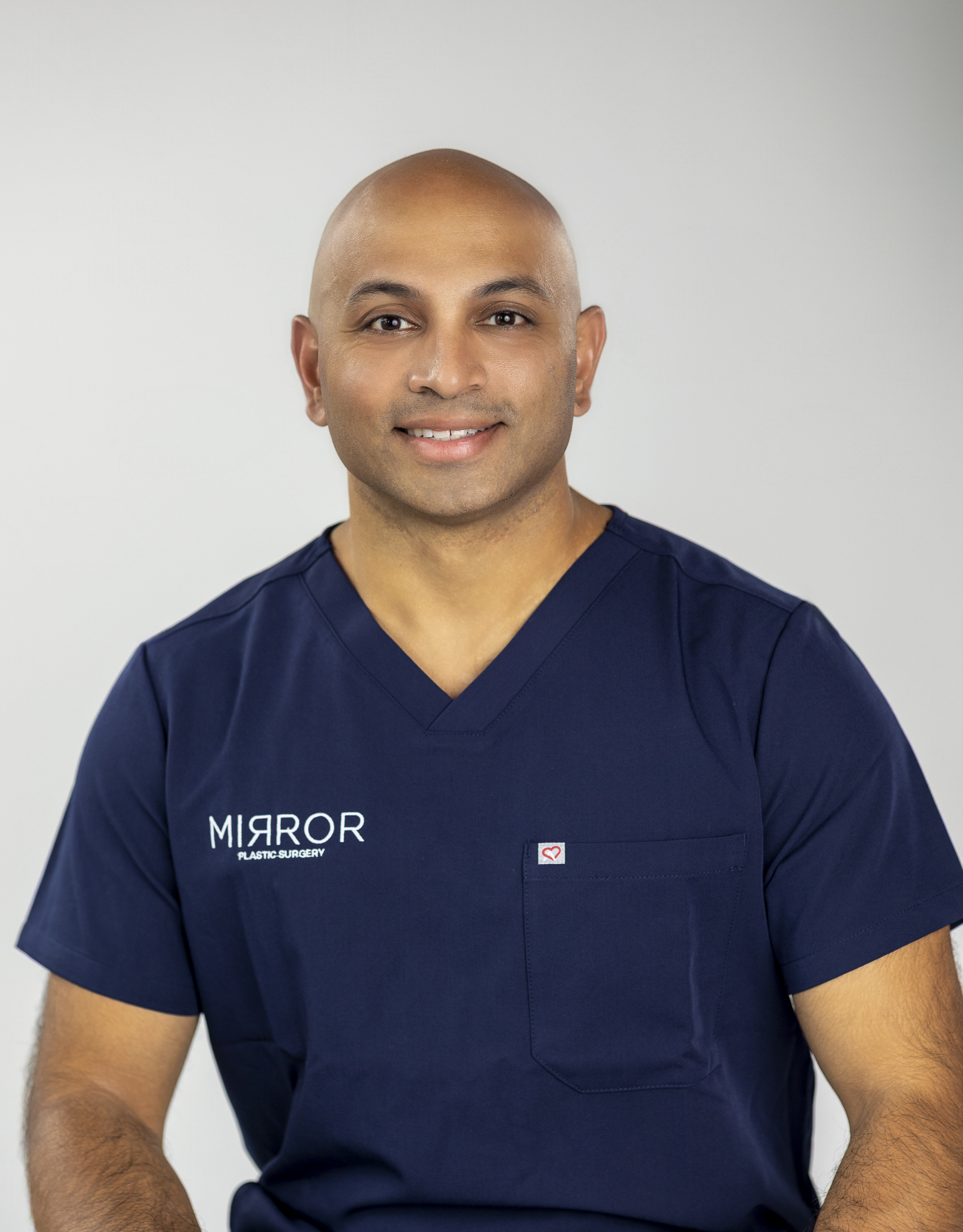
Dr. Akash Chandawarkar offers advanced training and a calm, educational approach to upper eyelid surgery. He trained at Harvard Medical School and completed his residency at Johns Hopkins, followed by a dedicated aesthetic surgery fellowship at Manhattan Eye, Ear & Throat Hospital (MEETH).
His background also includes medical innovation training at Stanford University, which keeps him at the leading edge of surgical techniques. He is board-certified by the American Board of Plastic Surgery and often spends up to an hour in consultation. During this time, he explains your anatomy, healing process, and recovery timeline so you feel prepared and confident.
How Eyelid Anatomy Shapes Your Recovery
The structure of the eyelid explains why upper blepharoplasty recovery follows a consistent pattern. Thin eyelid skin and limited lymphatic drainage create predictable swelling patterns. Gravity also encourages fluid to collect in the upper eyelids during the early healing phase.
Upper eyelid surgery usually involves less fat manipulation than lower blepharoplasty, which supports a faster recovery. The incision hides in the natural eyelid crease, so healing remains discreet. The underlying muscle can bruise, which creates the familiar color changes during the first week. Knowing these anatomical details helps you set realistic expectations and plan your schedule.
Upper Blepharoplasty Recovery Timeline: What to Expect
Days 1-3: Immediate Post-Op and Peak Swelling
Swelling usually peaks around days 2-3 after surgery. Your eyelids may look tight, puffy, and purple, and this period often feels like the hardest part of recovery. Some people notice temporary blurry vision from swelling and ointments.
This peak happens because the eyelid’s limited lymphatic system becomes briefly overwhelmed by post-surgical fluid. Gravity encourages this fluid to pool in the soft eyelid tissues. Swelling, bruising, and discomfort typically reach their highest point within 48 to 72 hours after surgery.
Rest plays a major role during these first days. Apply cold compresses for 10-15 minutes every hour while awake to reduce swelling. Keep your head elevated about 45 degrees, including during sleep, to support drainage and limit fluid buildup.
Days 3-7: First Week Healing and Color Changes
Healing usually speeds up between days 3-7 as the lymphatic system clears more fluid. Bruises often shift from purple and blue to green and yellow as your body breaks down blood products in the tissues.
Itching can appear as nerve endings wake up, which signals normal healing. Sutures are usually removed between days 7-10, depending on your progress. Many patients feel ready for light work and video calls as swelling improves, although some prefer to wait until week two for public or professional appearances.
|
Phase |
Symptoms |
Care Tips |
Milestones |
|
Days 1-3 |
Peak puffiness, bruising |
Cold compresses, elevate head |
Lubricating drops, focused rest |
|
Days 3-7 |
Fading colors, mild itching |
Warm compresses, gentle cleansing |
Typical timing for suture removal |
Weeks 2-3: Major Swelling Reduction
By days 10-14, about 70-80% of swelling has usually resolved. Bruising continues to fade and often disappears by the end of week 3. Most people feel comfortable returning to social events and regular work during this period.
Makeup around the eyes usually becomes safe around days 10-14, once cleared by your surgeon. Concealer can help cover any remaining discoloration. Your eyes may still tire more quickly with long periods of reading or screen time, so short breaks help. Incision lines start to flatten and fade, becoming less noticeable each day.
Months 1-3: Refinement and Scar Fading
By weeks 4-6, about 90% of swelling has resolved, and scars soften into a thin, pale line. Any remaining puffiness continues to decrease gradually. Many people notice the eyelids look freshest in the morning as overnight fluid shifts out of the tissues.
Scar maturation continues throughout this phase. The incision becomes harder to see, and the eyelid contour refines as tissues settle into a stable position.
Months 3-6+: Final Eyelid Results
Final results usually appear between 3-6 months after surgery, once tissues have fully healed. At this point, the enhancement looks subtle and natural, with no obvious signs of surgery.
Some patients notice gentle, ongoing improvements for up to a year as scars mature and tissues adapt. The eyelid crease and contour feel more natural and integrated with the rest of the face.
Real-World Dos, Don’ts, and Common Concerns
Dos: Keep your head elevated while sleeping during the first week, drink plenty of water, and start light walking by day 3 to support circulation. Use prescribed ointments exactly as directed and attend every follow-up visit so your surgeon can track your progress.
Don’ts: Avoid bending over or heavy lifting for about 10 days. Limit early screen time to reduce eye strain, and avoid alcohol and smoking because they slow healing. Avoid lifting, bending, straining, and exercise during the first 10 days after surgery.
Temporary asymmetry is common as each side heals at a slightly different pace. This usually evens out as swelling fades. Most patients can apply eye makeup after days 10-14 and resume exercise gradually after week 3, starting with light cardio before returning to weight training.
Book a consultation with Dr. Akash to map out a recovery plan that fits your lifestyle and schedule.
Frequently Asked Questions
How long until swelling goes down after upper blepharoplasty?
Most swelling improves within 2-3 weeks, with about 70-80% gone by days 10-14. Full resolution usually takes 3-6 months as the lymphatic system clears the remaining fluid and tissues settle. The thin eyelid skin and limited drainage explain this gradual pace.
What are the worst days after blepharoplasty?
Days 2-3 are typically the toughest. Swelling peaks as the lymphatic system adjusts, so the eyelids look most puffy and feel tight. Temporary vision changes can occur from swelling and ointments. This phase is expected and short-lived.
When can I watch TV after eyelid surgery?
Keep screen time very limited during days 1-3 to avoid eye strain. Light TV watching usually feels comfortable later in the first week, as long as you take frequent breaks. Most people tolerate longer screen sessions by week 2 as swelling and irritation decrease.
How does upper versus lower blepharoplasty healing time compare?
Upper blepharoplasty usually heals faster than lower eyelid surgery. Many patients feel ready for regular activities after 1-2 weeks with upper eyelids, compared with 2-3 weeks for lower eyelids. Upper surgery often involves less fat work and benefits from better drainage, which shortens the swelling phase.
What should I expect 3 weeks post blepharoplasty?
Around week 3, most bruising has resolved and swelling has decreased significantly. Your natural eyelid shape becomes clear, and makeup feels comfortable again. Many patients feel fully confident returning to all social and professional activities at this point, while scars continue to fade.
How can I speed up upper blepharoplasty healing?
You can support faster healing by keeping your head elevated during the first week, using cold compresses on days 1-3, then warm compresses afterward, and staying well-hydrated. Follow your medication plan closely. Gentle walking improves circulation, and avoiding activities that raise blood pressure protects the healing tissues.
Plan a Smooth Recovery with Mirror Plastic Surgery
Knowing the upper eyelid blepharoplasty recovery timeline helps you prepare for each stage and reduces anxiety. Swelling peaks around days 2-3, then improves steadily over the next several weeks, which makes planning work and social events much easier.
Choosing Mirror Plastic Surgery and Dr. Akash gives you access to expert care in Tampa Bay with a concierge-style experience. Our focus on safety, function, natural aesthetics, and clear education supports strong healing and high satisfaction.
Book a consultation with Dr. Akash to start planning your personalized upper eyelid blepharoplasty and recovery timeline.
Book a Consultation
Restore a refreshed, youthful look with upper eyelid blepharoplasty tailored to you. Contact Mirror Plastic Surgery to schedule a comprehensive consultation with Dr. Akash.
Phone: 727-361-6515
Email: hello@mirrorplasticsurgery.com
Address: 780 4th Ave S, St. Petersburg, FL 33701
Instagram: @mirrorplasticsurgery, @dr.akashplasticsurgery
Disclaimer
Results may vary between individuals. The information provided in this article is for educational purposes only and should not replace professional medical advice. Editorial content, images, and testimonials are not a guarantee of specific outcomes. Individual healing timelines and results depend on various factors including age, skin quality, surgical technique, and adherence to post-operative instructions.
