

Last updated: January 22, 2026
Key Takeaways
- Florida’s medical license loophole allows untrained MDs and technicians to perform hair transplants, which can cause unnatural results, scarring, and permanent damage from high-volume mills.
- Verify surgeon credentials using FL HealthSource for active licenses without discipline, ABPS for plastic surgery certification, and ABHRS for hair restoration expertise.
- Red flags include technician-led procedures, clinics doing more than 5 cases daily, weak portfolios, and unrealistic pricing. Surgeon-led practices provide safer, more precise care.
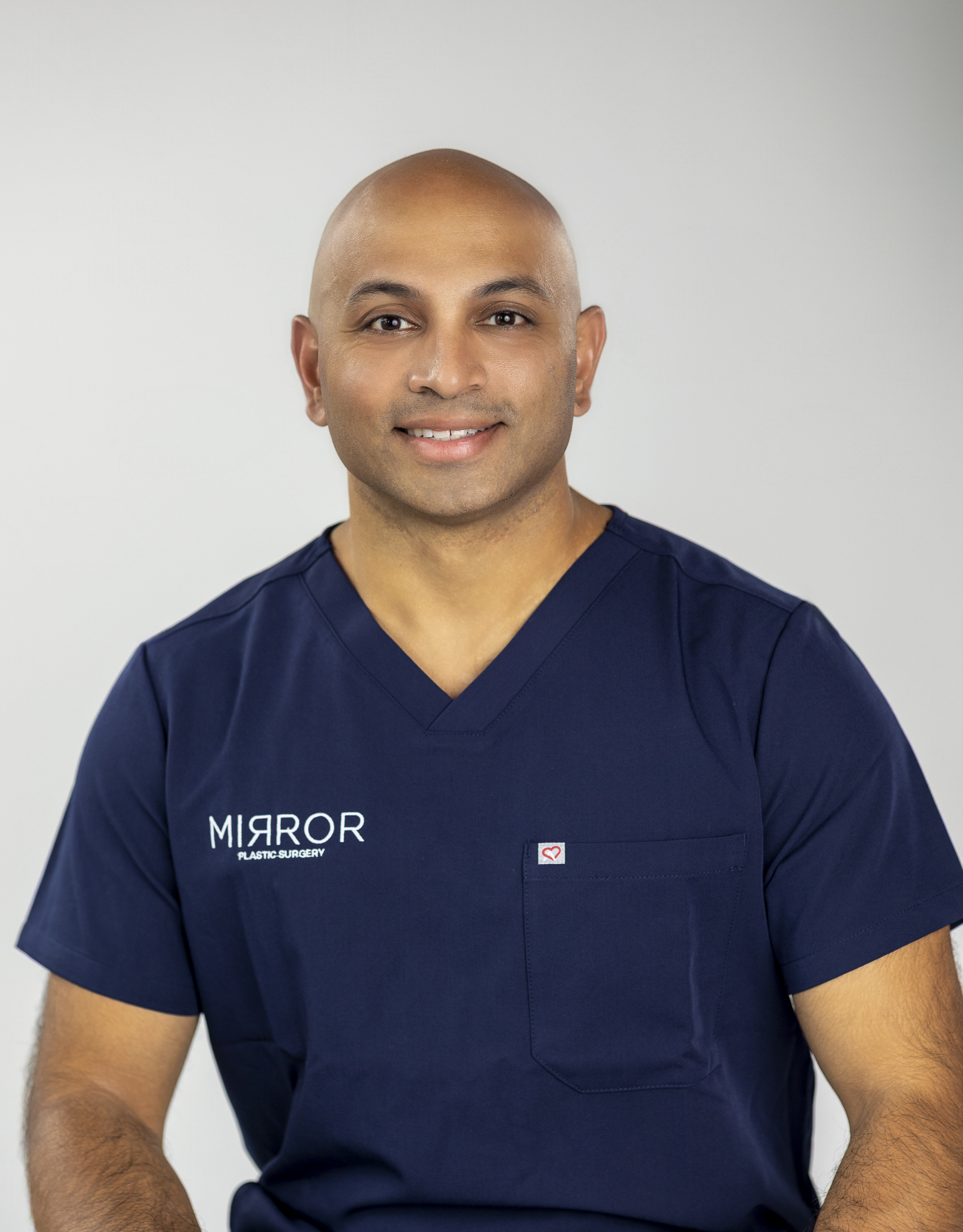
- Dr. Akash at Mirror Plastic Surgery holds elite credentials with Harvard-MIT education, Johns Hopkins residency, and concierge care limited to 1–2 procedures daily.
- Choose board-certified surgeons who prioritize safety and advanced techniques like Acorn Biolabs Secretome. Book a consultation at Mirror Plastic Surgery for personalized hair restoration in Tampa.
Why Mirror Plastic Surgery & Dr. Akash Stand Out in Tampa
Mirror Plastic Surgery follows a concierge medicine model that puts safety first, function second, and aesthetics third. This philosophy contrasts with high-volume mills that rush through multiple cases each day to increase revenue. At Mirror, Dr. Akash often spends up to an hour on the initial consultation, giving you a detailed, top-to-bottom assessment that assembly-line clinics cannot provide.
Dr. Akash brings rare training to the Tampa Bay aesthetic community. He studied at Harvard-MIT and earned his medical degree from Harvard Medical School. He then completed a plastic surgery residency at Johns Hopkins University, one of the world’s most competitive and respected programs. A dedicated aesthetic surgery fellowship at Manhattan Eye, Ear and Throat Hospital (MEETH) gave him advanced experience with modern cosmetic techniques.
He also completed Stanford University’s Biodesign Innovation Fellowship, which keeps him at the leading edge of medical technology. Board certified by the American Board of Plastic Surgery, he serves on advisory boards for companies that develop new devices and treatments. Mirror Plastic Surgery offers hair restoration with Acorn Biolabs Secretome, injected or topical, under direct surgeon oversight for personalized, safety-focused care.
Why Verifying Hair Transplant Surgeon Credentials in Tampa Protects You
Hair transplantation is delicate microsurgery that requires specific training in follicular unit extraction (FUE) and follicular unit transplantation (FUT). These procedures demand precise knowledge of scalp anatomy, blood supply, and graft survival that general practitioners usually do not have. Florida’s medical license loophole allows any MD to perform these complex procedures without hair-specific training, which creates serious safety risks.
The International Society of Hair Restoration Surgery (ISHRS) states that only qualified surgeons should perform key steps. These steps include medical evaluation, hairline design, recipient site creation, donor harvesting, and graft placement. Registered nurses and technicians cannot legally make incisions or place grafts, yet many Florida clinics still hand off these tasks to unqualified staff.
In 2026, more patients are seeking surgeon-led practices and turning away from mills. New methods like AI-assisted hairline design and improved graft survival protocols require expert supervision from properly credentialed surgeons. Poorly performed procedures can cause permanent scarring and unnatural results that often cannot be fully corrected.
Step-by-Step Checklist to Verify Tampa Hair Transplant Surgeon Credentials
Use this simple checklist to confirm that your surgeon meets high safety and training standards.
1. Confirm Florida Medical License on FL HealthSource
Go to the Florida Department of Health MQA portal and search by the surgeon’s name or license number. Open the full profile and review the “Discipline/Admin Action” section. Look for any violations, malpractice settlements, or regulatory sanctions. An active license with no disciplinary history signals good standing with the Florida medical board.
2. Verify ABPS and ABHRS Certifications
The American Board of Plastic Surgery (ABPS) sets the standard for plastic surgery training. Use the “Verify a Surgeon” tool to confirm certification. ABPS certification requires completion of an accredited plastic surgery residency and passing both written and oral exams.
For hair-specific expertise, search the American Board of Hair Restoration Surgery (ABHRS) directory. ABHRS certification requires primary board certification, documentation of more than 250 hair restoration cases, and a focused subspecialty exam. Surgeons with both ABPS and ABHRS credentials show broad surgical skill and dedicated hair restoration mastery.
3. Review Surgical Training and Fellowships
Look closely at the surgeon’s residency training in plastic surgery, dermatology, or facial plastic surgery. Avoid physicians who only completed general medicine training without formal surgical residency. Fellowship training in aesthetic surgery adds another layer of specialization that often improves cosmetic outcomes.
4. Watch for Serious Red Flags
The ISHRS warns about technician-led procedures that break medical practice rules. Concerning signs include technicians performing incisions or placing grafts, high-volume clinics doing more than 4 or 5 cases a day, and weak before-and-after galleries with pluggy hairlines or visible scarring. Clinics that advertise guaranteed results or extremely low prices also deserve extra scrutiny.
5. Evaluate Photos, Reviews, and the Consultation
Ask to see a large gallery of before-and-after photos that show natural hairlines and consistent density. Read RealSelf reviews and Google ratings to understand real patient experiences. During your consultation, ask clearly, “Will you personally perform all surgical steps?” A qualified surgeon will answer yes and explain their role in each part of the procedure.
Myths, Smart Questions, and Florida-Specific Warnings
Common Myths Debunked
- “Any dermatologist can perform hair transplants” is false. Hair restoration requires specialized surgical training beyond standard dermatology.
- “Technician experience matters more than surgeon credentials” is false. Only surgeons should perform incisions and graft placement.
- “All Florida MDs are equally qualified” is false. The license loophole allows untrained doctors to work outside their true expertise.
Essential Questions to Ask Your Surgeon
- “Are you board certified in plastic surgery or dermatology?”
- “Do you hold ABHRS certification for hair restoration?”
- “Will you personally perform every surgical step?”
- “How many hair transplant procedures do you perform each day?”
Florida-Specific Safety Reminders
Florida law does not allow registered nurses or technicians to make surgical incisions or place grafts. Clinics that delegate these steps operate outside the law and put patients at risk. Concierge-style practices limit daily procedures to protect quality and safety. High-volume mills focus on speed and case numbers instead of long-term scalp health.
2026 Tampa Hair Restoration Trends and Your Next Step
Hair restoration continues to evolve with AI-assisted hairline design, refined FUE techniques, and treatments like Acorn Biolabs’ hair secretome therapy. These advances work best under the guidance of surgeons who stay current with research and technology.
More Tampa patients now prefer surgeon-led, concierge practices over discount mills. A model that focuses on precision, careful planning, and long-term scalp health often delivers more natural results and better value over time.
Protect your investment by verifying credentials and choosing a surgeon who prioritizes safety and expertise. Book a consultation with Dr. Akash to experience concierge-level hair restoration care in Tampa.
FAQ: Hair Transplant Rules and Choices in Tampa
Can RNs perform hair transplants in Florida?
No. Registered nurses cannot legally perform hair transplant procedures in Florida. The ISHRS states that only qualified surgeons should make incisions in donor and recipient areas and place grafts with sharp implanters. RNs may help with preparation, anesthesia monitoring, and post-operative care. The surgeon must perform all critical surgical steps. Clinics that allow nurses or technicians to perform these tasks break the law and expose patients to significant risk.
What is ABHRS certification and why does it matter?
The American Board of Hair Restoration Surgery (ABHRS) offers focused certification for hair restoration. Surgeons must first hold primary board certification in a surgical specialty. They then document more than 250 hair restoration cases and pass a detailed exam on FUE, FUT, and related techniques. ABHRS certification shows that the surgeon has dedicated training and experience in hair transplantation beyond basic medical education.
What are the biggest red flags in hair transplant clinics?
Major warning signs include technicians performing surgical steps, clinics doing more than 5 procedures a day, and prices that sit far below typical market rates. Poor quality before-and-after photos with pluggy or uneven hairlines also signal trouble. Be cautious if the clinic will not let you meet the actual surgeon or pressures you to commit quickly. Lack of clear board certifications or vague answers about training should also raise concern.
What is the difference between ABPS and ABHRS for hair restoration?
ABPS, the American Board of Plastic Surgery, certifies surgeons in plastic and reconstructive surgery and provides broad surgical training. This includes some exposure to hair restoration. ABHRS focuses only on hair restoration procedures and related science. ABPS confirms overall surgical competence, while ABHRS confirms deep expertise in hair transplantation, graft survival, and aesthetic hairline design. Many patients prefer surgeons who hold both certifications.
How do I find top hair transplant surgeons in Tampa?
Start by confirming ABPS and ABHRS certifications on the official websites. Then check Florida medical licenses through FL HealthSource and review any disciplinary history. Look for surgeons with residency training in plastic surgery or dermatology rather than general practice. Study before-and-after galleries for natural, consistent results. Choose practices that limit daily procedures and provide direct surgeon involvement. At Mirror Plastic Surgery, Dr. Akash combines Harvard-MIT education, Johns Hopkins training, ABPS certification, and advanced options like Acorn Biolabs Secretome.
What is the difference between technician-led and surgeon-led hair transplants?
In a surgeon-led procedure, a board-certified surgeon performs all critical steps, including hairline design, incision creation, graft harvesting, and placement. This approach supports safety, precision, and natural-looking results. Technician-led procedures hand off surgical tasks to unqualified staff, which increases the risk of complications, scarring, and unnatural patterns. Florida law requires surgeons to perform these surgical steps, so technician-led models are both unsafe and illegal.
Conclusion: Choose Tampa’s Gold Standard for Hair Transplant Safety
Your hair restoration journey deserves careful planning and proven expertise. This verification checklist helps you identify qualified surgeons and avoid problems linked to Florida’s medical license loophole. Confirm Florida licenses on FL HealthSource, verify ABPS and ABHRS certifications, review surgical training, watch for red flags like technician-led procedures, and study portfolios and consultation quality.
Mirror Plastic Surgery and Dr. Akash offer a gold-standard concierge experience in Tampa Bay. With Harvard-MIT education, Johns Hopkins residency, MEETH aesthetic fellowship, and American Board of Plastic Surgery certification, Dr. Akash focuses on safety, function, and aesthetics in that order. The practice limits hair restoration to 1–2 procedures per day and offers Acorn Biolabs Secretome for natural, long-term results.
Do not let regulatory gaps put your scalp or confidence at risk. Choose a surgeon with strong credentials and a safety-first mindset. Book a consultation with Dr. Akash today and experience how concierge care can elevate your hair restoration outcome.
Disclaimer: Results may vary from person to person. Editorial content, before and after images, and patient testimonials do not constitute a guarantee of specific results.
