

Last updated: January 26, 2026
Key Takeaways
- Natural blepharoplasty preserves the eye’s almond shape, maintains eyelid closure, and avoids hollowing or a surprised look through conservative tissue handling and fat repositioning.
- Low-volume concierge practices outperform high-volume facilities by allowing personalized planning and precise anatomical focus for more natural results.
- Modern 2026 techniques such as preservation blepharoplasty, minimally invasive fat repositioning, and AlloClae adipose enhancement emphasize volume restoration instead of aggressive removal.
- Patients should vet surgeons using checklists for board certification, fellowship training, natural result portfolios, and red flags such as rushed consultations or dramatic transformation promises.
- For Tampa’s gold standard in natural eyelid surgery, book a consultation with Dr. Akash at Mirror Plastic Surgery for personalized, safety-first care tailored to your anatomy.
Natural Blepharoplasty Defined: Shape, Function, and Subtlety
Blepharoplasty includes upper and lower eyelid surgery that addresses age-related changes around the eyes. Upper blepharoplasty removes excess skin and repositions fat to restore a smoother, more youthful eyelid contour. Lower blepharoplasty treats under-eye bags, loose skin, and tear trough deformities that create a tired appearance.
Natural results preserve the eye’s inherent almond shape, maintain proper eyelid closure, and avoid visible signs of surgery such as scleral show, hollowing, or a permanently surprised look. The hallmarks of natural blepharoplasty include preserved pretarsal orbicularis muscle volume, balanced fat distribution around the orbital rim, and maintenance of the eye’s natural proportions. Contemporary blepharoplasty emphasizes conservative tissue handling, anatomical preservation, and volume maintenance for natural results.
Modern techniques favor fat repositioning instead of removal, septal tightening, and minimally invasive approaches that reduce hollowing and other complications. The shift from traditional subtractive methods to 2026’s additive approaches represents a major change in eyelid surgery philosophy. Modified transconjunctival lower blepharoplasty with orbital fat repositioning and minimally invasive buried-guiding fixation corrects eye bags and tear trough deformities for a natural, youthful contour. These advanced methods restore volume distribution instead of simply removing tissue, so results enhance rather than alter a patient’s appearance.
Why Low-Volume Practices Deliver More Natural Eyelid Results
Natural blepharoplasty requires precision that high-volume practices often cannot support. Detailed work around the eyelids demands meticulous attention to anatomy, which becomes harder when surgeons perform many procedures each day. Surgeons who complete five to ten surgeries daily may not have enough time for thorough preoperative planning and individualized techniques.
Low-volume concierge practices, which typically perform one to two surgeries daily, allow for in-depth evaluation, customized surgical planning, and focused execution. This model reduces the risk of cookie-cutter techniques that ignore individual anatomical differences. Ectropion rates range from 0% to 11.3%, with higher rates linked to aggressive techniques, while periorbital hollowness occurs in 0%–9.8% of cases. Surgeons can better prevent these complications when they have adequate time for precise fat handling and conservative tissue management.
The concierge model prioritizes safety and function alongside aesthetics. Each patient receives focused attention that supports natural, long-lasting outcomes. This philosophy contrasts with volume-driven practices, where time pressure can compromise the careful anatomical planning that natural blepharoplasty requires.
How Mirror Plastic Surgery Delivers Concierge-Level Eyelid Care
Mirror Plastic Surgery applies the concierge philosophy through hour-long consultations that allow comprehensive anatomical assessment and personalized treatment planning. The team limits the schedule to one to two surgeries daily, so Dr. Akash can devote his full attention to each patient’s unique anatomy and goals.
The practice follows a safety-first, function-second, aesthetics-third approach for every blepharoplasty. This framework protects eyelid function and long-term eye health while still achieving refined, natural results. It stands in clear contrast to practices that prioritize speed or volume.
Book a consultation with Dr. Akash to experience this detailed, personalized approach to eyelid rejuvenation.
Meet Dr. Akash: Training, Innovation, and Patient Focus
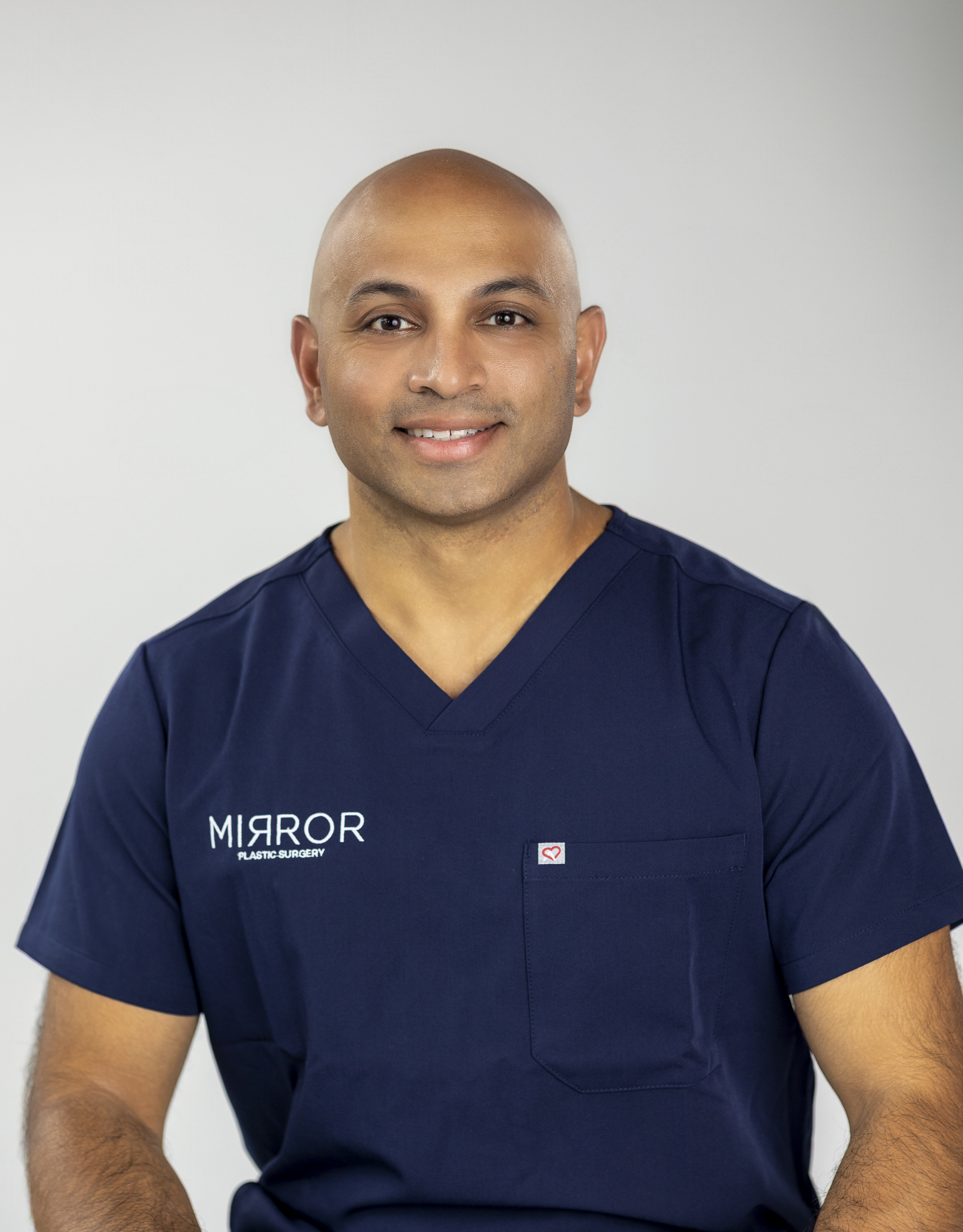
Dr. Akash Chandawarkar brings elite training to blepharoplasty through his Harvard Medical School education, Johns Hopkins plastic surgery residency, and specialized fellowship at the Manhattan Eye, Ear & Throat Hospital (MEETH). His additional medical innovation training at Stanford University keeps him at the forefront of new surgical techniques and technologies.
As a board-certified plastic surgeon with extensive facial surgery fellowship experience, Dr. Akash has trained with leading experts in blepharoplasty and facial rejuvenation. His advisory roles with companies developing new technologies, including Tiger Aesthetics for AlloClae adipose fillers, highlight his commitment to advancing aesthetic surgery.
Dr. Akash emphasizes patient education, honest communication, and individualized treatment plans that respect each patient’s anatomy and aesthetic preferences.
Checklist for Choosing a Surgeon Focused on Natural Eyelid Results
Careful surgeon selection plays a central role in achieving natural blepharoplasty results. Use this checklist to evaluate credentials, experience, and philosophy.
Board Certification and Training:
- Verify American Board of Plastic Surgery (ABPS) certification or equivalent specialty board certification.
- Confirm fellowship training in facial plastic surgery, aesthetic surgery, or oculoplastic surgery.
- Research residency training at reputable academic or high-volume teaching institutions.
Specialization and Experience:
- Assess the surgeon’s specific experience with upper and lower blepharoplasty.
- Ask about surgical volume and philosophy regarding daily patient load.
- Evaluate familiarity with modern techniques such as fat repositioning and preservation methods.
Portfolio and Results Assessment:
- Review before-and-after galleries that show consistent, natural-looking results.
- Look for preserved almond eye shape, no hollowing, and natural eyelid positioning.
- Confirm that photos include different ages, skin types, and anatomical variations.
Red Flags to Avoid:
- Surgeons who promote aggressive fat removal or promise dramatic transformations.
- Practices that rely on steep discounts or high-pressure sales tactics.
- Rushed consultations without a detailed anatomical assessment.
- Lack of hospital privileges or access to accredited surgical facilities.
Key Questions to Ask During Your Consultation
Targeted questions help you understand how a surgeon approaches natural results.
- “How do you prevent a surprised or hollow look in blepharoplasty?”
- “What techniques do you use for fat preservation and repositioning?”
- “How do you customize the procedure for my specific anatomy?”
- “What is your complication rate for issues such as ectropion or scleral show?”
2026 Techniques That Support Natural-Looking Eyelid Surgery
Blepharoplasty in 2026 focuses on preservation and enhancement rather than removal alone. Preservation blepharoplasty uses smaller incisions and less tissue manipulation, which supports faster healing and more natural outcomes.
Fat grafting and repositioning now serve as core strategies for natural results. These methods restore volume around the orbital rim while maintaining the eye’s natural contours. Minimally invasive buried guidance simplifies fat fixation, improves stability, reduces resorption, and lowers complication rates while maintaining high patient satisfaction.
Advanced options such as AlloClae for adipose enhancement and tissue-sparing approaches represent the leading edge of natural blepharoplasty. These innovations restore youthful volume while preserving the orbital septum and surrounding tissues, which helps prevent the hollow appearance linked to older, more aggressive techniques.
Common Pitfalls and Misconceptions About Eyelid Surgery
Certain patterns signal practices that do not prioritize natural blepharoplasty results. Removing too much upper eyelid skin or fat can cause hollow eyes and incomplete eyelid closure, which creates an unnatural, startled appearance. Rushed consultations that skip detailed anatomical review often lead to standardized plans that do not fit individual patients.
High-volume practices may emphasize speed over precision, which can increase the risk of scleral show, ectropion, or periorbital hollowing. Opaque pricing or pressure to bundle multiple procedures can indicate a focus on revenue instead of outcomes. The belief that more dramatic change always looks better often results in over-correction and unnatural results that later require revision surgery.
Frequently Asked Questions
Should I choose an oculoplastic surgeon or a plastic surgeon?
Both oculoplastic surgeons and board-certified plastic surgeons can deliver excellent natural blepharoplasty results, although their training paths differ. Oculoplastic surgeons complete ophthalmology residency followed by fellowship training focused on eyelid and orbital surgery. Plastic surgeons complete broader surgical training with deep knowledge of facial anatomy and aesthetics.
The most important factors include specific experience with blepharoplasty, a philosophy centered on tissue preservation, and a consistent record of natural results. Specialty title alone should not determine your choice.
What are the biggest red flags when choosing a blepharoplasty surgeon?
Major red flags include surgeons who promote aggressive fat removal, guarantee dramatic transformations, or rush consultations without detailed anatomical review. Be cautious with practices that offer steep discounts, use high-pressure tactics, or schedule very high daily surgical volumes.
Lack of board certification, no hospital privileges, or an inability to provide robust before-and-after galleries with natural results should raise serious concern.
What are the newest blepharoplasty methods available in 2026?
Current leading methods focus on preservation and enhancement. These include fat repositioning with minimally invasive buried-guiding fixation, preservation blepharoplasty with smaller incisions, and advanced fat grafting supported by technologies such as AlloClae. Transconjunctival lower blepharoplasty avoids visible external scars while allowing precise fat work.
These techniques maintain natural fat pads and supporting tissues while restoring youthful volume around the eyes.
How can I avoid a surprised look after eyelid surgery?
Patients avoid a surprised look by choosing a surgeon who values conservative tissue handling and anatomical preservation. That unnatural expression usually results from excessive skin or muscle removal, aggressive fat excision, or poorly planned incision placement.
Look for surgeons who emphasize fat repositioning instead of removal, use modern preservation techniques, and show consistent natural results in their portfolios. During consultation, clearly state your goal of maintaining natural eyelid positioning and confirm that the surgeon uses conservative, function-preserving methods.
Is upper or lower blepharoplasty better for natural rejuvenation?
The better option depends on your anatomy and aging pattern. Upper blepharoplasty treats hooded lids and excess upper eyelid skin. Lower blepharoplasty addresses under-eye bags and tear troughs.
Many patients benefit from treating both areas for balanced rejuvenation, although this decision should follow a detailed consultation and examination. Natural results in either procedure rely on conservative tissue handling, preservation of key structures, and customization to your facial features.
Conclusion: Why Surgeon Selection Matters for Natural Eyelid Results
Natural blepharoplasty results depend on thoughtful surgeon selection based on credentials, experience, and philosophy rather than price or volume. The concierge approach at Mirror Plastic Surgery provides the personalized attention and anatomical precision that support subtle, long-lasting outcomes.
Book a consultation with Dr. Akash to see how Harvard-level training, fellowship specialization, and a safety-first mindset can support your goals for natural eyelid rejuvenation.
Disclaimer: Results may vary from person to person. Editorial content, before and after images, and patient testimonials do not constitute a guarantee of specific results.
