

Last updated: February 28, 2026
Key Takeaways
- Swelling peaks within 48-72 hours after upper blepharoplasty. Most visible changes fade in 1-2 weeks, and final results appear over 3-6 months.
- Bruising usually looks deep purple during days 1-3, then shifts to green-yellow by week one. Many upper eyelid patients return to work in 5-7 days.
- Key recovery steps include cold compresses for 10-20 minutes every hour during the first 48 hours, head elevation at 30-45 degrees, and avoiding blood thinners as directed.
- Upper eyelid recovery is typically faster than lower blepharoplasty. About 90% of swelling improves by 4-6 weeks because of simpler anatomy and better lymphatic drainage.
- Experience personalized concierge care and tailored results with Mirror Plastic Surgery’s Dr. Akash, and book your consultation today.
Why Patients Choose Mirror Plastic Surgery for Upper Blepharoplasty
Mirror Plastic Surgery follows a concierge medicine model with only 1-2 surgeries scheduled each day. High-volume practices may perform 5-10 procedures daily, which can divide attention. This focused schedule allows Dr. Akash and his team to stay closely involved before, during, and after your upper blepharoplasty.
Our accredited surgical facilities use board-certified anesthesiologists and advanced diagnostic tools such as ultrasound for precise pre-operative assessment. We place safety first, eyelid function second, and aesthetics third. This approach creates natural results that respect your anatomy instead of dramatic changes that might affect eyelid movement.
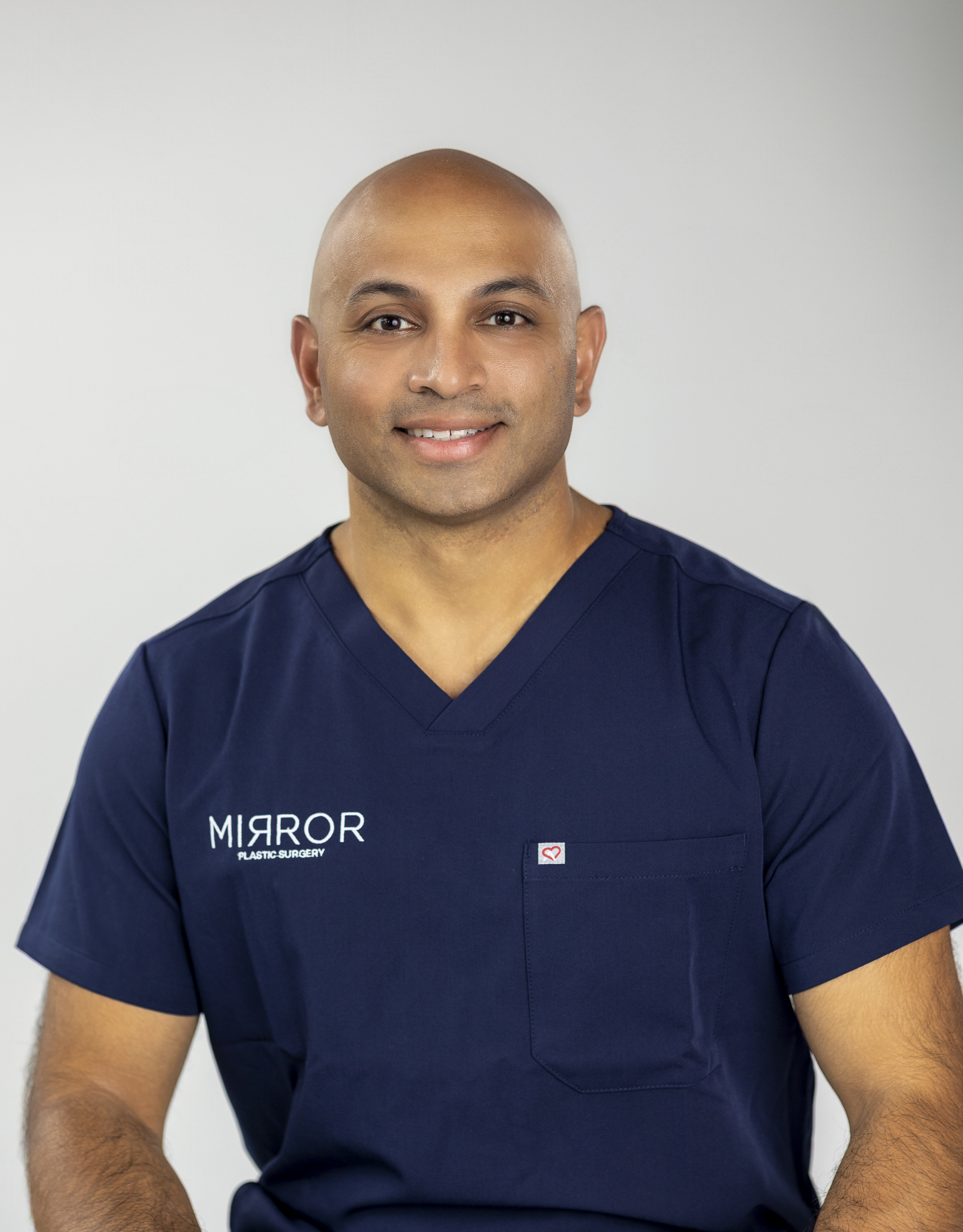
Meet Dr. Akash: Neuroscience-Guided Eyelid Surgery Expertise
Dr. Akash Chandawarkar brings a neuroscience background to his understanding of post-surgical swelling. He studied at MIT, then earned his medical degree with honors from Harvard Medical School. His seven-year integrated plastic surgery residency at Johns Hopkins University and aesthetic fellowship at Manhattan Eye, Ear & Throat Hospital provide deep experience in upper eyelid procedures.
He combines scientific rigor with a warm, patient-centered style. His goal is to deliver safe, natural results that protect and enhance eyelid function while refreshing your appearance.
The Science Behind Swelling and Bruising After Eyelid Surgery
The eyelid’s anatomy creates unique healing challenges after surgery. Weakening of the orbital septum allows preaponeurotic fat pad herniation, and the thin eyelid skin lacks the strong support structures seen in other facial areas. The delicate superficial lymphatic system of the infraorbital area and the barrier effect of the malar septum make fluid drainage more difficult.
Bruising follows a predictable pattern. Color usually appears deep purple to black during days 1-3, then shifts to green-yellow by the end of week one as hemoglobin breaks down. Upper eyelid surgery usually causes less bruising than lower eyelid procedures. Many patients return to work within 5-7 days after upper blepharoplasty, compared with 10-14 days for lower eyelid surgery.
Several factors influence how long swelling lasts. Age, surgical precision, and how closely you follow post-operative instructions all play a role. Evidence-based ways to speed recovery include cold compresses for 10-20 minutes every hour during the first 48 hours, sleeping with your head elevated 30-45 degrees, and avoiding blood-thinning medications as directed.
Day-by-Day Upper Blepharoplasty Recovery Timeline
Days 1-3: Peak Swelling and Early Healing
Swelling usually peaks within 48-72 hours after surgery and creates the most dramatic change in appearance. Your eyelids may look very puffy, and bruising can extend toward the cheeks. This reaction reflects a normal vascular and lymphatic response to surgery.
Essential care during this phase includes:
- Cold compresses for 10-20 minutes every hour while awake
- Head elevation at 30-45 degrees during sleep and rest
- Prescribed pain medication taken exactly as directed
- Gentle eye lubrication with preservative-free drops
- Complete rest with very limited physical activity
Days 4-7: Noticeable Improvement and Suture Removal
Swelling often decreases by about 50% during this period. Stitches are usually removed after 5-7 days when non-dissolvable sutures are used. Bruising starts to lighten and shift from dark purple to softer shades.
Use this checklist during days 4-7:
- Continue arnica supplementation if your surgeon recommends it
- Drink enough water to stay well hydrated
- Avoid bending over or lifting heavy objects
- Skip alcohol during this early healing phase
- Take gentle walks to support circulation
Week 2: Getting Back to Work and Social Plans
Most patients feel comfortable returning to social activities during week two. About 70% of swelling has usually resolved by this point. Many people return to work within 5-7 days after upper eyelid surgery, depending on job demands and comfort level. Makeup can usually be applied to conceal remaining discoloration once your surgeon clears you.
Book a consultation with Dr. Akash to review your personal timeline and any work or travel plans.
Weeks 3-4: Major Swelling Reduction
By weeks 4-6, about 90% of swelling has typically resolved. Some residual swelling can remain for up to three months, especially in older patients. Mild puffiness in the morning that improves during the day is common and normal at four weeks after surgery.
Months 1-3+: Final Eyelid Results Taking Shape
Full results usually become clear after 2-3 months, once most swelling has disappeared. Subtle swelling can continue to improve over several more months. Lingering inflammation may take up to a year to fully settle, depending on genetics and individual healing patterns.
Sleep position restrictions can gradually relax during this period. Many patients resume side sleeping slowly and carefully once cleared by their surgeon and once healing feels stable.
When to Call Your Surgeon:
- Persistent redness or warmth that could suggest infection
- Any vision changes or severe eye pain
- Lagophthalmos, or difficulty fully closing the eyelids
- Swelling that becomes excessive or worsens after an initial period of improvement
Mirror’s Concierge Recovery Protocol for Eyelid Surgery
Our low-volume practice model supports frequent post-operative check-ins and close monitoring. Dr. Akash uses advanced tools, including ultrasound assessment, to track healing and detect potential issues early. This concierge approach avoids rushed follow-up visits that can occur in high-volume settings and supports strong functional and aesthetic outcomes.
Realistic Expectations and Common Recovery Concerns
Many patients notice eyelid tightness during the first weeks, which usually reflects normal healing instead of a complication. Concerning signs include lagophthalmos, ectropion, or entropion, which require prompt evaluation. Unrealistic expectations about instant results often create unnecessary stress. Final outcomes take time and usually require several months to fully appear.
Book a consultation with Dr. Akash to review your questions and set clear, realistic goals for your surgery.
Frequently Asked Questions About Upper Blepharoplasty Recovery
How long does bruising last after upper eyelid surgery?
Bruising usually peaks within the first 3-5 days and then fades significantly over 7-10 days. The color often shifts from deep purple-black to green-yellow as healing progresses. Most patients can cover remaining discoloration with makeup by week two. Age, skin thickness, and use of blood-thinning medications can affect how long bruising lasts.
What is the fastest way to reduce swelling after blepharoplasty?
Cold compresses used for 10-20 minutes every hour during the first 48-72 hours provide the strongest swelling control. Keeping your head elevated 30-45 degrees while sleeping and resting supports lymphatic drainage. Avoiding sodium, alcohol, and strenuous exercise during the first week also helps swelling resolve more quickly. Arnica may offer extra anti-inflammatory support when your surgeon recommends it.
Is it normal to be swollen 4 weeks after blepharoplasty?
Subtle swelling at four weeks is normal and expected. About 90% of swelling usually improves by 4-6 weeks, but mild puffiness can last for several months. Morning swelling that eases as the day goes on is especially common during this stage. Healing speed varies with age, genetics, and overall health.
How does upper eyelid recovery compare to lower eyelid surgery?
Upper eyelid surgery usually heals faster and with less bruising and swelling than lower blepharoplasty. Most upper eyelid patients return to work within 5-7 days. Lower eyelid procedures often require 10-14 days before work or social activities feel comfortable. The simpler anatomy and stronger lymphatic drainage of the upper eyelid explain much of this difference.
When can I apply ice after upper blepharoplasty?
Cold compresses should start immediately after surgery and continue for the first 48-72 hours. After this early period, the inflammatory response changes, and gentle warmth may help circulation and healing more than cold. Always follow your surgeon’s specific instructions, since your case may call for a customized plan.
Planning Your Upper Blepharoplasty With Mirror Plastic Surgery
A clear understanding of the upper blepharoplasty recovery timeline helps you move forward with confidence. Swelling peaks within 48-72 hours, most visible changes improve within 1-2 weeks, and final results appear over 3-6 months. Mirror Plastic Surgery’s concierge model and Dr. Akash’s focused expertise support strong outcomes through personalized care and evidence-based recovery protocols.
Book a consultation with Dr. Akash today to discuss your goals and design a customized upper blepharoplasty plan.
Book a Consultation With Mirror Plastic Surgery
Patients across Tampa Bay trust Mirror Plastic Surgery for precise, natural-looking upper blepharoplasty. Contact our office to schedule your comprehensive consultation with Dr. Akash.
Phone: 727-361-6515
Email: hello@mirrorplasticsurgery.com
Address: 780 4th Ave S, St. Petersburg, FL 33701
Instagram: @mirrorplasticsurgery, @dr.akashplasticsurgery
Schedule Your Upper Blepharoplasty Consultation
Disclaimer: Results may vary from person to person. Editorial content, before and after images, and patient testimonials do not constitute a guarantee of specific results.
