

Last updated: January 26, 2026
Key Takeaways
- Upper eyelid surgery recovery usually brings mild to moderate discomfort, often 1-4 out of 10, with tightness and pressure more common than sharp pain.
- Most patients return to work in 7-10 days, with about 80% of visible healing by week 2 and full recovery in 3-6 months.
- Cold compresses, head elevation, acetaminophen, and avoiding bending or heavy lifting during the first week support smoother healing.
- Modern techniques deliver high success rates, with more than 90% patient satisfaction and improvements in both vision and appearance.
- Experience personalized concierge care for a smoother recovery with Mirror Plastic Surgery and Dr. Akash.
Concierge-Level Care at Mirror Plastic Surgery
Mirror Plastic Surgery follows a concierge medicine model that keeps the focus on you. The practice performs only 1-2 surgeries per day, instead of the 5-10 procedures often scheduled at high-volume centers. This slower pace supports safety, careful technique, and attentive follow-up. The team prioritizes safety first, function second, and aesthetics third.
Advanced diagnostic tools, such as pre-operative ultrasound and accredited surgical facilities with board-certified anesthesiologists, create a controlled environment for surgery. This detailed approach to upper blepharoplasty supports smoother healing and reduces complications that could delay your recovery.
Dr. Akash’s Training and Approach
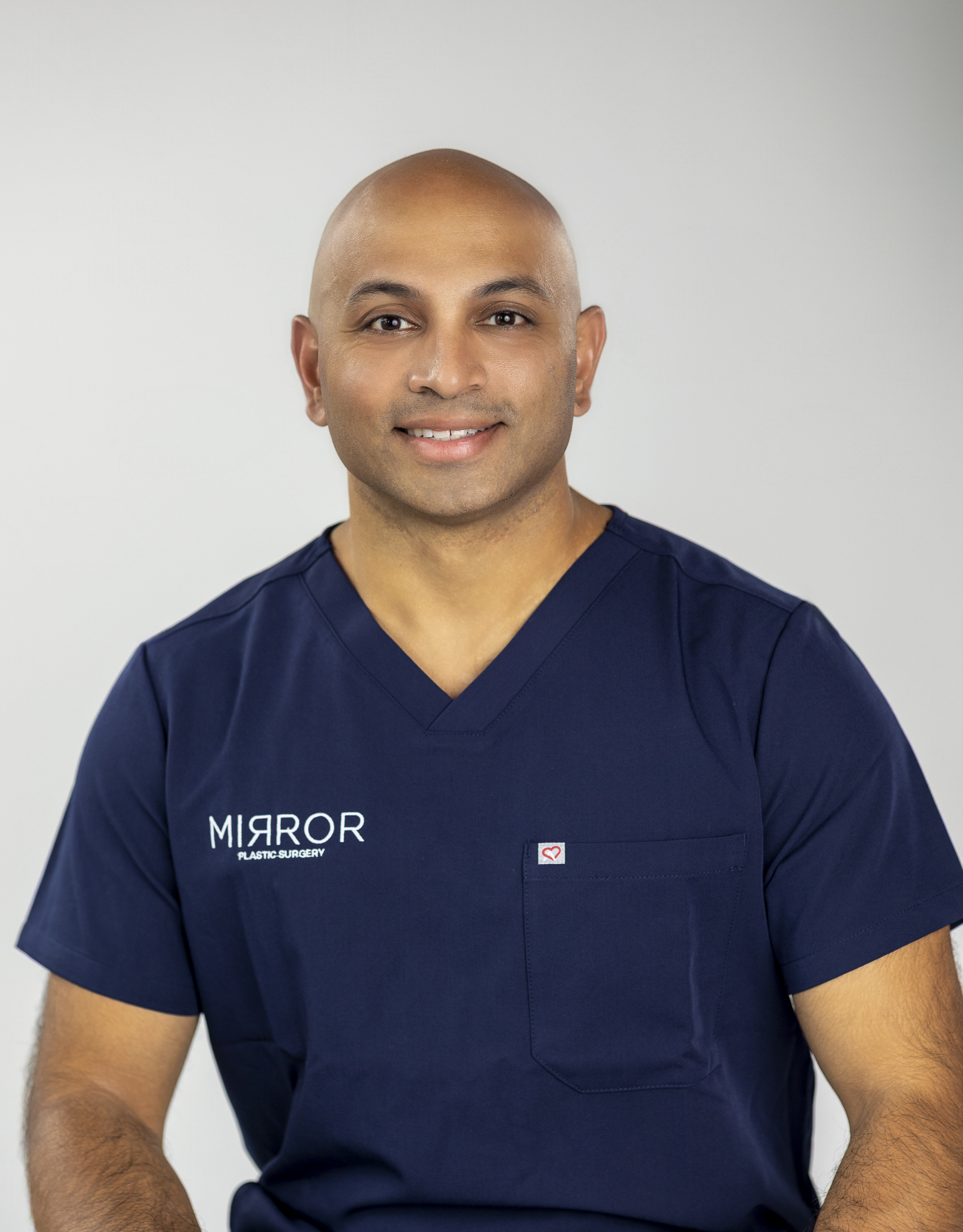
Dr. Akash Chandawarkar brings extensive training to every upper eyelid surgery. He is board-certified by the American Board of Plastic Surgery and graduated with Honors from Harvard Medical School through the Harvard-MIT Division of Health Sciences and Technology program. He completed a seven-year integrated plastic surgery residency at Johns Hopkins University, followed by a dedicated aesthetic surgery fellowship at Manhattan Eye, Ear, and Throat Hospital (MEETH).
He also trained in innovation at Stanford University and serves on the advisory board for Merz Aesthetics. This background supports a precise surgical technique that limits tissue trauma and helps shorten your recovery timeline.
How Eyelid Anatomy Shapes Recovery
Eyelid anatomy explains much of what you feel during recovery. The upper eyelid has thin, delicate skin that covers the orbicularis oculi muscle and small fat pads. During blepharoplasty, Dr. Akash removes excess skin and sometimes fat through an incision hidden in the natural eyelid crease. This careful approach preserves function while refreshing the eyelid contour.
Normal tissue trauma from surgery causes inflammation and bruising that usually peaks within 48-72 hours. Gravity and lymphatic drainage patterns influence how swelling settles around the eyes. Clinical studies show that modern upper blepharoplasty techniques usually cause manageable discomfort. Most patients describe tightness or pressure instead of intense pain.
Day-by-Day Upper Eyelid Recovery Guide
Day 0: Right After Surgery
Right after surgery, expect tightness and mild discomfort around 2-3 out of 10 on the pain scale. Your eyelids may feel heavy as the local anesthesia wears off. Use cold compresses for 10-15 minutes every hour while awake. Keep your head elevated at about 45 degrees when resting or sleeping. Avoid bending over, heavy lifting, or rubbing your eyes. Vision may seem slightly blurry because of the protective ointment placed during surgery.
Days 1-3: Peak Swelling and Bruising
Days 1-3 usually feel like the toughest part of recovery. Pain often reaches 3-4 out of 10 as swelling and bruising peak between 48 and 72 hours. Swelling can look uneven from side to side because of natural anatomy and sleeping position. Continue cold compresses and head elevation during this period. Take prescribed or recommended pain medication exactly as directed. Some patients notice temporary double vision or light sensitivity. Contact your surgeon right away if you feel severe pain, sudden vision changes, fever, or increasing redness, since these can signal complications.
Days 4-7: Noticeable Improvement
By days 4-7, most patients see clear improvement. Pain usually drops to 1-2 out of 10. Swelling starts to decrease, and bruising often shifts from dark purple to yellow-green as it resolves. Sutures are usually removed between days 5 and 7. Light walking and gentle daily activities are typically fine at this stage. Continue to avoid strenuous exercise, bending, and activities that raise blood pressure. Many patients feel ready to return to desk work, and sunglasses can help with comfort and appearance in public.
Week 2: Back to Work and Social Life
By week 2, most visible swelling has improved enough for work and social activities. About 80% of visible recovery is usually apparent at this point, although mild swelling can persist. Light exercise, such as walking or gentle yoga, is often allowed. Driving typically becomes safe once your vision feels stable and you can move comfortably. Many patients begin using makeup to cover any remaining discoloration, as long as the incisions have healed enough and your surgeon approves.
Weeks 3-4: Fading Bruising and Clearer Results
During weeks 3-4, bruising continues to fade, and incision lines become less noticeable. You can usually sleep on your side after the first week, although some patients prefer back sleeping longer for comfort. Most patients resume normal exercise routines after 3-4 weeks, increasing intensity gradually. By weeks 4-5, substantial improvements are visible. Most swelling has resolved, and your eyelids begin to show their more refined, long-term shape.
Months 1-3: Final Healing and Results
Full healing continues over 3-6 months as incision lines mature and any subtle swelling disappears. During this period, your final results become clear. The eyelids typically look natural and refreshed while maintaining normal function. Regular follow-up visits with Dr. Akash allow close monitoring of your healing and give you time to ask questions at each stage.
Comfort and Pain Control After Surgery
Pain control after upper blepharoplasty works best with a multimodal plan instead of relying only on opioids. Enhanced Recovery After Surgery (ERAS) protocols emphasize multimodal analgesia for superior pain control and faster recovery. Acetaminophen (Tylenol) usually forms the base of this plan. Cold compresses during the first 48 hours and head elevation help reduce swelling and discomfort.
Some patients choose arnica supplements, although current scientific support remains limited. Most people find that days 2-3 feel the most uncomfortable. After that, discomfort usually improves quickly. Many patients can sleep on their side after the first week, guided by comfort and their surgeon’s advice.
Emotional Recovery, Myths, and Common Concerns
Emotional recovery often improves as physical healing progresses. Many patients worry about regret before surgery, yet patient satisfaction increases from 25% preoperatively to 96.8% at six months postoperatively. Early asymmetry in swelling is very common and usually reflects anatomy, sleeping position, and individual healing patterns. This uneven look almost always improves as swelling fades.
Knowing that upper blepharoplasty can improve both vision and appearance helps many patients stay patient during the first week. Over time, increased self-confidence and reduced self-consciousness about heavy or hooded eyelids usually outweigh the short-term recovery challenges.
Why Patients Choose Mirror for Blepharoplasty
Mirror Plastic Surgery’s concierge model supports you before, during, and after surgery. Dr. Akash’s advanced training and low-complication track record, combined with the convenient Tampa Bay location, create a strong foundation for safe healing.
The practice’s focus on safety, function, and aesthetics means your recovery receives close, personalized attention that is difficult to match in high-volume settings. Book a consultation with Dr. Akash to see how tailored care can shape your recovery experience.
Frequently Asked Questions
Is upper blepharoplasty recovery painful?
Most patients experience mild to moderate discomfort, usually between 1 and 4 on a 10-point pain scale. The sensation often feels like tightness or pressure instead of sharp pain. Over-the-counter medication such as acetaminophen usually controls discomfort well. Prescription pain medication is rarely needed beyond the first few days.
Which days feel the worst after surgery?
Days 2-3 usually feel like the hardest part of recovery. Swelling and bruising peak during this window, and discomfort often reaches 3-4 out of 10. After day 3, most patients notice steady improvement in both comfort and appearance as swelling starts to decrease.
How long does upper eyelid recovery take?
Most patients return to work within 7-10 days and feel ready for normal social activities by 2 weeks. Light exercise often resumes after 2 weeks, with full exercise usually cleared at 3-4 weeks. Complete healing continues over 3-6 months, although about 80% of visible recovery is typically seen by 2 weeks.
When can I sleep on my side again?
Many patients can safely sleep on their side after the first week, as long as it feels comfortable and their surgeon agrees. Keeping the head elevated during the first week helps limit swelling. Listen to your body and follow your surgeon’s specific guidance.
How successful is upper eyelid blepharoplasty?
Upper blepharoplasty has a strong record of success, with patient satisfaction above 90% in large clinical reviews. Modern techniques keep complication rates low and support natural-looking results. The procedure can relieve vision obstruction from heavy lids and refresh the appearance of the upper eyelids.
Planning Your Upper Eyelid Surgery with a Mirror
Upper eyelid surgery recovery usually follows a predictable pattern with manageable discomfort and long-lasting benefits. Clear expectations for each phase of healing can ease anxiety and support better outcomes. Mirror Plastic Surgery’s concierge model and Dr. Akash’s expertise provide detailed guidance and close follow-up throughout your recovery.
The improvements in vision, eyelid appearance, and confidence often make the short recovery period feel like a worthwhile investment in your long-term well-being. Book a consultation with Dr. Akash today to begin your path toward refreshed, natural-looking eyelids.
Contact Information:
Phone: 727-361-6515
Email: hello@mirrorplasticsurgery.com
Address: 780 4th Ave S, St. Petersburg, FL 33701
Instagram: @mirrorplasticsurgery @dr.akashplasticsurgery
Disclaimer: Results may vary from person to person. Editorial content, before and after images, and patient testimonials do not constitute a guarantee of specific results.
