

Last updated: February 8, 2026
Key Takeaways
- Upper eyelid surgery recovery peaks in swelling and bruising during days 1-3, so ice packs and head elevation are essential for comfort.
- Stitches typically come out on days 5-7, with about 50% swelling reduction by week 1, so many patients return to desk work by days 10-14.
- Light exercise usually resumes at week 3, full activity by week 4, and final results refine over 3-6 months as scars mature.
- Follow strict dos and don’ts such as no heavy lifting, elevated sleep for 2 weeks, and immediate reporting of vision changes or infection signs.
- Mirror Plastic Surgery’s concierge model with Dr. Akash provides personalized care and consistent follow-up, so you feel supported at every step. Book your consultation today.
Why Mirror Plastic Surgery’s Concierge Approach Works
Mirror Plastic Surgery follows a concierge medicine model that focuses on quality over volume. Many practices perform 5-10 surgeries daily, while our team limits the schedule to 1-2 procedures per day. This structure keeps the entire staff focused on you before, during, and after surgery.
This approach allows time for detailed pre-operative assessments, careful surgical planning, and meticulous technique. It also supports thorough post-operative care, so questions and concerns are addressed quickly and clearly.
Our philosophy places safety first, function second, and aesthetics third. Each upper eyelid surgery is tailored to your anatomy, visual needs, and cosmetic goals. We use advanced diagnostic tools and evidence-based protocols to reduce complications and support a smoother recovery.
Meet Dr. Akash: A Focused Upper Eyelid Surgeon in Tampa Bay
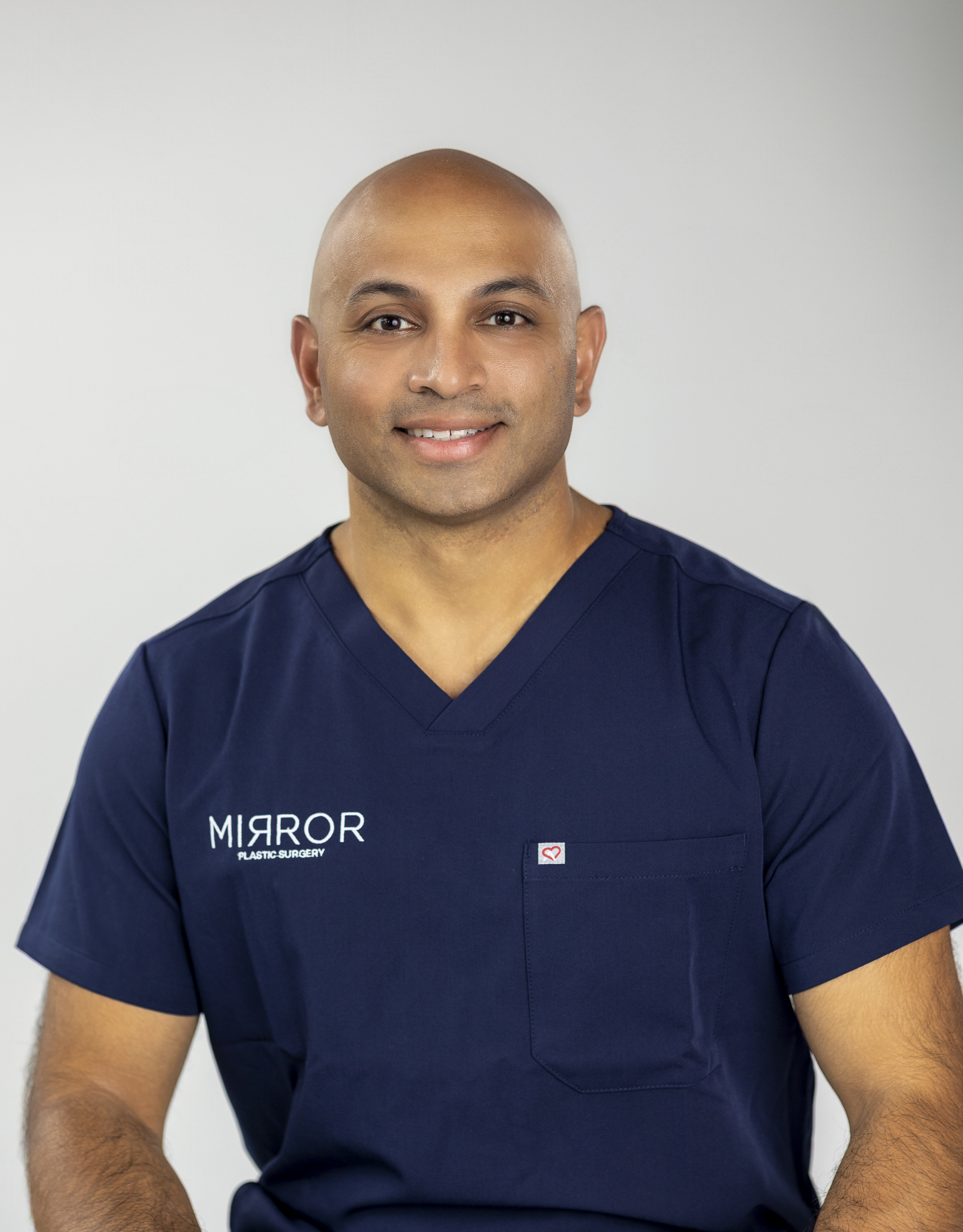
Dr. Akash Chandawarkar brings extensive training and a calm, detail-oriented approach to upper eyelid surgery at Mirror Plastic Surgery. He trained at Harvard Medical School and Johns Hopkins, then completed a dedicated aesthetic surgery fellowship at Manhattan Eye, Ear & Throat Hospital (MEETH). His fellowship included focused training in facial surgery, including upper and lower blepharoplasty.
His background also includes medical innovation training at Stanford University and board certification by the American Board of Plastic Surgery. This combination of technical skill and artistic judgment helps him create natural, functional results that fit your face rather than look “done.”
Upper Eyelid Surgery Recovery Timeline: What to Expect Each Stage
Days 1-3: Swelling, Bruising, and Rest
The first 72 hours usually feel like the most intense part of recovery. Swelling and bruising peak within the first two days after surgery, and bruising often looks dark purple or blue at first. Ice packs applied for 10-15 minutes every hour while awake help control swelling by narrowing blood vessels and calming inflammation.
Sleep with your head elevated above heart level using pillows or a wedge. This position lowers pressure around the eyes and helps fluid drain away from the eyelids. Vision may seem blurry during this time because of protective ointments placed during surgery.
Days 1-3 Checklist:
- Do: Apply ice 10-15 minutes each hour while awake, sleep with your head elevated, take prescribed medications, and use artificial tears as directed.
- Don’t: Bend below your waist, lift more than 10 pounds, strain or hold your breath, or rub your eyes.
Days 4-7 (Week 1): Stitches Removed and Visible Improvement
Most patients notice clear improvement during days 4-7. Stitches usually come out between days 5 and 7, depending on how you are healing. Bruising starts to fade and shift from dark purple to lighter blue or green as the body breaks down trapped blood. Around half of the swelling often resolves during this first week.
Gentle walking is encouraged because it supports circulation and reduces stiffness. Strenuous activity still needs to wait. Many patients feel ready for simple daily tasks and may start working from home if their job is not physically demanding.
Week 2: Returning to Desk Work and Light Social Plans
By days 10-14, most swelling and bruising have improved significantly. Around 70-80% of visible healing is usually complete. Many patients feel comfortable returning to desk work and casual social activities at this stage.
Makeup can be applied gently to cover any remaining discoloration once your surgeon clears you. Some patients still prefer a light concealer, while others feel fine without makeup by the end of week two. Incision lines may look pink or slightly red, which is normal for early healing. Scar massage with a gentle moisturizer can begin once approved by Dr. Akash.
Weeks 3-4: Building Back Exercise and Confidence
Light exercise, such as walking at a faster pace or gentle stationary cycling, usually resumes around week 3. Most patients return to their normal exercise routine between weeks 3 and 4, as long as they avoid direct trauma to the eye area. Scars keep fading and often benefit from a switch from cold to warm compresses, which supports circulation and tissue remodeling.
Any remaining swelling is typically mild and most noticeable to you rather than to others. Energy levels usually feel back to normal, and patients often feel fully comfortable in both professional and social settings.
Months 1-3 and 4-6: Refinement and Final Results
Most patients feel fully recovered by three months, although subtle refinements continue through month six. During this time, scars mature and flatten. When placed in the natural eyelid crease, incision lines often become very difficult to see.
Consistent skincare supports long-term results. Use gentle moisturizers, daily sunscreen, and avoid direct sun exposure on the scars. Staying hydrated and eating a diet rich in vitamins C and E helps ongoing tissue repair.
Book a consultation with Dr. Akash to review your goals and walk through our structured recovery and follow-up plan.
Follow-Up Care and Checkpoints at Mirror Plastic Surgery
Our concierge model includes a clear schedule of follow-up visits so you never feel alone during recovery. Typical appointments occur on day 1 after surgery, at week 1 for suture removal, and at months 1, 3, and 6 to track your progress.
During these visits, we check incision healing, eyelid position, and symmetry. We also screen for early signs of complications and adjust your care plan as needed. Patients receive direct access to Dr. Akash for urgent concerns, which provides reassurance during the early healing period.
Call our office immediately if you notice sudden vision changes, severe pain that does not improve with medication, increasing redness or warmth, drainage from the incisions, or new significant asymmetry after initial healing.
Daily Lifestyle Dos and Don’ts During Recovery
Sleep Position: Sleep with your head elevated above heart level for the first two weeks. This simple change helps control swelling and supports fluid drainage away from the eyes.
Screen Time: Limit television, computer, and phone use for the first 48 hours. After that, increase gradually and take breaks every 20-30 minutes to prevent eye strain and dryness.
Hair Washing: Wait 3-5 days before washing your hair. Ask for help if possible, and tilt your head back so water flows away from your eyes and incisions.
Physical Restrictions: Avoid lifting more than 10 pounds for two weeks. Avoiding straining lowers the risk of bleeding and pressure buildup around the eyes by reducing venous congestion in the tight orbital space.
Contact Lenses: Wait at least two weeks before wearing contact lenses again. This pause protects the incisions and lowers the risk of irritation or infection.
Realistic Expectations and Upper vs. Lower Eyelid Recovery
Many patients feel tempted to push past restrictions because they seem overly cautious. These limits exist for a reason. Orbital compartment syndrome can develop if a hematoma expands and raises pressure inside the orbit, which can compress the optic nerve. Activity restrictions help protect your vision and support safe healing.
Marketing often promotes “no-downtime” cosmetic surgery, but realistic expectations usually create better experiences. Upper eyelid surgery often has shorter downtime than many procedures, yet it still requires patience, rest, and careful follow-through with instructions.
Upper eyelid blepharoplasty usually involves a shorter and easier recovery than lower or combined eyelid surgery. Recovery from upper eyelid surgery generally lasts about one to two weeks, while lower eyelid surgery often takes closer to two to three weeks.
Frequently Asked Questions
When do stitches come out after eyelid surgery?
Stitches are usually removed 5-7 days after upper eyelid surgery. The exact timing depends on your healing and on Dr. Akash’s assessment during your first-week follow-up visit. Some patients receive dissolvable sutures that do not require removal.
How long should I sleep with my head elevated after blepharoplasty?
Plan to sleep with your head elevated for the first two weeks after surgery. Use several pillows or a wedge pillow to keep your head at a 30-45 degree angle. This position reduces swelling by supporting lymphatic drainage and limiting fluid buildup around the eyes.
When can I watch TV after eyelid surgery?
You can usually resume watching TV after 48 hours. Take breaks every 20-30 minutes to rest your eyes. Longer viewing sessions can cause eye strain and dryness in the early healing phase, so use artificial tears as recommended to stay comfortable.
How should I wash my hair after blepharoplasty?
Wait 3-5 days before washing your hair. Ask someone to help if you can. Lean your head back so water flows away from your eyes and incisions, use a gentle tear-free shampoo, and avoid scrubbing near the eye area.
How long does it take to look normal after upper eyelid surgery?
Most patients feel “socially ready” within 7-14 days, especially with light makeup to cover any remaining bruising. A completely natural look usually develops over 3-6 months as mild swelling fades and scars mature. Healing speed varies with age, skin quality, and how closely you follow post-operative instructions.
Book a consultation with Dr. Akash to review your personal timeline and design a recovery plan that fits your lifestyle.
Conclusion: A Smooth Upper Eyelid Recovery with Concierge Support
Upper eyelid surgery recovery usually follows a clear pattern, with 7-14 days for social comfort, 3-4 weeks for full activity, and 3-6 months for final refinement. Outcomes improve when you choose a surgeon who prioritizes safety, understands eyelid anatomy, and offers structured follow-up care.
At Mirror Plastic Surgery, Dr. Akash’s focused training and our concierge model give Tampa Bay patients attentive care at every stage of their blepharoplasty journey. Limiting the schedule to 1-2 surgeries per day allows for personalized planning, careful surgery, and detailed follow-up.
Book a consultation with Dr. Akash at Mirror Plastic Surgery to start your upper eyelid surgery journey. Call 727-361-6515, email hello@mirrorplasticsurgery.com, or visit us at 780 4th Ave S, St. Petersburg, FL 33701. Follow our updates on Instagram @mirrorplasticsurgery and @dr.akashplasticsurgery.
Disclaimer: Results may vary from person to person. Editorial content, before and after images, and patient testimonials do not constitute a guarantee of specific results.
