

Last updated: February 1, 2026
Key Takeaways
- Modern blepharoplasty focuses on gentle tissue handling, fat repositioning, and volume preservation to avoid hollow, unnatural eyelids while protecting function.
- Fellowship-trained surgeons in low-volume concierge practices that perform 1 to 2 surgeries daily usually deliver safer, more natural results.
- Red flags include rushed consultations under 30 minutes, high surgical volume of 5 or more cases daily, and portfolios with dramatic or hollowed eyes.
- Evaluate surgeons through 45 to 60-minute consultations, natural-looking before-and-after photos, and clear answers about technique, revision rates, and daily case load.
- Mirror Plastic Surgery in Tampa Bay, led by Dr. Akash, offers preservation-focused eyelid rejuvenation with personalized, timeless results. Schedule a consultation to learn more.
Blepharoplasty and the Natural Results Approach
Blepharoplasty treats aging changes around the eyes, such as excess skin, muscle laxity, and fat prolapse that create bags and sagging. Traditional techniques often removed too much skin and fat, which created hollow, pulled, or artificial results. Current approaches emphasize conservative tissue handling, anatomical preservation, and volume maintenance with methods like fat repositioning and septal tightening. This preservation mindset helps prevent a hollow or windblown look and supports natural eyelid contours and function.
The modern “less is more” philosophy favors fat repositioning instead of removal, combined with minimally invasive techniques, to improve appearance and reduce hollowing and asymmetry. Natural outcomes depend on respecting the balance between upper and lower eyelids, brow position, and overall facial harmony. The goal is a refreshed, rested look that does not appear obviously operated.
Book a consultation with Dr. Akash to review your anatomy and design a customized, preservation-focused eyelid plan.
How to Choose a Surgeon for Natural Eyelid Results
Choosing a blepharoplasty surgeon starts with clear criteria that connect directly to safety and natural outcomes.
1. Fellowship Training
Seek surgeons with dedicated fellowship training in facial or aesthetic surgery, including programs such as Manhattan Eye, Ear & Throat Hospital (MEETH). Fellowship-trained plastic surgeons with facial specialization excel at facial balance and harmony, and oculoplastic surgeons contribute deep eyelid anatomy expertise.
2. Low-Volume Concierge Practice
Surgeons who perform 1 to 2 procedures daily can devote time to detailed assessment, careful surgery, and attentive follow-up. Practices that schedule 5 to 10 surgeries each day often sacrifice individualized attention and may increase the risk of complications.
3. Safety, Function, Then Aesthetics
Top surgeons follow a safety-function-aesthetics hierarchy. They protect your eye health and eyelid function first, then refine appearance. This order supports comfortable blinking, eye closure, and long-term eye health while still achieving attractive results.
4. Natural-Looking Photo Portfolio
Review before-and-after photos that show different ages, genders, and ethnicities with subtle, refreshed changes. Consistently “done,” tight, or hollow results suggest over-excision and a less preservation-focused technique.
5. Thorough, Unrushed Consultations
High-quality surgeons usually spend 45 to 60 minutes reviewing anatomy, expectations, and tailored options. Brief 15-minute visits often signal a high-volume environment that may not support detailed planning.
Warning Signs and Pitfalls to Avoid in Eyelid Surgery
Recognizing red flags early can help you avoid complications and future revision surgery.
• Rushed Consultations
Visits under 30 minutes rarely allow full anatomical evaluation, discussion of goals, and education about risks and benefits.
• High Surgical Volume
Centers that promote many surgeries each day often focus on speed and throughput instead of careful, individualized care.
• Aggressive or Hollow-Looking Portfolios
Before-and-after photos that show dramatic changes, hollow eyes, or pulled lids often reflect aggressive tissue removal.
• No Brow Assessment
Surgeons who skip evaluation of brow position and brow ptosis risk creating unnatural eyelid shapes and creases.
• Limited Functional Evaluation
Quality care includes a review of tear production, eyelid closure, and any vision concerns before surgery.
Ectropion rates can reach 19.2% with aggressive techniques and fall to 3.8% with conservative methods. This difference highlights how surgeon selection and technique directly affect safety.
Why Low-Volume Concierge Care Supports Natural Results
Concierge practices that limit daily case numbers create conditions for safer, more natural eyelid surgery. Surgeons who perform 1 to 2 procedures each day can plan carefully, operate without rushing, and monitor recovery closely. This model often reduces complications and improves satisfaction.
High-volume centers face pressure to move quickly, which can limit detailed planning and meticulous technique. Chemosis occurs in 26.3% of cases overall, with a higher risk when multiple procedures and rushed approaches are combined. Concierge practices support an anatomy-preserving, detail-oriented style that favors natural outcomes over daily case counts.
Why Patients Choose Mirror Plastic Surgery
Mirror Plastic Surgery follows a concierge model and schedules only 1 to 2 surgeries per day, so each patient receives focused attention. The team applies a strict safety-function-aesthetics framework that places your health and comfort first. Dr. Akash’s fellowship training and preservation-based technique aim for timeless, natural eyelid rejuvenation instead of dramatic change.
Located in Tampa Bay, Mirror Plastic Surgery offers anatomy-driven, personalized eyelid care for patients seeking subtle, refined improvement.
Meet Dr. Akash, Preservation-Focused Eyelid Surgeon in Tampa
Dr. Akash Chandawarkar trained at Harvard Medical School and completed plastic surgery residency at Johns Hopkins. He then pursued specialized fellowship training at Manhattan Eye, Ear & Throat Hospital (MEETH) with a focus on facial procedures, including blepharoplasty. His Stanford Biodesign Innovation Fellowship and board certification by the American Board of Plastic Surgery reflect a commitment to evidence-based, advanced techniques.
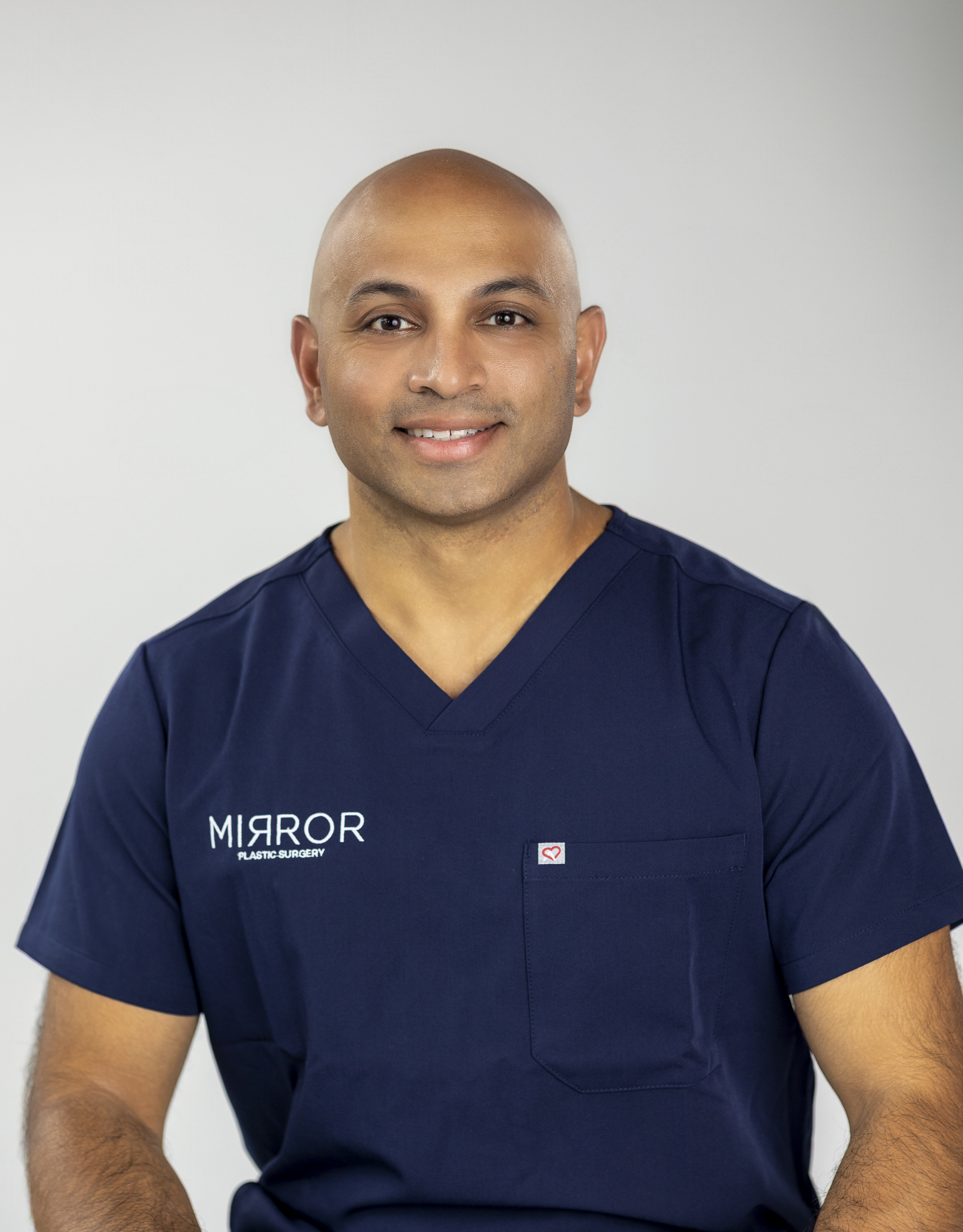
He also serves on advisory boards for leading aesthetic companies, which keeps his practice aligned with the latest preservation-focused technologies and methods.
Current Trends in Natural Blepharoplasty
Blepharoplasty continues to move toward subtle, preservation-first techniques. Laser instruments are growing at a 7.72% CAGR because they improve precision and outcomes. At the same time, a 2026 “enhance, don’t alter” trend emphasizes gentle refinement and natural harmony.
Radiofrequency tools and AI-assisted planning now help surgeons create more predictable, natural results with shorter recovery times. These advances support the preservation philosophy that guides Mirror Plastic Surgery.
Book a consultation with Dr. Akash to explore how these modern techniques can apply to your eyelids.
Frequently Asked Questions
How to Choose Between an Oculoplastic and Plastic Surgeon?
Both oculoplastic surgeons and fellowship-trained plastic surgeons can deliver excellent blepharoplasty results. Oculoplastic surgeons complete ophthalmology residency plus a 2-year fellowship focused on eyelid and orbital surgery, which provides a deep understanding of eyelid anatomy and eye health. Fellowship-trained plastic surgeons with facial specialization bring a broad view of facial balance, proportion, and aesthetics.
The most important factor is focused eyelid expertise and a track record of natural results. Look for surgeons who perform blepharoplasty regularly and can show consistent, subtle outcomes in their portfolio.
What are the Key Red Flags Before Eyelid Surgery?
Major red flags include consultations under 30 minutes, surgeons who perform 5 or more procedures daily, and portfolios with dramatic or artificial results. Additional concerns include skipping brow or eyelid function assessment and avoiding discussion of realistic expectations or possible complications.
Be cautious with surgeons who guarantee specific outcomes, use high-pressure sales tactics, or seem unfamiliar with preservation-based methods. Also, avoid practices that rely on inexperienced surgeons or prioritize volume over care quality.
How to Recognize Natural Blepharoplasty Results?
Natural blepharoplasty maintains ethnic features and facial balance while softening signs of aging. Ideal before-and-after photos show patients who look rested and refreshed, not drastically different. Eyelid contours should appear smooth and full, without hollowing or pulled corners.
Look for appropriate upper eyelid crease height, symmetry between both eyes, and preserved ability to close the eyes completely. The best results make the patient look like a well-rested version of themselves.
What are the Essential Questions to Ask During Consultation?
Helpful questions include: How many blepharoplasty procedures do you perform each year? What is your fellowship training? Can I see photos of patients with anatomy similar to mine? Which technique do you recommend for me and why?
Also ask: How do you manage complications? What is your revision rate? How many surgeries do you perform daily? How do you preserve natural eyelid contours and volume? These questions clarify the surgeon’s experience and philosophy.
What are the Benefits of a Concierge Practice Over High-Volume Centers?
Concierge practices that perform 1 to 2 surgeries daily can invest more time in planning, precise surgery, and detailed follow-up. This structure often lowers complication rates and improves satisfaction compared with high-volume centers.
Low-volume practices support individualized treatment plans and anatomy-preserving techniques instead of rapid turnover. Patients typically experience safer procedures, more natural outcomes, and stronger long-term relationships with their surgical team.
Choosing Mirror Plastic Surgery for Natural Blepharoplasty
Selecting an eyelid surgeon for natural results requires careful review of training, philosophy, and surgical volume. Fellowship-trained specialists who use preservation techniques and work in low-volume concierge settings consistently provide safer, more natural outcomes.
Avoid high-volume mills that prioritize speed over precision and long-term eye health. Schedule a consultation with Dr. Akash to experience Tampa Bay’s concierge approach to natural, preservation-focused blepharoplasty.
Book a Consultation
Patients seeking natural, refreshed eyelids in Tampa Bay can contact Mirror Plastic Surgery using the details below.
Phone: 727-361-6515
Email: hello@mirrorplasticsurgery.com
Address: 780 4th Ave S, St. Petersburg, FL 33701
Instagram: @mirrorplasticsurgery, @dr.akashplasticsurgery
Disclaimer: Results may vary from person to person. Editorial content, before and after images, and patient testimonials do not constitute a guarantee of specific results.
