

Last updated: February 21, 2026
Key Takeaways for Upper Eyelid Scar Healing
- Upper eyelid surgery scars move through inflammation, proliferation, and remodeling phases over about 12 months, fading from pink raised lines to faint marks in the crease.
- Peak lumpiness and redness between 2 and 6 weeks reflect normal collagen production and usually settle by 3 to 6 months, when 80 to 90 percent of the final result appears.
- The eyelid’s thin skin and strong blood supply support faster healing than most facial areas, so many patients return to work in 5 to 7 days.
- Silicone gels, gentle massage, and strict sun protection help scars flatten, soften, and fade during the remodeling phase.
- Mirror Plastic Surgery focuses on precise technique and personalized care that minimizes scars, so you can book your consultation today.
Why Mirror Plastic Surgery Scars Heal Thin and Discreet
Mirror Plastic Surgery follows a concierge model that limits surgery volume and protects quality. Instead of five to ten operations per day, Dr. Akash typically performs one or two. This schedule allows meticulous attention to incision design and suturing that helps minimize scar thickness.
His approach follows a clear priority order: safety first, eyelid function second, and aesthetics third. He tailors incision placement and closure to each person’s eyelid shape and crease height. This careful planning and execution often produce thinner, faster-fading scars that blend into the natural fold, unlike rushed procedures that can leave more visible lines.
Book a consultation with Dr. Akash to experience this focused approach to scar minimization.
Dr. Akash’s Background in Natural-Looking Eyelid Surgery
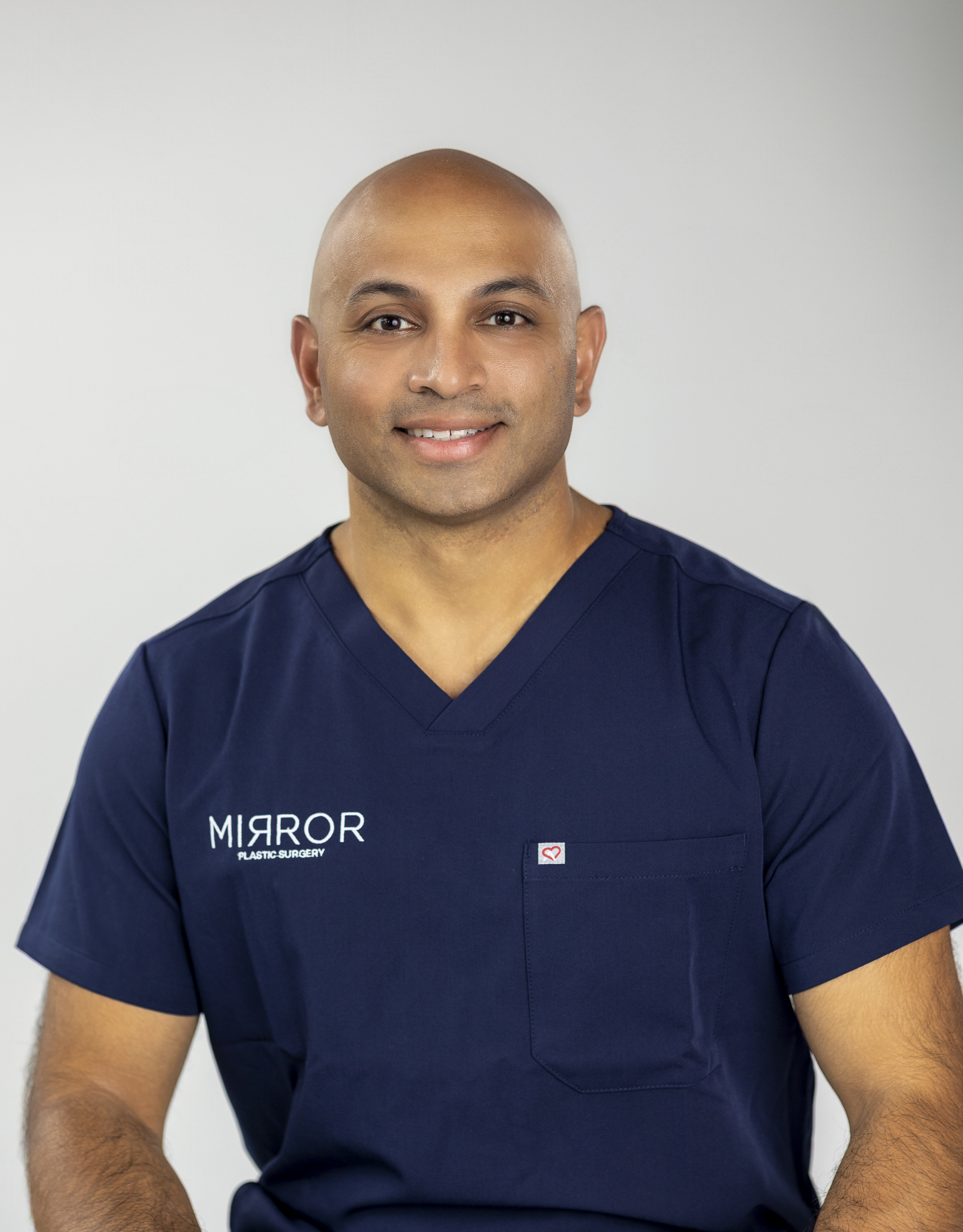
Dr. Akash Chandawarkar offers advanced expertise in upper blepharoplasty backed by top-tier training. His education includes Harvard-MIT for medical school, a plastic surgery residency at Johns Hopkins, and an aesthetic fellowship at Manhattan Eye, Ear & Throat Hospital.
He is board-certified by the American Board of Plastic Surgery, which reflects rigorous training and testing in safety and technique. His fellowship experience in facial procedures, including blepharoplasty, supports precise suturing and natural eyelid shaping. This combination helps create refreshed eyes without an “overdone” look.
How Eyelid Anatomy Shapes Scar Healing
Scar maturation follows three main phases: inflammation from 0 to 2 weeks, proliferation from 2 to 6 weeks, and remodeling from about 1 month to 1 year or longer. During inflammation, blood, proteins, and healing cells seal the incision and form the early framework of the scar.
The proliferation phase brings rapid collagen production. This activity creates the raised, firm, and often red appearance that many patients notice around six weeks. Collagen continues building between weeks 2 and 6, so scars can look more noticeable even while healing well.
During remodeling, the body reorganizes this collagen into stronger, smoother tissue. Scars flatten, soften, and lighten as this process continues. The eyelid’s thin, flexible skin and excellent blood supply help each phase move more quickly than in thicker skin areas, which supports finer, more subtle scars.
Week-by-Week Upper Blepharoplasty Recovery and Scar Changes
Days 1–7: Incisions usually look pink and slightly raised as inflammation begins. Swelling and bruising peak during this first week. Suture care and hygiene matter most during this time. Cold compresses and sleeping with your head elevated help reduce swelling and discomfort.
Days 8–14: Incisions often settle into fine lines as early scar maturation starts. Sutures are usually removed during this window. Many patients can begin wearing makeup to cover mild discoloration, as long as the incisions are closed and your surgeon approves.
Weeks 2–6: The proliferation phase becomes more obvious. Collagen production peaks, so scars can look red or pink and slightly lumpy or raised. Residual swelling can add to this effect. This stage often causes worry, yet it reflects normal, healthy healing rather than a problem.
Months 3–6: Scars typically fade and flatten significantly during this period, and 80 to 90 percent of the final result becomes visible. By about two months, most patients notice a clear improvement in color and texture. By six months, scars usually appear as thin, pale lines that sit within the natural crease. Most visible change occurs in these first 3 to 6 months of remodeling.
Months 6–12+: Around one year, the upper eyelid crease often looks like a soft pencil line that disappears into the fold when the eyes are open. Scars reach full maturity by about 12 months. At that point, they are typically flat, faint, and hard to see at conversational distance.
Evidence-based scar care can support this timeline. Silicone gels and sheets hydrate the skin and help flatten and soften raised areas. Gentle circular massage with clean fingertips, once the incision is fully closed and cleared by your surgeon, can help break up collagen bundles and improve flexibility. Consistent sun protection throughout the year prevents darkening and protects the delicate eyelid skin.
Normal Scar Concerns After Upper Blepharoplasty
Lumpy or red scars at six weeks are the most common concern after upper eyelid surgery. During weeks 2 to 8, scars often look red or pink and slightly raised because collagen is still forming and swelling has not fully resolved. This appearance usually reflects normal healing rather than a complication.
Many patients worry that this stage represents a permanent result or a surgical mistake. In reality, fine swelling and incision maturation can continue for 2 to 3 months after surgery. Texture and color often keep improving throughout this period. Mirror Plastic Surgery focuses on clear education before and after surgery, so you understand what each phase should look like.
Book a consultation with Dr. Akash for detailed guidance tailored to your eyelids.
How Upper and Lower Eyelid Surgery Recovery Differently
Upper eyelid blepharoplasty usually heals faster and feels easier than lower eyelid surgery. Recovery after lower eyelid surgery often lasts 2 to 3 weeks, while upper eyelid recovery typically falls in the 1 to 2 week range.
Lower eyelids tend to swell and bruise more, which can extend downtime. Upper eyelid incisions sit in an area with less skin tension and stronger blood flow, which supports quicker healing. Many upper eyelid patients feel ready to return to work in 5 to 7 days. Lower eyelid surgery often requires about 10 to 14 days before most social or work activities feel comfortable.
2026 Advances in Blepharoplasty Scar Care
Current scar management combines refined surgical technique with modern topical treatments. Advanced silicone formulations help maintain hydration and support smoother collagen organization. Precise suturing methods limit tissue trauma and tension along the incision line, which can reduce scar thickness.
Intradermal collagen injections into periorbital scars resolve itching, reduce redness and visible blood vessels, and can create thin, nearly invisible scars. Protocols that combine careful surgery, silicone therapy, massage, and sun protection often outperform older, single-modality approaches.
How to Choose a Surgeon for Subtle Upper Eyelid Scars
Fellowship training in facial plastic surgery gives surgeons deeper experience with eyelid anatomy and crease design. This background supports precise incision placement inside the natural fold and careful tissue handling.
Board certification by the American Board of Plastic Surgery confirms broad training in wound healing and advanced suturing techniques. These skills matter for scar quality as much as for safety. Choosing a surgeon with extensive facial and eyelid experience increases the chance of scars that hide naturally in the crease.
Frequently Asked Questions About Upper Eyelid Scars
How long do blepharoplasty scars take to fade?
Upper blepharoplasty scars usually fade over about 12 months. Most patients notice clear improvement between 3 and 6 months as scars change from pink and raised to thin, pale lines in the crease. In around two months, many people already see 80 to 90 percent of the final look. By one year, scars often become very hard to see in normal conversation.
How can I flatten lumpy blepharoplasty scars?
Lumpy scars at around 6 weeks usually reflect normal collagen buildup during the proliferation phase. Once your surgeon confirms that the incisions are fully closed, a gentle circular massage and silicone gel can help soften and smooth the area. Most lumpiness improves on its own between 3 and 6 months as the scar remodels.
When does an upper eyelid surgery scar start to look normal?
Upper eyelid scars often look close to normal between 3 and 6 months. By about one month, many scars are already hard to see at conversational distance. Over the next several months, the pink, raised line gradually flattens and lightens. By 12 months, the scar usually blends into the natural crease and becomes difficult to detect.
When can I wear makeup after eyelid surgery?
Most patients can resume makeup after suture removal, which usually occurs 7 to 14 days after surgery. Makeup can help cover mild bruising or discoloration during early healing. Avoid placing products directly on the incision until your surgeon confirms that the skin is fully closed and stable, which helps reduce the risk of irritation or infection.
What causes upper blepharoplasty scars to sit too high?
Scars that appear too high often result from incisions placed outside the natural eyelid crease or from removing too much skin. Surgeons with fellowship training in eyelid surgery understand the detailed anatomy that guides proper crease height. Choosing a board-certified plastic surgeon with strong facial experience lowers the chance of a visible, high scar.
What is the best silicone option for eyelid scars?
Silicone gels work well for eyelid scars because they are lightweight and easy to apply to delicate skin. Most protocols recommend daily use for 12 to 24 hours per day for at least 3 to 6 months, starting once the incision is fully closed. Combining silicone with gentle massage can improve circulation and help smooth uneven collagen.
Why do blepharoplasty scars stay red for a while?
Redness often persists during the proliferation and early remodeling phases because blood vessels remain active to support healing. Color usually peaks between weeks 2 and 6, then fades from bright red to pink and eventually to a tone closer to the surrounding skin. Sun exposure can prolong redness, so consistent sun protection is essential.
Final Thoughts on the 12-Month Upper Eyelid Scar Journey
Upper blepharoplasty scars usually follow a steady, predictable path from pink, raised lines to faint marks hidden in the crease over 12 months. Knowing this timeline helps you recognize that temporary redness, lumpiness, or firmness almost always reflects normal healing.
Book a consultation with Dr. Akash to learn how precise technique and thorough education can support smoother recovery and subtle, natural-looking scars.
Disclaimer: Results may vary from person to person. Editorial content, before and after images, and patient testimonials do not constitute a guarantee of specific results.
