

Last updated: February 8, 2026
Key Takeaways
- Medical spa good-faith exams (5-15 minutes) lack the comprehensive lab analysis needed for safe, personalized peptide therapy.
- Concierge medicine offers 30-60 minute consultations with full labs (thyroid, hormones, inflammation markers) for custom protocols.
- Thorough evaluations support precise peptide stacks for inflammation, autoimmune conditions, weight management, and anti-aging.
- Mirror Plastic Surgery provides batch-tested peptides, 24/7 access, remote nationwide service, and integration with surgical care.
- Experience personalized peptide care at Mirror Plastic Surgery, and book with Stephanie for lab-driven wellness planning.
Why Traditional Medical Spas Fall Short for Peptide Therapy
Medical spas must complete good faith exams (GFEs) before offering aesthetic treatments. These evaluations include a medical history and a focused physical exam of treatment areas, and they work well for straightforward cosmetic procedures.
GFEs are required before medical aesthetic treatments and must be completed by licensed medical professionals. They usually last 5-15 minutes and meet basic documentation rules. However, they must be documented as full SOAP notes by MD, DO, NP, or PA providers, yet they rarely include the detailed lab work that peptide personalization requires.
|
Feature |
Medical Spas |
Concierge Medicine (Mirror) |
|
Consult Length |
5-15 min GFE |
30-60 min in-depth review |
|
Diagnostics |
Basic history/exam, no labs |
Full labs (thyroid, hormones, CRP) |
|
Volume/Focus |
High-volume, cosmetics |
Limited patients, function/safety |
|
Peptide Suitability |
Generic, symptom-masking |
Lab-driven custom stacks |
The high-volume structure of many medical spas limits the depth of evaluation for peptide therapy. Providers often work without comprehensive lab panels that assess thyroid function, inflammatory markers, or hormonal balance. Without this data, they cannot reliably identify root causes or tailor peptide protocols to the individual.
This surface-level approach may reduce symptoms for a short time. It does not correct underlying physiological dysfunction, which reduces long-term safety and results.
How Concierge Medicine Elevates Aesthetic and Peptide Care
Concierge medicine offers longer appointments, same-day scheduling, and direct physician access. This model focuses on prevention, long-term planning, and a strong relationship between patient and provider.
Concierge practices keep smaller patient panels, which allows unhurried visits that explore lifestyle, habits, and goals. This time creates space for deeper conversations about symptoms, history, and expectations from peptide therapy.
In peptide care, concierge medicine centers the process on comprehensive laboratory analysis. Key hormone panels often include total testosterone, free testosterone, SHBG, LH, FSH, and estradiol. These values clarify hormonal influences and guide peptide selection.
Additional testing usually includes thyroid panels (TSH, Free T3, Free T4), inflammatory markers (hs-CRP, ESR), and metabolic assessments. Together, these labs support protocols that match each person’s biology instead of relying on one-size-fits-all regimens.
This detailed process allows custom peptide stacks such as the Glow Stack. That stack may combine GHK-CU for collagen support, BPC-157 for inflammation reduction, and TB500 for tissue repair. Concierge providers study each lab result, then set peptide combinations, dosing, and monitoring plans that reflect the patient’s physiology and wellness goals.
The Mirror Plastic Surgery Concierge Advantage with Stephanie DeSimone, PA-C
Stephanie DeSimone blends training in mathematics, surgical anatomy, and bodybuilding into a precise approach to peptide therapy. She follows a “less is more” philosophy that focuses on internal balance first. She views the body as an interconnected system that deserves full evaluation instead of quick, surface-level fixes.
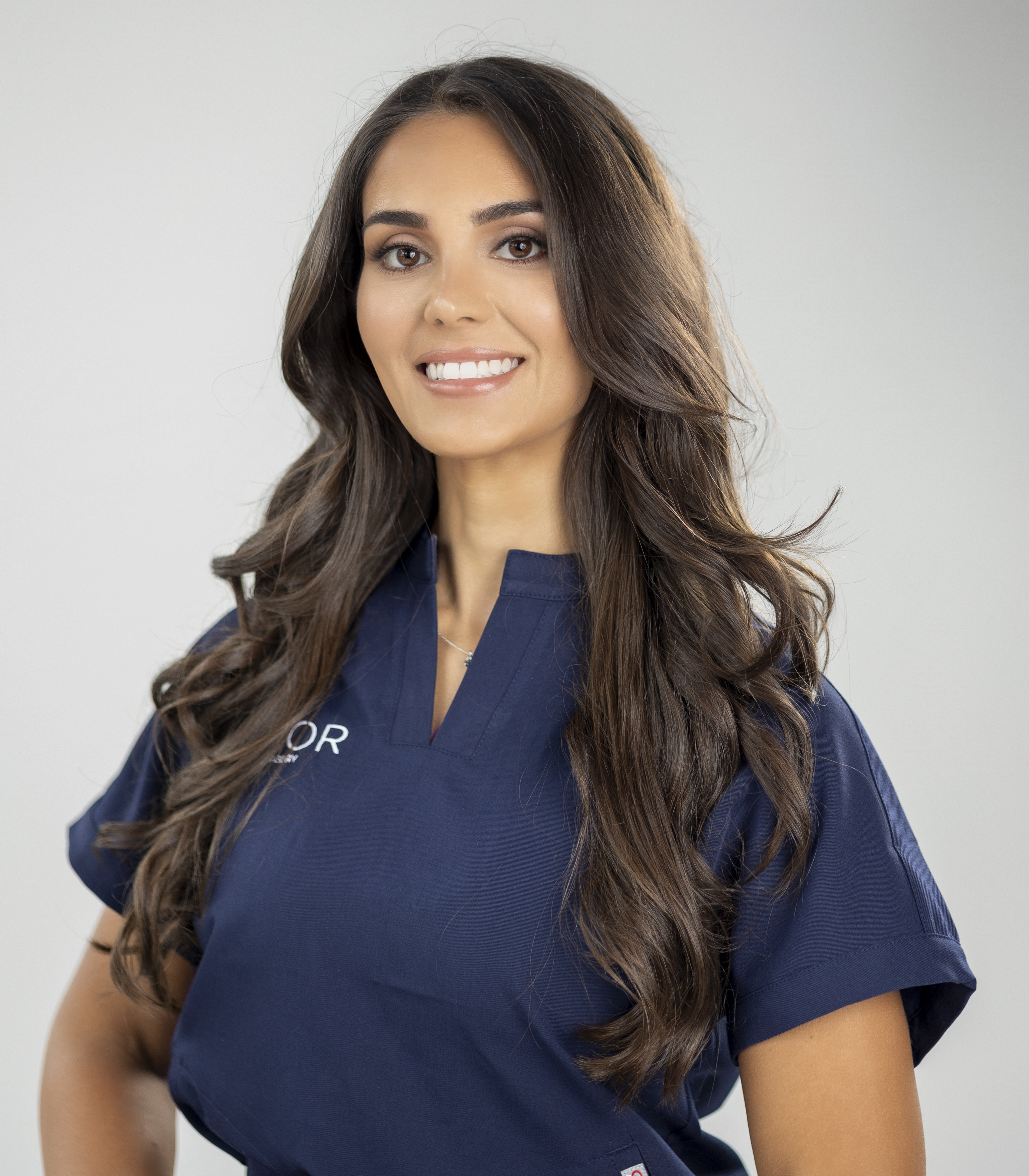
Mirror Plastic Surgery’s concierge model includes several clear advantages. The practice uses batch-tested peptides from reputable sources, offers 24/7 text access to Stephanie, and provides remote care across the United States. When needed, patients also benefit from Dr. Akash Chandawarkar’s surgical expertise for integrated treatment planning.
This structure solves common frustrations such as rushed visits and generic protocols. Patients receive time, education, and support that match the complexity of peptide therapy.
The consultation process at Mirror centers on education. Stephanie explains the “why” behind each recommendation and ties it back to anatomy and medical reasoning. Whether a patient wants to manage chronic inflammation, improve body composition, or support anti-aging, every plan reflects that person’s labs and clearly defined wellness goals.
How Thorough Evaluations Improve Peptide Therapy Outcomes
Comprehensive medical evaluations create a safer and more accurate foundation for peptide selection. Baseline blood work often includes CBC, CMP, lipid panels, inflammatory markers such as CRP and ESR, and thyroid panels with TSH, Free T3, and Free T4. These labs guide protocol design and help track progress over time.
|
Concern |
Key Labs |
Example Stack |
|
Inflammation/Autoimmune |
hs-CRP, ESR |
BPC-157, KPV, TB500 |
|
Weight Management |
HbA1c, Insulin |
GLP-3R |
|
Anti-Aging/Energy |
IGF-1, Hormones |
GHK-CU, NAD |
BPC-157 is in Phase II trials for inflammatory bowel disease, tendon healing, and wound repair, with eight active clinical studies. These studies highlight its cytoprotective mechanisms and support its role in supervised inflammation management protocols.
Unsupervised peptide use carries real risk. Research shows that 30% of online peptides had incorrect sequences and 65% exceeded endotoxin safety thresholds. More than 20% of black-market peptides were mislabeled or contaminated.
Mirror Plastic Surgery reduces these risks by sourcing from reputable suppliers that provide batch testing. This process supports accurate dosing, consistent purity, and greater patient safety.
Patient experiences at Mirror highlight the impact of personalized care. Clients have reported reversal of autoimmune symptoms, meaningful weight loss with improved lab markers, faster post-surgical recovery, and guided transitions from certain pharmaceutical medications to peptide-based support for anxiety and depression. Schedule a consultation to explore tailored peptide protocols that match your health history, labs, and goals.
Why Many Patients Start Peptide Therapy with Mirror Plastic Surgery
Mirror Plastic Surgery’s concierge model focuses on depth, not volume. Each patient receives a detailed assessment, an evidence-based treatment plan, and consistent support throughout their peptide journey. The practice is based in the St. Petersburg and Tampa area and also serves patients nationwide, including Hawaii and Alaska, through remote care.
The team combines surgical expertise with peptide therapy for more complete care. Post-surgical peptide protocols may reduce inflammation and support healing. Pre-surgical optimization with peptides can also support better recovery and fewer complications.
This integrated, holistic approach sets Mirror apart from traditional medical spas and online peptide sellers. Patients do not receive quick, one-time evaluations or unsupervised protocols. Instead, they gain personalized care that relies on full laboratory analysis, regular monitoring, and direct access to experienced providers who understand the nuances of peptide therapy.
Book an appointment with Stephanie to see how a thorough evaluation and custom peptide planning can support your health and wellness goals.
Frequently Asked Questions About Peptides and Concierge Care
What is a good faith exam in med spas?
A good-faith exam is a required medical evaluation before aesthetic treatments in medical spas. The provider reviews medical history and performs a focused physical exam, usually in 5-15 minutes. Licensed professionals such as MDs, DOs, NPs, or PAs must complete and document these visits as full SOAP notes. GFEs work well for cosmetic procedures but rarely include the broad lab testing needed for complex peptide therapy.
How does a concierge evaluation differ from medical spa assessments?
Concierge evaluations typically last 30-60 minutes, compared with 5-15-minute good-faith exams in many medical spas. Concierge providers care for smaller patient panels, which supports deeper relationships and more detailed assessments. They usually order comprehensive labs, including thyroid panels, hormone testing, and inflammatory markers. This information allows them to design peptide protocols based on each person’s physiology instead of relying on generic symptom-focused plans.
Are peptides safe without FDA approval?
Many peptides are used off-label for wellness support rather than for treating specific diseases. They may not have formal FDA approval, yet many have over a decade of clinical research behind them. The main safety concern involves products from unregulated online sources, which may contain contaminants, incorrect sequences, or inaccurate dosing. Medical supervision improves safety by ensuring quality sourcing, screening for pre-existing conditions, setting appropriate doses, and monitoring response over time.
What labs are needed for peptide personalization?
Personalized peptide care usually starts with a Complete Blood Count (CBC), Comprehensive Metabolic Panel (CMP), and lipid panel. Providers often add thyroid tests such as TSH, Free T3, and Free T4, plus hormone panels that may include testosterone, estradiol, and progesterone. Inflammatory markers like hs-CRP and ESR, along with metabolic markers such as HbA1c and insulin, help reveal underlying dysfunction. These labs guide peptide selection, dosing, and safety monitoring.
Can I receive peptide therapy remotely?
Yes, Mirror Plastic Surgery offers remote peptide therapy across the United States, including Hawaii and Alaska. Patients complete telemedicine consultations, coordinate labs locally, and receive prescriptions through trusted pharmacies. Ongoing support continues through direct communication with providers. Remote patients receive the same detailed evaluation, protocol design, and clear instructions for peptide reconstitution and administration as in-person clients.
Why do peptide therapy results vary between individuals?
Peptide results differ from person to person because genetics, lifestyle, and baseline health all play a role. Diet, exercise, sleep, stress, and existing medical conditions can strengthen or weaken peptide responses. This variability makes personalized protocols and regular follow-up essential. Comprehensive labs and ongoing monitoring help providers adjust dosing and combinations to match each patient’s unique response.
Conclusion: Choosing Concierge Peptide Care with Mirror Plastic Surgery
The choice between a brief medical spa good faith exam and a concierge evaluation shapes both safety and outcomes for peptide therapy. Medical spas play a valuable role in aesthetics, yet their high-volume model and limited diagnostics do not match the demands of complex peptide protocols.
Mirror Plastic Surgery’s concierge approach offers extended visits, detailed laboratory analysis, and continuous provider access. This level of personalization supports safer treatment, better results, and more durable wellness improvements that address root causes instead of masking symptoms.
People seeking meaningful change in inflammation, autoimmune support, weight management, or anti-aging often benefit from this deeper model of care. Book an appointment with Stephanie to begin a peptide therapy plan built on comprehensive evaluation and individualized protocols.
Results may vary and are not guaranteed. Peptide therapy is intended for wellness and optimization purposes, not to diagnose, treat, cure, or prevent any disease. Many peptides are not FDA-approved and are used off-label with limited long-term safety data and potential risks.
