

Last updated: February 13, 2026
Key Takeaways
- Peptide therapy offers targeted support for chronic inflammation, autoimmune conditions, weight management, and aging, often outperforming generic medical spa treatments.
- Verify practitioners through Florida licensure, medical oversight, specialized certifications like ISSCA, FDA-compliant compounding pharmacies, and truly personalized care.
- Avoid red flags such as unsupervised online sources, RN-only staffing, skipped lab work, and one-size-fits-all protocols that increase risk and reduce results.
- At Mirror Plastic Surgery, Stephanie DeSimone, PA-C, creates custom stacks like Glow Stack and GLP-3R under Dr. Akash Chandawarkar’s supervision, with 24/7 support.
- Experience safe, effective peptide therapy tailored to your goals by booking a consultation with Stephanie at Mirror Plastic Surgery.
Meet Stephanie DeSimone, Your Peptide and Aesthetics Specialist
Stephanie DeSimone, PA-C, leads peptide therapies and non-surgical aesthetics at Mirror Plastic Surgery. Her background blends medical science, mathematics, and a deep understanding of physiology. She holds a degree in mathematics and maintains a strong foundation in surgical anatomy. Her personal passion for bodybuilding gives her rare insight into body composition, structure, and metabolic health, which are essential for effective peptide therapy.
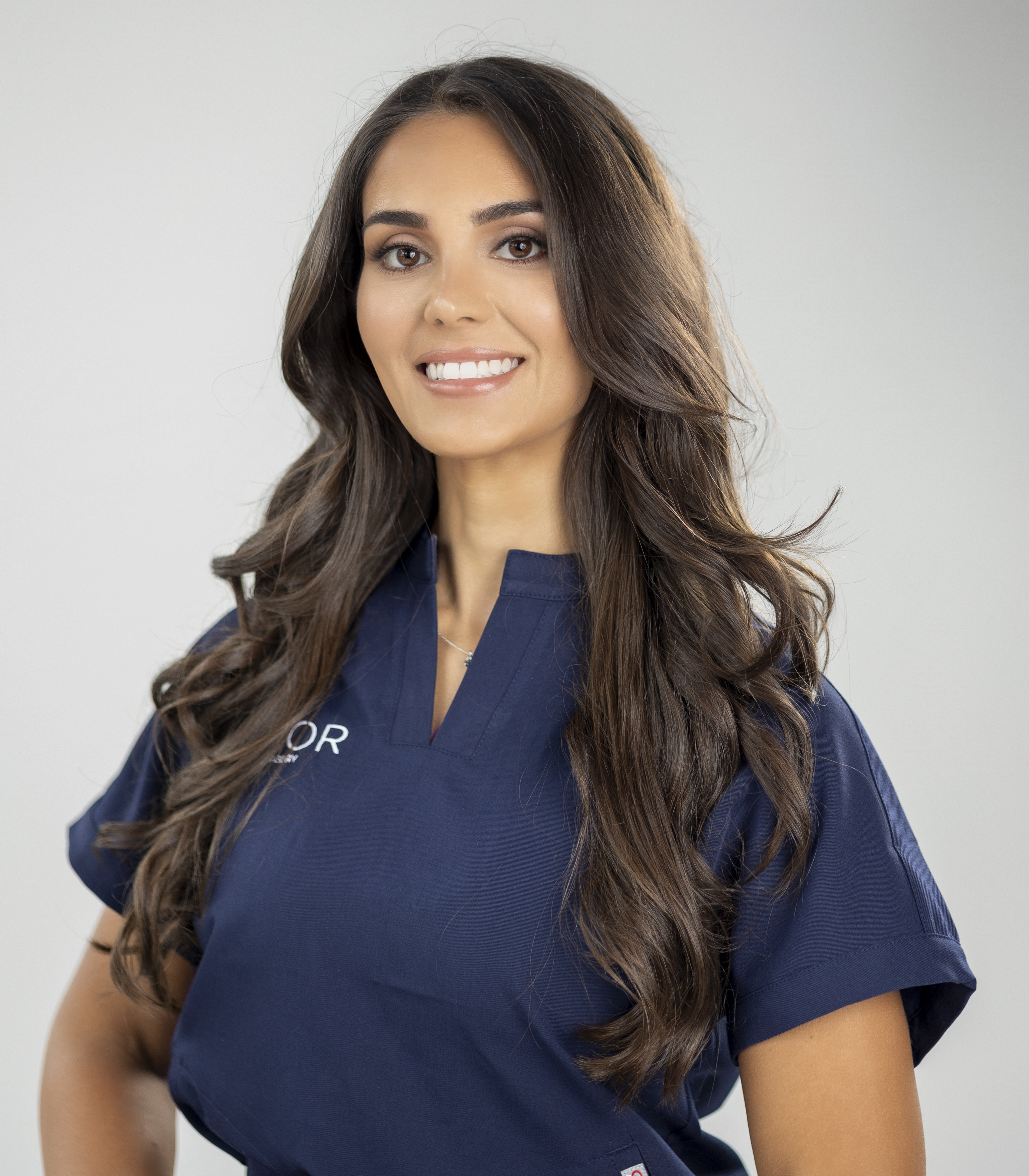
Stephanie follows a “less is more” philosophy in both aesthetics and internal wellness. She views the body as an interconnected system that needs internal balance to create visible, lasting results. Her expertise in regenerative medicine allows her to design peptide protocols that enhance physical appearance while also supporting cellular function and recovery.
During 30 to 60-minute consultations, Stephanie explains the reasoning behind every recommendation. She walks patients through the anatomy, physiology, and medical logic that shape each protocol. Patients leave with a clear understanding of what they are taking and why it was chosen for them.
Her personalized approach includes custom peptide stacks such as the Glow Stack, which combines GHK-CU, BPC-157, and TB500 to address systemic inflammation, melasma, and collagen production. She also uses GLP-3R formulations for weight management that aim for fewer side effects than traditional GLP-1 peptides. NAD protocols focus on mitochondrial function to support energy production and cellular repair.
All peptides come from reputable providers that perform rigorous batch testing. This approach contrasts with high-volume spas or unverified online sources that often cut corners on quality and safety.
Stephanie practices under the oversight of Dr. Akash Chandawarkar, MD, a Harvard-educated physician and Johns Hopkins-trained plastic surgeon with fellowship training in aesthetic surgery and medical device innovation from Stanford University. His supervision supports high standards of care, and patients receive 24/7 text and telemedicine support during their peptide therapy journey.
Book an appointment with Stephanie to experience this personalized, medically supervised approach to peptide therapy.
How to Vet a Florida Medical Spa for Peptide Therapy
Use this step-by-step checklist to confirm that your peptide therapy provider meets Florida’s regulatory standards and safety expectations.
1. Confirm State Licensure
First, verify that your practitioner holds an active, unrestricted license as a physician (MD), physician assistant (PA-C), or nurse practitioner (NP). Use the Florida Department of Health’s licensing verification system. Florida law requires active licensure and accurate primary practice location information.
2. Verify Medical Director Oversight
Next, confirm that the facility operates under proper medical director supervision. Recent Florida legislation requires medical spas to maintain specific oversight structures for handling and administering prescription medications. This structure protects patients and supports safe peptide use.
3. Check Specialized Peptide Training
Look for practitioners with recognized peptide therapy certifications. ISSCA’s Advanced Peptide Certification program covers metabolic, immune, neuroendocrine, and regenerative peptide protocols, and more than 10,000 physicians have completed this training. Other reputable options include AMMG’s online Peptides Certification Program and A4M’s Peptide Therapy Certification.
4. Assess Compounding Pharmacy Standards
Confirm that peptides come from licensed compounding pharmacies that operate under FDA Section 503A or 503B regulations. These facilities must follow USP standards for sterile compounding and provide batch testing documentation. This documentation supports quality, purity, and consistency.
5. Compare Concierge and High-Volume Models
Evaluate whether the practice focuses on personalized care or high-volume turnover. Quality peptide therapy requires thorough consultation, detailed lab analysis, and ongoing monitoring. High-volume facilities often shorten or skip these steps, which can reduce safety and effectiveness.
6. Review Lab Testing and Ongoing Support
Confirm that the practice runs comprehensive lab panels, including thyroid, liver, kidney, diabetes markers, and hormone levels. These labs guide personalized protocols and help monitor safety. Also, confirm that you will receive ongoing support, not just a one-time prescription.
Mirror Plastic Surgery meets and exceeds these verification criteria, offering a high standard for safe, effective peptide therapy in Florida.
Red Flags That Signal Unsafe Peptide Therapy
Certain warning signs suggest that a provider may not deliver safe or effective peptide therapy. Unsupervised online sources create major contamination risks. Studies show that about 30% of online peptides contain incorrect amino acid sequences and 65% exceed safe endotoxin levels. USADA research also found that more than 20% of black-market peptides were mislabeled or contaminated.
Other red flags include facilities staffed only by registered nurses without physician or PA oversight. Practices that skip comprehensive lab analysis or rely on generic peptide stacks for every patient also raise concerns. These shortcuts ignore individual physiology and health history, which can lead to poor results or adverse reactions.
Doctors are not legally required to administer peptides. However, physician assistants and medical doctors provide the most appropriate oversight for safe administration. Peptide therapy remains legal in Florida under proper medical supervision for off-label use. Recent Florida legislation adds documentation requirements for weight-loss compounding to confirm API facility compliance and safety standards.
Mirror Plastic Surgery follows an evidence-based, medically supervised model with robust safety protocols. This approach stands in clear contrast to high-risk or poorly supervised peptide offerings.
Why Medical-Grade Peptides Outperform Generic Spa Treatments
Peptide therapy targets root causes instead of masking surface symptoms. GHK-CU supports collagen and elastin production while also helping treat melasma. BPC-157 and TB500 focus on systemic inflammation and tissue repair. Selank offers anxiety support without the dependency risks associated with benzodiazepines. These focused mechanisms differ from generic spa treatments that often provide only short-term, cosmetic improvements.
The 2026 shift toward newer formulations such as GLP-3R highlights how quickly peptide therapy is evolving. GLP-3R options aim to deliver weight management benefits with fewer gastrointestinal side effects than traditional GLP-1 peptides. These formulations also help reduce muscle wasting risk and support broader health markers, including insulin resistance and cardiovascular risk factors.
Mirror Plastic Surgery offers remote peptide services across the United States, so patients nationwide can access expert guidance. Reported outcomes include improvement in autoimmune conditions, significant weight loss, better lab markers in genetic conditions such as hypercholesterolemia, and successful transitions from certain pharmaceutical medications to peptide-based support for anxiety and depression.
Book an appointment with Stephanie to explore how medical-grade peptides may support your specific health goals.
Frequently Asked Questions About Peptide Therapy Safety
How do I verify a medical spa’s license in Florida?
Use the Florida Department of Health’s online licensing verification system to confirm that your practitioner holds an active MD, PA-C, or NP license. Also, confirm that the facility meets Florida’s medical spa licensing requirements, which include proper oversight and protocols for handling prescription medications.
Do you need a doctor to administer peptides?
Law does not require a doctor to administer peptides, but physician assistants (PA-C) and medical doctors (MD) provide the highest level of oversight. Their training allows them to evaluate contraindications, monitor for adverse reactions, and adjust protocols based on your lab results and clinical response.
How can I verify a compounding pharmacy’s credentials?
Confirm that the pharmacy operates under FDA Section 503A or 503B regulations and maintains state licensing through your state’s pharmacy board verification system. Look for facilities that follow USP standards for sterile compounding and provide batch testing documentation to confirm quality and purity.
What certifications should peptide therapy practitioners have?
Respected certifications include ISSCA’s Advanced Peptide Certification, AMMG’s Peptides Certification Program, and A4M’s Peptide Therapy Certification. These programs cover metabolic protocols, safety standards, dosing frameworks, and clinical integration that support safe and effective peptide use.
Is peptide therapy legal in Florida?
Peptide therapy is legal in Florida when provided under proper medical supervision for off-label use. Practitioners must follow state regulations, including medical spa licensing rules and new documentation standards for compounding facilities, especially for weight-loss peptides.
Choosing Mirror Plastic Surgery for Peptide Therapy
Careful verification of practitioner qualifications protects your health and helps you gain the full benefit of peptide therapy. The checklist above gives you a clear framework for selecting safe, qualified providers. Mirror Plastic Surgery stands out in the St. Petersburg and Tampa Bay area by combining Stephanie DeSimone’s specialized expertise with Dr. Akash Chandawarkar’s medical oversight.
Mirror Plastic Surgery offers advanced peptide therapies for inflammation, autoimmune conditions, weight management, and anti-aging. These protocols address a wide range of health and wellness concerns through personalized, medically guided care. Book an appointment with Stephanie to see how tailored peptide protocols may help you reach your goals.
Contact Mirror Plastic Surgery:
Phone: 727-361-6515
Email: hello@mirrorplasticsurgery.com
Address: 780 4th Ave S, St. Petersburg, FL 33701
Instagram: @mirrorplasticsurgery, @dr.akashplasticsurgery, @perfectlyplastics
Results may vary. Peptide therapy for wellness is not FDA-approved and represents off-label use with limited data. Individual outcomes depend on factors such as genetics, lifestyle, and adherence to protocols.
