

Last updated: February 8, 2026
Key Takeaways
- Muscle repair follows three phases: inflammation, regeneration, and remodeling, usually taking 4-12 weeks for natural recovery.
- Standard methods like the PEACE & LOVE protocol, targeted nutrition, and quality sleep support healing but remain mostly passive.
- Peptide therapies such as BPC-157 and TB500 actively boost satellite cell activation, angiogenesis, and tissue regeneration at the cellular level.
- Stacks like Mirror Plastic Surgery’s Glow Stack combine multiple peptides to target several repair pathways for more complete muscle recovery.
- For safe, personalized peptide protocols under expert supervision, book a consultation with Stephanie at Mirror Plastic Surgery to speed up your recovery.
How Muscle Repair Works From Injury To Recovery
Muscle repair follows three coordinated phases that restore damaged tissue at the cellular level. The first phase, inflammation, starts immediately after injury with myofiber necrosis and infiltration of inflammatory cells. Macrophages clear cellular debris and release growth factors that trigger the repair cascade. This inflammatory response feels uncomfortable but plays a crucial role in kickstarting healing.
The regeneration phase marks the most active period of muscle tissue recovery. Satellite cells, the muscle’s resident stem cells, activate within 24-48 hours via G0-G1 transition. These cells proliferate and differentiate into myoblasts that fuse to form new muscle fibers or repair damaged ones. Recent research shows that infiltrating macrophages form synaptic-like contacts with myofibers, releasing calcium ions within seconds to trigger electrical activity and accelerate early healing.
The final remodeling phase focuses on fiber maturation, collagen reorganization, and strength restoration. Interstitial progenitor cells activate upon injury, proliferate, and differentiate into myoblasts alongside satellite cells. Growth factors, adequate protein synthesis, and healthy cellular conditions drive this process. Advanced peptide therapies can enhance these factors and support each phase of repair. This timeline explains why natural recovery often takes 4-12 weeks and why targeted interventions may shorten that window.
Modern Muscle Repair Basics: PEACE, LOVE & Recovery Habits
Modern muscle care has moved beyond the classic RICE protocol to a more active approach. The PEACE & LOVE framework guides current best practices. PEACE stands for Protect the injured area, Elevate when possible, Avoid anti-inflammatories that may impair natural healing, Compress appropriately, and Educate patients about their condition. LOVE focuses on Load management through gradual activity, Optimism for psychological support, Vascularization through gentle movement, and Exercise as the foundation of long-term recovery.
The PEACE & LOVE protocol challenges RICE by prioritizing protection, elevation, and trust in the body’s natural inflammatory response instead of routine icing. This approach recognizes that inflammation supports muscle tissue recovery and should not be fully suppressed. Thoughtful movement and education replace outdated ideas of complete rest.
Nutrition directly influences muscle repair, especially protein timing and micronutrient intake. The two-hour protein rule recommends consuming 20-30 grams of high-quality protein within two hours after exercise to support muscle protein synthesis. Vitamins C and D, along with zinc and magnesium, help drive collagen formation and cellular repair. Sleep quality, hydration, and stress management create a stronger internal environment for healing.
These standard methods support recovery but remain mostly passive and often require long healing periods. They help the body do its job but do not directly accelerate cellular repair. Many athletes and active individuals now look for more targeted tools. Book an appointment with Stephanie to see how peptide therapies can build on these foundations and help you recover faster.
Peptide Therapies For Faster Muscle Repair
Peptide therapies use specific amino acid sequences to influence cellular pathways involved in healing and regeneration. These bioactive compounds work at the molecular level to enhance natural repair mechanisms. This approach offers a more direct way to support damaged tissue than traditional rest-and-recover strategies.
BPC-157, or Body Protective Compound 157, stands out as a powerful option for muscle tears and soft tissue injuries. BPC-157 enhances growth hormone receptor expression, cell growth, angiogenesis pathways, and reduces inflammatory cytokines in muscle, tendon, ligament, and bone injuries. It promotes new blood vessel formation, speeds collagen synthesis, and supports tendon and ligament repair through stronger fibroblast activity and improved vascular networks.
TB500, derived from Thymosin Beta-4, pairs well with BPC-157 through different but complementary mechanisms. TB-500 shows benefits in preclinical models of muscle repair across species, including reduced infarct size and enhanced neovascularization. It works systemically, promoting cell migration and supporting broad muscle and vascular regeneration throughout the body.
Many patients see the strongest results when peptides are combined in targeted stacks. Mirror Plastic Surgery’s Glow Stack blends BPC-157, TB500, and GHK-CU (copper peptide) to address systemic inflammation while promoting collagen and elastin production. This multi-pathway strategy supports tissue strength, elasticity, and circulation at the same time, often outperforming single-peptide plans.
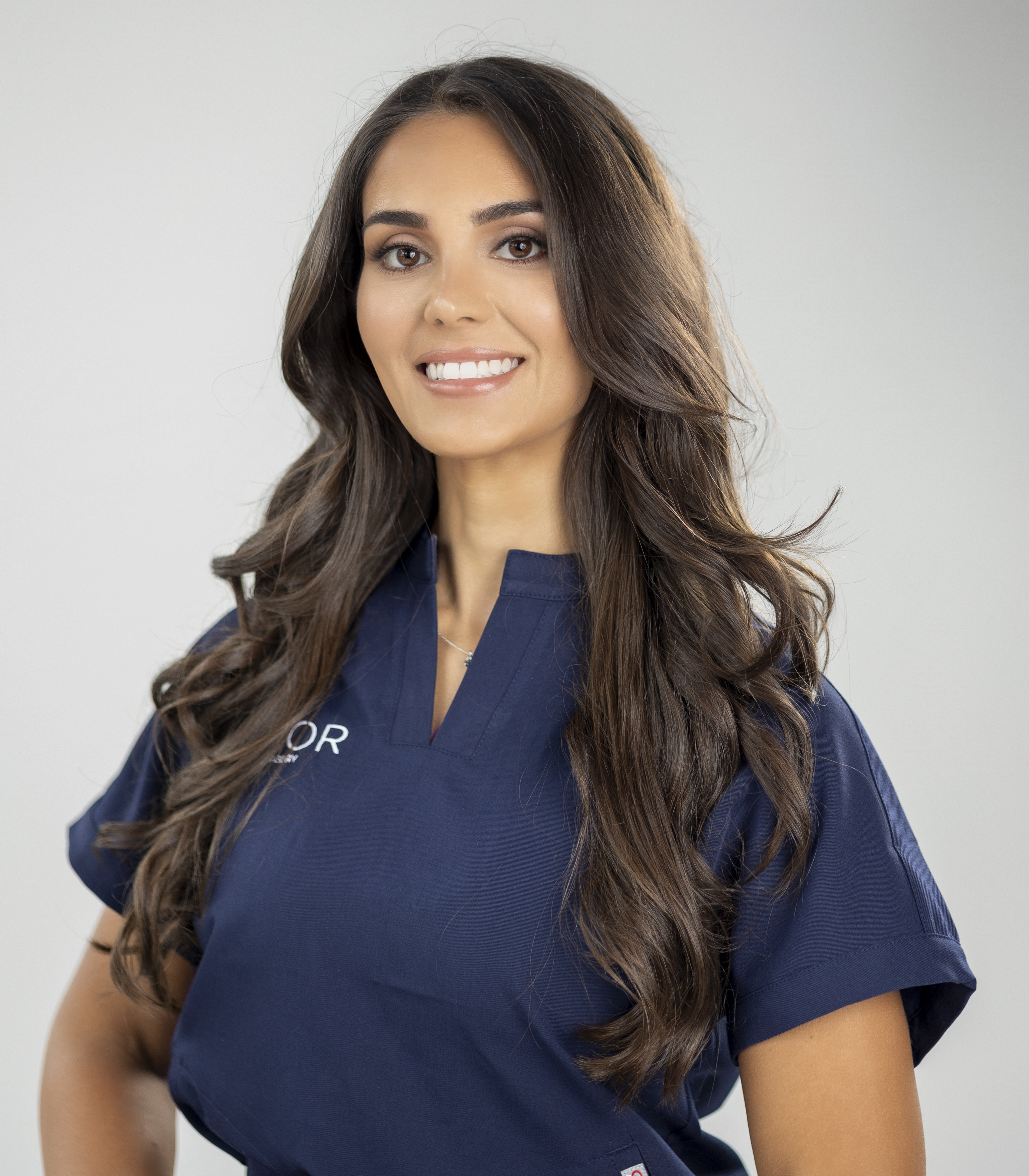
Peptide therapy offers a minimally invasive alternative to options like PRP injections or surgery. Treatment at Mirror Plastic Surgery is overseen by Stephanie DeSimone, PA-C, who combines a mathematics background with extensive bodybuilding experience and surgical anatomy training. Her understanding of body composition, structure, and metabolic health allows for precise protocol design tailored to your injury pattern and goals.
Unsupervised peptide use carries real risks. Current clinical evidence remains limited to preliminary observations, case reports, and anecdotal accounts without rigorous randomized trials. Mirror Plastic Surgery reduces these risks through detailed lab analysis, vetted sourcing with batch testing, and continuous medical oversight. Book an appointment with Stephanie for safe, medically guided peptide therapy that supports your specific muscle repair needs.
Why Patients Choose Mirror Plastic Surgery For Peptide Support
Mirror Plastic Surgery delivers a concierge-style experience for peptide therapy and muscle repair. Every patient starts with comprehensive lab testing to uncover hormonal, metabolic, or inflammatory factors that may slow healing. Stephanie then designs a personalized peptide protocol that aligns with your physiology, training level, and recovery goals. This process improves both safety and effectiveness.
The practice maintains strict standards for peptide sourcing and uses only reputable pharmacies with rigorous batch testing. This approach avoids the dangers of unregulated online peptide sellers, where purity, potency, and sterility often remain unknown. Patients also receive 24/7 text access to Stephanie for real-time guidance, adjustments, and support.
Collaboration with Dr. Akash Chandawarkar, a Harvard-educated and Johns Hopkins-trained plastic surgeon with fellowship training in aesthetic surgery, adds another layer of expertise. Complex or surgical cases benefit from this team-based model. Remote consultations allow patients across the United States to access advanced peptide protocols without traveling to the office.
Patient results highlight faster recovery, less inflammation, and stronger tissue healing compared with standard methods alone. Each protocol is customized, so dosing, timing, and peptide combinations reflect the individual’s injury pattern and lifestyle. Book an appointment with Stephanie to experience expert-supervised peptide therapy that supports a smoother, more confident return to activity.
Clearing Up Peptide Myths For Muscle Repair
Many people assume peptides only help with weight loss, yet they also support muscle repair, inflammation control, and tissue regeneration. Another misconception suggests that everyone will respond the same way. In reality, genetics, training history, sleep, nutrition, and protocol design all influence outcomes.
Long-term benefits usually require maintenance plans, similar to strength training or nutrition habits. Stopping therapy often leads to a gradual return toward baseline function. Ongoing consultation helps adjust dosing and timing as your body and goals change. Sleep remains a powerful recovery tool because deep sleep supports growth hormone release and cellular regeneration. The two-hour protein rule further supports repair by supplying amino acids when muscle cells are most active after exercise.
Frequently Asked Questions
How do peptides speed up muscle healing?
Peptides speed muscle healing by acting on specific repair and regeneration pathways inside the cell. BPC-157 increases growth factor activity and angiogenesis, which improves blood flow and nutrient delivery to damaged tissue. TB500 supports cell migration and wound healing through actin regulation. Together, these effects enhance satellite cell activation, lower inflammatory cytokines, and boost collagen synthesis. Many patients experience shorter recovery windows compared with the typical 4-12 week timeline.
BPC-157 vs TB500 for muscle tears
BPC-157 works especially well for localized muscle, tendon, and ligament injuries because it strongly supports angiogenesis and structural repair. It helps remodel collagen and stabilize specific injury sites. TB500 acts more broadly throughout the body and suits situations where multiple muscle groups or systemic recovery need support. Many practitioners combine both peptides, using BPC-157 for targeted repair and TB500 for overall healing and circulation.
Are peptides safe for muscle repair?
Peptides can be used safely when medical supervision, quality sourcing, and appropriate dosing are in place. Many peptides remain outside full FDA regulation but show favorable safety profiles in preclinical research. The greatest dangers come from unverified online products, incorrect dosing, and use without screening for medical conditions. Professional guidance provides proper evaluation, reliable compounding pharmacies, and ongoing monitoring for side effects.
What is the best peptide stack for muscle repair?
The most effective peptide stack depends on your injury, training demands, and health history. Mirror Plastic Surgery’s Glow Stack combines BPC-157, TB500, and GHK-CU to address inflammation, tissue regeneration, and collagen production together. Some patients may also benefit from peptides like Sermorelin for growth hormone support or KPV for gut-related inflammation that can influence recovery. A thorough evaluation helps determine which combination fits your specific situation.
How can I speed up muscle healing naturally?
Faster natural healing starts with high-quality sleep, consistent protein intake, and smart movement patterns. Aim for adequate daily protein, prioritize the two-hour post-exercise window, and follow the PEACE & LOVE framework for early gentle movement. Hydration, micronutrient support, and stress management further strengthen your recovery base. Natural methods still often require 4-12 weeks for full healing, which is why many people add peptide therapy for more rapid and complete results.
Conclusion: Pair Smart Recovery Habits With Targeted Peptides
The three phases of muscle repair, inflammation, regeneration, and remodeling, shape how your body heals after injury. Standard tools like the PEACE & LOVE protocol, nutrition, and sleep support these phases, while peptide therapies can directly enhance cellular repair. Mirror Plastic Surgery provides expert-supervised peptide protocols that may shorten recovery time and improve tissue quality. Book an appointment with Stephanie at Mirror Plastic Surgery to explore a personalized peptide plan for your muscle repair journey.
