

Last updated: February 8, 2026
Key Takeaways
- Hair loss affects millions due to inflammation and collagen decline. Peptide therapies like GHK-Cu target root causes by extending the anagen growth phase for improved density.
- Glow Stack combines GHK-Cu, BPC-157, and TB-500 to reduce inflammation, enhance circulation, and regenerate follicles without surgery.
- Peptides address cellular dysfunction more directly than traditional treatments like Minoxidil and transplants, with fewer side effects and no lifelong dependency.
- Mirror Plastic Surgery offers personalized protocols with expert oversight from Stephanie DeSimone, including lab analysis and 24/7 support for better outcomes.
- Restore your hair with a tailored plan. Book a consultation with Mirror Plastic Surgery to explore peptide therapy.
Hair Loss, Root Causes, and Your Treatment Options
Androgenetic alopecia affects up to 80% of men and 50% of women and often involves DHT sensitivity, inflammation, and declining collagen production. Many traditional approaches manage symptoms instead of driving true cellular regeneration. Autoimmune conditions and chronic inflammation can further complicate hair loss patterns and require targeted interventions that address systemic dysfunction.
Current treatment options span surgical and non-surgical approaches, each with distinct advantages and limitations:
|
Treatment |
Pros |
Cons |
Success Rate |
|
FUE/FUT Transplants |
Permanent hair relocation |
Recovery 5-14 days, 33% need second procedure, graft survival drops to 39% long-term |
90-97% short-term |
|
Minoxidil |
FDA-approved, easy topical application |
Side effects, lifelong dependency |
Density improvement in 3-6 months |
|
Finasteride |
Oral DHT blocker |
Sexual side effects, hormonal disruption |
Moderate regrowth |
|
Peptides (GHK-CU/Glow Stack) |
Regenerates follicles, reduces inflammation |
Requires medical supervision |
Hair count and density improvement via anagen extension |
The main gap in current treatments lies in their failure to address inflammation and cellular dysfunction. Surgical options relocate existing hair without regenerating follicles, while pharmaceuticals often create side effects without targeting root causes. Schedule a consultation with Stephanie to explore how peptide therapies can address these limitations.
Meet Your Peptide Specialist, Stephanie DeSimone
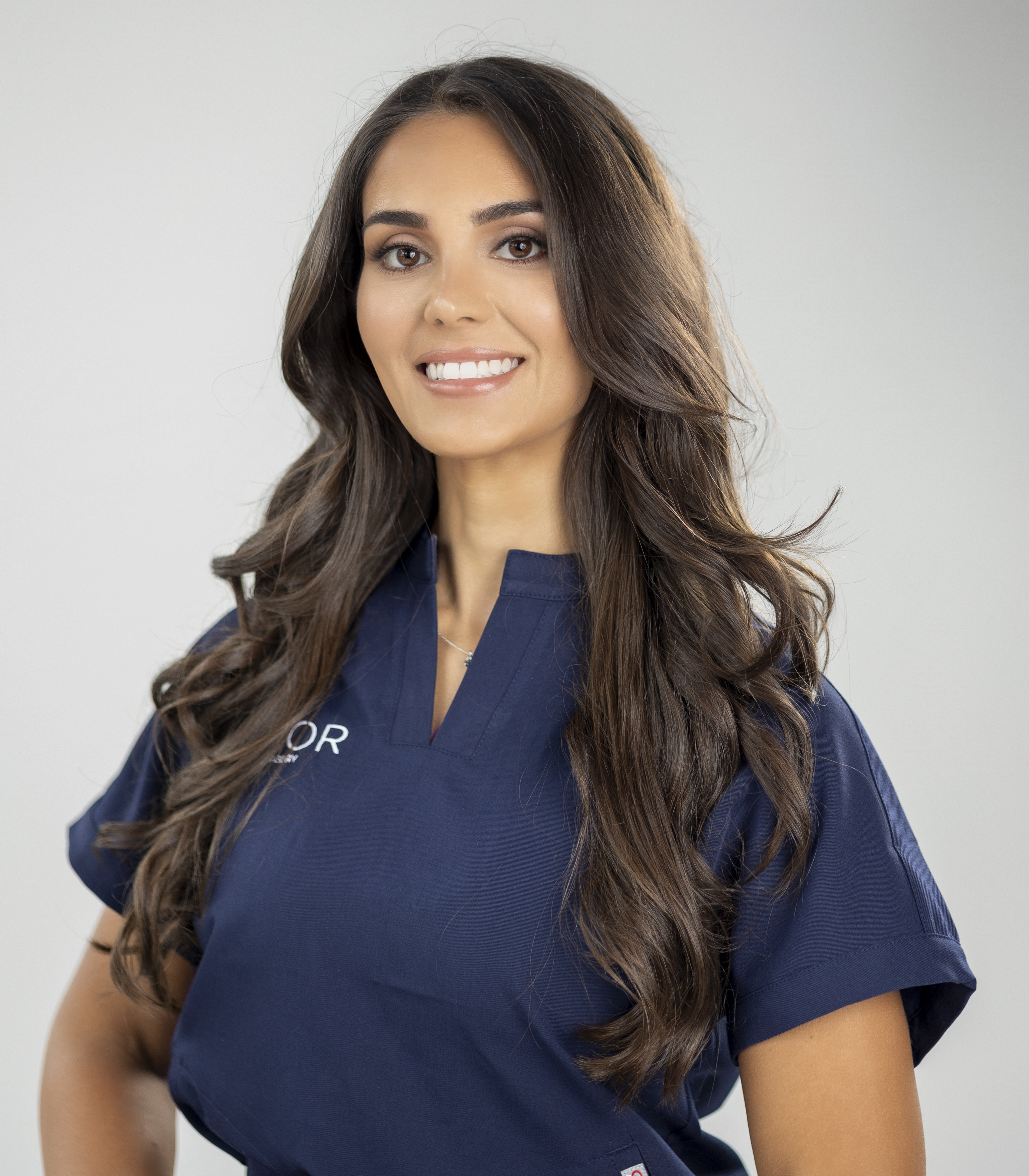
Stephanie DeSimone, PA-C, leads peptide therapies at Mirror Plastic Surgery and brings a background in mathematics, surgical anatomy, and bodybuilding. Her “less is more” philosophy focuses on follicle health through inflammation reduction and collagen stimulation instead of aggressive interventions. Stephanie collaborates closely with Dr. Akash Chandawarkar, a Harvard-educated physician and Johns Hopkins-trained plastic surgeon, which ensures comprehensive medical oversight for every peptide protocol.
How Peptides Are Changing Hair Restoration
GHK-Cu improves scalp circulation, reduces follicle inflammation, and delivers growth factors essential for healthy hair production. This copper peptide specifically supports collagen and elastin production and extends the anagen growth phase. BPC-157 shows anti-inflammatory effects by inhibiting pro-inflammatory cytokine production, and TB-500 offers additional anti-inflammatory benefits by modulating cytokine profiles.
The Glow Stack combines these peptides to create comprehensive hair restoration benefits:
- Extends the anagen phase for longer hair growth cycles
- Improves scalp circulation and nutrient delivery
- Reduces systemic inflammation that affects follicles
- Works alongside existing treatments like PRP and Minoxidil
- Addresses autoimmune-related hair loss patterns
Peptide therapy at Mirror Plastic Surgery relies on personalized protocols based on individual inflammatory markers and hormonal profiles, not a one-size-fits-all plan. Current biohacking trends for 2026 highlight cellular repair and regeneration over symptom suppression, which positions peptides as a leading option for regenerative hair restoration.
Why Mirror Plastic Surgery Stands Out for Hair Restoration
Mirror Plastic Surgery’s concierge model dedicates 60 minutes to each consultation and includes comprehensive lab analysis for hormones, inflammation markers, and metabolic function. Custom Glow Stack protocols are designed around each patient’s needs, and batch-tested peptides are sourced from reputable providers. Stephanie offers 24/7 support through text and telemedicine appointments to guide safe administration and help patients achieve better results.
This level of personalized care contrasts with high-volume practices that perform multiple procedures daily without detailed individual attention. Mirror serves patients in Tampa, St. Petersburg, and across the United States through remote care and offers post-operative peptide protocols to enhance surgical outcomes when appropriate. Book your hair restoration consultation with Stephanie to experience concierge-level peptide therapy.
People Also Ask: Non-Surgical Hair Restoration Answers
Is it possible to regrow hair without surgery? Yes, many people can regrow hair without surgery using treatments like PRP therapy, low-level laser therapy, and FDA-approved medications. Peptides add another option with strong regenerative potential by targeting cellular dysfunction and inflammation.
What is the best non-surgical hair restoration? The Glow Stack offers a comprehensive non-surgical approach by combining GHK-CU for follicle stimulation with BPC-157 and TB-500 for systemic inflammation reduction.
How does GHK-CU compare to Minoxidil? Minoxidil improves blood flow through vasodilation, while GHK-CU supports cellular regeneration through collagen production and anagen phase extension. GHK-CU addresses root causes more directly instead of only managing symptoms.
Are peptides effective for both men and women? Peptides work for both men and women because they target universal mechanisms such as inflammation and cellular regeneration. This makes them suitable for androgenetic alopecia, autoimmune hair loss, and age-related thinning.
How do peptides compare to PRP? PRP delivers growth factors from platelets, while peptides provide targeted cellular repair mechanisms with longer-lasting effects. Peptides also help address systemic inflammation that contributes to hair loss.
Common Hair Restoration Mistakes and Misconceptions
Unsupervised peptide use from online sources creates significant risks due to poor quality control and incorrect dosing. Variable or disappointing results often come from a lack of medical oversight and failure to address underlying inflammatory conditions. Mirror Plastic Surgery’s supervised protocols improve safety through comprehensive evaluation, high-quality sourcing, and ongoing medical support, which clearly separates this approach from unregulated alternatives.
Hair Peptide Therapy FAQs
Are peptides effective for hair growth?
Yes, peptides like GHK-CU have shown effectiveness in clinical studies by extending the anagen growth phase and improving hair density. The Glow Stack combines multiple peptides to address several aspects of hair loss, including inflammation and collagen production, and provides broad follicle support.
How do peptides compare to hair transplants?
Peptides support non-invasive regeneration of existing follicles, while transplants move hair from donor areas to thinning regions. Transplant success rates can decline over time, and graft survival often drops after the first year. Peptides can complement transplant procedures, enhance outcomes, and provide ongoing follicle support without surgical risks.
What results can I expect from GHK-CU?
GHK-CU often improves hair count, hair shaft diameter, and overall scalp coverage by stimulating collagen production and reducing inflammation. Results vary by individual, but many patients notice better hair quality and less shedding within the first few months of treatment.
Is peptide therapy safe?
Peptide therapy is generally safe when supervised by qualified medical professionals like Stephanie DeSimone. Mirror Plastic Surgery performs thorough evaluations, uses quality-tested peptides, and provides ongoing monitoring to support both safety and effectiveness.
Can peptides help after a hair transplant?
Yes, peptides can significantly support transplant outcomes by reducing inflammation, promoting healing, and improving graft survival. The anti-inflammatory properties of BPC-157 and TB-500 help create an environment where transplanted follicles can thrive.
Transforming Your Hair Restoration Journey with Peptides
Peptide therapies offer a forward-looking approach to hair restoration by addressing root causes such as inflammation and cellular dysfunction that many traditional treatments overlook. Mirror Plastic Surgery’s concierge model provides personalized protocols, careful sourcing, and comprehensive medical support to help patients achieve stronger, healthier hair. Unlike high-volume practices centered on surgery, this peptide-focused approach delivers regenerative solutions tailored to each person’s needs. Book an appointment with Stephanie to explore how peptide therapy can reshape your hair restoration journey.
Contact Mirror Plastic Surgery:
Phone: 727-361-6515
Email: hello@mirrorplasticsurgery.com
Address: 780 4th Ave S, St. Petersburg, FL 33701
Instagram: @mirrorplasticsurgery, @dr.akashplasticsurgery, @perfectlyplastics
Disclaimer: Results may vary from person to person. Editorial content, before and after images, and patient testimonials do not constitute a guarantee of specific results.
Disclaimer: Peptide therapy is intended for wellness and optimization purposes and is not prescribed to diagnose, treat, cure, or prevent disease unless specifically stated. Many peptides are not FDA-approved and may be used off-label. Some have limited long-term safety data, with a potential for unknown risks, complications, or desensitization with prolonged use.
