

Last updated: February 21, 2026
Key Takeaways
- Collagen production peaks before age 25, then declines about 1% per year, which contributes to wrinkles, joint issues, and slower healing.
- Collagen synthesis follows a five-step process inside fibroblasts and depends on vitamin C, key amino acids, and precise biochemical reactions.
- Peptide therapies like GHK-Cu, BPC-157, and TB500 in the Glow Stack more effectively support collagen than unregulated over-the-counter supplements.
- Medically supervised protocols at Mirror Plastic Surgery prioritize safety, purity, and personalized dosing guided by detailed lab analysis.
- Book a consultation with Stephanie DeSimone at Mirror Plastic Surgery to support collagen synthesis and visible anti-aging results.
Meet Stephanie DeSimone, PA-C: Precision-Guided Peptide Care
Stephanie DeSimone, PA-C, leads peptide therapy protocols at Mirror Plastic Surgery and blends mathematical precision, surgical anatomy expertise, and personal bodybuilding experience. She follows a “less is more” regenerative philosophy and treats the body as an interconnected system where internal balance creates visible radiance.
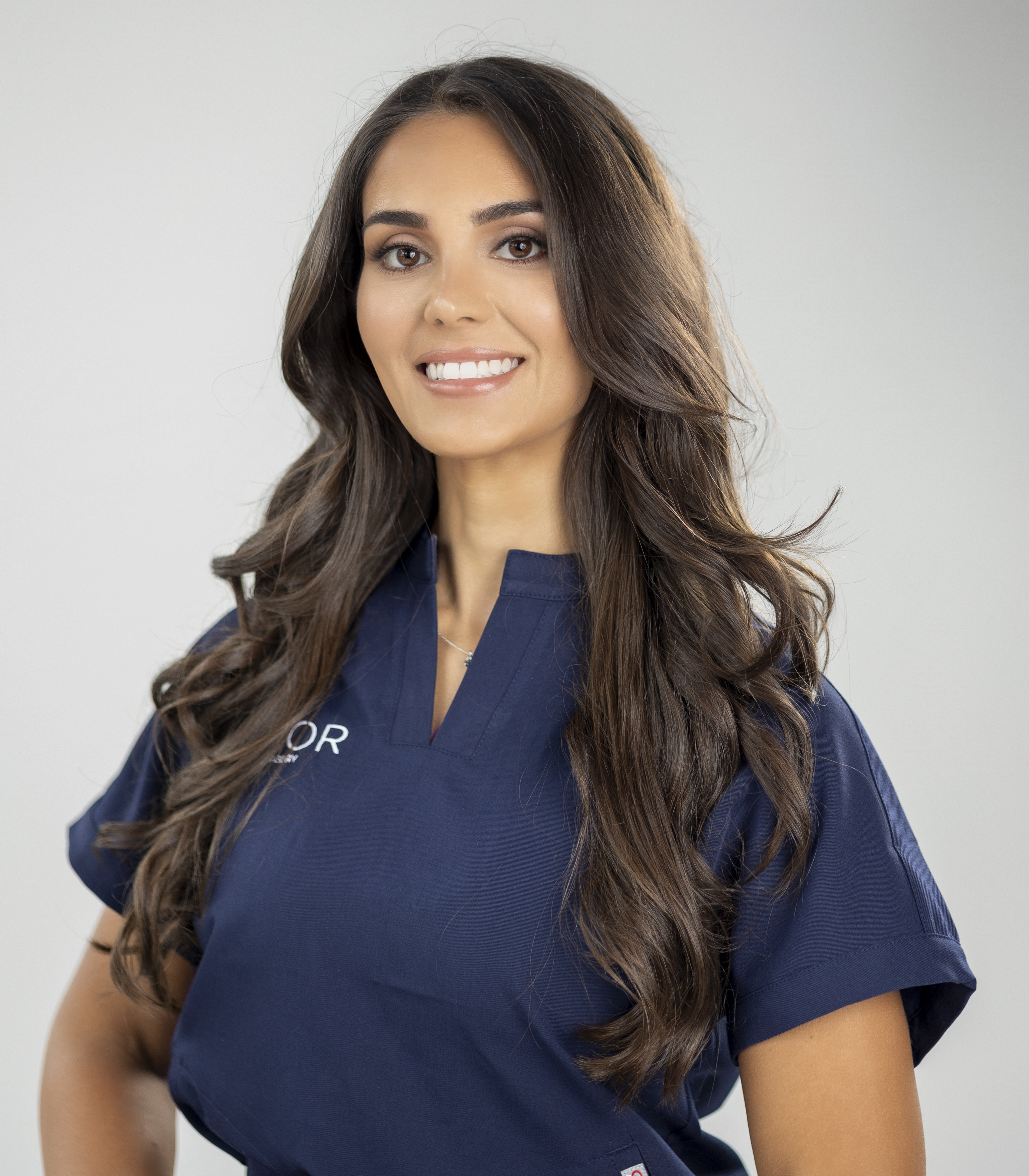
Her consultations typically last 30 to 60 minutes and clearly explain the science behind every recommendation. Each protocol reflects deep anatomical understanding and is supported by Dr. Akash Chandawarkar’s Harvard and Johns Hopkins training. This personalized care includes detailed lab analysis, custom peptide stacking, and ongoing concierge support to keep collagen-focused therapies safe and effective.
Book an appointment with Stephanie to start a medically supervised collagen synthesis plan tailored to your goals.
The Five Steps Your Body Uses to Build Collagen
Collagen synthesis follows a precise five-step biochemical sequence inside fibroblast cells.
1. Procollagen Formation: Fibroblasts combine the amino acids glycine, proline, and lysine to create procollagen chains in the rough endoplasmic reticulum.
2. Hydroxylation: Vitamin C acts as an essential cofactor for prolyl and lysyl hydroxylase enzymes, which convert proline and lysine into hydroxyproline and hydroxylysine.
3. Glycosylation: Sugar molecules attach to hydroxylysine residues and prepare the chains for proper assembly.
4. Triple Helix Assembly: Three procollagen chains twist together like a rope and form the triple helix structure that gives collagen its strength.
5. Secretion and Cross-linking: The procollagen molecule exits the cell, terminal peptides are removed, and cross-links form between collagen fibers to create the final structural matrix.
This process functions at its highest level during the twenties and thirties, then gradually declines. With aging, collagen fibers become fragmented, which reduces mechanical tension, causes fibroblast collapse, and lowers collagen production in skin. Clear knowledge of this pathway allows targeted support at each step.
Everyday Factors That Help or Harm Collagen
Several nutrients naturally support collagen. Vitamin C, copper, and specific amino acids act as direct cofactors in collagen production. Collagen peptides can enhance fibroblast activity, increase extracellular matrix proteins like elastin, and reduce matrix metalloproteinases that break down collagen. Silicon in nanoparticle form and antioxidants from foods such as blueberries, green tea, leafy greens like kale and spinach, and citrus fruits also contribute to collagen support.
Other influences work against collagen. UV radiation, excess sugar that drives glycation, chronic inflammation, and natural aging all impair the body’s ability to produce strong collagen. Environmental toxins and oxidative stress further speed collagen breakdown by increasing matrix metalloproteinase activity.
Signs of collagen decline often appear as slightly reduced firmness, early fine lines, and loss of springy, youthful texture. Joint stiffness, slower wound healing, and decreased skin hydration also suggest reduced collagen synthesis.
Topical products and basic supplements provide limited help because they do not fully address the systemic nature of collagen loss. Many unregulated supplements also lack reliable absorption and may cause unwanted side effects without medical guidance.
How Advanced Peptides Like GHK-Cu, BPC-157, and TB500 Support Collagen
GHK-Cu, a copper peptide, plays a central role in advanced collagen support by directly stimulating collagen and elastin production while calming inflammation. Clinical trials show that specialized collagen peptides can reduce wrinkles and improve skin elasticity, hydration, pore structure, and sebum secretion within 8 weeks. GHK-Cu also helps address melasma and premature graying, which creates a broad anti-aging effect.
The Glow Stack combines GHK-Cu with BPC-157 and TB500 to support collagen throughout the body. BPC-157 focuses on inflammation in muscles, tendons, ligaments, and joints. TB500 supports soft tissue repair and wound healing. Together, these peptides address both collagen production and the inflammatory blocks that slow synthesis.
These therapies reach far beyond what unregulated supplements can provide. Traditional collagen supplements can cause digestive side effects such as constipation, diarrhea, bloating, fullness, and heartburn, often without meaningful visible change. In addition, poor regulation, inaccurate labeling, and contamination in supplements highlight the value of medical supervision.
Mirror Plastic Surgery sources peptides from vetted providers that use rigorous batch testing to confirm purity, potency, and safety. Each protocol reflects individual lab results, medical history, and personal goals, which supports strong outcomes while limiting risk.
Book an appointment with Stephanie to learn how advanced peptide therapies can support your collagen safely and effectively.
What Sets Mirror Plastic Surgery’s Peptide Programs Apart
Over-the-counter collagen products often struggle with poor absorption, inconsistent dosing, and limited quality control. The unregulated supplement market can expose users to contamination, inaccurate labels, and a complete lack of medical oversight. Many people see little benefit or experience side effects when they try to manage collagen support on their own.
Mirror Plastic Surgery uses a concierge model that starts with comprehensive lab analysis to uncover factors that influence collagen synthesis. Stephanie offers 24/7 text support, clear reconstitution instructions, and video demonstrations for correct peptide administration. Remote delivery across all 50 states keeps care accessible while preserving medical quality.
The practice also designs post-surgical peptide protocols that support faster healing and smoother recovery. Clients often describe brighter skin, less inflammation, and shorter downtime after procedures. This level of personalized guidance contrasts with high-volume clinics or generic online peptide vendors.
Clearing Up Collagen Myths and Managing Side Effects
Many people assume all collagen supplements work the same, yet products differ widely in bioavailability, purity, and therapeutic impact. Another common myth limits peptides to weight loss, when they also influence inflammation, recovery, neurological health, and cellular energy.
Medical supervision significantly reduces risks linked to peptide therapy. While collagen supplements can cause digestive side effects such as constipation, diarrhea, bloating, fullness, and heartburn, carefully supervised peptide protocols rarely cause these problems because dosing and quality remain tightly controlled.
Stephanie’s detailed evaluation process screens for contraindications and shapes each protocol around individual physiology. This personalized strategy, combined with ongoing monitoring, supports strong results while maintaining safety.
Collagen Support at Mirror Plastic Surgery: The Bottom Line
Collagen synthesis follows a complex biological pathway that naturally slows with age, which contributes to visible aging and slower recovery. Basic supplements provide limited help and may bring side effects, while advanced peptide therapies such as GHK-Cu and the Glow Stack offer targeted, medically supervised support for collagen.
Mirror Plastic Surgery combines scientific rigor, trusted sourcing, and individualized care to deliver meaningful, safe results. Stephanie DeSimone’s focused expertise and Dr. Akash Chandawarkar’s clinical background ensure that each patient receives collagen support tailored to their unique needs.
Book an appointment with Stephanie at Mirror Plastic Surgery to begin your collagen support plan and enhance long-term vitality. Contact the practice at 727-361-6515, hello@mirrorplasticsurgery.com, or visit 780 4th Ave S, St. Petersburg, FL 33701. Follow @mirrorplasticsurgery on Instagram for ongoing insights.
FAQs
What is the best collagen supplement for synthesis?
Medically supervised peptides such as GHK-Cu often outperform hydrolyzed collagen supplements. Traditional supplements mainly supply amino acid building blocks, while peptides directly stimulate fibroblast activity and collagen gene expression. The Glow Stack layers multiple peptides to support collagen production and reduce inflammatory blocks that slow synthesis. Reliable sourcing, accurate dosing, and medical oversight work together to improve both efficacy and safety.
What role does Vitamin C play in collagen synthesis?
Vitamin C acts as a required cofactor for prolyl and lysyl hydroxylase enzymes during the hydroxylation phase of collagen synthesis. Without enough vitamin C, procollagen chains cannot form stable triple helices, which leads to weak or defective collagen. This vitamin supports the conversion of proline and lysine into hydroxyproline and hydroxylysine, two amino acids that stabilize collagen. Deficiency can cause scurvy-like symptoms such as poor wound healing and fragile skin.
At what age does collagen synthesis begin declining?
Collagen production peaks before age 25 and then drops by about 1% each year. The decline often accelerates after age 40, especially during menopause, when hormonal shifts further reduce collagen synthesis. Environmental stressors such as UV exposure, smoking, and chronic inflammation can speed this process. Early support with nutrition, sun protection, and advanced therapies like peptides can help maintain stronger collagen for longer.
Are peptides for collagen synthesis safe and FDA-approved?
Many peptides used for collagen support are not formally regulated by the FDA, yet more than a decade of clinical research suggests a favorable safety profile when clinicians supervise use. The main risks come from unregulated sources, incorrect dosing, and lack of medical guidance. Mirror Plastic Surgery reduces these risks through full medical evaluation, quality-tested peptide sourcing, and ongoing professional supervision. This structure helps preserve benefits while limiting potential adverse effects.
What results can I expect from the Glow Stack?
The Glow Stack often produces visible improvements in skin texture, hydration, and radiance within the first few weeks. Many clients also notice reduced inflammation, stronger hair and nails, and better recovery from workouts or daily physical stress. Over time, benefits may include increased skin elasticity, fewer fine lines, and a greater sense of vitality. Results vary based on age, lifestyle, and baseline collagen levels, which makes personalized protocols especially valuable.
Results may vary. Editorial content does not guarantee results.
Peptide therapy is for wellness and optimization, not for diagnosing or treating disease. Many peptides are not FDA-approved, are used off-label, have limited long-term data, and may carry risks.
