

Last updated: January 26, 2026
Key Takeaways
- Skin type directly affects filler safety. Thin skin risks Tyndall effect, oily skin risks migration, dry or mature skin often benefits from biostimulators, and darker tones need careful PIH prevention.
- Health conditions such as autoimmune disease and smoking raise complication risks. High‑risk sites include the glabella, tear troughs, and nasolabial folds, which require expert precision.
- HA fillers add reversible volume, while biostimulators build collagen for 1 to 2+ years of natural structure. Matching the right product to your skin helps prevent “filler fatigue” over 5 to 10 years.
- Mirror Plastic Surgery’s concierge model uses mathematical planning and a supplier‑neutral approach to create personalized, skin‑specific treatments that prioritize safety.
- Stephanie DeSimone’s anatomical expertise supports consistent, natural outcomes. Schedule your personalized consultation at Mirror Plastic Surgery for safe, lasting results.
Why Mirror Plastic Surgery Uses a Concierge Approach
Mirror Plastic Surgery follows a concierge medicine model that focuses on depth of care instead of volume. Each patient receives an hour-long, comprehensive assessment, and the team schedules only one or two procedures per day. This slower pace keeps attention on your specific anatomy and goals.
As a supplier-neutral practice, Mirror follows the philosophy of “Safety First, Function Second, Aesthetics Third.” This principle guides every product choice and injection plan. Careful filler-skin matching supports longer-lasting, natural results and avoids the rushed, quota-driven mindset seen in many high-volume practices.
Meet Your Injector: Stephanie DeSimone’s Precision Approach
Stephanie DeSimone combines mathematical precision with deep anatomical training in every treatment. Her degree in Mathematics, years as a surgical assistant, and background in bodybuilding give her a detailed understanding of both surface features and underlying structures.
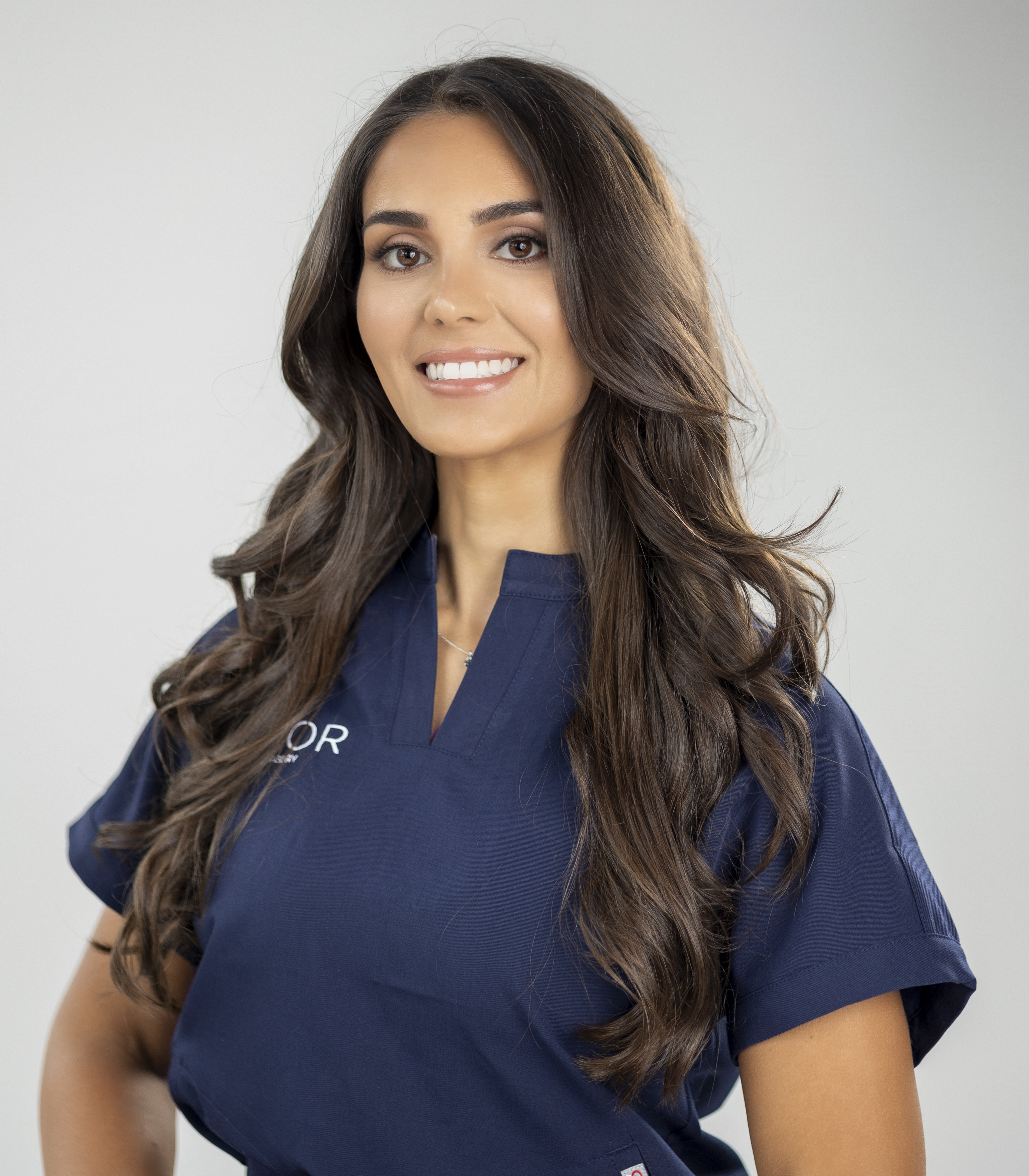
Stephanie follows a “less is more” philosophy and focuses on full-face restoration. She builds structural support first, then adds volume only where it maintains balance. She works with HA fillers such as Juvederm, RHA, Versa, and Restylane, along with biostimulators like Radiesse and Evolysse, and selects products based on your skin’s thickness, elasticity, and movement. Dr. Akash Chandawarkar provides surgical backup when a surgical solution better fits your goals.
Core Filler Safety Terms Explained Simply
Safe dermal filler treatment starts with a few key concepts. The Fitzpatrick scale classifies skin types I through VI based on sun sensitivity and pigmentation. Skin thickness, elasticity, and oiliness all influence how filler behaves once placed.
The Tyndall effect appears as a bluish tint when filler sits too close to the surface in thin skin. Migration describes filler moving away from its intended location, which occurs more often in oily skin. Granulomas and post-inflammatory hyperpigmentation, or PIH, occur more frequently in darker or highly reactive skin.
Hyaluronic acid, or HA, fillers provide immediate volume and can be dissolved if needed. Biostimulators trigger your own collagen production and create longer-lasting structural changes. Schedule your skin-specific assessment at Mirror to see which approach fits your skin and goals.
How Skin Type and Health Shape Filler Safety
Thin, sensitive skin carries a higher risk for the Tyndall effect. These patients need precise depth placement and low-density HA formulations to avoid visible bluish discoloration. Small errors in depth can show through the surface, so injection planning must be exact.
Oily skin creates different challenges, especially with filler migration. Oily skin types metabolize dermal fillers differently than dry skin types, influencing filler duration. Thicker, more cross-linked fillers usually stay in place better in these environments and resist drifting from the original placement.
Dry and mature skin often responds best to biostimulatory strategies. Fillers in stable structural areas like cheeks last 12 to 24+ months due to lower movement and stress. Mature skin also benefits from collagen-stimulating treatments that rebuild internal support instead of only adding surface volume.
Darker skin tones need special planning to reduce PIH and keloid risk. Modern hyaluronic acid fillers are considered safe for darker skin tones with virtually no risk of triggering PIH due to deeper dermal placement. At the same time, PIH rates of 8.1% have been reported in darker skin types following skin inflammation. Gentle technique and minimal trauma become essential in these patients.
Overall health also affects filler safety and longevity. Autoimmune conditions and smoking can slow healing and increase complication risk. Natural aging changes, such as fat pad descent and bone remodeling, require careful balancing of tissue pressure and support. The glabella and tear troughs carry the highest vascular risk, and the nasolabial folds sit near major blood vessels. Discover your safe filler path through a detailed anatomical assessment.
Planning for Long-Term Filler Results
Long-term outcomes depend on understanding normal filler breakdown versus inflammatory reactions over 5 to 10 years. Biostimulators stimulate collagen for gradual, natural-looking results lasting 1 to 2 years or more, ideal for long-term skin resilience. These products support the skin from within rather than simply filling space.
Many patients worry they can “never go back” once they start fillers. Strategic use of dissolvable HA fillers and collagen-stimulating biostimulators helps avoid that concern. These treatments aim to enhance tissue quality and maintain facial balance instead of chasing trends or extreme volume.
Mirror’s restorative approach focuses on harmony over time. The team tracks how your face changes and adjusts dosing and placement to prevent an “overdone” look. Avoid long-term risks with expert guidance tailored to your skin type and health profile.
Misconceptions About Filler Safety and Permanence
Many myths still surround dermal fillers. Properly placed HA fillers are not permanent and can be dissolved if a result needs adjustment. A one-size-fits-all plan rarely works because each skin type responds differently to product density, depth, and technique.
Complications such as vascular occlusion can occur but remain rare when experienced injectors follow strict safety protocols. Detailed anatomical knowledge and conservative dosing reduce these events even further. Mirror’s supplier-neutral model keeps product choice focused on your needs instead of inventory or brand incentives.
Get honest, anatomy-based advice that centers your safety and long-term satisfaction.
Frequently Asked Questions
How does thin skin affect filler safety?
Thin skin increases the chance of the Tyndall effect, where filler placed too close to the surface looks bluish. Safe treatment relies on low-density HA fillers and precise placement in the deeper dermis or subcutaneous layer. This level of accuracy requires strong anatomical training and careful planning.
Does filler migration occur more in oily skin?
Oily skin shows higher rates of filler migration because of increased metabolic activity and sebum production. Thicker, more cross-linked fillers usually stay put better in these conditions. Technique also matters, so the injector must account for how active and mobile the skin is in that area.
What are the long-term risks for darker skin tones?
Darker skin tones have roughly an 8 percent risk of PIH when techniques are not followed correctly. Modern HA fillers placed in deeper layers carry very low PIH risk. Gentle injections, anti-inflammatory support, and product selection that minimizes trauma help protect melanin-rich skin.
Who is not a good candidate for dermal fillers?
People with active autoimmune disease, heavy smokers, and those with severely reduced skin elasticity without biostimulator support may not be ideal candidates. Patients seeking dramatic, surgical-level changes from filler alone often feel disappointed. A thorough health and expectations review determines whether fillers, surgery, or a combination makes the most sense.
What are the riskiest injection sites for fillers?
The tear troughs, glabella, and nasolabial folds carry the highest risk because of complex blood vessel networks. These areas demand advanced anatomical knowledge and careful depth control to avoid vascular occlusion. In skilled hands, with conservative dosing and proper technique, these regions can still be treated safely.
Does filler ruin your face over time?
Properly planned fillers that match your skin type do not ruin your face over time. Problems usually arise from overfilling, poor product choice, or ignoring natural proportions. Thoughtful dosing and placement prevent “filler fatigue” and support long-term balance.
Should I choose HA fillers or biostimulators based on my skin type?
HA fillers suit all skin types and work well for first-time patients or anyone wanting immediate, reversible results. Biostimulators often serve mature or volume-depleted skin that needs collagen support and can provide results for 2 or more years. Many patients benefit from a customized mix of both, based on skin condition and goals.
Conclusion: Matching Fillers to Your Skin and Health
Your skin type and health status shape both the safety and longevity of dermal fillers. When you understand these factors, you can choose treatments that favor natural, durable results instead of quick fixes. Mirror Plastic Surgery’s concierge model supports this by giving each patient time, analysis, and a tailored plan.
The combination of Stephanie DeSimone’s mathematical precision and Dr. Akash’s surgical expertise creates a strong safety net and refined aesthetic outcomes. Book now for tailored safety and see how accurate skin-type matching can deliver subtle, confident results for years.
Book a Consultation at Mirror Plastic Surgery
Experience the Mirror difference with a treatment plan built around your skin type, health history, and aesthetic goals. Contact us at 727-361-6515, email hello@mirrorplasticsurgery.com, or visit us at 780 4th Ave S, St. Petersburg, FL 33701. Follow our journey on Instagram @mirrorplasticsurgery, @dr.akashplasticsurgery, and @perfectlyplastics.
Disclaimer: Results may vary from person to person. Editorial content, before and after images, and patient testimonials do not constitute a guarantee of specific results.
