

Last updated: February 21, 2026
Key Takeaways
- Long-term dermal filler use can cause filler fatigue, scarring, tissue damage, migration, and vascular occlusion, especially in high-risk areas like the glabella and nasolabial folds.
- Immediate risks like vascular occlusion are often preventable with strong anatomical expertise, conservative dosing, and access to hyaluronidase reversal agents.
- Expert injectors like Stephanie DeSimone at Mirror Plastic Surgery use evidence-based techniques and premium fillers to reduce complications and create natural results.
- Current trends favor biostimulatory fillers and “natural reclaim” approaches, with many patients dissolving old fillers to support healthier tissue.
- For safe, personalized filler treatments in St. Petersburg and Tampa, book a consultation with Mirror Plastic Surgery to protect your long-term facial health.
Why Patients Choose Mirror Plastic Surgery in St. Petersburg
Mirror Plastic Surgery follows a concierge philosophy that places safety first, function second, and aesthetics third. The team limits the schedule to one or two surgeries per day, which keeps attention fully on each patient instead of volume. This same mindset guides non-surgical treatments, with hour-long consultations that allow a complete, head-to-toe facial assessment instead of a quick, rushed visit.
The practice uses evidence-based planning that relies on detailed anatomical knowledge and conservative dosing to prevent complications. One patient shared, “Stephanie fixed a cheek issue that other injectors had only made worse, something that had been bothering me for months yet she corrected it in seconds with just a few micro droplets of filler. Absolute genius!” The St. Petersburg location allows care tailored to Tampa Bay residents and their specific goals.
Book a consultation with Stephanie to experience this level of attention in person.
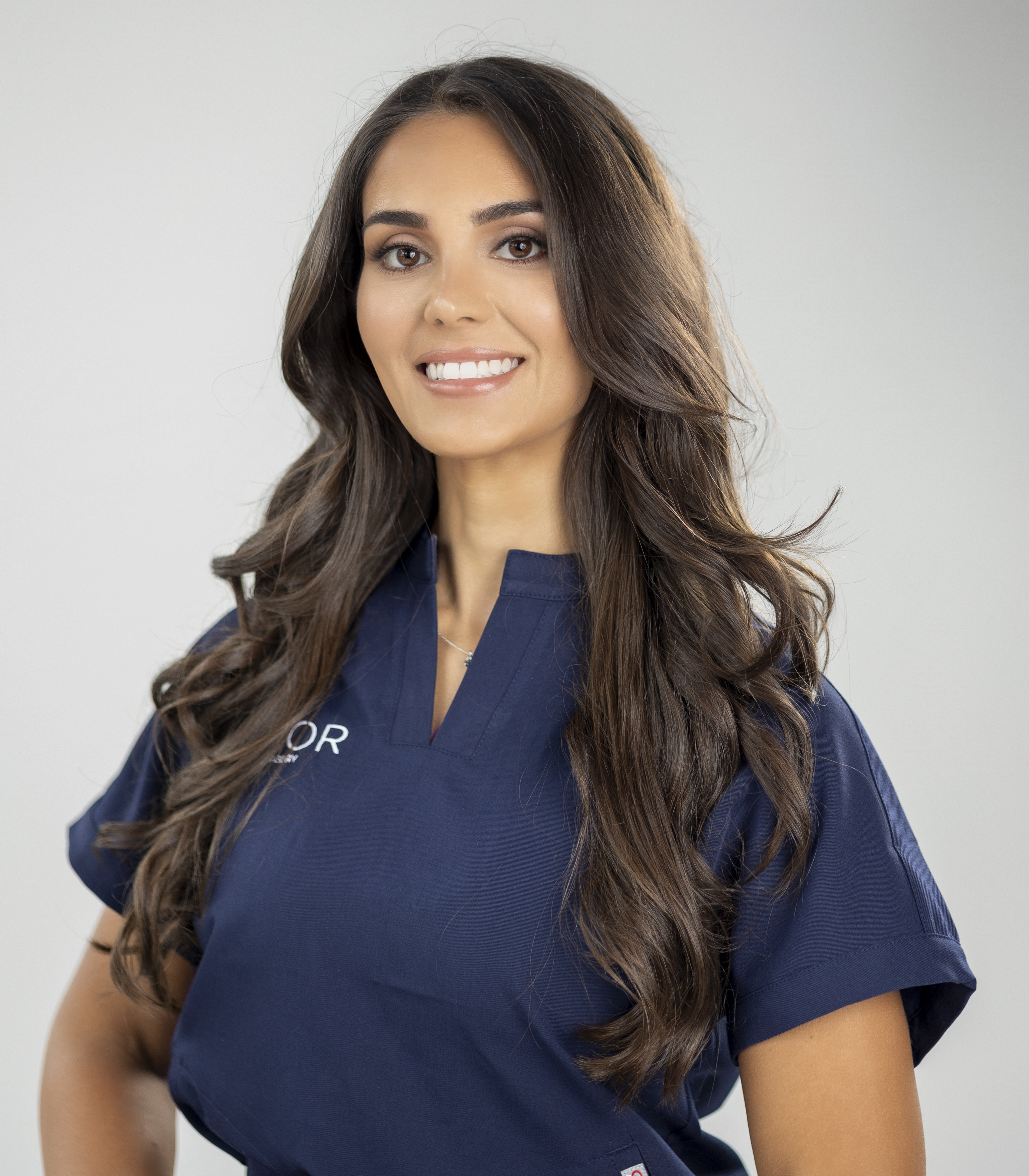
Meet Stephanie DeSimone, Your Filler Specialist
Stephanie DeSimone blends mathematical precision with deep anatomical expertise in every treatment. Her Mathematics degree, years as a surgical assistant, and dedication to bodybuilding give her a rare understanding of both surface features and underlying structures. This background supports her “less is more” philosophy and leads to subtle, balanced outcomes.
Stephanie focuses on full-face restoration with premium fillers such as Juvederm, RHA, Restylane, and Radiesse. She restores your natural facial characteristics first, then considers added volume only when needed. This approach keeps transitions between the upper, mid, and lower face smooth and harmonious. When appropriate, her work pairs seamlessly with procedures by Dr. Akash Chandawarkar, a Harvard-educated, Johns Hopkins-trained plastic surgeon with fellowship training at Manhattan Eye Ear & Throat Hospital.
Patients describe her as both skilled and approachable. One shared, “Stephanie is simply the best. Very outgoing and personable, she takes her time and listens to your concerns. She has a great eye for balance. My forever girl.”
Key Filler Safety Terms You Should Know
Safe dermal filler treatment starts with a clear understanding of common complications and terms. Immediate complications include vascular occlusion, which means blocked blood vessels, and tissue necrosis, which means cell death. Late complications can involve filler migration and the Tyndall effect, a bluish discoloration near the skin surface. Delayed complications sometimes include granulomas, which are inflammatory nodules, and scarring.
High-risk zones include the glabella between the eyebrows and the nasolabial folds because of complex blood vessel patterns. Vascular complications like skin necrosis occur in approximately 0.3% of cases. Many of these events are preventable with strong anatomical knowledge, although they can still occur with experienced injectors.
Hyaluronic acid, or HA, fillers can be dissolved with the enzyme hyaluronidase, which offers a safety net. Biostimulatory fillers such as Radiesse work differently and stimulate your own collagen production. Recent 2025 ultrasound data reveal vascular occlusion in 42% of patients with absent perforator vessel flow, which underscores the need for expert technique and careful planning.
Managing Immediate Filler Risks in the Office
Immediate complications require quick recognition and decisive treatment. High-dose pulsed hyaluronidase protocols can successfully treat vascular occlusion even when treatment is delayed. These protocols help protect tissue and reduce the chance of permanent damage.
Prevention starts with choosing an injector who understands facial anatomy in depth and uses conservative dosing. It also requires immediate access to reversal agents such as hyaluronidase in the office. Mirror Plastic Surgery follows these safety steps for every filler visit.
How Long-Term Dermal Fillers Affect Facial Tissues
Long-term filler use can change how the face looks and feels over time. Filler fatigue describes facial distortion, loss of natural expression, and tissue stretching that follow repeated volume additions. Migration represents a significant complication, particularly when performed by unqualified practitioners using uncertified products.
Scarring and tissue damage can occur when fillers reduce blood flow or trigger strong inflammatory responses. High-risk zones such as the glabella and nasolabial folds face greater danger because of their dense vascular networks. Mirror Plastic Surgery reduces these risks through unbiased product selection, careful planning, and conservative injection techniques.
The team follows evidence-based protocols to match each product to your anatomy and goals instead of sales quotas. Book a consultation with Stephanie to design a long-term plan that protects your facial structure and skin quality.
Serious but Uncommon Filler Complications
Serious complications remain rare but deserve careful attention. Granulomas can form when the immune system reacts to filler material and creates firm, inflamed nodules. Some cases require medical management or even surgical removal. Permanent tissue damage can occur after severe vascular compromise or long-standing inflammation.
Severe adverse events with HA fillers occur in less than 0.05% of procedures. Biostimulatory fillers have different risk profiles because they cannot be dissolved. Prevention depends on detailed anatomical knowledge, conservative dosing, and clear emergency protocols that the team can activate immediately.
Mirror Plastic Surgery uses a thorough assessment process to identify higher-risk patients and anatomical concerns before treatment. This personalized risk review helps lower complication rates and supports safer outcomes.
2026 Filler Trends: Biostimulation and “Natural Reclaim”
The aesthetic field in 2026 is shifting toward biostimulatory treatments that support long-term tissue health. Radiesse and similar products are gaining attention for their ability to stimulate natural collagen and improve structure. Nearly half of dermal filler patients, especially those ages 18 to 34, have had treatments dissolved, which reflects a move toward regenerative and restorative approaches.
Advanced safety tools now include ultrasound-guided injections and AI-assisted treatment planning. The “natural reclaim” movement focuses on dissolving old or migrated fillers, then rebuilding with smaller, strategic volumes. This approach prioritizes tissue quality, facial harmony, and graceful aging over aggressive volume.
Real Filler Risks vs Common Myths
Many people assume that all fillers cause permanent damage, yet this belief ignores the role of injector skill and product choice. The glabella and nose remain the highest-risk areas because their blood vessels connect to critical structures. Careful planning and expert technique matter most in these zones.
Celebrity filler removal often stems from overfilling and migration, not from an inherently unsafe product. These cases highlight what can happen when volume and frequency overshadow anatomy and balance. Conservative dosing and respect for facial structure help avoid these outcomes.
Frequently Asked Questions
Can dermal fillers cause permanent scarring?
Permanent scarring from dermal fillers remains rare when a qualified injector uses proper technique. Scarring usually follows vascular compromise, infection, or strong inflammatory reactions. HA fillers carry a lower risk of scarring because they can be dissolved with hyaluronidase. Biostimulatory fillers may carry a slightly higher risk because their effects last longer and cannot be reversed. Choosing an injector with deep anatomical knowledge greatly reduces the chance of permanent scarring.
What is filler fatigue?
Filler fatigue refers to the cumulative impact of repeated filler sessions on facial tissues. Over time, excessive volume can cause facial distortion, loss of natural expression, and stretching of the skin and soft tissue. Many patients notice heaviness, asymmetry, or difficulty making natural expressions. Prevention relies on conservative dosing, long-term planning, and regular reviews of facial balance before adding more product.
How can I avoid vascular occlusion from fillers?
You can reduce vascular occlusion risk by choosing an injector who understands facial blood supply in detail. Higher-risk areas include the glabella, nasolabial folds, and nose. Safe practice involves conservative injection techniques, careful placement, and immediate access to hyaluronidase for reversal if needed. Ultrasound guidance can help map blood vessels and guide safer injection paths.
What happens to the face after years of filler use?
Years of filler use can lead to tissue stretching, product migration, and changes in facial proportions. Some patients develop filler buildup that lasts longer than expected and creates unnatural contours. Natural aging continues beneath the filler, which can reveal new imbalances when products are dissolved. A thoughtful plan that uses modest volumes and regular reassessment helps the face age in a more natural way.
Why are celebrities removing their fillers?
Celebrities are dissolving fillers as part of a larger shift toward more natural aesthetics. Many experienced overfilling, asymmetry, or sharp, unnatural contours after repeated treatments. Dissolution also addresses migration, where filler moves from its original placement and forms lumps or irregular shapes. The “natural reclaim” trend focuses on healthier tissue, softer contours, and subtle enhancement instead of maximal volume.
Conclusion: Safe, Natural Fillers with Mirror Plastic Surgery
Long-term dermal fillers carry real risks, yet expert planning and technique can reduce those risks to very low levels. Mirror Plastic Surgery offers St. Petersburg and Tampa Bay patients a careful, safety-first approach to filler treatments.
Book a consultation with Stephanie today to explore facial rejuvenation that protects your health and supports natural-looking results.
Book a Consultation with Mirror Plastic Surgery
Experience personalized treatment planning that keeps your safety and natural appearance at the center of every decision. Contact Mirror Plastic Surgery at 727-361-6515, email hello@mirrorplasticsurgery.com, or visit 780 4th Ave S, St. Petersburg, FL 33701. Follow the practice on Instagram @mirrorplasticsurgery.
Book a consultation with Stephanie to begin your safe aesthetic transformation.
Disclaimer: Results may vary from person to person. Editorial content, before and after images, and patient testimonials do not constitute a guarantee of specific results.
