

Written by: Ellie Pranckevicius, FNP-BC, Aesthetic Nurse Practitioner & Aesthetic Injector | Facial Restoration & Regenerative Injectable Specialist, Mirror Plastic Surgery | Last updated: March 13, 2026
Key Takeaways
- Start with conservative filler volumes and layer gradually over multiple sessions to prevent overfilling and keep results natural.
- Choose injectors with deep anatomical knowledge, such as those trained in neuroscience and aesthetics, for safe, precise placement.
- Select dynamic fillers like RHA that move naturally with facial expressions and match product properties to each treatment area.
- Prioritize full-face balance and restoration instead of isolated spot treatments to maintain harmonious proportions and avoid pillow face.
- Overfilled fillers can be reversed with hyaluronidase; book a consultation at Mirror Plastic Surgery for a personalized assessment and natural results.
Why Patients Choose Mirror Plastic Surgery
Mirror Plastic Surgery follows a concierge medicine model that limits daily procedures and protects focused time with each patient. This slower pace allows the team to study your unique anatomy, listen to your goals, and plan treatments with care. Product choices come from evidence-based research and unbiased evaluation, not from sales quotas or brand commitments.
The team explains skin physiology in clear, everyday language so you understand why a treatment is recommended and how to maintain your results. This educational style often leads to honest guidance against high-cost services when they are not needed yet. Patients build long-term relationships with the practice because they feel informed, respected, and never rushed.
Meet Your Injector: Ellie Pranckevicius
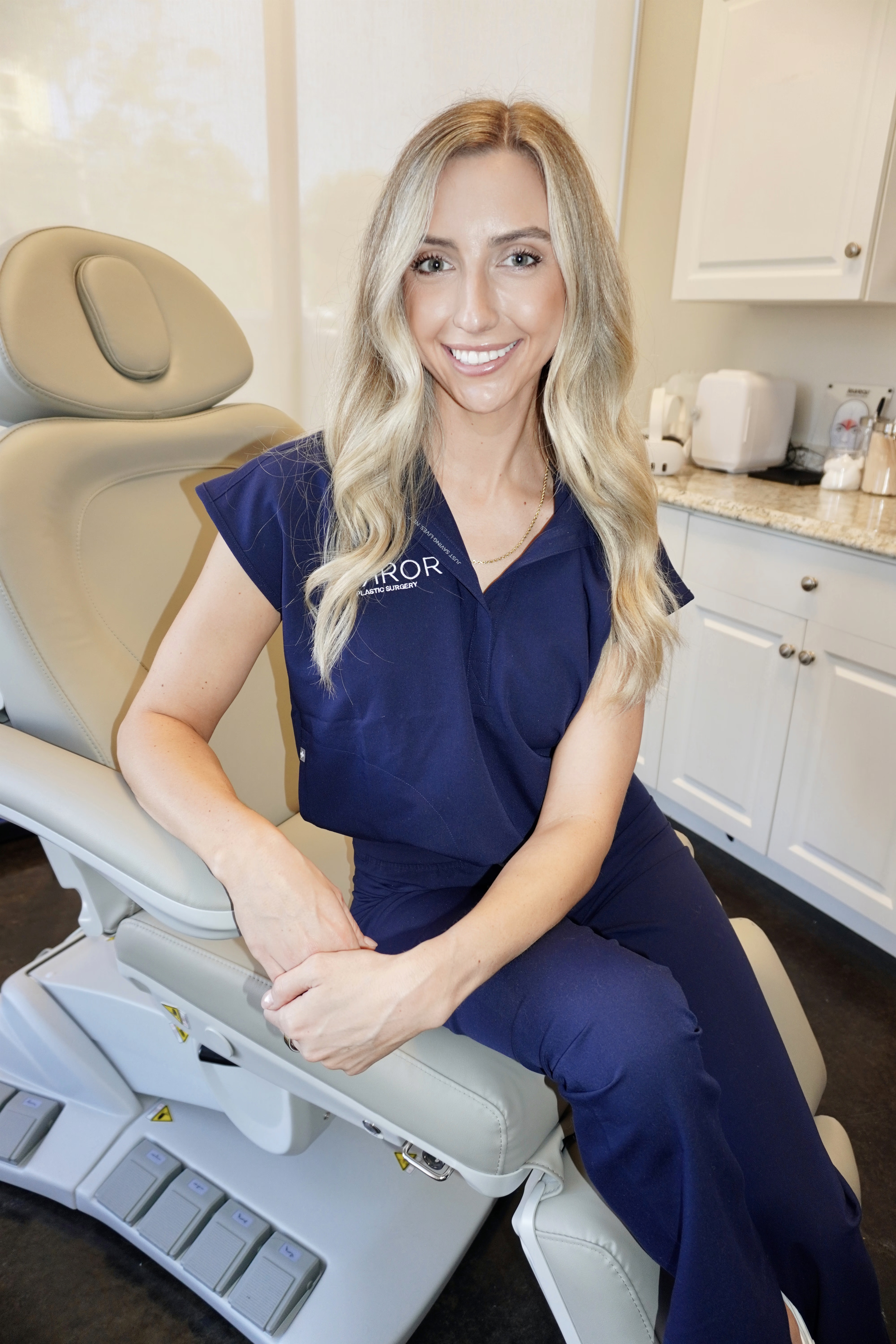
Ellie Pranckevicius combines advanced nursing training with esthetic expertise at Mirror Plastic Surgery. Her dual background supports a detailed understanding of both the skin surface and the deeper structures beneath it. This knowledge is essential for natural, balanced filler results.
Ellie currently welcomes new clients who want full-face restorative treatments rather than one-off spot fixes. She focuses on smooth transitions between the upper, middle, and lower face so no single feature looks overdone. This method helps prevent asymmetry, puffiness, and the overfilled look that can occur when areas are treated in isolation.
Filler Types and Why Overfilling Happens
Dermal fillers provide reversible volume enhancement, while biostimulatory fillers such as Radiesse stimulate collagen for longer-lasting structure. Overfilling often stems from poor anatomical knowledge, excessive volume, incorrect placement, or filler migration. Current 2026 techniques emphasize gradual layering and collagen-stimulating products that rebuild support instead of simply inflating tissue.
8 Proven Steps to Avoid the Overfilled Look with Dermal Fillers
1. Start Conservative: Less is More
Begin with small, conservative volumes and build slowly over time. Early sessions should create subtle refinement, not dramatic change. This pace allows your injector to see how your tissues respond and adjust safely.
2. Honor Facial Anatomy
Precise knowledge of three-dimensional facial anatomy protects both safety and aesthetics. Ellie’s ICU background and anatomical training help her avoid blood vessels, respect natural fat pads, and place filler at the correct depth. This attention to structure supports smooth, believable results.
3. Choose the Right Fillers
RHA fillers adapt to facial movement and maintain a natural look at rest and in motion. Softer products may suit lips or under eyes, while firmer gels can support cheeks or jawline. Age, skin thickness, and tissue quality all guide product selection for each area.
4. Layer Gradually Over Visits
Spreading treatment across several visits allows careful review between sessions. Your injector can assess swelling, integration, and symmetry, then add or adjust as needed. This stepwise approach lowers the risk of overcorrection and keeps results refined.
5. Vet Expert Injectors
Select injectors with strong anatomical training, complication management experience, and appropriate credentials. Ellie’s combination of aesthetic practice and nursing expertise reflects this standard. Ask to see before-and-after photos that show natural outcomes, not extreme transformations.
6. Assess Dynamics and Motion Post-Injection
Natural results must look good while you talk, smile, and laugh. During your appointment, your injector should watch your expressions and check for stiffness, bulging, or distortion. Any early concerns can be corrected while you are still in the office.
7. Plan Follow-ups and Tweaks
Scheduled follow-up visits support long-term balance and subtle refinement. Your injector can address minor asymmetries, adjust volumes, and update your plan as your face changes with time. This ongoing care helps maintain a fresh, rested look instead of a filled look.
8. Prioritize Full-Face Balance
Thoughtful injectors consider the entire face before treating a single feature. Ellie’s restoration-first method focuses on structure and proportion so cheeks, lips, jawline, and under eyes work together. This philosophy reduces the risk of pillow face and keeps attention on your natural features.
Book a consultation to see how this conservative, full-face approach can help you avoid the overfilled look.
| Facial Area | Safe Volume/Session | Notes |
|---|---|---|
| Lips | Conservative amounts | Focus on shape and definition rather than size alone |
| Cheeks | Conservative amounts/side | Restore youthful volume instead of inflating the midface |
| Under Eyes | Conservative amounts/side | Use minimal product to avoid puffiness and shadow distortion |
| Jaw/Chin | Conservative amounts/side | Refine and balance the facial profile without creating heaviness |
Preventing Pillow Face with Thoughtful Filler Planning
Pillow face often develops from excessive volume, migration, or incorrect injection depth in the cheeks and chin. Mirror Plastic Surgery reduces this risk through conservative dosing, precise anatomical placement, and full-face evaluation at every visit. The goal is to restore natural contours and support, not to chase trends or create exaggerated fullness.
Correcting an Overfilled Face with Fillers
Overfilled hyaluronic acid fillers can usually be reversed safely with hyaluronidase. Standard protocols use careful dosing and reassessment around 14 days. Biostimulatory fillers cannot be dissolved and must fade as your body metabolizes them.
The correction process starts with a detailed facial assessment and clear discussion of your goals. Your injector then places hyaluronidase strategically in the overfilled areas to soften or remove excess product. Many patients notice improvement within 24 to 48 hours, with final evaluation at about two weeks.
Ellie’s Mirror Method in Action: A Tampa Case Study
A Tampa patient visited Mirror Plastic Surgery after receiving heavy filler at a high-volume clinic that favored quick treatments. The patient felt puffy and unrecognizable, especially in the midface. Ellie used her Mirror Method to dissolve excess filler gradually and rebuild structure over several months.
Treatment focused first on restoring natural cheek contours and softening sharp transitions between facial zones. Once balance returned, Ellie added small, targeted amounts of filler to support areas that had lost volume with age. The final result showed smooth harmony between the upper, middle, and lower face and reflected the patient’s original features, not a template look.
This case highlights the practice philosophy of restoration before augmentation. Each decision followed the patient’s anatomy and goals instead of a standard syringe count or trend-driven plan.
Smart Filler Decisions: Practical Tips
Patients can protect themselves from overfilling by asking direct questions during consultations. Ask about your injector’s anatomical training, experience with complications, and approach to natural results. Clarify safe volume ranges for each area and discuss realistic expectations.
Remember that fillers enhance existing features and cannot reverse aging completely or change bone structure. Be cautious with providers who suggest large volumes in a single visit, ignore overall facial balance, or pressure you to treat multiple areas immediately. These patterns often signal a higher risk of pillow face.
Book a consultation to review your goals and create a personalized, conservative treatment plan.
Frequently Asked Questions
How can I avoid an overfilled face with fillers?
Follow the eight steps outlined above, including conservative starting doses, gradual layering, and full-face planning. Choose injectors with strong anatomical expertise and a clear track record of natural results. Comprehensive assessments like those at Mirror Plastic Surgery support safe, individualized treatment.
What causes pillow face with fillers?
Pillow face usually comes from too much filler in the cheeks or midface, poor technique, or product choice that does not match the tissue. Treating one area heavily without considering the rest of the face also increases risk. Limited anatomical knowledge by the injector often plays a major role.
How do I make my fillers look natural?
Natural fillers rely on modest volumes, the right product for each area, and a stepwise plan over several sessions. Your injector should study your face at rest and in motion and prioritize restoration of youthful structure over dramatic augmentation. Three-dimensional anatomical understanding remains essential.
Can overfilled fillers be fixed?
Yes. Most hyaluronic acid fillers can be dissolved with hyaluronidase placed in targeted areas. Many patients see changes within 24 to 48 hours, with final evaluation at two weeks. Biostimulatory fillers cannot be dissolved and require time for natural breakdown.
How do I avoid pillow face with fillers?
Prevention starts with an experienced injector who respects conservative dosing and full-face harmony. Choose appropriate filler types for each region and avoid rushed, high-volume sessions. Decline treatment if you feel pressured or if recommendations seem excessive for your concerns.
What happens if I have too much cheek filler?
Too much cheek filler can create an inflated, rounded look that draws attention away from your eyes and smile. Hyaluronidase can usually reduce or remove the excess, followed by careful, conservative retreatment if needed. Practices like Mirror Plastic Surgery use anatomical mapping to restore natural cheek shape after overfilling elsewhere.
Natural-Looking Fillers with Mirror Plastic Surgery
Avoiding the overfilled look requires thoughtful planning, anatomical precision, and a commitment to subtle enhancement. The eight steps in this guide offer a clear roadmap to results that refresh your appearance while keeping your features recognizable.
Mirror Plastic Surgery’s concierge model supports this careful approach by giving each patient unhurried time and evidence-based recommendations. Ellie’s advanced training and Dr. Akash’s surgical background create a team focused on safety, function, and aesthetics working together. Book a consultation to explore a personalized plan for natural filler results.
Book a Consultation
Patients who want natural, balanced filler results can start with a comprehensive assessment at Mirror Plastic Surgery. Your anatomy, lifestyle, and goals guide every decision from product choice to timing.
• Phone: 727-361-6515
• Email: hello@mirrorplasticsurgery.com
• Address: 780 4th Ave S, St. Petersburg, FL 33701
• Instagram: @mirrorplasticsurgery, @dr.akashplasticsurgery, @perfectlyplastics
Book a consultation to begin your journey toward natural, beautiful results with dermal fillers.
Disclaimer: Results may vary from person to person. Editorial content, before and after images, and patient testimonials do not constitute a guarantee of specific results.
