

Last updated: February 21, 2026
Key Takeaways
- Turkey neck often develops from aging, Ozempic-style weight loss, or genetics. Thin neck skin, collagen loss, platysma bands, and sagging all play a role.
- Concierge-style assessments at expert med spas outperform generic treatments by evaluating the neck, jawline, and face together.
- Top non-surgical options include the Nefertiti Lift for muscle bands, Ultherapy or Morpheus8 for collagen, fillers for volume, Kybella for fat, and PDO threads for lift.
- Choosing anatomy experts like Stephanie DeSimone supports natural results through tailored combinations instead of one isolated procedure.
- Schedule your personalized neck tightening plan at Mirror Plastic Surgery for concierge care in St. Petersburg.
Step 1: Spot Neck Sagging Early and Avoid One-Size-Fits-All Fixes
Turkey neck affects many professionals in St. Petersburg and Tampa. Aging, rapid GLP-1 weight loss from medications like Ozempic, and genetics all contribute. The neck often ages first because of its thin skin, reduced collagen, and lower elastin production. These changes create sagging, horizontal lines, and visible vertical platysma bands.
Many med spas disappoint patients by offering a single treatment without a full anatomical evaluation. A rushed consultation that focuses only on Ultherapy, Morpheus8, or injectables ignores how the neck connects to the jawline and face. The neck, jawline, facial volume, and muscle activity all interact and need expert review.
Mirror Plastic Surgery closes this gap with a concierge approach. The team often spends up to an hour on a detailed, top-to-bottom assessment instead of a quick 15-minute visit. This deeper evaluation targets the root causes of neck laxity instead of masking surface issues.
Book a consultation to experience this personalized style of care.
Step 2: Choose a Concierge Med Spa That Prioritizes Safety and Focus
Mirror Plastic Surgery’s concierge model limits the schedule to 1 or 2 procedures per day. This slower pace keeps the focus on your safety, function, and aesthetic goals. High-volume “mills” may perform 5 to 10 procedures daily, which often reduces time for thoughtful planning.
The practice operates as a supplier-neutral facility. The team selects products and techniques based on your anatomy instead of sales quotas. This evidence-based approach favors long-term, natural results over quick, trendy fixes. Neck laxity is treated within the context of full facial harmony, not as an isolated problem.
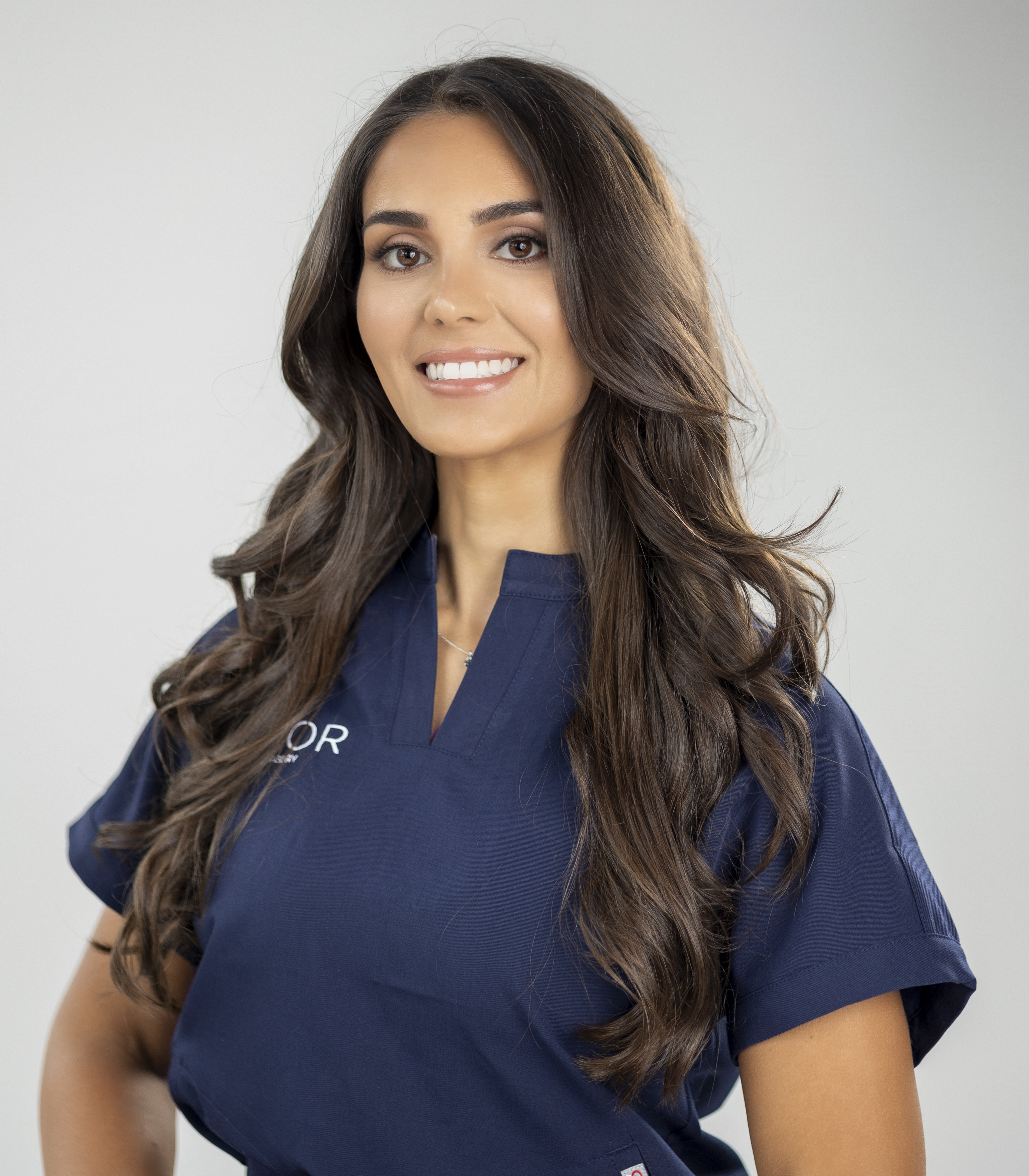
Step 3: Work With Anatomy Specialist Stephanie DeSimone
Stephanie DeSimone brings a rare mix of skills to neck rejuvenation. Her Mathematics degree, years of surgical assisting, and bodybuilding background deepen her understanding of both surface and subdermal anatomy. She specializes in neuromodulators and performs precise Nefertiti Lifts to soften platysma bands. She also uses biostimulatory fillers to restore volume and refine neck contours.
Stephanie follows a “less is more” philosophy. She restores your natural facial structure first, then adds volume only when needed. This method avoids the “overdone” look that can appear when the neck is treated alone. Her work creates smooth transitions between the upper, mid, and lower face. When surgery becomes appropriate, her treatments align seamlessly with Dr. Akash Chandawarkar’s surgical expertise.
Step 4: Learn How Neck Anatomy Drives Aging Changes
Clear knowledge of neck anatomy supports smarter treatment choices. Neck aging involves several layers. Collagen and elastin decline, which reduces elasticity. The platysma muscle weakens and separates, forming vertical bands. Fat shifts position, and lymphatic flow slows, which can cause puffiness.
The neck’s thin skin makes it more vulnerable than facial skin. Weight changes stretch the neck skin, and reduced elasticity prevents it from snapping back. The position of the hyoid bone also affects chin length and the degree of sagging.
This complexity explains why personalized assessment outperforms generic plans. Effective neck tightening must address skin, fat, and muscle layers together. Customized combinations work better than relying on a single device or injectable.
Step 5: Review Non-Surgical Neck Tightening Options That Actually Work
Targeting Multiple Layers of Neck Aging
Successful neck rejuvenation treats several aging processes at once. Surface-only treatments rarely correct bigger structural changes. Aggressive single treatments can also look unnatural when they ignore overall facial balance.
Neuromodulators and the Nefertiti Lift for Neck Bands
The Nefertiti Lift uses Botox injections to relax the platysma muscles. This softens vertical bands and smooths the neck profile. The technique targets dynamic muscle contractions that create visible banding, especially in patients with clear platysmal separation.
Ideal candidates show strong vertical bands when they flex their neck muscles. Results appear within 7 to 14 days and last about 3 to 4 months. Risks stay low in experienced hands, with mild bruising as the most common issue.
Dermal Fillers and Biostimulators for Structure and Lines
Sculptra biostimulatory injectable encourages deep collagen growth. This improves structural support and creates a gentle lifting effect in the neck. Hyaluronic acid fillers treat horizontal neck lines and localized volume loss. Together, these tools help restore smoother, more youthful contours.
Biostimulators like Sculptra build gradual, natural-looking improvement over 4 to 6 months. Results can last up to 2 years. Traditional fillers provide immediate correction for lines and surface irregularities.
Energy-Based Treatments: RF Microneedling and Ultrasound
Ultherapy uses ultrasound energy to stimulate collagen deep in the skin. This creates lifting without incisions or long downtime. Potenza RF microneedling treats mild to moderate neck sagging. It improves texture and fine lines with a series of three sessions spaced 4 to 6 weeks apart.
These energy-based options work well for mild to moderate laxity when patients want collagen stimulation. Morpheus8 combines microneedling with radiofrequency for broad tissue remodeling. Ultherapy focuses on deeper SMAS layers to create lifting.
Kybella for Fat and PDO Threads for Lift
Kybella uses deoxycholic acid injections to dissolve submental fat. This reduces a double chin that can worsen the look of neck aging. PDO thread lifts create an immediate lifting effect for moderate sagging. Threads also stimulate collagen and can last from 12 to 18 months, sometimes up to 3 years.
These treatments suit patients with specific concerns. Kybella works best for excess submental fat. PDO threads help when moderate sagging needs a visible lift without surgery. Careful candidate selection remains essential for safe, natural outcomes.
Neck Treatment Comparison at a Glance
|
Treatment |
Downtime |
Sessions |
Efficacy (Mild-Mod Laxity) |
Risks |
|
Nefertiti Lift |
None |
1-3 |
High for bands |
Bruising |
|
Energy-Based/RF Ultrasound |
1-5 days |
1-3 |
High collagen boost |
Redness, swelling |
|
Fillers |
1-7 days |
1-2 |
Moderate lift and volume |
Migration |
Mirror Plastic Surgery excels at combining these tools into a single, personalized plan. Your protocol reflects your anatomy and goals instead of a generic package.
Book a consultation to learn which combination fits you best.
Step 6: Follow Proven Tips for a Smoother, Tighter Neck
Strategic planning makes neck tightening more effective and more natural.
- Request a full-face evaluation instead of a neck-only assessment.
- Select providers with deep anatomical knowledge, not just strong marketing.
- Protect jawline harmony so the neck and lower face look consistent.
- Time treatments after GLP-1 weight stabilization for more predictable results.
- Plan maintenance visits to preserve improvements rather than expecting a single permanent fix.
Jawline definition strongly influences how the neck looks. Treating both areas together usually delivers better results than focusing on the neck alone.
Step 7: Map Out Maintenance and Know When Surgery Makes Sense
The 2026 rise in GLP-1-related neck sagging calls for specialized plans. Patients with “Ozempic neck” often respond best to a combination of volume restoration and skin tightening.
Long-term success depends on recognizing the limits of non-surgical care. Severe sagging or heavy excess skin may eventually require surgery. Many patients, however, achieve excellent improvement through carefully planned non-surgical combinations when experts guide the process.
Full-face restoration respects the connection between the neck and overall facial balance. This approach demands skill with multiple modalities and detailed anatomical insight.
Book a consultation to design your long-term neck and facial strategy.
Frequently Asked Questions
What is the best non-surgical neck tightening treatment?
The most effective treatment depends on your anatomy and goals. Ultherapy often works best for deeper tissue lifting. Morpheus8 improves texture and mild laxity. Neuromodulators soften muscle-related banding, and biostimulatory fillers rebuild volume. A comprehensive assessment at Mirror Plastic Surgery identifies the right combination instead of relying on a single device.
How does a Nefertiti Lift compare with Ultherapy?
The Nefertiti Lift targets platysma muscle bands using precise Botox injections. It suits patients with clear vertical banding. Ultherapy uses ultrasound energy to lift deeper tissues and treat overall laxity. Many patients benefit from both treatments, using Nefertiti for muscle relaxation and Ultherapy for collagen stimulation and lift.
When should I start neck tightening treatments?
Many people begin preventive treatments around age 40, when early laxity appears. Candidacy depends more on visible anatomical changes than age alone. Some patients in their 30s benefit from early Nefertiti treatments. Others may wait until their 50s. An in-person assessment sets the right timeline for your needs.
How many RF neck tightening sessions will I need?
RF microneedling treatments such as Morpheus8 usually require 1 to 3 sessions spaced 4 to 6 weeks apart. The exact number depends on your starting skin quality, goals, and healing response. Some patients notice clear improvement after one session. Others reach their best result after a full series.
Can neck tightening help after Ozempic-related weight loss?
Non-surgical neck tightening can improve post-GLP-1 laxity when treatments are combined thoughtfully. RF devices stimulate new collagen. Injectables restore lost volume and enhance skin quality. Most patients start treatment after their weight stabilizes, usually 3 to 6 months after medication changes. Addressing both volume loss and laxity together creates more natural results.
Step 8: Start Your Personalized Neck Tightening Plan
Mirror Plastic Surgery offers a leading destination for neck rejuvenation in St. Petersburg. Patients benefit from Stephanie DeSimone’s anatomical expertise and Dr. Chandawarkar’s surgical background. The concierge model supports tailored, evidence-based plans instead of generic treatment menus.
Your path to a smoother, tighter neck begins with a detailed evaluation and clear guidance. Rushed, one-size-fits-all visits rarely match the results of personalized care.
Book a consultation with Stephanie to design your ideal neck tightening strategy.
Book a Consultation
Ready to address neck sagging with expert, concierge-level care? Contact Mirror Plastic Surgery today:
Phone: 727-361-6515
Email: hello@mirrorplasticsurgery.com
Address: 780 4th Ave S, St. Petersburg, FL 33701
Instagram: @mirrorplasticsurgery
Disclaimer: Results may vary from person to person. Editorial content, before and after images, and patient testimonials do not constitute a guarantee of specific results.
